Remodeling has been an important goal for many San Francisco homeowners for some time. As property values rise and available stock falls, general interest in remodeling has only increased.
A lot of the interest in remodeling comes from either the need to expand living space or the desire to maintain property values instead of selling.
In this article, we cover the individual trends in the San Francisco remodeling industry, what’s behind them, and how homeowners can approach them to improve their chances of meeting their goals.
What's Shaping SF Remodeling Decisions in 2026
There are a few overarching themes that overlap across many of the different 2026 San Francisco remodeling trends. In a few key ways, 2026 is set to become a transformative year for San Francisco real estate.
The 2026 Electrification Mandate
One of the biggest changes in the San Francisco remodeling industry is a top-down effort to push the city’s homes in an all-electric direction. Following similar efforts in cities in New York and California, fossil fuels are being phased out of new construction and some remodels.
Berkeley started the trend of electrification mandates in American municipalities in 2019. In general, regulations target new construction projects more forcefully, banning all new natural gas hookups in new construction. Dozens of other cities have followed and are moving toward:
- Greater energy efficiency
- Building performance standards
- Sustainable materials
- Restrictions reinforced by energy codes and homeowner interest in long-term viability
In the case of San Francisco, starting July 31st, 2026, new builds cannot have fossil fuels. In addition, certain major renovations and large additions like ADUs must become all-electric projects. These rules apply to any remodel that meets San Francisco’s definition of a “major remodel”. These remodels cannot have new gas or propane infrastructure installed, with limited exceptions.
Going forward, if you’re planning any major remodels, be aware that the new requirements call for all-electric:
- Climate control
- Water heating
- Cooking
- Clothes drying
Staying Put vs. Upsizing
In 2026, San Francisco homes reached a median sale price of $1.7 million. That’s a year-over-year increase of over 15%, and homes are selling faster, too. Redfin data also shows a median of 16 days on market, down from 20 in 2025.
San Francisco homeowners are facing a brutal combination of higher home prices, tighter inventory, fast-moving listings, and mortgage rates above 6%. At the same time, national survey data shows a clear preference among many homeowners to renovate rather than relocate.
Higher home prices make selling more profitable, but they also make upsizing more difficult. While mortgage rates remain above 6%, giving up a (likely) better rate isn’t an attractive option. Add limited inventory on top, and there are fewer good opportunities to move.
These are trends we can see across major cities in the U.S. but they are stronger in San Francisco.
The Constraints That Make SF Unique
Lastly, there are a few specific San Francisco considerations that make remodeling projects in the city unique.
San Francisco flags structures 45 years or older for potential historic resource review. If a building is over 50 years old or has architectural or historical significance, it may qualify as a historic resource under CEQA.
Seismic and structural considerations also sometimes affect San Francisco remodeling scopes. As a rule of thumb, the older the building is, the more these factors are likely to affect the process. However, it’s best to consult with an expert before making any changes to a remodeling project’s scope.
Kitchen Trends in San Francisco Homes This Year
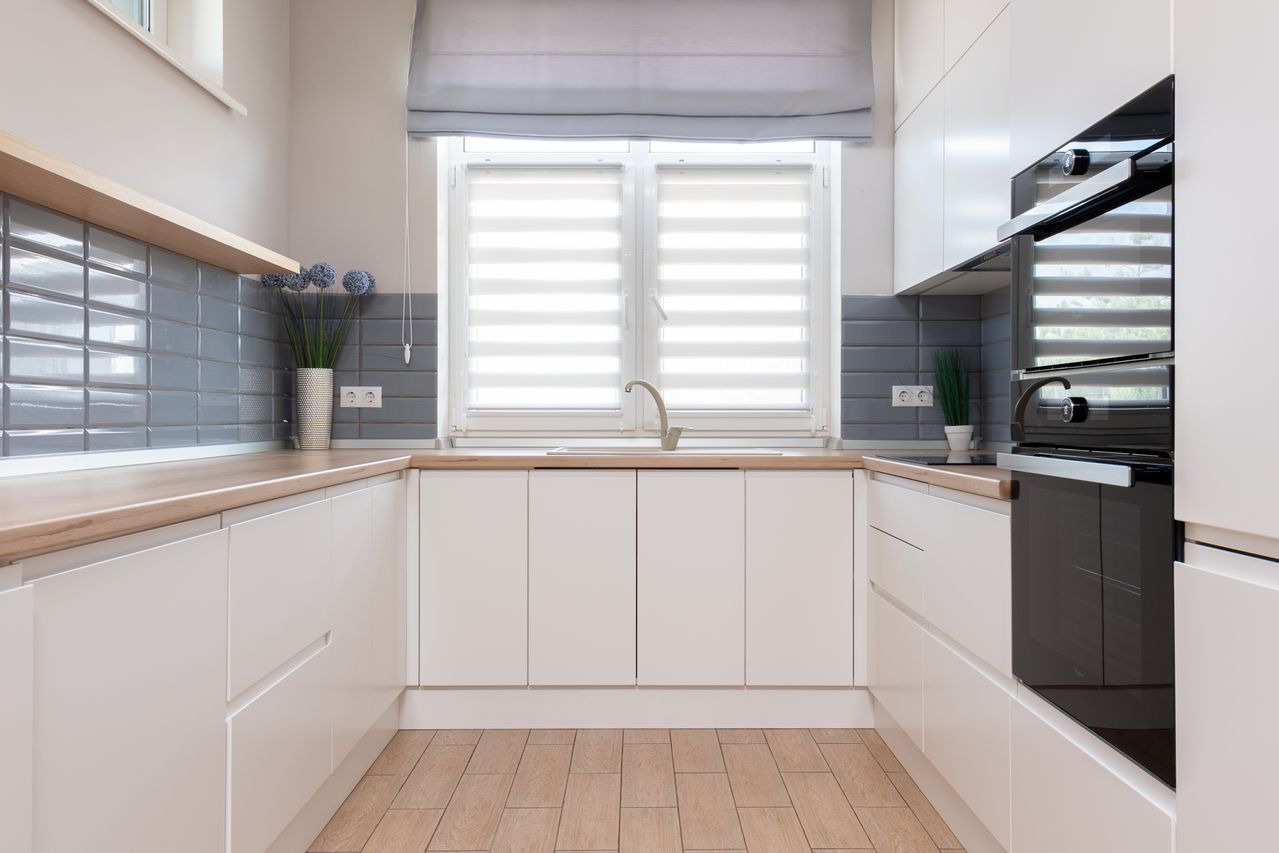
San Francisco kitchens are moving toward smarter, more efficient storage, warm colors, and rich textures in 2026.
Open-Concept Kitchen Refreshes for Victorian and Edwardian Floor Plans
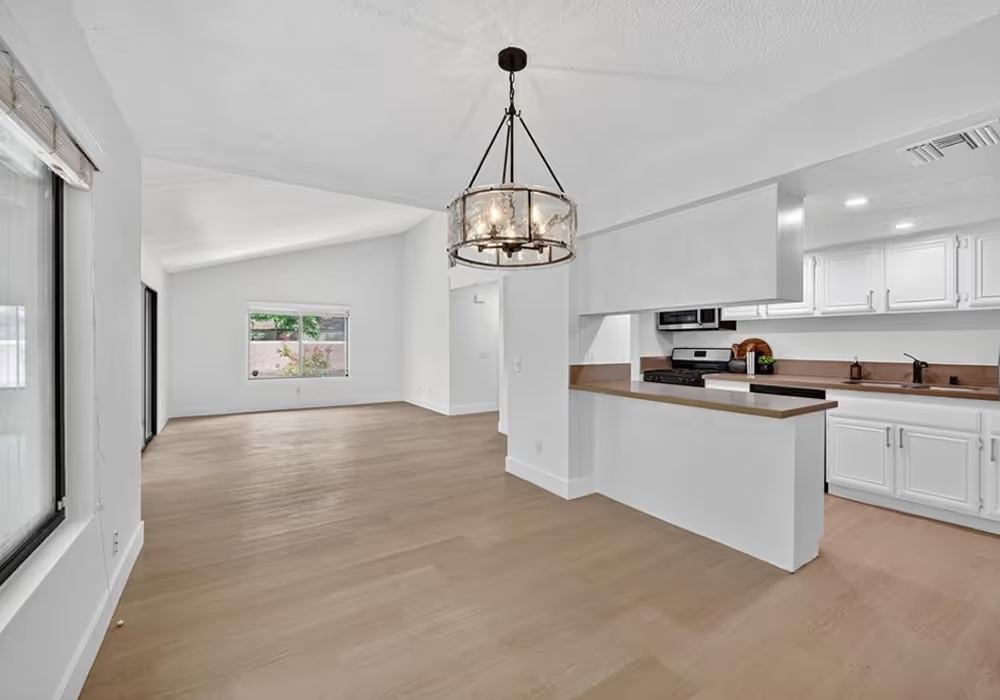
Open-concept kitchens are a long-standing trend that is expanding into refreshes for period-inspired spaces. More homeowners with Edwardian and Victorian living spaces are seeking a more modern layout. By default, Victorian and Edwardian homes often have compartmentalized kitchen, dining, and living spaces, and that reality is now crashing against modern design principles.
In many San Francisco homes, open-concept kitchen refreshes involve load-bearing walls, structural engineering, beam installation, seismic considerations, and permits.
{{cta-banner}}
Induction Cooktops Replacing Gas
Induction cooktops are a popular option for replacing gas cooktops. As San Francisco phases out natural gas, more remodels are naturally shifting to this electric alternative. In many major kitchen remodels, there won’t be a choice, either.
Custom Storage and Smarter Layouts
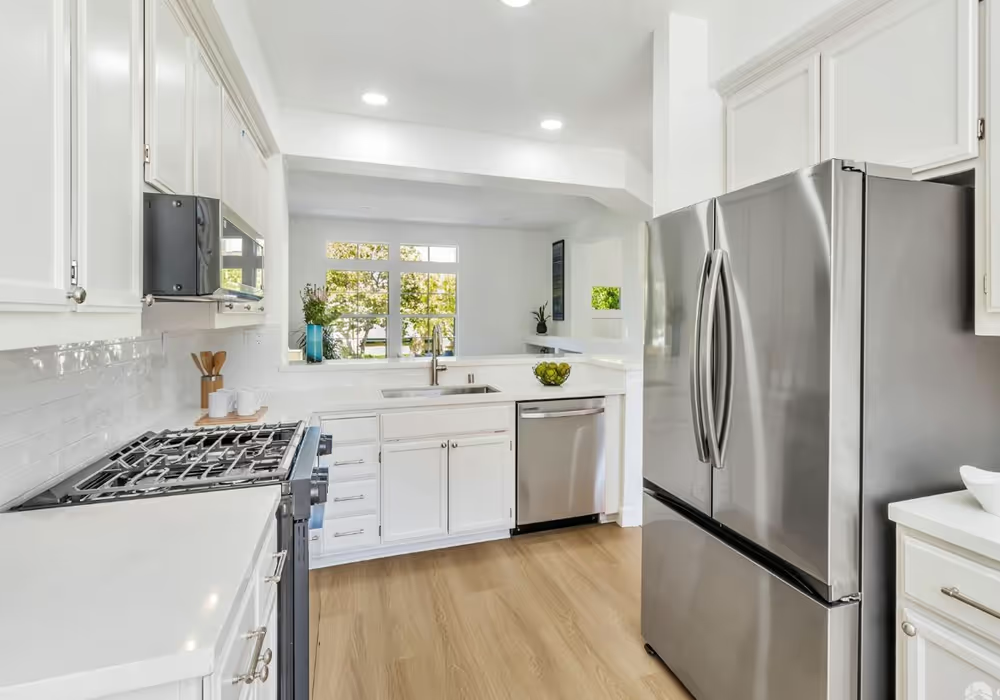
Efficient and customized storage is in demand for the typically compact kitchens found in San Francisco. According to Houzz’s 2026 study, 94% of renovated kitchens include specialty cabinet storage. In some cases, the storage specialization is very specific:
- 64% include pullout waste or recycling storage
- 55% add dedicated tray or baking-sheet storage
- 41% add spice storage
Across all remodel types on the west coast, smarter storage is increasingly valued and even expected. The smaller a kitchen is, the higher the expectations for efficient and aesthetic storage decisions that save space and allow the kitchen to feel bigger.
In cases when old kitchen footprints cannot be expanded, Bay area remodelers report more demand for:
- Deep drawers
- Pullout pantries
- Appliance garages
- Built-in waste storage
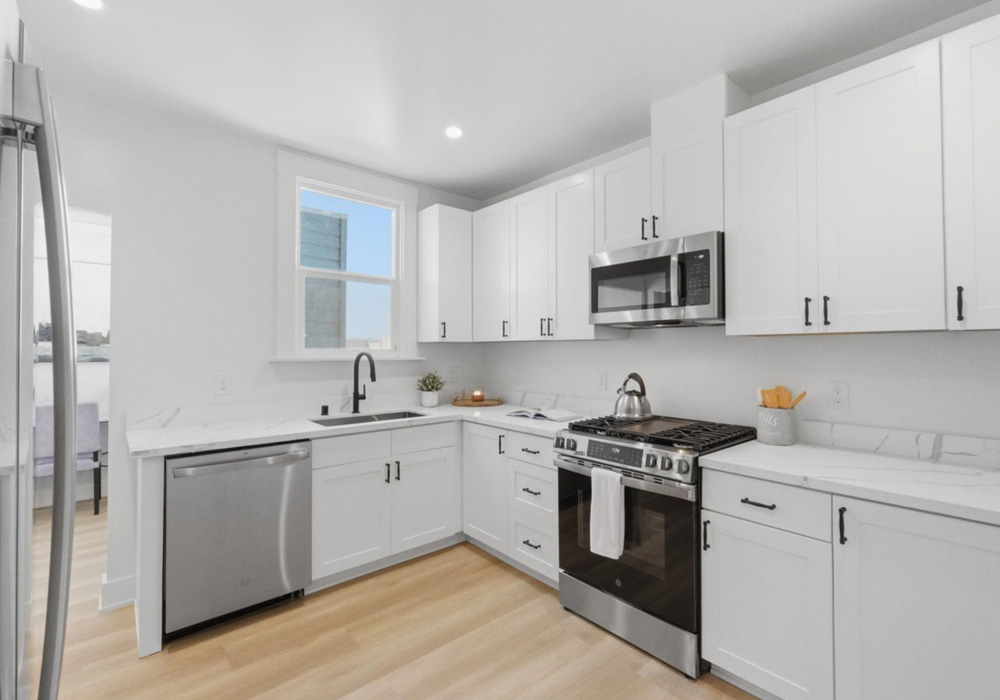
Warm Wood Cabinetry, Quartz Countertops, and Artisan Tile Backsplashes
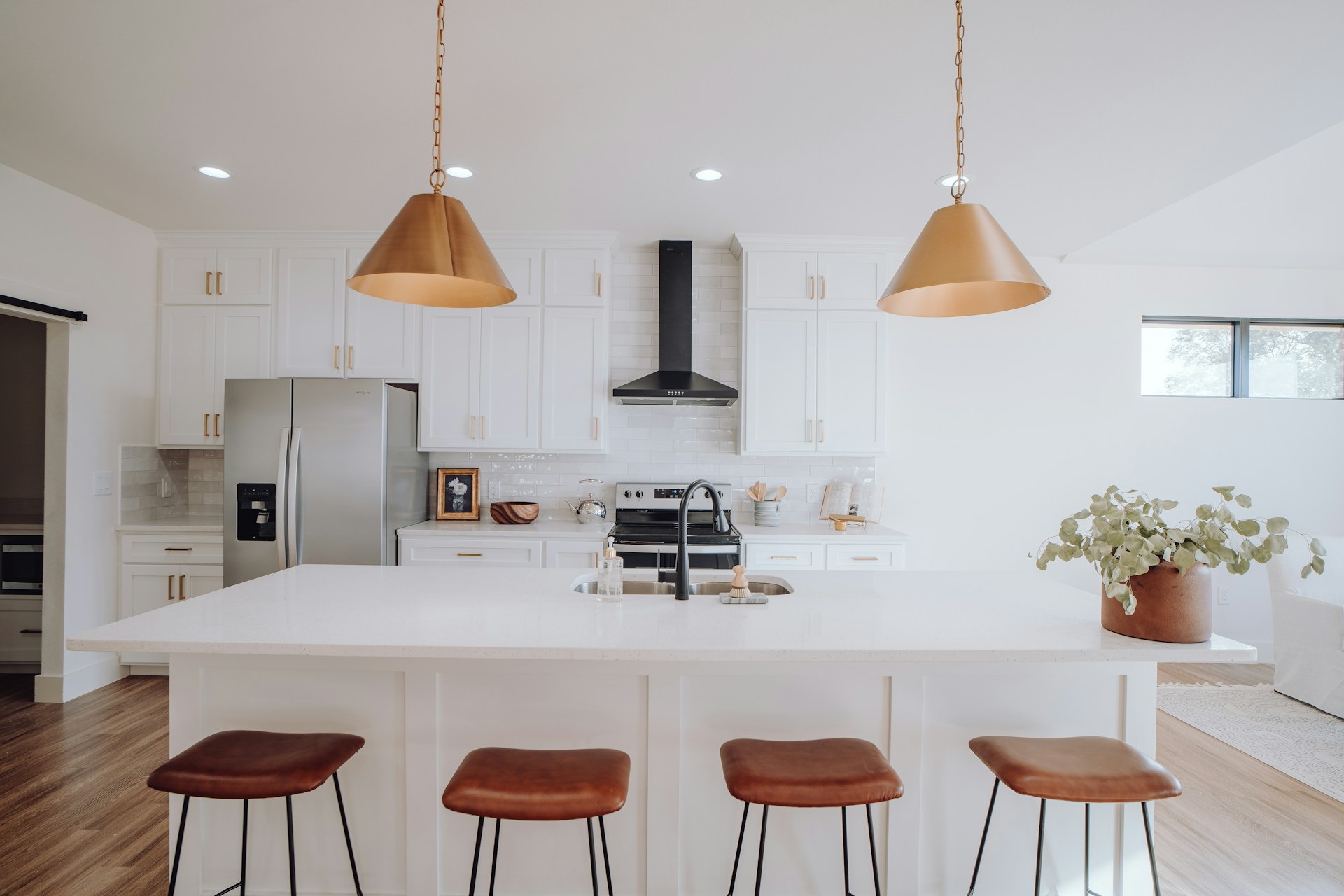
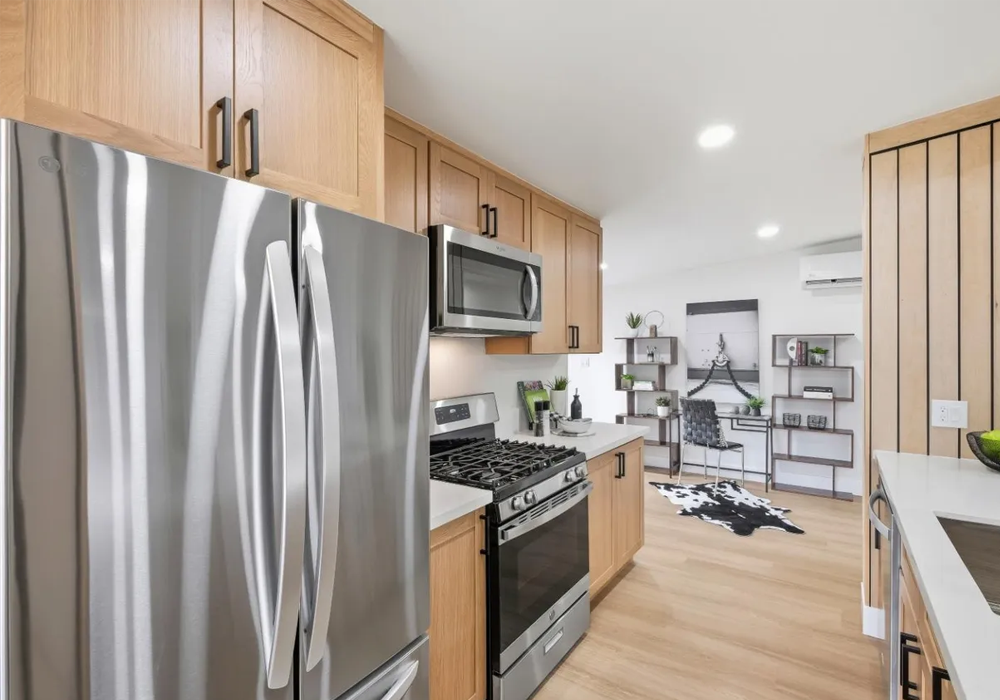
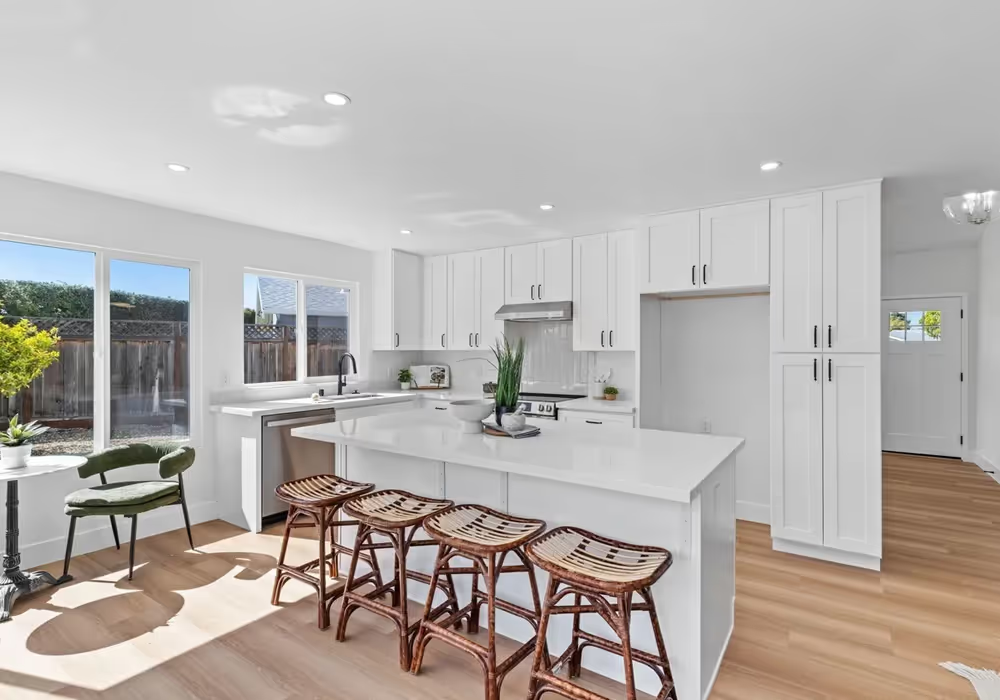
Wood is the most popular cabinet finish in 2026 according to several sources, and we’ve seen an increase in popularity in the Bay Area. However, there are also more homeowners remodeling their kitchens with the combination of warm wood tones, quartz countertops, and artisan tile backsplashes.
This shift is largely about making existing, small kitchen spaces work better. Because small condo kitchens in San Francisco are so common, storage and layout improvements are increasingly preferred. In many older apartments, expanding the kitchen area just isn’t possible.
Bathroom Trends in SF Homes
The 2026 San Francisco bathroom trends are centered around convenience, comfort, and making the bathroom work despite its size instead of making it look larger.
Spa-Inspired Primary Baths Even in Tight Victorian Footprints
Functional wellness features are among the most highly desired bathroom amenities in San Francisco and elsewhere. This demand stands strong in 2026, particularly in period-inspired bathrooms that add character. In the end character is in demand, but not at the expense of quality, wellness-centered features, starting with the bathtub.
Many SF Victorian and Edwardian bathrooms are only about 45 to 60 square feet. So, the emphasis in 2026 is on better layouts, larger showers, built-in storage, warmer materials, and upgraded fixtures.
Wet Rooms and Curbless Showers for Older Home Layouts
Wet rooms are particularly desired in small San Francisco bathrooms. These remodels combine the tub and shower into one waterproofed zone so you don’t need to divide already limited floor space. 13% of upgraded bathrooms in the Houzz report include a wet-room configuration.
Different industry surveys from the last few years reveal wet rooms becoming an increasingly popular bathroom remodel choice. A large segment of them also prefer upgraded curbless showers.
Zellige, Fluted Tile, and Handcrafted Surfaces for Character and Texture
Tying a remodeled San Francisco bathroom together, the last major trend of 2026 is an appreciation for more complex surfaces. Specifically, handcrafted and dimensional surfaces are in higher demand in 2026.
Overall, 2026 tile collections in SF are moving away from cool-grey, minimalist finishes to warmer colors and handmade-looking tile with three-dimensional texture.
Zellige is a particularly good fit for this direction. Its irregular edges and rich color palettes add texture and character, making it a standalone 2026 trend.
Structural and Systems Trends
San Francisco has some specific requirements and updates that are changing the direction of recent remodeling projects.
Seismic Upgrades Remain Important in Vulnerable Older Homes
Seismic maintenance is still an ongoing consideration into 2026. Many modern remodels expose structural appeal weaknesses. During inspections or demolition, you may discover structural weaknesses or the need to alter load-bearing areas.
Serious upgrades like these are more often necessary when retrofitting specific older properties. For example, San Francisco's mandatory soft-story program targeted vulnerable wood-frame multifamily buildings, not just all older homes.
In any case, if there is a seismic compliance issue that needs to be addressed, the specifics of your remodel will depend on the foundation, framing, configuration, and previous structural work.
Heat Pump Water Heaters and HVAC
Electrification is not just about restrictions, as San Francisco and other municipalities and states offer incentives as well. Electrification is a trend for both regulatory and financial reasons.
Heat pumps are able to replace gas-fired water heating or furnaces, and local incentives sometimes offset part of the upfront cost.
According to CleanPowerSF, residential customers can access these supports in 2026:
- Heat pump water heater: $1,200 in bill credits
- Heat pump HVAC: $1,200
- Combined water and space-heating heat pump: $2,400
- CARE/FERA customers: an additional $600 for qualifying heating or water-heating upgrades
Taking advantage of the shift to electric-only power is now often simply more sensible.
ADU and Garage Conversion Demand
Despite costs that are higher than most other areas of the US, ADUs and garage conversions are particularly popular in San Francisco. Given scarcity and its accompanying high costs, these kinds of living space extensions are in high demand.
According to SF Planning, San Francisco added or legalized 223 ADUs in 2025, versus 235 in 2024 and 330 in 2021. That is about a 5% year-over-year decline and 32% below 2021.
Outdoor Living and Indoor-Outdoor Connection
A large component of San Francisco’s 2026 trends is about enjoying the overall mild outdoor weather, especially during the warmer seasons.
Rooftop Decks
Rooftop decks are one of the most valued additions in San Francisco real estate. The city’s long dry season makes outdoor spaces especially valuable, with more time spent outside than in most parts of the US. The city itself averages just 0.37 inches of rain from June to September.
Rooftop decks are a worthwhile investment for personal enjoyment. However, some extra consideration is needed to ensure you don’t lose too much in terms of ROI.
Rooftop decks have decent ROIs as far as how any remodel is used to create a quick profit. But the greatest benefit comes when you remodel to stay, with your new deck still enhancing your property’s value well into the future when you decide to sell.
Side Yard and Garden Upgrades for Small-Lot Properties
Many San Francisco homes have limited backyard space, or limited space in general. Increasingly, homeowners are using whatever available space they have to create alternatives:
- Side yards
- Narrow gardens
- Patios
- Other overlooked outdoor areas
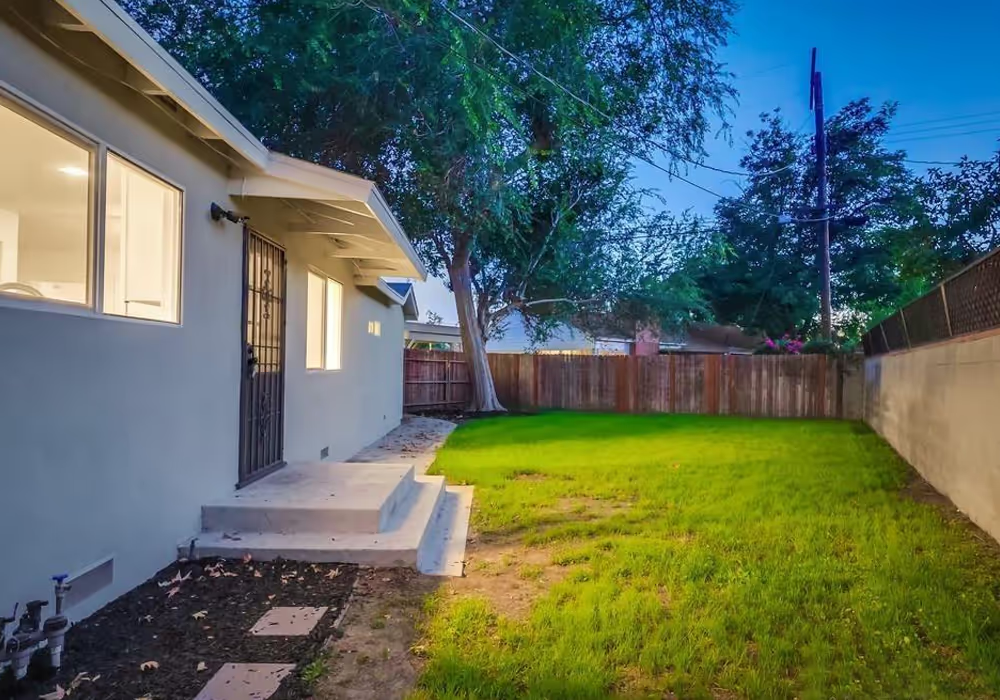
More specifically, we are seeing a trend toward useful, low-maintenance landscapes. In San Francisco, this trend just tends to lean toward smaller and more alternative approaches. For example, low-maintenance plants and landscaping are more common in 2026.
Folding Glass Doors and Pass-Through Windows
Better indoor-outdoor transitions are trending across California. In San Francisco, folding glass doors and pass-through windows are useful and increasingly common ways to open the kitchen to decks, patios, and gardens.
These additions fit into the broader recent trend of clearer, more seamless indoor-outdoor transitions. The vast majority of outdoor space renovations include lounges or seating areas, and remodeling for better indoor-outdoor transitions is increasingly common, particularly in kitchens.
Design and Finish Trends Across SF Homes
For the San Francisco housing market, the design and finish trends tend to center on modernizing homes while maintaining their character. In general, homebuyers appreciate homes that are modern with character, not homes that eliminate character for the sake of uniform modern minimalism.
Restoring Period Details in Victorian and Edwardian Homes
While kitchens are increasingly common targets, the restoration of period details isn’t restricted to just one room. Similar logic is increasingly applied to Victorian living rooms, bathrooms, and bedrooms.
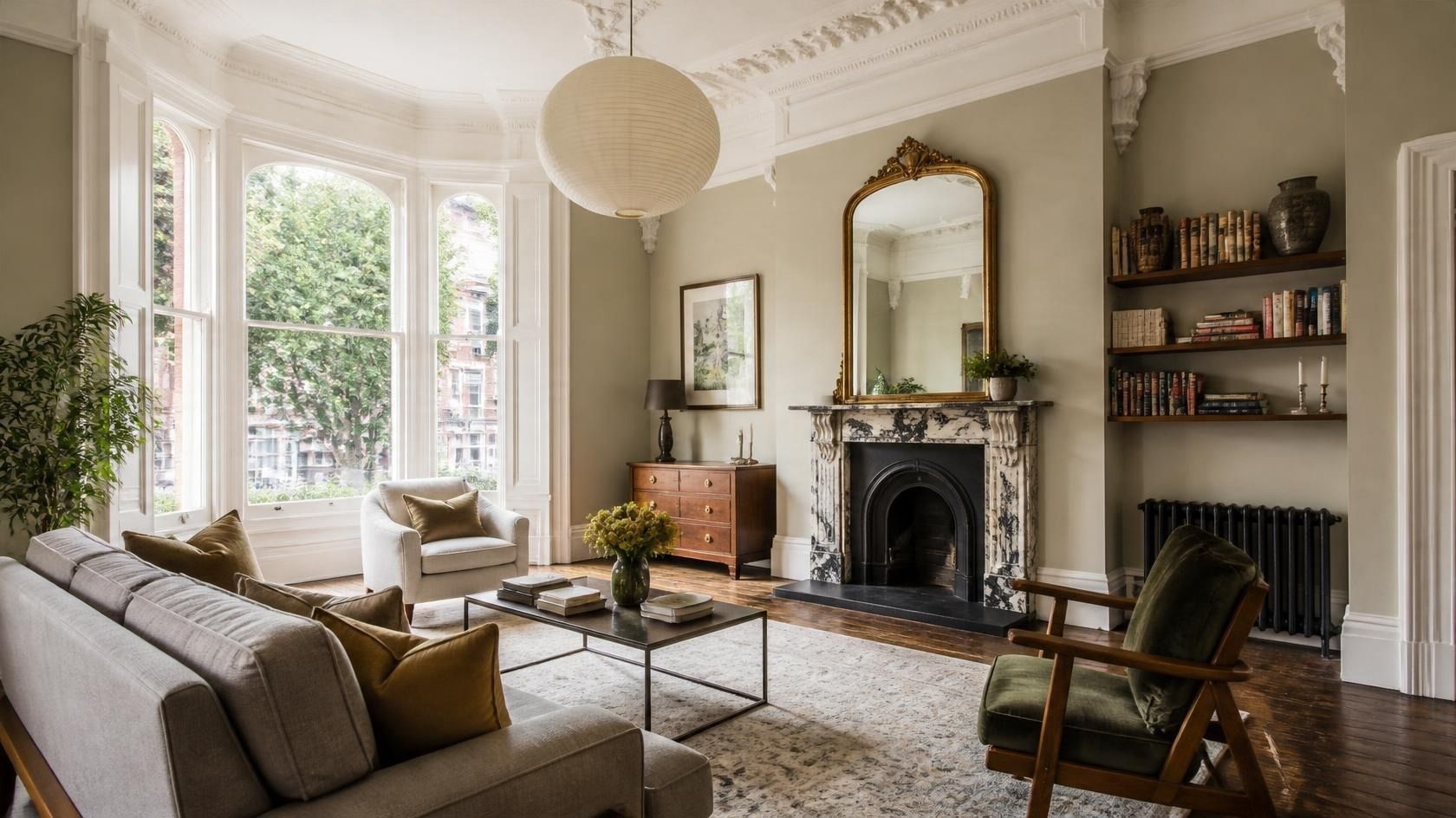
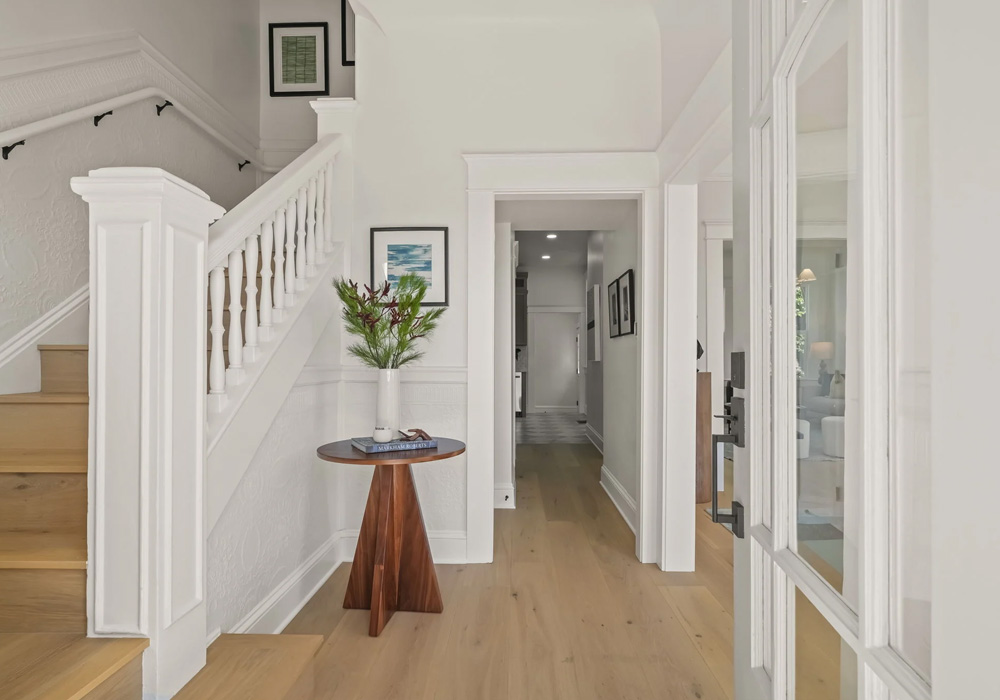
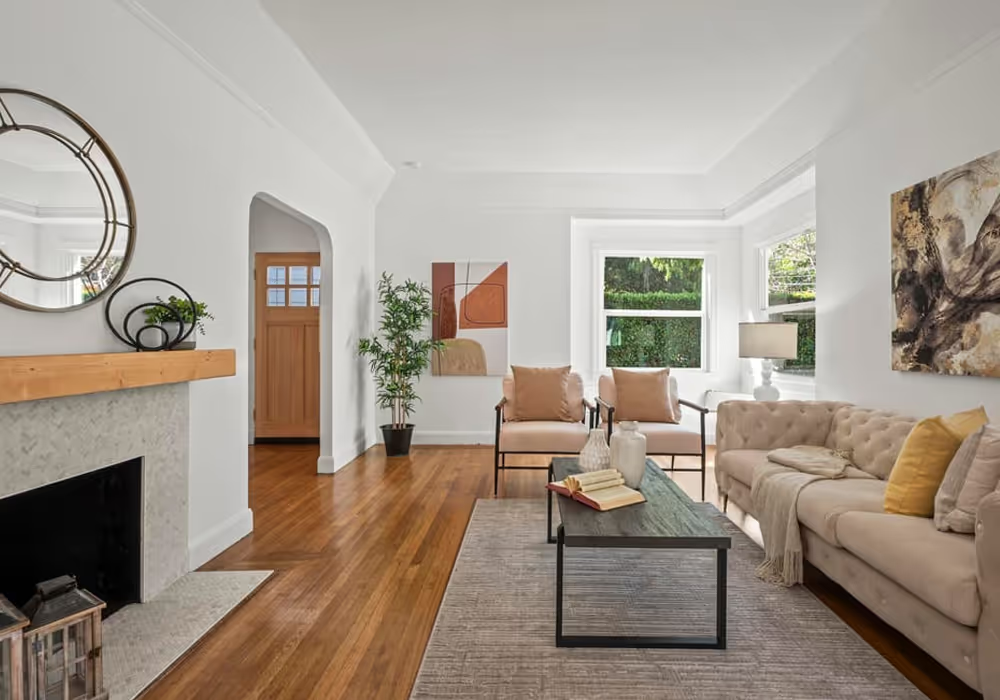
In many cases, trending period restoration means restoring original wood floors, trim, doors, casework, millwork, fireplaces, and other architectural details. You can balance your home’s sense of history while keeping the finish fresh.
Overall, the interest in original architectural elements is increasing. That means it’s worth considering how to thoughtfully maintain or insert vintage pieces, natural materials, and handcrafted finishes.
It’s essentially a balance between aesthetic preservation and modern efficiency.
Sustainable and Low-VOC Materials
Environmental, wellness, and health concerns continue to dominate many California real estate markets in 2026.
Sustainable materials are preferred by a majority of young homeowners, and searches for "sustainable" increased 42% year over year on Houzz.
When it comes to paints, the use of low-emitting materials is also a building-standard issue rather than simply a design trend.
From Stark Minimalism Toward More Personal Interiors
The appreciation for quality materials is increasingly tied to finer details and layered design. The trend is less about maximalism or minimalism and more about thoughtful focal pieces and layered interior design.
Natural stone, warm woods, artisan plaster, aged metals, and handcrafted tile can all fit into a more personal but balanced direction.
How Revive Helps SF Homeowners Remodel Strategically in 2026
At Revive, we understand that the best remodel is seldom the biggest one or the most complex. That’s why we help homeowners identify which improvements are worth making in terms of their own stated goals, such as improving ROI, maintaining value, and enhancing their lifestyle.
We help you pinpoint which improvements are worth making, where to avoid overspending, and how to align your renovation decisions with:
- Your home’s condition
- Buyer expectations
- Potential value
Pre-Sale Projects That Align With What SF Buyers Are Paying For
At Revive, we help homeowners with pre-sale improvements that have been shown to strengthen results on the market. We avoid over-renovating and grand strategies that add risk and reduce potential returns.
With Renovate to Sell, Revive helps define the right scope, manage design and execution, and complete renovations with no upfront cost passed on to you.
How much is your home's worth?
Get your personalized estimate today.













I’m a dedicated professional with over 8 years of experience in real estate, helping clients navigate the market with confidence and clarity. I take pride in building strong relationships and guiding people through each step of the process with transparency, responsiveness, and a a client-focused approach. Outside of work, I enjoy spending time with my wife and two kids, staying active, and being outdoors.