Understanding recent trends can help you keep up with short-term resale opportunities while keeping track of the mood of the real estate market.
Minimalism has shaped interiors for years, but recent trends have moved in two directions. Warm minimalism remains popular, while more homeowners are embracing color, pattern, antiques, and personality-driven design.
Modern Victorian living rooms sit between both of these approaches. They offer warmth and restraint, but with some romance and character. Here, we present the most comprehensive guide to the Victorian living room that you can find online.
Why Victorian Design Is Having a Moment Again
The Victorian-inspired living room trend started gaining attention across the US alongside the revival of maximalism. The maximalist movement is not about recreating historical experiences. Instead, Victorian design is one of several long-term design trends with a historical interest:
- Victorian
- Farmhouse
- Industrial
- Bohemian
- Transitional
- Other highly visual styles
In the current environment, some homeowners are showing a greater interest in richer colors and patterns, with better craftsmanship. Many are demanding even more, including ornate architectural detail and antiques. They want rooms that feel crafted instead of staged. The interest is in visible effort and personality-driven interiors.
Victorian design naturally fits in with these demands with its:
- Jewel tones
- Carved wood
- Fireplaces
- Moldings
- Velvet
- Ornate lighting
- Decorative objects
So, the modern Victorian interior design trend is a restrained version of the nineteenth-century living room. A typical modern Victorian living room introduces a few strong Victorian elements without giving up on modern comforts.
If you look at real upper-class Victorian-era living rooms, you will notice that while they had immense character, they were dark relative to modern homes. That’s where modern Victorian design differs, maintaining:
- Contemporary comfort
- Practical layouts
- Simple backgrounds
- Some negative space
So, tradition and character intersect with comfort, accessibility, and elements of warm minimalism. The modern Victorian living room is not dark, cramped, or stuffy; it is modern but with extra inspiration.
From Minimalism to More Expressive Interiors: Where Victorian Design Fits
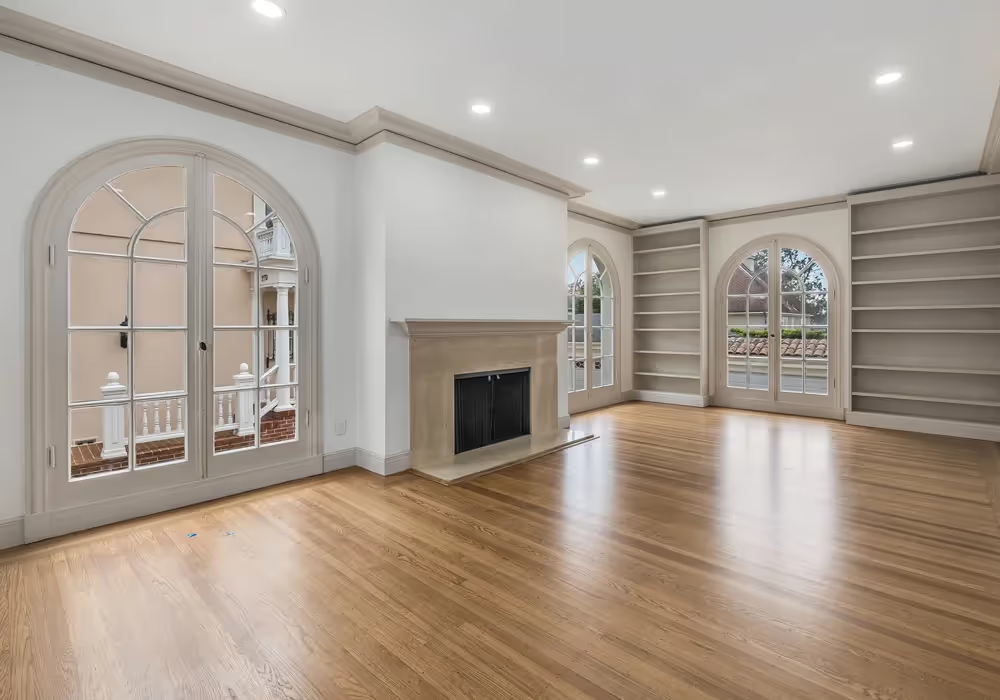
Minimalism continues to exist and shape interior design decisions, including when more expressive design strategies are chosen. Warm and comfortable minimalism still maintains the broadest market appeal. Now, minimalism simply coexists with colored, layered, and historically influenced interiors.
What homebuyers and homeowners are reacting to, specifically, is empty, impersonal spaces with repetitive palettes and mass-produced furniture sets. Interiors like this, designed for resale, have a specific purpose, but to some homeowners they leave much to be desired.
Instead, modern Victorian design fits into this space by complementing minimalist design principles with:
- Deeper colors
- Mixed patterns
- Antiques and vintage pieces
- Natural and substantial materials
- Visible craftsmanship
- Rooms that appear collected gradually
- Personal art and meaningful objects
Instead of indiscriminate maximalism, designers are putting together elements that add character and a sense of distinctiveness without sacrificing common homebuyer expectations. So, a Victorian living room design will often include elements like:
- A dark wall color in an otherwise simple room
- One carved antique cabinet
- A Victorian-style fireplace surround
- Patterned curtains or wallpaper
- A tufted velvet chair beside a contemporary sofa
"Quiet Luxury" vs. Victorian Grandeur: Closer Than You Think
The goal of this traditional and modern fusion is “quiet luxury.” Designers normally aim for subtle, calm, and restrained living rooms. It’s not quite the colorful, decorative, and elaborate traditional Victorian living room portrayed in the arts and media.
Quiet luxury is communicated through craftsmanship, thoughtful choices, and authenticity. It’s part of a design philosophy that rejects deliberate boldness and surface-level thinking and opts for subtle and long-lasting design choices.
The modern Victorian design trend fits into this framework with choices such as:
- Carved hardwood rather than imitation wood
- Real stone or tile around fireplaces
- Detailed upholstery
- Handcrafted moldings
- Well-made curtains and rugs
- Furniture intended to last for generations
In some cases, designers make choices that blend economic thinking and modern minimalism with Victorian grandeur:
- A carved wood mantel against simple plaster walls
- One gilded mirror above a restrained fireplace
- A high-quality velvet sofa with minimal surrounding furniture
- Traditional molding paired with contemporary lighting
- An antique table alongside a clean-lined modern sofa
The Core Elements of Victorian Style
Victorian style is defined by a logical and layered plan where each layer complements the others. A Victorian living room is normally defined by a mix of saturated color, architectural ornaments, a large fireplace, noticeable upholstered furniture, patterned textiles, and decorative lighting.
A great Victorian living room does not need a full checklist of “required” features. Even one or two thoughtful and authentic features can establish a Victorian style. What matters is balance and character, with Victorian design itself including several styles revived at once, rather than one rigid blueprint.
In this section, we cover the core elements of Victorian living room design and how you can implement it in your own living room remodel.
Rich, Dark Color Palettes: Deep Green, Burgundy, Navy, and Jewel Tones
Saturated colors are the core of Victorian living room surfaces. They create the depth associated with Victorian rooms.
First, designers start with the main palette:
- Forest and emerald green
- Burgundy, oxblood, and ruby
- Navy and midnight blue
- Plum, aubergine, and amethyst
- Warm brown, brass, and gold accents
This palette works because it complements common Victorian living room materials:
- Dark wood
- Velvet and brocade
- Gilded frames
- Brass lighting
- Marble and patterned tile
Keep in mind that while Victorian design is often dark, it doesn’t always have to be, especially in modern living room design. The palette should depend on the age of the house, period, and revival style.
To implement the right palette for your new Victorian living room, remember these steps:
- Paint the entire room for an immersive effect
- Use one saturated feature wall
- Apply dark color below a chair rail or within wall paneling
- Introduce jewel tones through curtains, rugs, seating, and artwork
If you do choose particularly dark colors, you can apply some other practices to balance modern Victorianism and minimalism. Layered lighting is both a good method for this and an important expectation for a modern home. Most modern Victorian living rooms include cream, warm white, or pale stone as a contrast to the mainly dark aesthetic.
Ornate Architectural Details: Moldings, Wainscoting, and Ceiling Medallions
Furniture and paint jobs are important, but it takes architectural details to really give a living room its Victorian character.
Nailing this part of a Victorian living room remodel means ensuring the essential features are included.
Crown molding and decorative cornices frame a living room and create ornate transitions between surfaces. Alongside that, picture rails, chair rails, and dado rails protect your walls, divide colors, and allow you to hang artwork. These are the features that divide space and set the groundwork for visual depth.
Wainscoting adds depth and structure to plain walls, with wall paneling both enhancing style and protecting the walls. The right choice in paneling can also improve sound and temperature insulation.
Ceiling medallions or ceiling roses make up another important, fine detail of Victorian living rooms.
Lastly, consider touching up the doors and windows with decorative trims and using more traditional architectural support like corbels, arches, and carved brackets.
What if I Only Have a Smaller Living Room?
Some architectural features can feel imposing or oversized when constructed unthoughtfully in a small space. But there are a few options that are more likely to work well:
- Applied molding grids
- Lightweight ceiling medallions
- Narrow picture rails
- Paneled accent walls
- Contrasting paint on existing trim
The Fireplace as Focal Point: Carved Mantelpieces and Decorative Surrounds
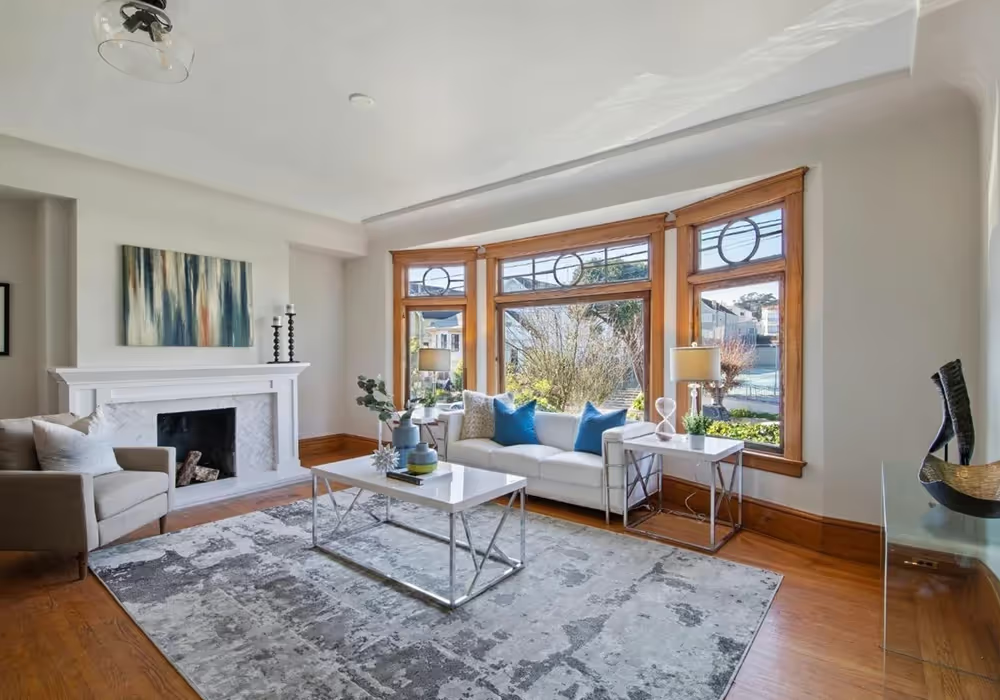
The fireplace is a necessary central focal point in Victorian living rooms of any era. Victorian fireplaces come with a unique design philosophy and appearance.
Most Victorian fireplaces are more of a “period piece” than other elements of modern Victorian living rooms. Carved wood or stone mantelpieces are still commonly used. Other useful Victorian fireplace features include:
- Marble, slate, or tiled surrounds
- Cast-iron inserts
- Patterned ceramic tiles
- Decorative grates and screens
- Mirrors or artwork above the mantel
It can be particularly difficult and expensive to pull off a strong Victorian fireplace, but there are often choices you can make that are less expensive and difficult.
Whenever possible, restoring and remodeling an existing fireplace is ideal. But preserving a non-working fireplace as a visual feature, while less enjoyable, can often be a high-ROI decision.
A good example would be to update a modern fireplace setup with tile, color, trim, and a new mantel. Try to leave the area around the fireplace uncluttered to not distract from it. A mirror placed above it will often suffice. Some simple decorative elements can often work well when the layout allows them to:
- Decorative logs
- Candles
- A cast-iron insert
- Patterned tile
- A painted or wallpapered recess
If the room has no fireplace or reasonable ability to add one, you will need another strong living room focal point.
Plush Upholstery
Upholstered furniture is what creates the soft, comfortable, and heavy visual weight of the modern Victorian living room. Similarly to the historic source material, modern Victorian living rooms aren’t complete without a mix of velvet, brocade, tufted sofas, and high-back chairs.
There are a few defining characteristics of Victorian plush upholstery:
- Curved silhouettes
- Deep button tufting
- High or rounded backs
- Rolled arms
- Carved exposed frames
- Fringe
- Piping
- Tassels
- Decorative trim
For the furniture itself, Victorian layouts have a logical order that creates their characteristic depth.
First, velvet is what creates the softness and rich color depth that sets the space’s mood. Brocade uses raised woven patterns, creating a more formal appearance. Damask introduces reversible floral or scrolling patterns. Tufting creates repeated depressions, often secured with buttons.
It makes the most sense to start with a single, dominant piece. A tufted velvet sofa is a safe option. But in smaller spaces you can also use a carved high-back chair, a patterned chaise, or a large upholstered footstool.
Selective layering of these elements is what creates the ideal final presentation. As always, scale is more important than other aspects of your choices. Large furniture can overwhelm a small room, and it’s always best to have some negative space in both modern and Victorian living rooms.
Victorian Living Room Color Ideas
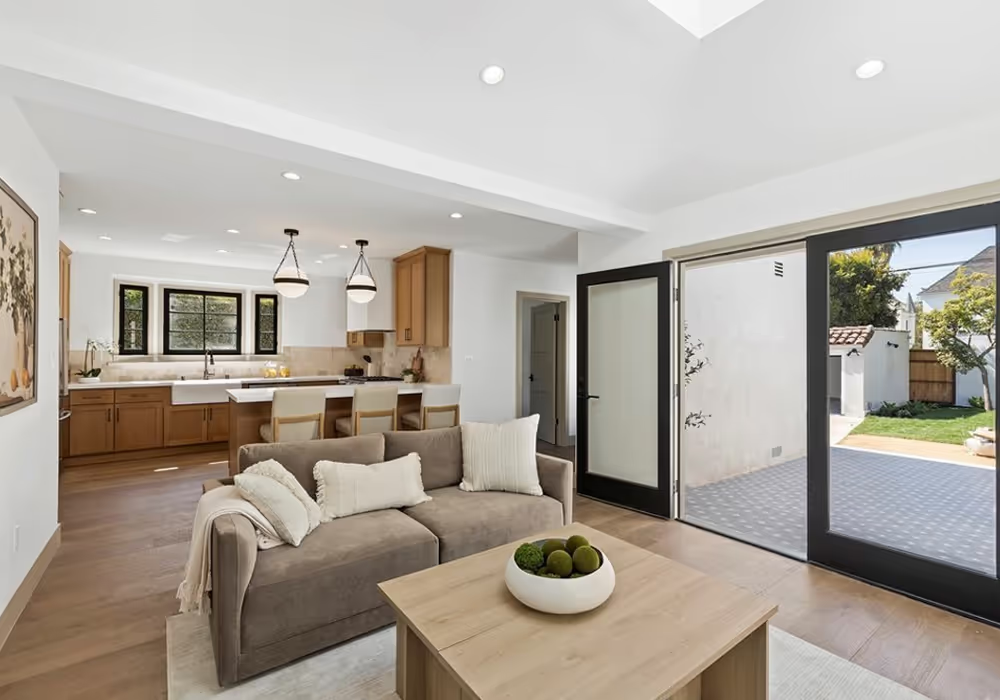
A living room’s color scheme determines the overall emotion of the room. A few differences in the palette can make the difference between historically dramatic, softly romantic, or distinctly modern.
Let’s go over the color ideas that can put your living room decidedly in Victorian territory.
Classic Dark Palettes
Victorian-inspired palettes can range from saturated jewel tones to pale, decorative schemes. However, the traditional and modern Victorian living room is more often associated with darker palettes.
Forest green, midnight blue, deep burgundy, plum, and warm brown are the most dependable Victorian color palette foundations. These dark colors naturally complement the room’s dark wood, velvet, brass, marble, and patterned rugs.
The way to pull off the classic, dark, Victorian living room is to:
- Choose one dominant wall color
- Repeat the dominant color in smaller textiles and decorations
- Keep the palette intimate and sophisticated, avoid gloomy results
- Apply warm lighting and reflective surfaces for balance
Lighter Victorian Takes
Lighter palettes are more accepted in most modern interior design. They also work better in small living rooms or spaces with less natural light. While less traditionally Victorian, light color palettes can maintain the core values of Victorian design in a way that combines character with modern design preferences.
The goal of light Victorian design is to preserve Victorian romance and decoration without the visual weight of more traditional dark walls with combinations like:
- Sage, cream, and warm wood
- Lavender, ivory, and antique brass
- Dusty rose, pale green, and gold
After grounding design in a color palette, designers use pattern, molding, carved furniture, and textiles to retain character in these more restrained Victorian living rooms. Muted, complex shades work better than bright pastels that may feel immature.
The Victorian Dark Green Living Room
Victorian dark green is one of the most prominent movements in modern Victorian living room design.
Dark green Victorianism works well in a few common situations. It complements antique wood, botanical backgrounds, and historic interiors. Dark green also works well with common Victorian design elements like brass, gold, marble, velvet, and floral textiles.
There are a few dark green options, not just a one-size-fits-all option. Forest green can be used to create depth. Emerald creates more drama and life. Dark sage offers a softer and earthier look.
In general, dark green palettes bridge the traditional and modern Victorian living rooms. They preserve the traditional aesthetic while leaving room for modern design choices.
How to Balance Bold Walls Without Overwhelming the Room
Bold walls are meant to serve as the background. They should not compete with statement pieces for attention.
To balance bold walls, you can use:
- Cream ceilings or upholstery
- Warm wood
- Pale stone
- Glass, mirrors, and metallic details
Again, layered lighting can save the day. Use it so that dark corners don’t produce a flat feeling across the room. While doing that, you can use the wall color elsewhere, such as in rugs, curtains, artwork, or sofa pillows.
Furniture and Layout for a Victorian Living Room
The next step of Victorian layering is a furniture layout with thoughtful variation. Victorian living rooms employ furniture that varies in shape, height, material, and purpose. Some pieces are meant to be focal points, while others play supporting roles.
Here, we cover how designers arrange living room spaces and how they use distance and emptiness for Victorian perspective.
Carved Wood Furniture, Curved Silhouettes, and Tufted Upholstery
Most Americans can already imagine a typical “Victorian” furniture piece. Think carved wood, especially in dark or medium tones, with carved details and turned legs. This recognizable look should be consistent through all seating and legrests in the room’s focal point to maintain the Victorian aesthetic. In brighter-themed rooms, more modern furniture can be placed outside the focal point.
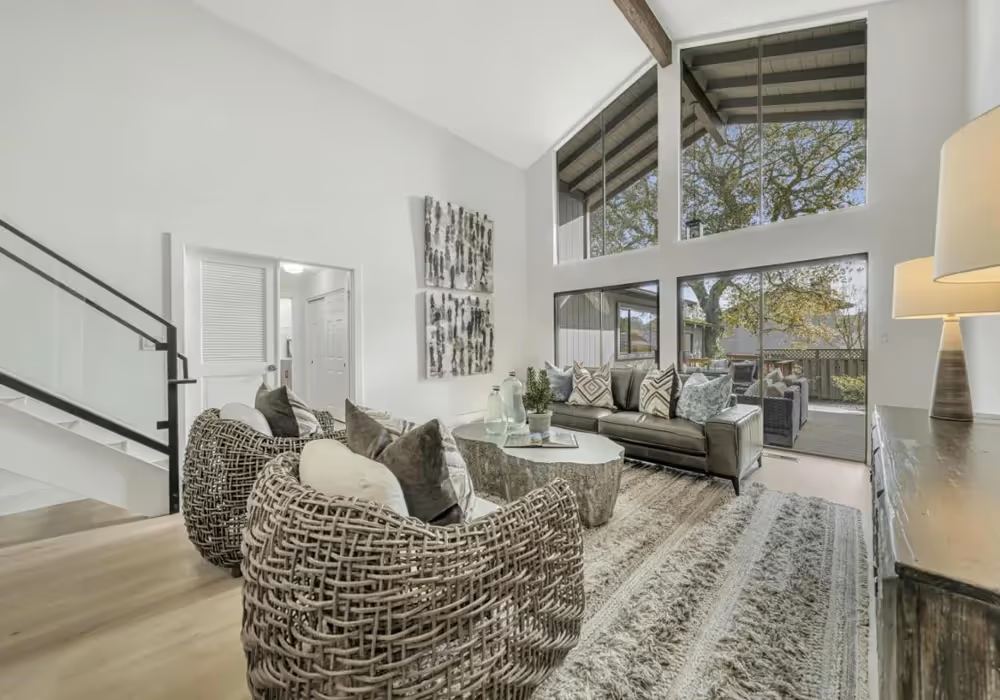
For core furniture, the best approach is the consistent use of a good material of your choice:
- Oak
- Walnut
- Mahogany
- Rosewood-inspired finishes
Tufted upholstery, velvet, and patterned fabrics are added to soften the edges of carved furniture. It’s an unavoidable element of the classic or modern Victorian living room.
One good way to approach Victorian furniture is to choose one or two period-inspired pieces. You don’t need an entire matching set. What’s more important is a focal point, one main piece. Large carved furniture is the best option when your living room has enough space, including ceiling height and low visual clutter.
It’s important to leave open space and maintain a feeling of openness.
Layering Seating: Sofas, Chaises, Footstools, and Accent Chairs
Designers apply layering in all design philosophies. With Victorian living rooms, it is an important part of creating a comfortable arrangement.
Use this simple layering system for reference:
- Primary seating: Start with a sofa or settee.
- Secondary seating: Add a chaise or one or two accent chairs.
- Flexible seating: Include a footstool, ottoman, or small upholstered bench.
- Visual balance: Vary the height, shape, and upholstery of each piece.
- Clear movement: Arrange seating around the fireplace or conversation area and maintain a lot of open space.
Table Placement and Layering
Smaller tables better support layering and thoughtful ornament placement. Certain table materials connect naturally with the fireplaces, gilded mirrors, and traditional lighting. Victorian living room tables are places for lamps, books, drinks, and decorative objects.
The modern Victorian-inspired options are:
- Nesting tables
- Ornate side tables
- Carved pedestal tables
- Marble-topped side tables
- Small occasional tables with turned legs
Many Victorian setups include several tables of different heights to add character and perspective to the room. For example, mix one ornate table with simpler pieces rather than repeating elaborate designs everywhere.
Victorian Furniture in a Modern Home
Victorian furniture can fit in a modern home as long as it’s mixed well and looks natural, not like a costume.
An easy way to approach furniture choices and layouts is by starting with contrast. Modern Victorian layouts aren’t imitations of a past era. They often pair antique or ornate furniture with simple walls, clean-lined upholstery, and contemporary lighting.
Choose a Victorian piece as a central focal point, then limit the number of additional strongly Victorian pieces. This approach creates layering which makes every piece feel more intentional. Period pieces can be mixed according to shared qualities like color, wood tone, and fabric.
You should do fine if you simply remember that the end goal is a room that feels collected over time, not a ready-made Victorian-themed living room.
Textiles, Patterns, and Decorative Layers
The dramatic impression of Victorian living rooms is created through layering, with key architectural details connecting furniture and structure.
These are the keys to dramatic layering.
Heavy Drapes: Floor-to-Ceiling Curtains in Velvet or Patterned Fabric
Victorian drapes are heavy, substantial, thick, soft, and dramatic. To get this Victorian layer right, you have to connect your drape color and material with the furniture and decorative objects in the room.
To start, first choose the material you want to use. The common Victorian choices:
- Velvet
- Damask
- Brocade
- Heavy linen
- Patterned fabric for a lighter modern interpretation
Floor-to-ceiling drape installations make the living room look bigger and more formal. To take it a step further, many designers add layered treatments like curtains over sheers. If you simply repeat the curtain colors and/or patterns elsewhere, in a way that adds cohesion, heavy drapes should neatly tie the room together.
Persian and Oriental Rugs as the Room's Foundation
Next, an equally important part of staging a Victorian living room is centering with a patterned rug. The rug is traditionally the focal point of the seating arrangement, introducing multiple colors to the layout.
Persian-style or other traditional Oriental rugs naturally pair well with carved wood, velvet, and dark wall colors. So, try pulling secondary colors from the rug into:
- Upholstery
- Curtains
- Pillows
- Artwork
When it comes to size, choose a rug that is at least long enough for the front legs of the main furniture to sit on it.
Fitting a universal “Victorian” standard is less important than compatibility. As with every other aspect, coordination with the rest of the decorative elements is crucial.
Throw Pillows, Fringe, Tassels, and Layered Textiles
It is also typical of traditional and modern Victorian design to use smaller textiles for layering and balancing out the existing furniture layout.
The smaller elements that best add a layer within the furniture are normally small, thoughtful additions:
- Velvet or patterned pillows
- Fringe and tassels
- Decorative trims
- Throws
- Embroidered fabrics
The key is to mix textures in a way that adds an attractive layer, rather than trying to max every fabric. This is another layer where repeating two or three main colors across different textiles normally adds the layered appearance, without adding raw weight to the room.
Damask Wallpaper and Textured Wall Treatments
Damask, floral, botanical, or scrolling patterns are classic Victorian-inspired wallpapers. Your choice in wallpaper or wall treatment is another choice that will either set the dominant background feature or simply add a subtle layer behind molding, artwork, and furniture. You can use wallpaper and textures at either end of the Victorian layering spectrum.
Modern Victorian living rooms typically use more restrained designs:
- Wallpapering just one wall
- Placement above wainscoting
- A low-contrast or tone-on-tone pattern
- Textured grasscloth or decorative plaster for character without a strong print
Authentic and classic Victorian interiors often layer patterns very heavily. However, more modern interpretations usually edit this down for a calmer result. In either case, the patterns should be coordinated with upholstery and rugs to keep all three layers coherent.
Lighting and Decorative Accents That Complete the Look
Lighting and accents are the final Victorian layer, providing the final touches of character. Lighting decorations are often ornate or elaborate, with lights reinforcing the color, architecture, and furniture choices.
Crystal Chandeliers and Statement Ceiling Fixtures
Ceiling fixtures or chandeliers finish a room, especially in rooms with high ceilings. Some of the best options for Victorian living rooms include:
- Crystal chandeliers
- Brass or bronze fixtures
- Decorative glass pendants
- Period-inspired multi-arm lights
After you choose a fixture type that matches the rest of the living room’s design, the key is scale. Match the fixture’s scale to the room. Oversized lighting will overwhelm a small space, and in most modern Victorian living rooms a traditional fixture can work well against simpler walls and furniture.
In more elaborately designed rooms, some designers pair overhead lighting with sconces, table lamps, and floor lamps for a warmer layered effect.
Gilded Mirrors, Gilt Frames, and Ornate Reflective Surfaces
Gilded or carved mirrors add to an ornate Victorian setup while reflecting more light. The classic, or modern, Victorian layout places gilded mirrors above a console or cabinet, between tall windows, or occasionally above fireplaces.
Depending on the furniture and textiles, some metallic finishes may work better than others. Gold, brass, and other aged metallic finishes pair well with dark greens, burgundy, navy, and warm woods.
In terms of size, size is better than quantity for Victorianism. One large and ornate mirror will have more impact than a few smaller mirrors. In many small and modern Victorian living rooms, the mirror can be the main Victorian statement.
Gallery Walls: Family Portraits, Fine Art, and Decorative Molding Frames
Gallery walls are an optional addition that is influenced by some historic Victorian rooms, but are often presented in a modern way.
Many modern Victorian living rooms include features like:
- Portraits
- Landscapes
- Botanical prints
- Family photographs
- Small decorative artworks
To keep with the Victorian tradition, try using frames in various shapes and sizes, while repeating one or just a few of the same materials.
Decorative Objects: Clocks, Figurines, Candelabras, and Curios
Lastly, some final accessories will make any Victorian room feel more intricately assembled. You can consider extra accessories at any time before or after a remodel.
Some examples of the classic accessories to finish a full Victorian living room include:
- Mantel clocks
- Candlesticks and candelabras
- Ceramic or porcelain figurines
- Decorative boxes
- Books
- Vases
- Small sculptures and curios
It normally works best to group objects together instead of trying to spread them evenly across every surface. A modern composition should also avoid becoming too broad; accessories should be spread out and thoughtfully arranged.
Modern Victorian: How to Update the Aesthetic for Today
There’s no way around dealing with the fact that it is difficult to revive a dated design philosophy and make it work in a modern home designed for modern homebuyers. It’s not impossible, or even difficult, but it requires a balance which in turn requires thoughtfulness to maintain.
The best way to make modern Victorian living room design work is with a few checklists.
Mixing Antique and Contemporary Pieces Without Clashing
- Avoid buying a full matching set.
- Start with a primary style from which you can layer in the other.
- Match pieces through characteristic differences.
- Pair ornate furniture with simpler modern pieces.
- Repeat one or two shared details so the mix feels intentional.
Keeping One or Two Victorian Statements Against a Modern Backdrop
First, choose your strongest feature in the entire living room. This can be anything from the fireplace to a statement chandelier.
Plan in a way that keeps the surrounding walls and furniture simpler to add a touch of modern minimalism. For this to work, the statement piece needs enough empty space to stand out.
Lastly, echo the statement piece’s color or material once or twice elsewhere in the room.
When to Restrain: The Risk of Going Too Far
There are a few rules to follow to avoid the trap of going too far with a Victorian living room remodel:
- Stop adding pieces when several elements begin competing for attention.
- Limit the number of strong patterns in one small area.
- Avoid overdecorating all surfaces, leave some empty surface space on walls and the furniture.
- Prioritize quality over quantity.
- Remove anything that makes the room feel themed rather than lived-in.
Victorian Living Room Ideas and Home Value
Victorian inspiration has been adding character to modern living rooms by blending historical character with sound modern design principles. That means in many cases, you strike a balance between character and personalization on one side, and resale reliability on the other.
The best resale approach is usually to preserve valuable architectural character while keeping the overall room functional, comfortable, and adaptable.
How much is your home's worth?
Get your personalized estimate today.



Amanda Steele, a Sales Expert at Revive, previously a Realtor with Berkshire Hathaway, excels in real estate knowledge and customer service. Her skills significantly enhance Revive's client experiences.