Blending both traditional and modern elements, the transitional style is a great choice for those who are on the fence between the two. Transitional style combines classic silhouettes with refined detailing and clean lines, and the result is contemporary simplicity. Transitional design offers clarity and flexibility, helping homeowners make smart updates that support both comfort and long-term value. This makes it an ideal approach for homeowners who want a space that works for everyday comfort while also staying appealing to future buyers.
A small living room benefits from choices that support simplicity, flow, and flexibility. Transitional design helps you do that by avoiding extremes and keeping the focus on clarity. The following ideas will help you make smart decisions that improve your daily experience in the room and strengthen the long-term potential of your home
1. Use a Light and Airy Color Palette
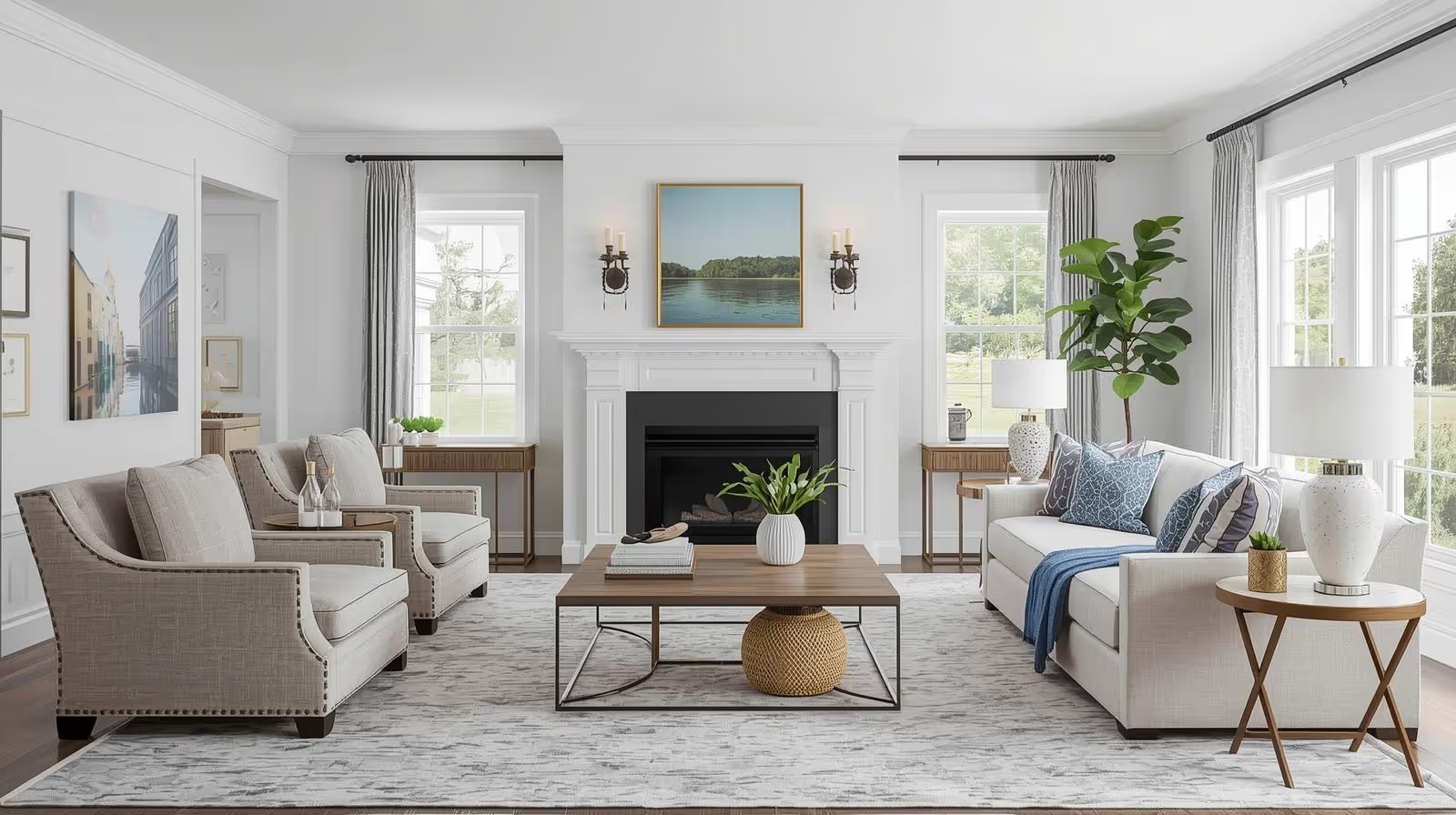
Lighter colors tend to reflect natural light, which helps a small room feel both larger and calmer. Soft neutrals, warm whites, and muted pastels are all good choices to help open up a smaller living area. Introduce cool and earth tones to help balance the light, neutral backdrop. Subtle shades such as blues, greens, and taupes work especially well alongside warm creams or beiges. A light base palette allows potential buyers to easily picture their own belongings in the room.
2. Mix Old and New Furniture
Create visual interest and add depth while maintaining a cohesive style by mixing older and newer furnishings. For example, pair traditional sofas or armchairs with modern tables and lighting. Mid-century pieces mix especially well with their contemporary counterparts. The result is a space that functions well every day and shows beautifully when you decide to sell. This approach keeps the space adaptable and helps future buyers see potential without feeling tied to a single style.
3. Add Texture with Upholstery and Decor
In a small living room, it’s key to mix fabrics to add dimension without adding clutter to an area that already serves so many functions. Layer velvet pillows with chambray throws and add in leather ottomans. Incorporate natural materials, such as rattan and reclaimed wood for added warmth, and mix in brushed metals for contrast. Introducing a variety of tactile elements breaks up uniform surfaces and reinforces the transitional blend in a small space. Texture plays a key role in warmth and comfort, which matters every day and also improves how the room photographs when you list your home.
4. Choose a Statement Coffee Table
The coffee table is often the central focus of a living area, so it’s important to choose one that is both functional and accentuates the space. When it comes to smaller living spaces, opt for glass, geometric or brass-accented tables. A see-through or sculptural design will keep the room feeling visually open and light. For smaller floor plans, keep proportions in mind and select a table with slender legs or a compact footprint so you can maintain open circulation paths around the space. This helps you enjoy the space now and also supports strong buyer impressions later.
5. Embrace Minimalist Decor
Even if you are a maximalist at heart, a small living area calls for clutter-free surfaces to enhance openness. To make the room feel more expansive, limit tabletop items so focal points, like works of art, are able to stand out. Opt for fewer but higher-impact accessories: Think sculptural vases, a standout tray or one signature bowl rather than many small objects that, together, can result in clutter. This approach benefits everyday living and reinforces a move-in ready impression for potential buyers.
6. Elevate with Wall Art
Speaking of wall art as a focal point, choose bold, abstract, or statement art pieces that help to draw the eye upward. Larger-scale pieces create a sense of verticality and reduce visual noise. Create a gallery wall that mixes vintage frames with modern prints to add personality without clutter. Mixing eras reinforces the transitional aesthetic while adding a personal touch. When art placement feels deliberate, buyers interpret the space as well cared for and easy to personalize.
7. Highlight Architectural Features
Directing attention to original character details highlights the home’s character and quality. Lighting and furniture placement can showcase features such as trim, molding, or built-ins so buyers notice the quality and care in the home. To avoid visually overwhelming the space, choose subtle decor that complements, not competes with, your home’s stand-out architectural elements.
Highlighting existing architecture also strengthens buyer appeal because it communicates craftsmanship and care. A small room with strong details often feels more memorable and valuable than a larger room without them. This helps you feel confident about your updates today and your home’s value tomorrow.
8. Opt for Multi-Functional Furniture
Multi-functional furniture is a great choice for small living spaces. Storage ottomans, nesting tables, and convertible sofas help save space and add flexibility. In small living rooms, every piece needs to serve more than one purpose. Choosing furniture that does double duty keeps clutter down and makes the room look neat and stylish.
A clean, organized room feels larger and calmer. This benefits you now and makes the home more attractive to buyers later. Multi-functional furniture also simplifies staging because you can adjust layouts without major changes.
9. Brighten with Thoughtful Lighting
Lighting is key for every space, but especially so in smaller living areas. Combine floor lamps with sconces and pendant lights to add depth. Layered lighting creates warmth and prevents shadows, which can shrink the feel of a space. Focus on illuminating key design areas such as seating zones, artwork, or shelving to guide the eye and keep the ambiance warm.
Lighting also plays an important role in listing photos. Balanced lighting ensures that the room appears inviting and open. Focusing light on seating areas or wall art adds depth and makes the layout easy to understand.
10. Add Natural Elements
Bring the outdoors inside by incorporating natural elements, such as wood tones, plants, or woven baskets for organic texture. These touches help to soften modern edges and warm up traditional forms. Nature-inspired details keep the room feeling inviting and balanced while grounding the design.
Natural decor creates a grounded feel that appeals to many buyers. Plants also add color and life without taking up much space. These simple additions improve the room’s character without adding clutter.
11. Create Visual Balance with Symmetry
Symmetry can help create a sense of order and calm, which is especially beneficial in tight spaces like small living rooms. There are several ways to accomplish this, the most common being using pairs to create cohesiveness. For example, you can flank a sofa with matching end tables or lamps, or place wall sconces on each side of a piece of wall art. Repeating elements can make the layout feel intentional and structured.
Symmetry also photographs well. When buyers view the home online, a symmetrical room looks organized and intentional, which establishes positive expectations before they step inside.
12. Incorporate Glam Accents Sparingly
Glam can be a good thing, but it’s best used in small doses, particularly in a small living area. Try adding metallics or glass without overpowering the space, such as small touches, like a brass tray or mirrored box, which can add light and interest without contributing to clutter. Strategically placed mirrors are another often underutilized design trick that can add light and perceived depth. This creates the impression of more space, which benefits both daily living and future showings.
13. Use a Cozy Rug to Anchor the Room
Rugs are a key element in tying together a space, such as making a seating area feel cohesive. They also add a sense of warmth and comfort. When choosing a rug for a small living room, select one that is appropriately sized to define a particular zone. A correctly scaled rug helps delineate a seating area and unifies the furnishings. Traditional patterns in neutral palettes add visual interest without overwhelming a compact space. A cohesive floor plan builds comfort and improves how buyers experience the room when they enter it.
14. Add Statement Seating in a Bold Fabric
Compact accent chairs are a great way to introduce color while maintaining the sophisticated feel of a transitional palette. Choose chairs with slim silhouettes to maintain balance and prevent crowding. When it comes to the upholstery, try incorporating velvet or leather in jewel tones like navy or emerald.
A well chosen accent chair also adds flexibility. It supports extra seating without crowding the room, which can make the space more functional for everyday living and more appealing during tours.
15. Blend Industrial Touches with Soft Finishes
Incorporating a few small industrial notes can give the room structure and contrast. Examples include metal legs on tables or industrial shelving. Be sure to pair these accents with soft textiles and warm lighting to avoid the room leaning too cold or utilitarian.
This balanced look supports the transitional style and helps the room feel current without relying on trends that may age quickly.
16. Include Seasonal Accent Swaps
It’s not always necessary to make major design overhauls. You can keep your core design timeless while incorporating seasonal accent swaps to maintain a fresh feeling in your small living space. Change your throw pillows, art, or small decor pieces with the seasons. Combined with neutral foundational pieces, these seasonal accents will tie in seamlessly.
This flexibility supports long-term enjoyment and helps the room stay visually appealing if you plan to list the home during different times of the year.
17. Use Wall-Mounted Shelving
When floor space is at a premium, wall-mounted shelving is an excellent solution to display decorative items vertically. Use float shelves for a clean look that fits with the transitional style. These shelves feature minimal brackets and simple lines, which help to maintain a streamlined feel.
Vertical storage is especially valuable in condos or small homes where floor space is limited. It keeps the room efficient and orderly, which benefits both daily comfort and buyer appeal.
18. Add a Traditional Gallery Wall
A gallery wall is a great way to not only create a focal point within a small living room, but it also brings a personal touch to your space: Display photos, cherished artwork, and trinkets from your travels. Combining old-world pieces within a contemporary layout reinforces the style mix. For example, use classic art or vintage photographs in an abstract, modern arrangement. To prevent the gallery wall from feeling too busy, keep frame finishes and matting consistent, which creates cohesion.
A gallery wall can also help future buyers imagine how they might personalize the space. It demonstrates that the room can support meaningful personal touches without feeling cluttered.
19. Use Simple Window Treatments
A pro tip for making small spaces feel taller and larger is to choose floor-length curtains in solid, neutral fabrics. They visually elongate the space while maintaining an understated look that works well with the transitional style. Layer the curtains with sheers for added softness and function: This combination filters light gently while providing privacy.
Simple treatments also appeal to buyers who want a space that feels easy to move into. They keep the windows looking polished and make the room feel more spacious.
20. Think Vertically to Maximize Space
Another way to draw the eye upward in a small living space is to focus on vertical lines, such as tall bookcases, high curtain rods, and vertical mirrors. This strategy compensates for the limited floor area by emphasizing height. Consider custom bookcases that reach all the way to the ceiling. For a more budget-friendly option, when hanging your curtains, position the rods so they nearly reach the ceiling for maximum coverage.
These choices also support clear organization. When items have defined vertical placement, the room feels tidy and intentional, which strengthens its appeal.
Final Takeaway
Small living rooms have tremendous potential when designed with intention. These updates give you a more comfortable space today and create a clear, open layout that future buyers understand immediately. When your living room feels functional, inviting, and easy to visualize, it builds both daily enjoyment and long-term value.
If you plan to sell in the future, transitional updates like these help more buyers picture themselves in the space, which is a powerful advantage in any market.
Connect with Revive for clear guidance on updates that help you unlock your home’s value and build long-term wealth with confidence.
How much is your home's worth?
Get your personalized estimate today.



Seasoned architect with a B. Arch from Sushant School. Formerly at Brookfield Residential and Studio Niev's founder. Kanika's blend of aesthetics and efficiency is pivotal to our production team's excellence.