HVAC plays a critical role in both daily comfort and long-term home value. It is one of the first systems that inspectors, buyers, and lenders evaluate because it impacts livability, efficiency, and ongoing costs.
Upgrading your HVAC system is an investment in the "engine" of a home. In addition to ensuring that a home is comfortable and that air is circulating cleanly, a new HVAC system determines a home's efficiency and energy bills. In this guide, we break down how HVAC affects resale value, when an upgrade makes financial sense, and how to think about the return through a homeowner-first lens.
How a New HVAC System Can Increase Home Value
A good HVAC system is part of what we call "good bones" in a home. It means that the homeowner enjoys reliability and efficiency. When it comes to building equity, it's the "peace of mind" quotient that makes a new HVAC system such a win. With lenders requiring verification of functioning HVAC, this upgrade can also make or break sale viability.
Boosting energy efficiency and home appeal
Energy bills are on everyone's mind. A new HVAC system creates a built-in cost-savings incentive for potential buyers. When stepping into a home, buyers see outdated or visibly compromised systems as future cost burdens that can make a home less appealing.
Improving home appraisal value
A new HVAC system often improves appraisal outcomes by aligning your home with newer, higher-value comparables. When your home is appraised, the appraisal professional is comparing all parts of your home—including HVAC—against comparable properties in your neighborhood that have sold within the past 30 to 60 days. Having an HVAC system that is a similar age or newer compared to comps gives your home a value boost.
Buyer demand for modern, efficient systems
Homebuyers are increasingly weighing long-term costs of homeownership when browsing the market. By upgrading to an efficient system, you're providing long-term savings in energy bills and peace of mind against unexpected HVAC breaks that will require costly repairs.
Return on Investment (ROI) of a New HVAC System
The ROI on HVAC is around 50%—with most homeowners able to boost home value by up to 10% with new HVAC. HVAC ROI is often understated because it reflects necessity, not luxury. A functional system is required to sell, finance, and close without friction. If an HVAC system is broken or severely malfunctioning, an update is essential just for getting the house suitable for a sale. Lenders won't approve loans for homes with nonfunctional HVAC.
Factors that affect ROI on HVAC systems include home age, your market, and buyer expectations. In older homes, a modern HVAC system is essential for not "letting money fly out the window." In more upscale markets, upgraded HVAC might be considered essential on slightly newer houses.
Smart HVAC decisions are not about replacing systems by default. They are about timing, buyer expectations, and whether the upgrade meaningfully improves your home’s total value story. If you're curious to see what the numbers for upgrading your HVAC system look like, let Revive walk you through the financing and cost analysis for tackling this upgrade.
Cost of Installing a New HVAC System
The average cost to have a new HVAC system installed is $10,000 to $15,000—with premium-efficiency models potential going for more than $20,000. Individual prices are usually broken down to $3,500 to $8,500 installed for air conditioners, $4,000 to $10,000 installed for heat pumps, and $2,000 to $5,000 for ductwork.
Additional Financial Benefits
If you select ENERGY STAR-certified HVAC systems, it's possible that you'll qualify for up to $3,000 to $4,000 in tax credits. Overall, HVAC upgrades can reduce household heating and cooling costs by 10% to 30% on average. Don't forget that reduced need for maintenance and emergency repairs can potentially save a household thousands in "unexpected" HVAC costs annually.
Factors That Influence Value Added
Upgraded HVAC is important everywhere. It can be a little more "make or break" in certain circumstances. Revive will offer a personalized assessment of your home and local market to see if the investment makes sense. Here's a look at some common factors that can make new HVAC more essential for home equity.
Location and Climate
New and high-performance HVAC are essential for homes in extreme climates. In areas with harsh winters or extreme heat, HVAC performance becomes a higher priority for buyers who know that reliability can be a matter of safety. Additionally, buyers in these regions are accustomed to factoring their energy bills into their monthly budgets. This makes potential heating bills part of the unofficial mortgage formula for buyers.
Type of HVAC System
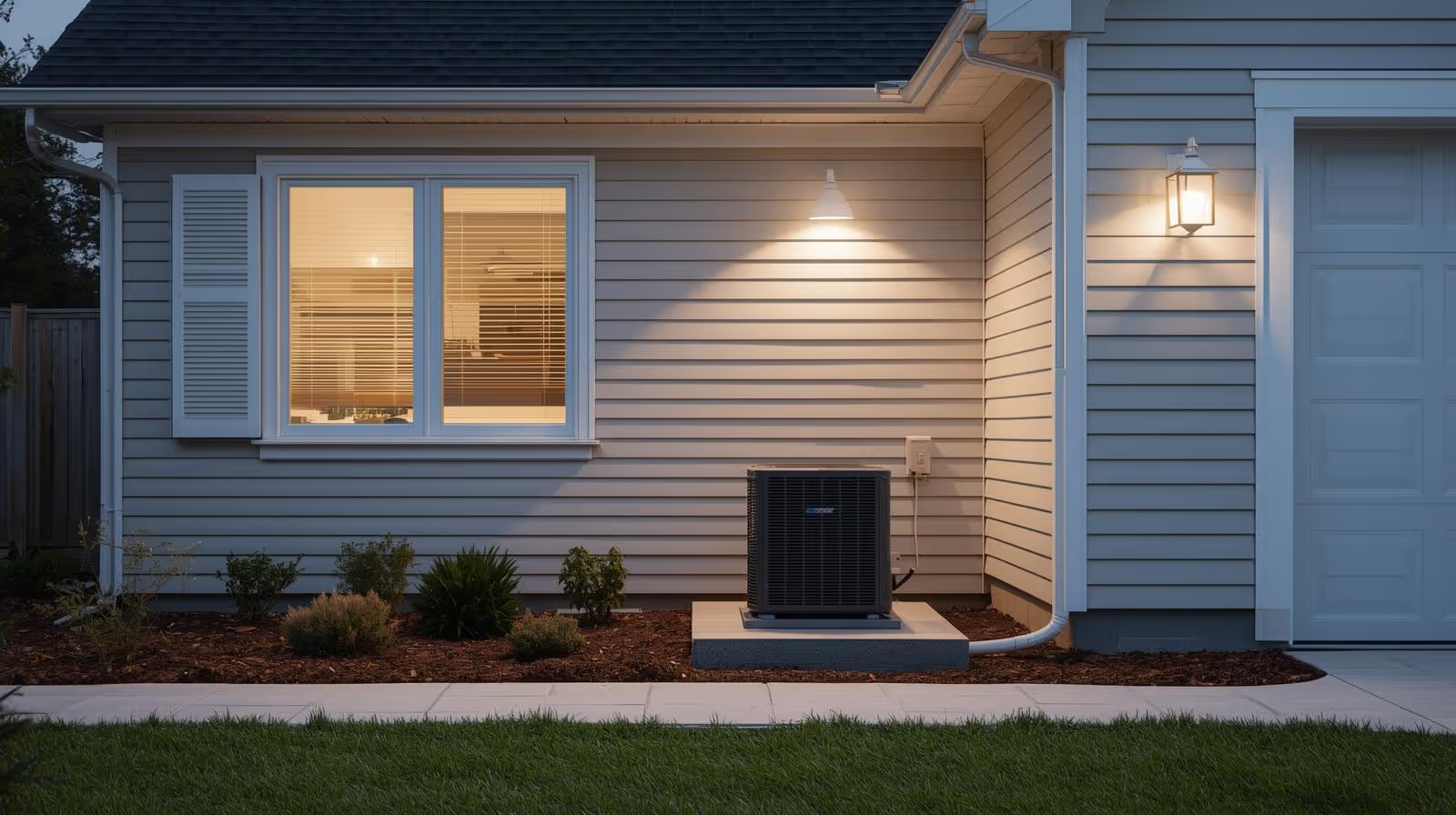
Depending on location and local heating costs, central air, ductless mini-splits, or heat pumps might be best. Central air uses whole-house ducting and a single thermostat to control temperatures. Mini-splits utilize wall units that allow for zone-specific temperature control. Heat systems are central or ductless systems that control and move both heat and cool air all year long. Generally, a heat system is considered the best and most versatile option in climates that experience both a true winter and a true summer. While most expensive, this option offers stronger home-equity building and lifetime savings.
Energy Efficiency and Sustainability
HVAC is one upgrade where just checking off the box doesn't mean much. A SEER (Seasonal Energy Efficiency Ratio) of 14 or higher is considered good. If your goal is to market your home as a high-efficiency or eco-friendly property, going 18 or over is better. There's also an instant value boost via recognition for buyers when you choose an ENERGY STAR certified system that has been tested to meet strict EPA requirements. ENERGY STAR products create significant long-term cost savings over the lifespan of a home.
Professional Installation vs. DIY
If you're going to do an HVAC upgrade, do it the right way. This is true whether you plan to stay in the home to reap the cost-saving benefits or resell. Buyers expect clear documentation, verified installation, and active warranties before committing. DIY installation is often a red flag that raises concerns about performance, safety, and long-term reliability. What's more, your system's warranty may be voided due to DIY installation or improper installation.
Next Steps for Homeowners
The simple test here is looking at your HVAC systems age. If it's over 15 years old, the ROI on replacement is solid. If it's between 10 and 15 years old, there's room to look at maintenance records and ongoing repair costs to determine if financing a replacement is necessary.
If you haven't already done so, have a local HVAC contractor come in to perform an efficiency test. Furnace and boilers require an annual fuel utilization efficiency (AFUE) test. An AFUE rating below 80%—meaning 20% of heat is lost—means that replacement could be the more efficient option. If you are planning to sell and your system scores below 80%, replacement is often the smarter financial move. When it's time to upgrade, get quotes from qualified local contractors to begin the budgeting process.
Final Thoughts: Is New HVAC Worth It?
HVAC upgrades are rarely about visual appeal. They are about sale readiness, buyer confidence, and protecting your home’s value. While the appraisal bump may be modest, the impact on marketability and financing can be significant.
If you are weighing whether HVAC replacement makes sense for your home, Revive helps you evaluate the numbers, the timing, and the upside. Smart decisions start with clarity, and the future starts at home.
How much is your home's worth?
Get your personalized estimate today.



Entrepreneur, technologist, and passionate business leader sum up the core of Dalip Jaggi, co-founder of Revive Real Estate, a PropTech company with a goal to democratize house flipping. Since its 2020-inception, Revive has since become the smartest solution for homeowners to maximize their home’s sales value across the nation.