Living rooms and common areas are often-overlooked areas of home remodeling. Kitchens may command a higher ROI and price point, and outdoor extensions make up one of the biggest recent trends in our mild Orange County climate. However, buyers still place significant importance on common spaces and the relaxation value they provide. In many cases, the living room is where first impressions are formed and long-term value is reinforced.
Modern Orange County homebuyers value living spaces that appear modern and spacious. Smaller, choppier layouts and disconnected rooms increasingly feel outdated. So, when it comes to living rooms, buyers look for:
- Practical features
- Open-concept and seamless transitions
- Seamless indoor-outdoor connections
- Brightness
- Ample storage space
- Mudrooms
- Flexible-use design that adapts to changing needs
With these factors in mind, below we outline the strategic upgrades that position your living room for comfort today and stronger resale performance going forward.
Planning Your Modern Living Room Remodel
The first step to any home remodel is thoughtful planning. Thoughtful planning is the foundation for comfort, functionality, and long-term value. At Revive, we view planning as the part where design decisions and lifestyle goals align and create equity growth.
Assessing Your Existing Space
Does your existing space give you personal enjoyment and meet modern expectations? If not, that may be fine, but you may not be maximizing the living room’s contribution to your daily comfort or your home’s long-term financial performance.
So, let’s start with a clear evaluation:
- Do the structural conditions meet modern design standards?
- Are there critical structural issues including:
- Cracks
- Compromised ceiling integrity
- Water damage
- Mold
- Load-bearing walls
- Does the living room layout meet your functional goals?
- What options do your living room’s dimensions allow?
- Is there ample natural light to meet modern homeowner expectations?
Setting a Budget and Prioritizing Projects
Based on your assessment of your living room and your future plans, it’s time to prioritize.
First, determine the main purposes of the room. Of course living rooms are normally multi-purpose, but each individual living space typically performs best when anchored by one primary function:
- Watching TV
- Relaxing with a book
- Entertaining guests
- Home exercise or wellness activities
You can also mix and match the above. However, if you want your living room to be ideally suited for multiple activities, the planning will be more complex and the final cost will typically be higher. Clear prioritization prevents overbuilding and protects your return on investment.
At this point, create a list of must-haves and a list of optional “nice-to-haves”. The must-have items on your checklist should be based on industry standards and buyer expectations. In no particular order, priority features often include:
- Copious natural light
- Seamless indoor transitions
- More living and storage space
- Stable, comfortable flooring
- Accessible traffic flow (no furniture or architectural bottlenecks)
- An identifiable focal point
All of the above necessitates a clear, written floor plan. To get the most out of your living room remodel, you need a reference that allows you to simultaneously account for all of these crucial aspects. Clarity at this stage reduces costly revisions later and strengthens resale positioning.
Next, consider the optional features you want, but don’t need in your living room:
- Built-in storage
- Smart lighting
- Automated window treatments
- Statement light fixtures
- Upgraded gas or electric fireplaces
- Accent walls with wood, concrete, or textured finishes
- Integrated sound systems with concealed wiring
- Custom furniture sized to your living room
- Oversized or layered area rugs
- Architectural details like niches or ceiling features
Choosing a Modern Design Style (Minimalist, Mid-Century, Contemporary, etc.)
For the best aesthetic, it makes the most sense to stick with one modern design style. Coherence is essential to any living room remodel that aims for long-term appeal and strong resale positioning.
While we emphasize “modern”, it’s important to remember that “modern” is a broad category, leaving plenty of room for personalization. Not every modern style works for every Orange County home. Different neighborhoods, surroundings, and house designs often determine which modern approach will feel authentic and valuable. Choosing the right style is both aesthetic and strategic.
There are three broad approaches that are the most popular on the Orange County market.
Minimalism focuses on simplicity. Minimalist interior design features clean lines, open spaces, and an overarching sense of ease. One benefit is that minimalism is more often easier to pull off, especially in open layouts with strong natural light.
Mid-century modernism focuses on warm tones, especially wood tones. Mid-century design features retro-inspired shapes, less adherence to clean lines, and low-profile furniture. For many California homes built from the 50s to 60s, mid-century design with more up-to-date application.
Contemporary modernism is more flexible and fast-evolving. Contemporary interior design blends current trends and clean forms, and often offers the safest course if you’re aiming for fast resale.
DIY vs Hiring a Designer or Contractor
A living room remodel is normally lower-stakes than a kitchen or bathroom remodel. The amount spent, potential ROIs, changes to property values, and structural changes involved are typically lower in scale. However, some cases call for intensive outside support, if you hope to make your living room a major attraction for family, friends, or potential homebuyers.
The more you expect the space to influence resale or appraisal outcomes, the more strategic professional guidance becomes.
The main questions for choosing DIY vs professional designers nad contractors for a living room are about:
- Safety
- The returns you desire
When it comes to safety concerns, there are no good ways to cut corners. Living room remodels that involve utility changes such as wiring, or structural changes like alterations or demolition of walls should always be done by professionals. Licensed contractors help ensure compliance with California building standards and protect both safety and resale disclosures.
When it comes to the real effects of day-to-day living, especially as determined by a professional appraiser, you will benefit more from professional support. Designers and contractors can guide you through the decisions that make the greatest impact on the lived and appraised value of a living room. Their expertise also includes navigating a wide range of expenses and complexities, from guidance on the best pre-fabricated options in showrooms to customized personalized design and execution in line with the broader market.
On the other hand, there are many activities which are typically DIY-safe and permitted by code:
Painting
- Initial paint jobs
- Repainting
Minor drywall repair
- Nail holes
- Small dents
- Non-structural patching
Cosmetic wall treatments
- Accent paint
- Wallpaper
- Non-load-bearing decorative panels
Installing trim or molding
- Baseboards
- Chair rails
- Picture rails
Mounting light decor
- Art
- Shelving below load thresholds
- TV mounts only if no wiring is altered
These tasks usually do not require a permit, but be sure to check municipal, county, state, and local HOA rules. According to the Department of Consumer Affairs, “...no building or structure may be erected, constructed, enlarged, altered, repaired, moved, improved, removed, converted or demolished unless a separate permit for each building or structure has first been obtained from the building official.”
When in doubt, verify before beginning work. Protecting compliance protects your investment.
Quick Wins vs. Full Remodels (Budget-Friendly Options)
There are some quick-win options for Orange County living room remodels that include only low-effort, high-impact changes.
In our experience, strategic interior repainting offers over 100% ROI. In some cases, people do really judge a book by its cover. However, the catch is that it has to be the right color. When executed in modern, buyer-aligned color palettes, the investment is often fully recouped at resale. Good repainting also strengthens first impressions.
Modern Color Schemes and Paint Ideas
Real estate experts across the country report that paint colors alone can cause a house’s value to plummet. They also report the opposite.
While paint may seem like a surface-level decision, it often delivers one of the highest returns when executed strategically. In our experience, thoughtfully selected, buyer-aligned palettes can fully recoup their cost and significantly improve first impressions. Revive and others have found 100% or higher ROIs on thoughtful paint jobs.
Popular Color Palettes
Some of the most popular color palettes in modern Orange County homes include:
- Neutrals
- Black and white
- Earthy tones
The themes here are simplicity and cohesion. All of these choices fit in naturally within a range of architectural styles. Black and white remain popular post-covid in more recently built homes. Earthy tones are commonly used across modern, minimalist, bohemian, and rustic home styles. Neutrals fit well across most home types, particularly coastal and Scandinavian-inspired homes.
Using Color Blocking for a Bold Look
Color blocking is a modern design choice that combines large, solid, contrasting colors to make a greater impact. The result is graphic, visually striking, and bold.
During the last few years, black, white, and grey subtle patterns have been emerging. But this trend, which really picked up during Covid-19, has many detractors. The backlash has included the increasing popularity of the opposite: pairing vibrant, solid, and often contrasting colors to make a highly impactful statement.
Color blocking uses distinct separate blocks, pairing two colors from opposite sides of the color wheel:
- Blue and orange
- Red and green
- Yellow and purple
- Magenta and emerald
- Cyan and coral
While each pairing is vibrant, the aesthetic chaos is limited by two factors:
- Patterns are avoided in favor of simple, solid blocks
- Each area is limited to two or three colors in total
Cohesive Color Flow for Open Concept Homes
Open-concept layouts have long been common in modern homes, especially in Orange County. This popularity has led color flow to become a more important detail. Cohesive color flow is a strategic decision designed to create harmony, balance, and visual continuity. As the living room connects directly with the kitchen, dining area, and likely a hallway, paint colors serve to make the space either feel:
- Large and seamless
- Small and disjointed
A cohesive color flow is simply a consistent and complementary palette for your open concept home. In practice, cohesive color flow in an open concept home looks like:
- One primary wall color that continues throughout the main living areas
- Subtly shifting tones as you move through different spaces
- Consistent undertones, such as warmth or coolness
- Trim and ceiling colors creating quiet transitions
When executed properly, cohesive color flow strengthens perceived spaciousness and supports stronger resale positioning.
Orange County-Inspired Colors
Orange County offers its own inspirations for color palettes that are influenced by the natural light, proximity to the ocean, and indoor-outdoor living. Depending on your area and home style, that may include one of Orange County’s signatures:
- Coastal blues: soft navy, muted ocean tones, dusty blue-greys
- Sunset tones: subtle terracotta, warm peach, sandy blush accents
- Warm neutrals: creamy whites, greige, taupe, light warm gray
All of these choices typically reflect sunlight instead of absorbing it, pair naturally with common OC wood and stone, and support pleasant indoor-outdoor transitions.
Furniture Choices for a Modern Space
Modern Orange County living rooms are often more vibrant and mixed than those of many traditional styles. However, achieving a relaxed Orange County aesthetic without overdesigning the space requires balance and restraint. In this section, we outline how to mix furniture styles in a way that strikes the right balance. The goal is to support comfort, cohesion, and long-term appeal.
Choosing the Right Sofa or Sectional
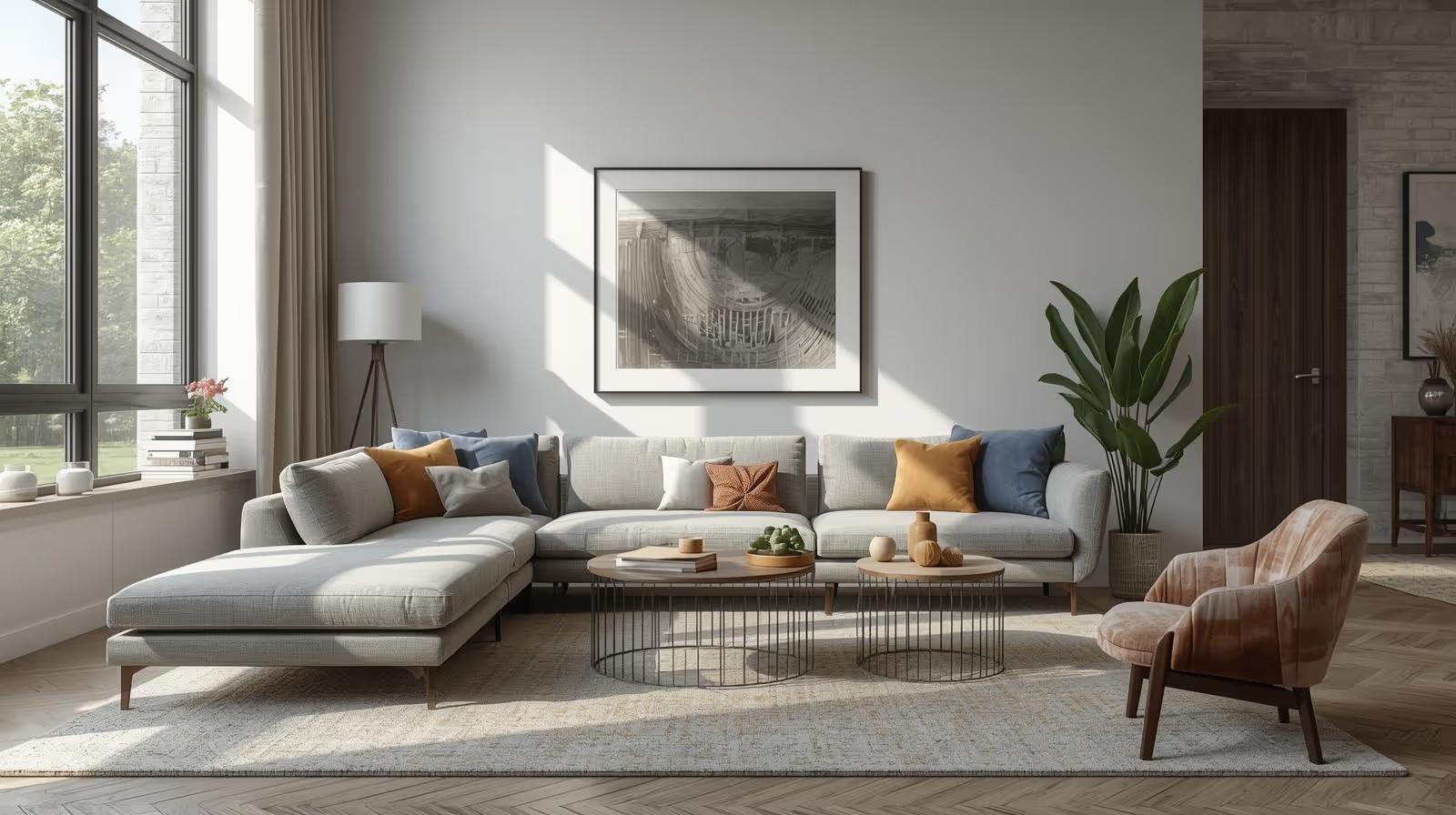
Start with the right sofa or sectional to set the tone and focus. It can be new or existing, but consider how it sets the tone and color scheme for the rest of the seating. For example, consider the main sofa or sectional’s color and the strongest follow-ups:
- Deep purple sofa + cream, soft grey, or ivory accent chairs
- Warm camel leather sectional + olive or muted green chairs
- Charcoal or black sofa + light grey or white accent chairs
- Navy sectional + warm tan leather or wooden chairs
Anchor the room with one dominant tone, then layer complementary materials to maintain cohesion and resale versatility.
Mixing Functionality with Minimalism
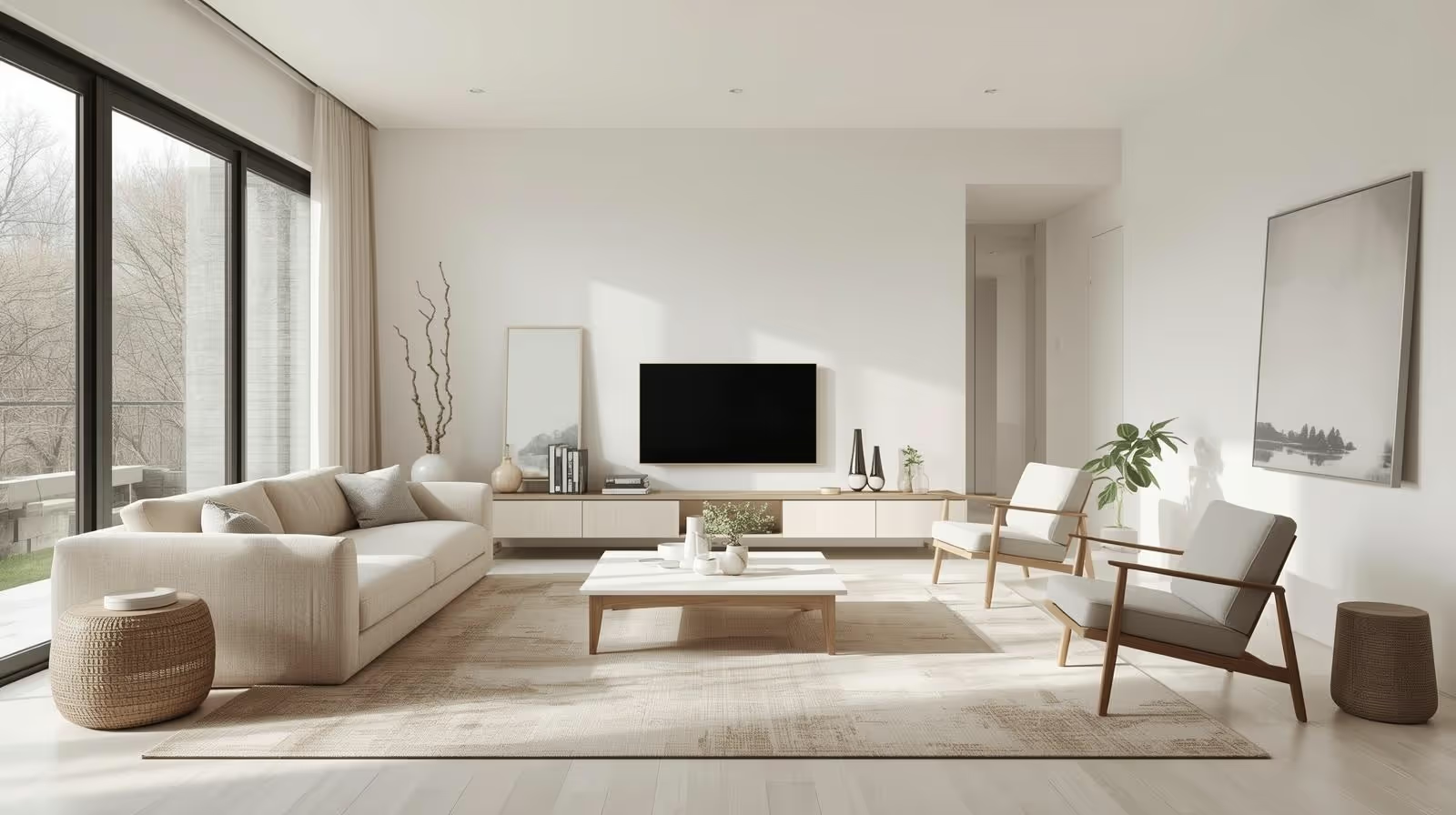
A top-tier modern living room looks clean and uncluttered, while being ideal for day-to-day usability.
The foundation of functional minimalism is multifunctional furniture:
- Built-in bookshelves with storage and a flip-out desk
- Convertible sofas
- Practical upholstery choices
Options like these maintain minimalism while maximizing functionality. Think of multi-use cases first, so layout decisions remain streamlined and intentional. This approach supports both everyday living and long-term market appeal.
Furniture Layouts that Promote Conversation and Flow
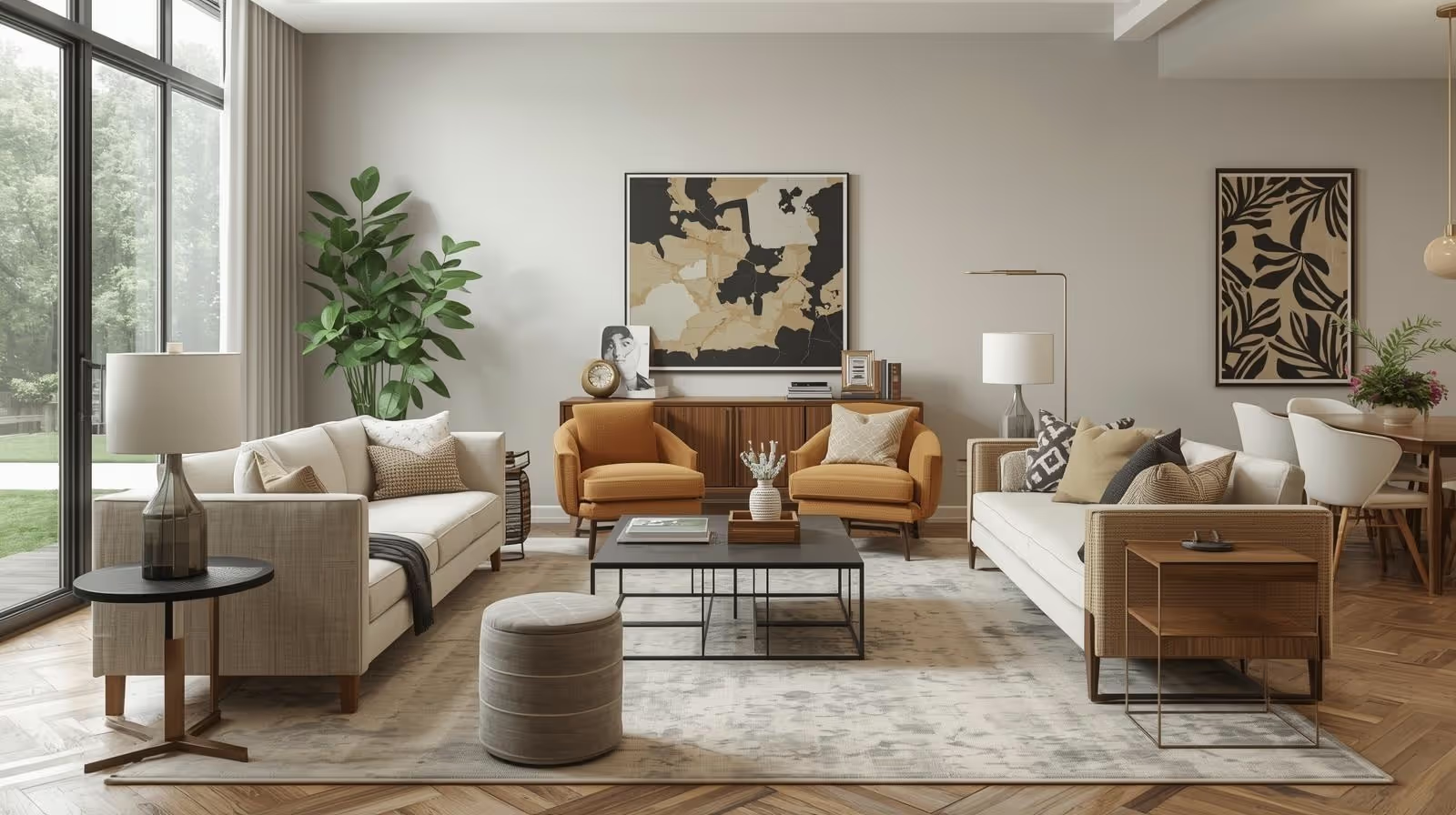
Orange County living rooms are expected to feel open, inviting, and conversation-friendly. Before making new purchases or moving anything, plan out a layout that invites people to relax around an area dedicated to comfort. You’re creating the kind of place where you, family, and friends could happily spend hours.
Clear pathways and balanced seating arrangements strengthen both comfort and perceived spaciousness.
Incorporating Statement Pieces
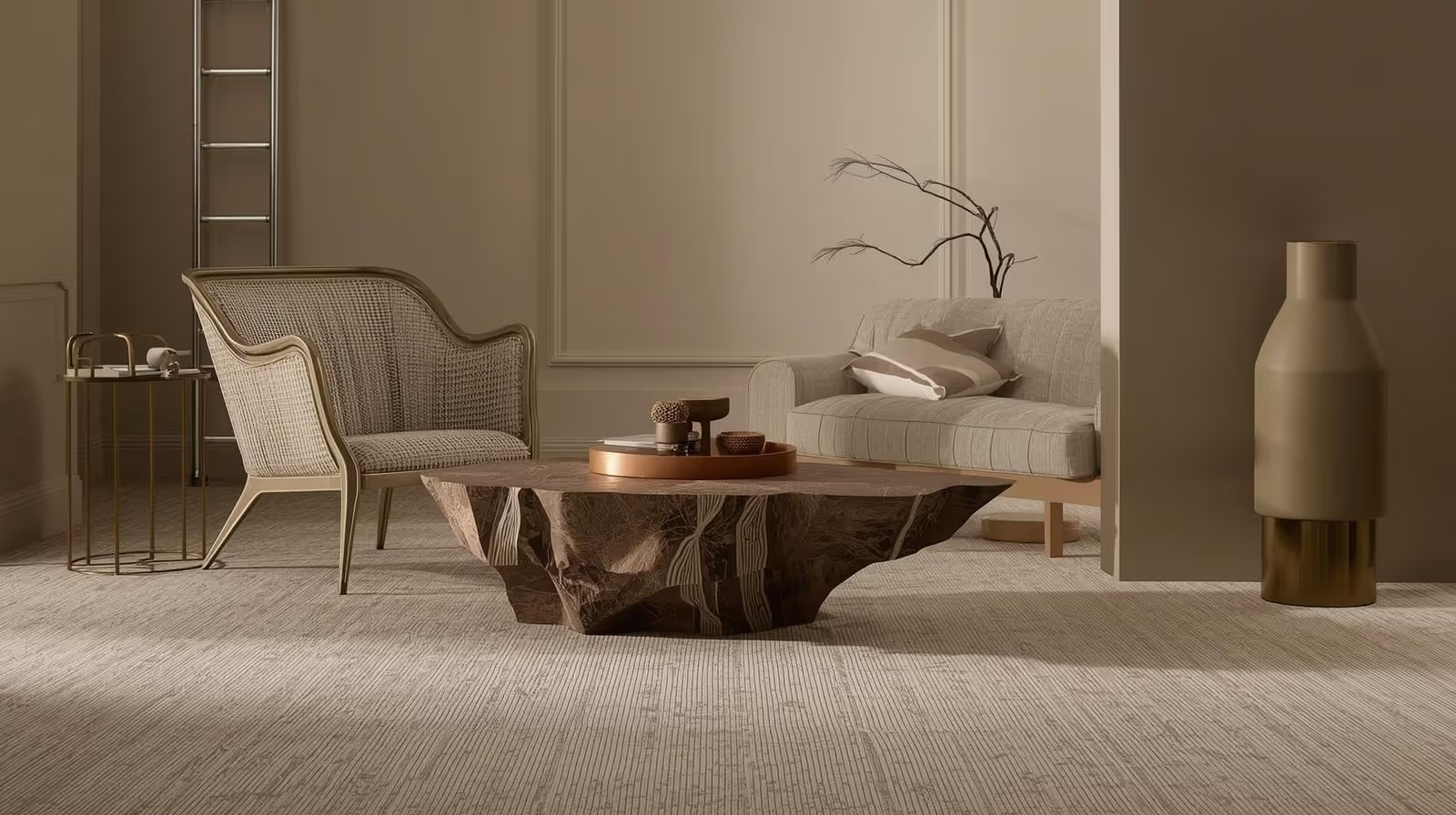
After the main seating and layout are decided on, incorporating statement pieces adds character to your living room. Following the same color and layout principles, consider:
- Accent chairs
- Coffee tables
- Area rugs
- Console tables
- Media consoles
- Sculptural lighting fixtures
- Side tables
- Large-scale artwork
- Mirrors
- Fireplace surrounds
- Built-in shelving details
- Decorative benches or ottomans
- Architectural wall features
- Statement shelving or bookcases
Smart Storage Furniture for Small Spaces
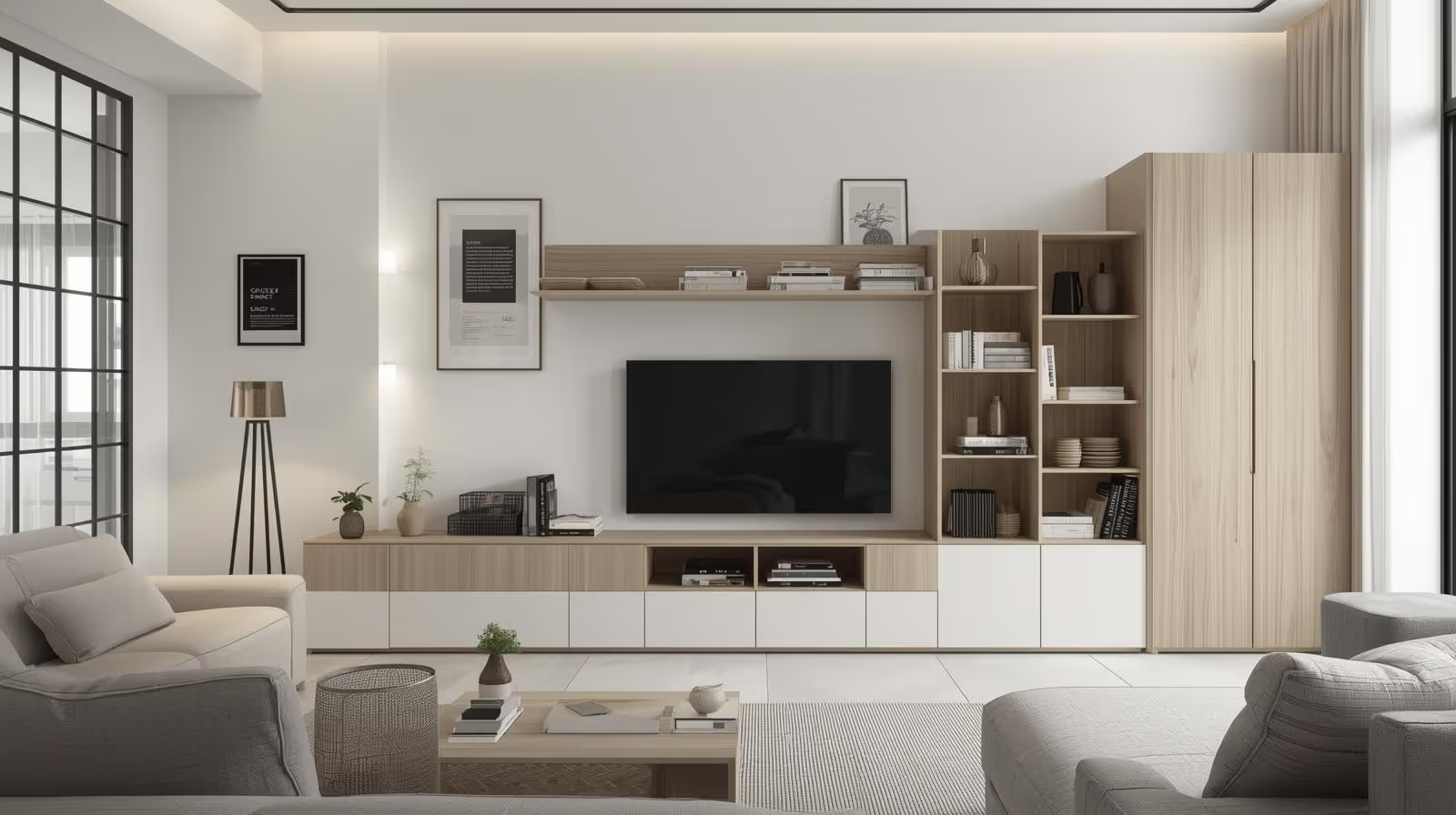
Storage solutions can be both refined and discreet.
In smaller living rooms, every piece of furniture should earn its place. Smart storage furniture helps maintain a clean and modern appearance while minimizing clutter.
Consider:
- Storage ottomans that double as seating
- Coffee tables with concealed drawers
- Media consoles with closed cabinetry
- Built-in shelving with hidden compartments
- Slim console tables behind sofas
- Modular sectionals with under-seat storage
- Floating shelves to reduce visual bulk
- Baskets and bins that blend with the room’s color palette
Lighting Design That Defines Modern Style
Lighting is one of the most influential design elements in a modern living room, shaping comfort, functionality, and perceived value. In Orange County, where natural light is abundant, thoughtful lighting design becomes even more critical.
Utilizing Natural Light Through Windows and Layout
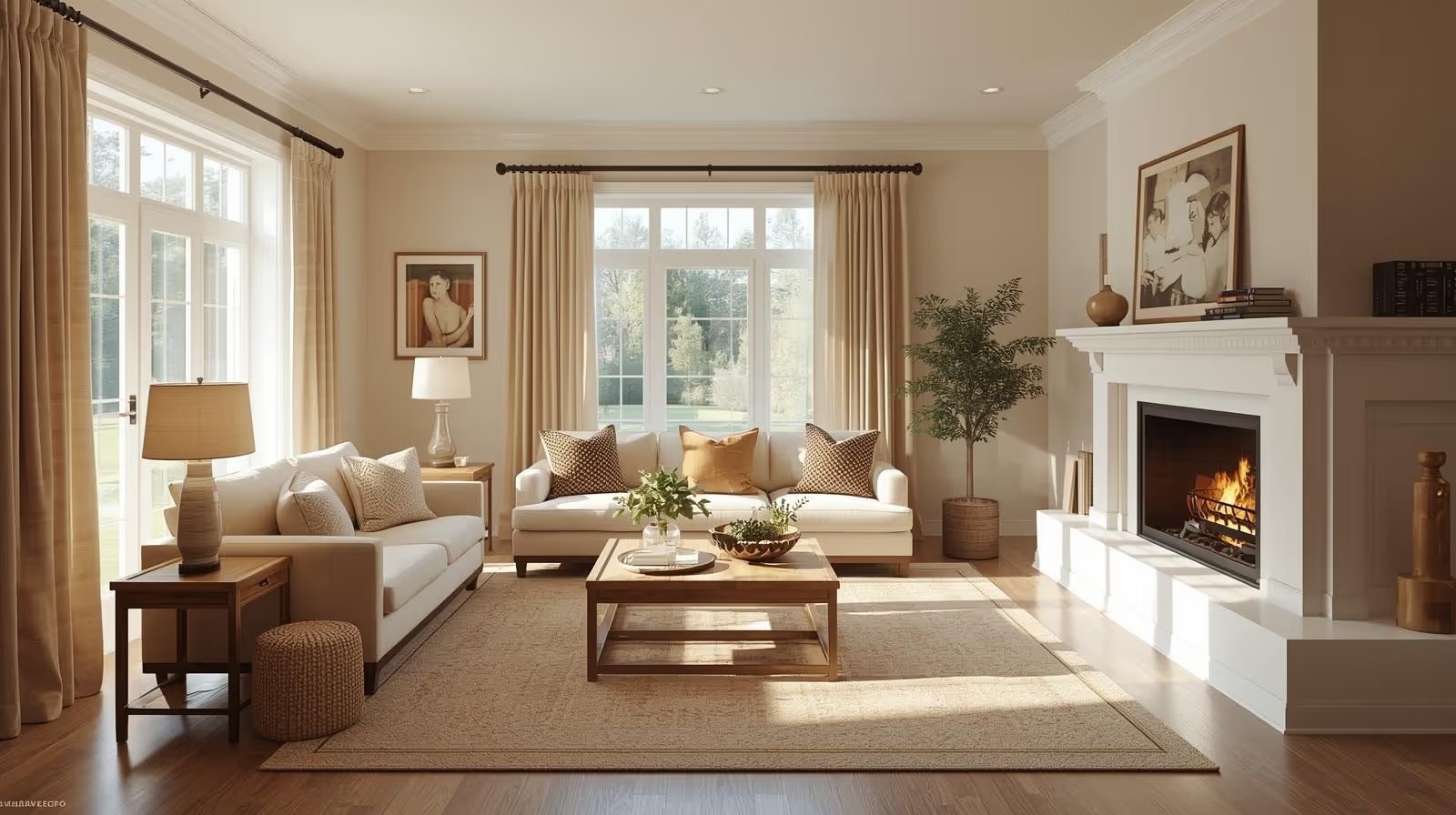
The most important thing to remember about modern living room remodeling is that natural light should be the main focus. You don’t want to ever reduce natural light exposure, and in many cases, you should look for opportunities to enhance it. More importantly than other layout decisions, consider how your windows and furniture layout create the ideal amount of natural light throughout the living space.
If the room itself does not allow enough natural light in, remodeling for larger windows, perhaps in alternative locations, can go so far as to increase the equity of your home by up to 2.6% per extra sunlight hour. The increasing global demand is especially noticeable in the current Orange County property market, where people want to make the most of the pleasant weather in their homes.
Choosing Sleek Light Fixtures
Sleek light fixtures reinforce the appeal of clean design and reduce the sensation of visual clutter in a living room. They are both functional and expected in a well-executed modern remodel.
Modern lighting trends favor:
- Clean lines
- Minimal hardware
- Subtle finishes
- Layered illumination
The sleekest options for covering all of the above are:
- Pendant lighting
- Track lighting
- LED
Layering Ambient, Task, and Accent Lighting
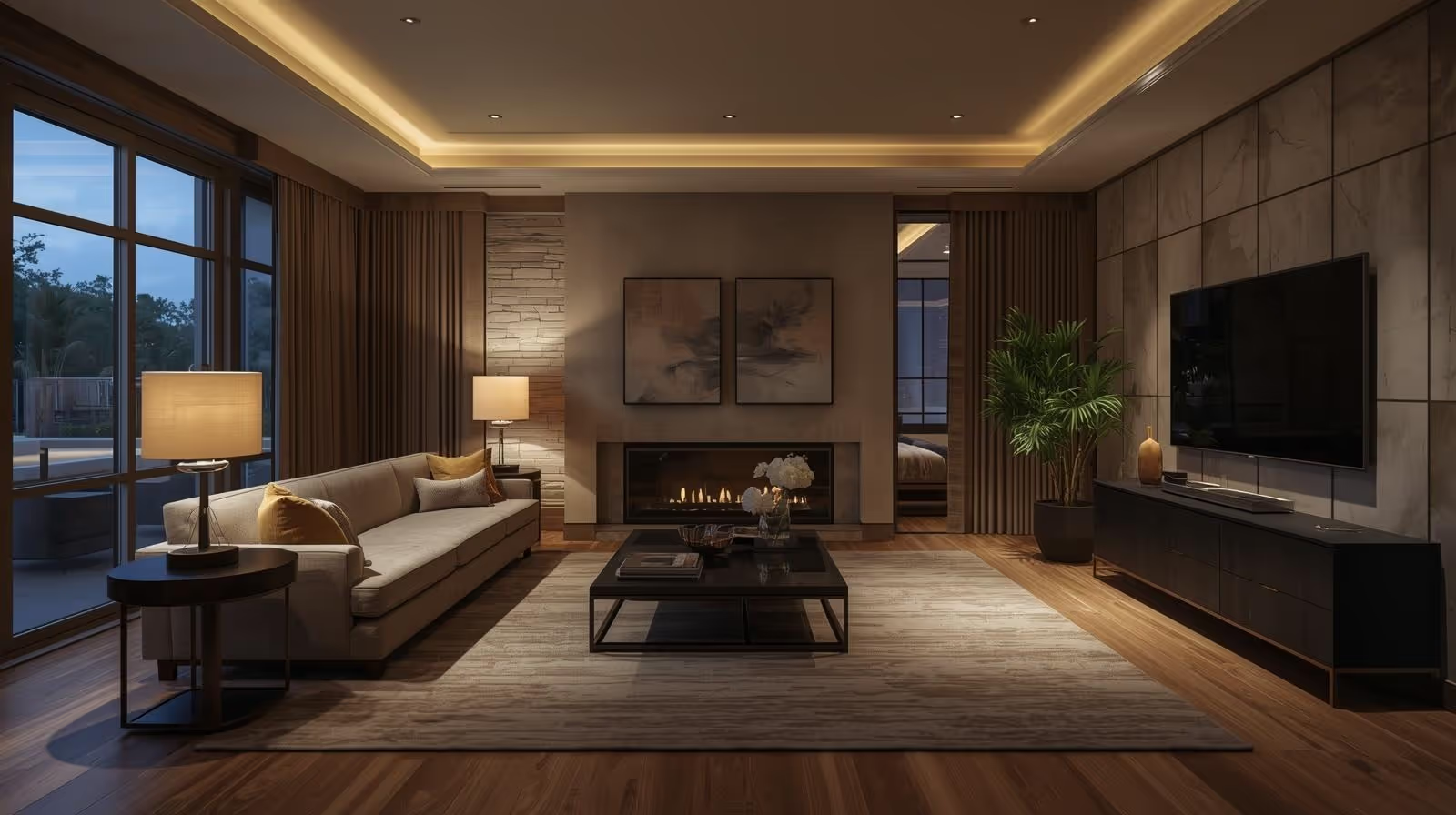
Well-lit living room areas are normally lit by more than one source. During the day, natural light is expected. During the dark hours of the day, layers of lighting maximize the utility and calm of a space.
Ambient lighting is the “base layer” of lighting. It’s a glow that permeates the wider space and sets the tone of the room. Ambient light is typically provided by ceiling fixtures or recessed lighting, often through natural materials. The right ceiling fixtures offer the soft wave of light that keeps your space warmly and calmly lit.
Task lighting forms the next layer and is dedicated to adding focus where it’s needed. Work desks, reading chairs, kitchen countertops, and so on need their own focused light for the important tasks you do in those spaces. For that, most spaces use brighter light ranging from 3,500-4,500k, normally using:
- LED bulbs or strips
- Desk lamps
- Pendant lights
Accent lighting is used to highlight specific objects or areas that you love or that bring you calm. It’s a more specialized and focused technique that highlights things like:
- Paintings
- Sculptures
- Plants
- Textured features
- Bookshelves
The idea of accent lighting is to add depth and drive visual interest, most commonly by using warm lighting from:
- Track lights
- Spotlights
- Wall sconces or mounted fixtures
- Under-cabinet or shelf lighting
- Floodlights
- A slight angle that draws more attention to the focal point
Strategic layering enhances perceived depth and elevates overall design quality, which can positively influence buyer perception.
Smart Lighting Systems for Modern Homes
Lastly, you can complete the picture with a smart lighting system. Many modern remodels include smart home technologies that make home management simpler. Smart lighting systems carry several benefits including:
- Energy-efficient LED integration
- Remote control through mobile devices
- Voice control compatibility
- Programmable schedules and timers
- Motion and occupancy sensors
- Dimmable lighting for mood flexibility
- Scene settings for entertaining, relaxing, or movie nights
- Integration with whole-home smart systems
- Improved security through automated lighting patterns
- Reduced long-term energy costs
Walls, Ceilings, and Architectural Features
This section focuses on structural and architectural enhancements that elevate both daily experience and long-term value.
Modern Fireplace Makeovers
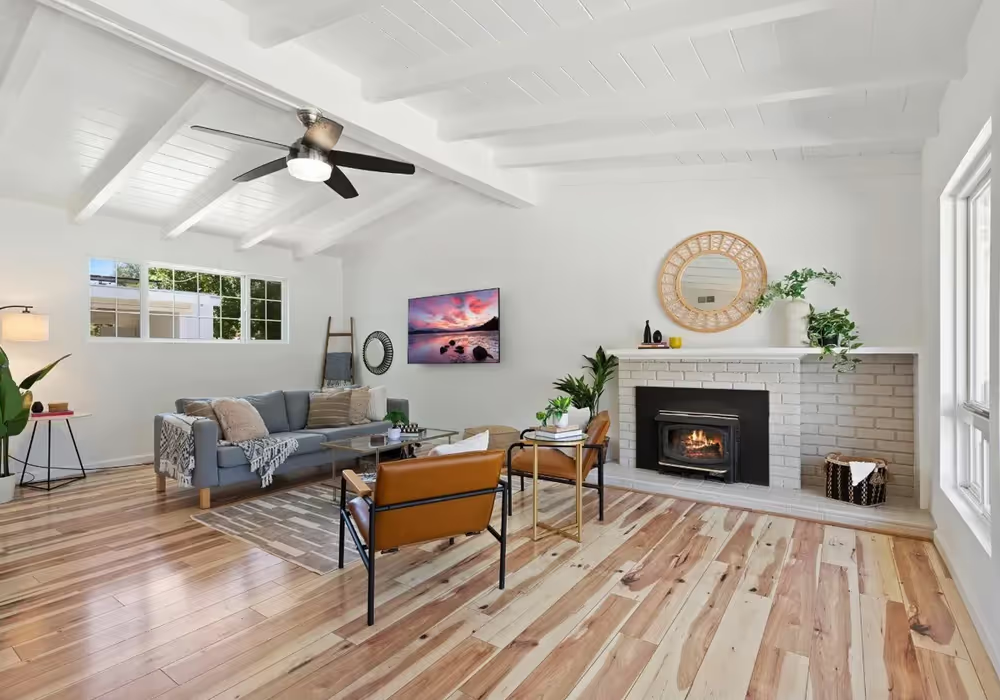
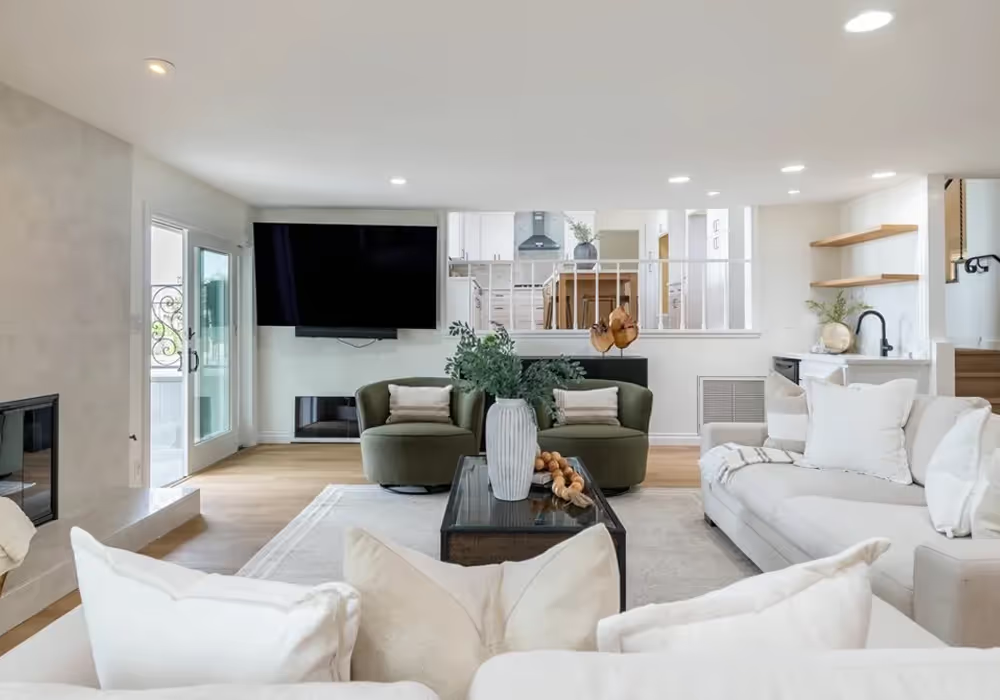
On the theme of a central focus for guests, a modern fireplace can offer exactly that. Your fireplace is a focal point that anchors your furniture layout and should influence the material choices you make.
If you have a fireplace, any complete modern living room remodel will likely need to pay some attention to it. Fireplace paint and materials are key parts of the cohesive, flowing interior homebuyers expect. Updating an outdated fireplace can significantly improve how your living room's condition and overall design quality are perceived .
Other common tasks we help guide Orange County homeowners through for their living rooms include:
- Floor-to-ceiling tile or stone surrounds
- Sleek concrete or plaster finishes
- Linear gas or electric inserts
- Minimalist mantels or floating shelves
- Built-in cabinetry flanking the fireplace
- Integrated media walls with concealed wiring
- Removing heavy, ornate mantels for cleaner lines
Adding Built-In Niches and Shelving
Built-in features are modern, minimalist, and functional. A remodel is a perfect time to add features that bring cohesion and a sense of completeness to a living room. Niches are recesses or alcoves built into walls, while built-in shelving can be an extension or built into existing wall spaces, depending on the circumstances.
Year by year, the National Association of REALTORS® Remodeling Impact Report consistently finds that:
- Storage improvements are among the most important interior remodels for homeowners
- Organization and functionality directly affect buyer satisfaction
- Projects that improve functionality often receive a high “Joy Score” from homeowners
Highlighting Tall or Vaulted Ceilings
Tall or vaulted ceilings are especially valuable in modern homes, including in Orange County. A complete kitchen remodel can address and optimize the ceiling in some cases. Regardless of other renovations, highlighting ceiling features intentionally can help create:
- A sense of openness
- Improved natural light distribution
- Elevated architectural appeal
- Resale differentiation
Without putting in some effort to highlight these features, you may:
- Make otherwise attractive ceiling features feel empty or cold
- Accidentally create a disconnect from the rest of the living room
- Miss out on a powerful value addition to your living room
Orange County homes already present strong competition with vaulted living rooms, open concept layouts, and high-volume entry-to-living transitions. Local buyers respond well because they make homes feel open and larger while taking advantage of the weather and laid back atmosphere.
Accent Walls with Paint, Wood, or Concrete Finishes
Accent walls can be modern and lasting, though in many cases they also risk entering trend-heavy territory.
A modern accent wall serves to:
- Define a focal point
- Anchor the furniture layout
- Add texture and depth to the living room
- Introduce contrast in a controlled way
To pull this off, paint, wood, or concrete finishes should be applied as part of the broader remodel plan. Adding them to your living room in the right context is a great way to complete the picture for even greater appeal. Some of the best situations for accent walls are when they:
- Sit behind a fireplace
- Rest behind the main seating
- Highlight a nearby media wall or similar feature
- Emphasize high ceilings
- Break up larger concept spaces
- Frame a window wall or sliding doors
Flooring and Rugs That Fit a Modern Aesthetic
After the foundations are complete, flooring and rugs set the final touches for a modern living room. Your flooring choices are about a combination of climate compatibility, lifestyle choices, and aesthetic appeal, all of which contribute to resale value. In competitive Orange County markets, flooring strongly influences perceived condition and quality.
Best Flooring Options
The best flooring options in Orange County are typically chosen from:
- Wood, solid or engineered
- Concrete
- Laminate or luxury vinyl plank
Each one of these options signals something different about the style, durability, and price positioning of your home.
In the wider US and also in Orange County, wood remains the most desired flooring material in resale markets. The NAR Remodeling Impact reports consistently rank new wood floors among the projects with the highest cost recovery and homeowner satisfaction. Wide-plank and matte-finish wood are especially well-aligned with modern design principles.
Concrete flooring is more common in contemporary or architect-designed homes. While less broadly appealing and less universally safe an option, concrete offers durability and stability in warm climates. It also pairs well with modern homes that are going for more minimalist approaches. To prevent the space from feeling cold, concrete floors should be balanced with warm rugs and natural materials.
Lastly, laminate or luxury vinyl plank serves as an alternative to these more common choices in many mid-range remodels. High-quality laminate offers durability, moisture resistance, and a modern look at a lower price point. In some coastal or high-traffic homes, it may make more sense.
Selecting the right material depends on balancing durability, budget, and long-term buyer expectations.
Using Oversized Rugs to Define Spaces
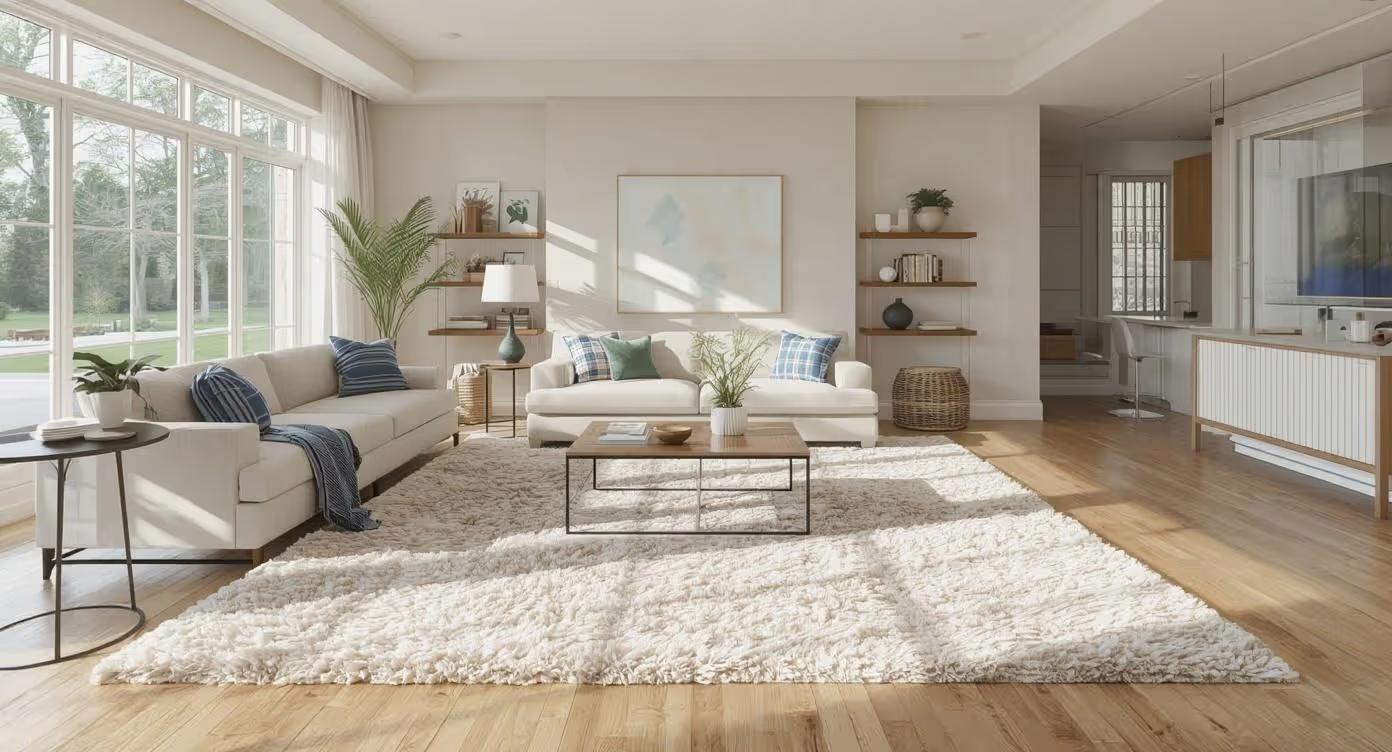
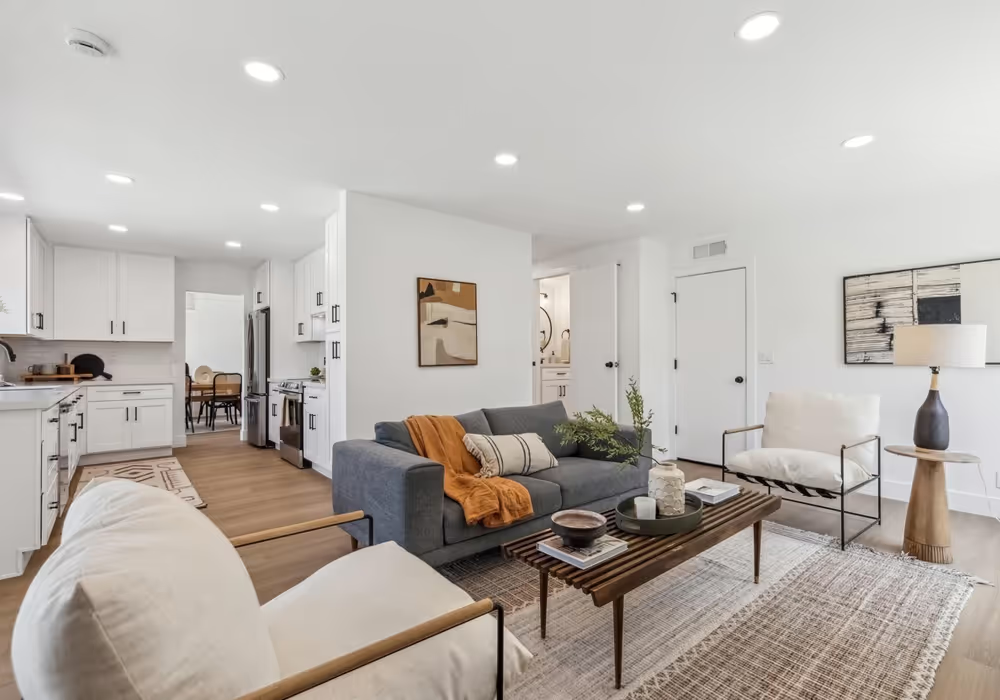
Applying oversized rugs in open concept living rooms is a simple way to define seating and relaxation areas without adding walls or other visual barriers. Oversized rugs should be properly scaled to extend under the front legs of all the primary seating. Then, make sure there is adequate, measured borders between the rug and the walls.
Layering Textures for Warmth and Style
Modern Orange County living rooms often lean on neutral color palettes, clean lines, and a sense of calm formality. Without added texture, they can start to feel impersonal or unfinished. Layering adds finishing depth in a way that still feels open and uncluttered.
To add warmth and style, start from the ground up. From the lowest layer, you can add these contrasts through:
- Woven or wool area rugs
- Linen or boucle upholstery
- Leather accent chairs
- Natural wood coffee tables
- Stone or concrete surfaces
- Textured throw pillows and blankets
- Matte metal finishes
Orange County homes benefit most from layered texturing on hard surfaces like wood, tile, or concrete. On these hard surfaces, soft textiles or other soft and inviting natural materials balance the brightness and openness common in local indoor living spaces.
Flooring Choices That Add ROI in Orange County Real Estate
NAR data shows the following returns for interior flooring choices:
- Hardwood floor refinishing: 147% cost recovery
- New wood flooring: 118% cost recovery
New wood flooring is also a top “Joy Score” project in the NAR’s 2025 Remodeling Impact Report. That implies high homeowner satisfaction, which adds livability while improving your resale positioning.
80% of first-time buyers rate hardwood flooring for main-floor living spaces as either essential or desirable according to the National Association of Home Buyers. This puts hardwood flooring at the top of nationwide homebuyer desires. Our experience in Orange County is consistent with these clear findings.
If you are considering new flooring as part of your living room remodel, schedule a consultation with our team to identify the upgrades that will maximize comfort, durability, and resale value in your Orange County home.
Windows and Window Treatments
Natural light consistently ranks among the most requested features in national homebuyer surveys, reinforcing how strongly windows influence perception and value.
Drapes vs. Blinds for a Modern Look
Modern drapes or blinds both:
- Maintain clean lines
- Include minimal hardware
- Match the color scheme of the living rooms they’re in
Drapes are often used to soften a space, adding a more relaxed aesthetic. Blinds feel more streamlined and architectural, but can add character or better natural light control or privacy. Blinds are also easier to maintain while drapes are more elegant.
Either could work in a modern living room, but drapes win when it comes to enhancing visual appeal and meeting modern expectations. Blinds serve better in bedrooms or bathrooms where there is less emphasis on cohesive aesthetics.
If you’re considering drapes vs blinds for a modern living room remodel, here are some factors to keep in mind:
- Drapes soften living spaces and add perceived height
- Floor-to-ceiling drapes emphasize tall or vaulted ceilings
- Layering with a sheer and blackout balances light control and design
- Bulky valances or ornate treatments can make a living room feel less modern and smaller overall
- Material choice matters: linen, woven textures, neutral tones
Select treatments that support openness and cohesion rather than competing with architectural features.
Maximizing Light While Maintaining Privacy
Natural light is one of the most important demands of modern living rooms. But privacy, particularly in denser Orange County neighborhoods, is equally critical. In fact, increasing privacy in a home correlates with higher home values.
You can balance natural light and privacy through:
- Top-down, bottom-up shades allow privacy with daylight
- You can use sheer panels to diffuse instead of block sunlight
- Frosted glass works in street-facing rooms
- You can leverage strategic landscaping to improve privacy without reducing light
- Furniture placement affects light flow
Window Shapes That Complement Modern Architecture
Modern Orange County windows are expected to feel large and uninterrupted. That way you maximize the pleasant natural light and outdoor views. Concerning windows, it’s most important to remember:
- Horizontal windows emphasize width in open layouts
- Floor-to-ceiling windows increase perceived height
- Black or slim frames reinforce contemporary style
- Consistency across windows improves cohesion
- Overly segmented or decorative grids are more likely to distract from rather than compliment a modern living room
Energy-Efficient Windows for California Homes
Energy efficiency is a major demand from California homeowners, and the state provides strong incentives for energy-efficient window choices.
Art and Decor to Personalize Your Modern Space
Art and decor turn a well-designed living room into a space that feels like yours alone. When you select your pieces intentionally, they reinforce the room’s color palette, architectural features, and overall design direction.
Choosing Art That Complements the Room
The art you choose should consistently match the living room’s color palette and character. While personal taste matters, strategic placement and scale determine whether art enhances or distracts. However, there are a few keys to meeting modern aesthetic standards with well-thought-out art and decor:
- Scale matters more than size, think about the scale of the art vs room size and furniture layout
- Large-scale pieces work better in most modern living rooms
- Undersized art will often feel disconnected and out of place
- Added art should support the focal point rather than detract from it
Gallery Walls with a Modern Twist
Like most aspects of modern living room design, gallery walls should be cleanly aligned. Gallery walls should offer continued consistency, complementing focal points with frames that match the room’s color palette. To keep everything modern and cohesive, try to remember to:
- Use fewer, larger pieces instead of many small ones
- Keep color tones consistent
- Leverage negative space to contrast different design elements
Using Sculptural and Textural Decor Accents
Sculptural and textural decor accents are another way to add dimension to a modern living room. As with galleries and other artistic additions, the key is to make a bigger impact with less space. Other design aspects you can leverage include:
- Combining smooth and rough materials
- Thinking in layers; wood, stone, metal, textile
- Avoiding too many small decorative objects
Trendy Decor Ideas for 2025
- Curved silhouettes (chairs, coffee tables, sofas)
- Organic modernism (natural woods + refined metal accents)
- Earth-tone palettes (clay, sand, olive, warm taupe)
- Textured plaster or limewash-style walls (soft depth, low shine)
- Sculptural statement lighting (nature-inspired forms, bold shapes)
- Mixed metals done quietly (brass + black, or bronze + nickel)
- Layered, tactile textiles (boucle, linen blends, wool throws)
- Oversized art with simple framing (one large piece over many small)
- Fluted or ribbed details (side tables, cabinetry fronts, planters)
- Colored glass accents (vases, side tables, decor objects)
- Subtle Art Deco revival touches (geometry, polished forms, refined glam)
- Warm woods over cool grays (oak, walnut tones returning)
- Biophilic styling (plants as sculptural accents, not clutter)
- “Fewer, better” decor (one standout object per surface, less small stuff)
- Soft, ambient layering (table lamps, sconces, warm bulbs to reduce harshness)
When incorporating trends, anchor the space in timeless materials first, then layer them through decor that can be updated over time.
Blending Modern With Other Styles
With some caution and thoughtful design inputs, modernism can mix well with other styles. These are a few of the approaches we are seeing in California that can be pulled off in unique homes.
Modern Farmhouse Touches
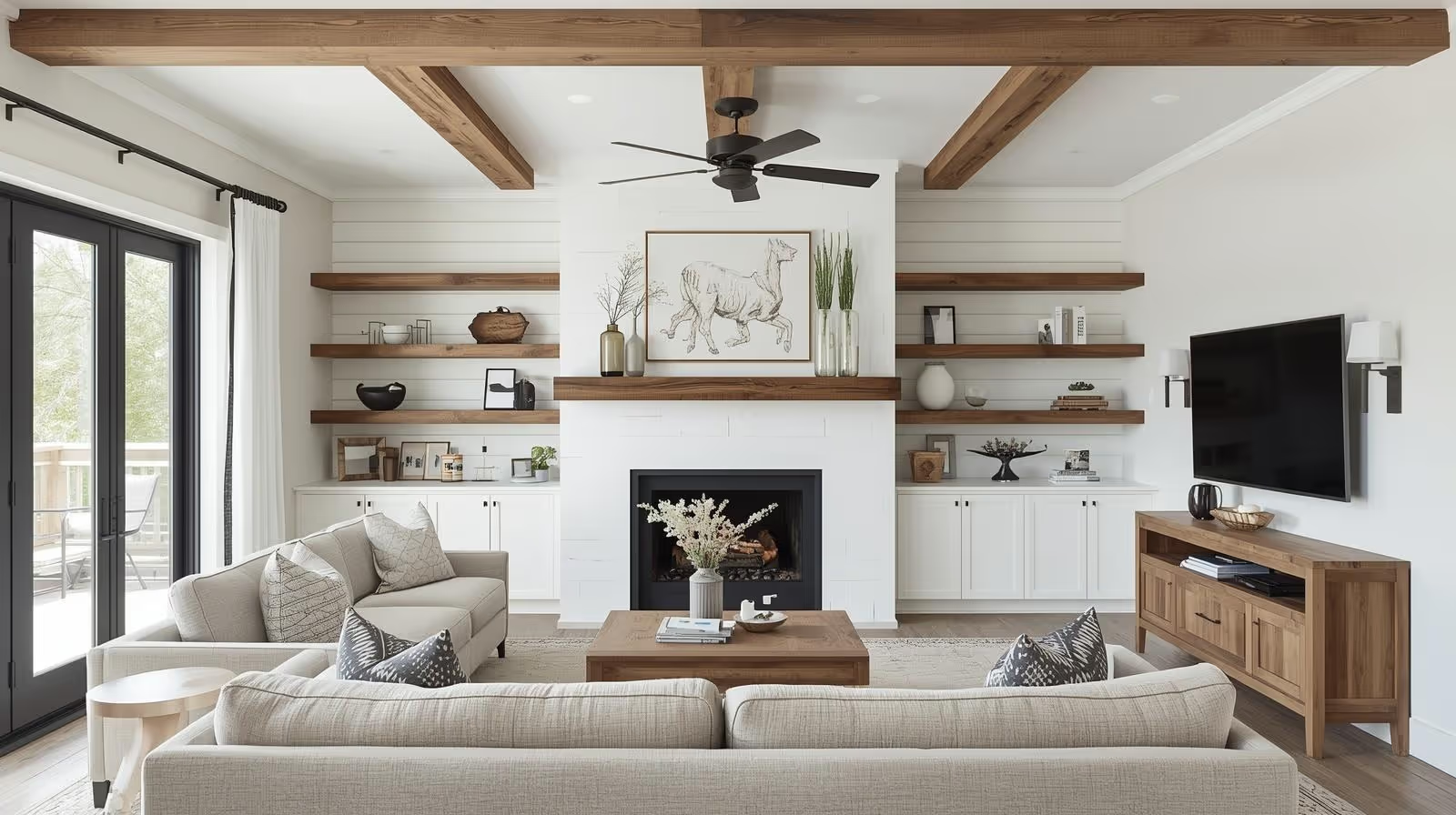
Guidelines:
- Clean lines first, rustic accents second
- Neutral base palette
- Warm wood beams or shelving
- Matte black or aged metal hardware
- Simple shiplap or subtle wall paneling
- Avoid overly distressed or overly themed decor
Coastal Modern Elements (Perfect for OC Homes)
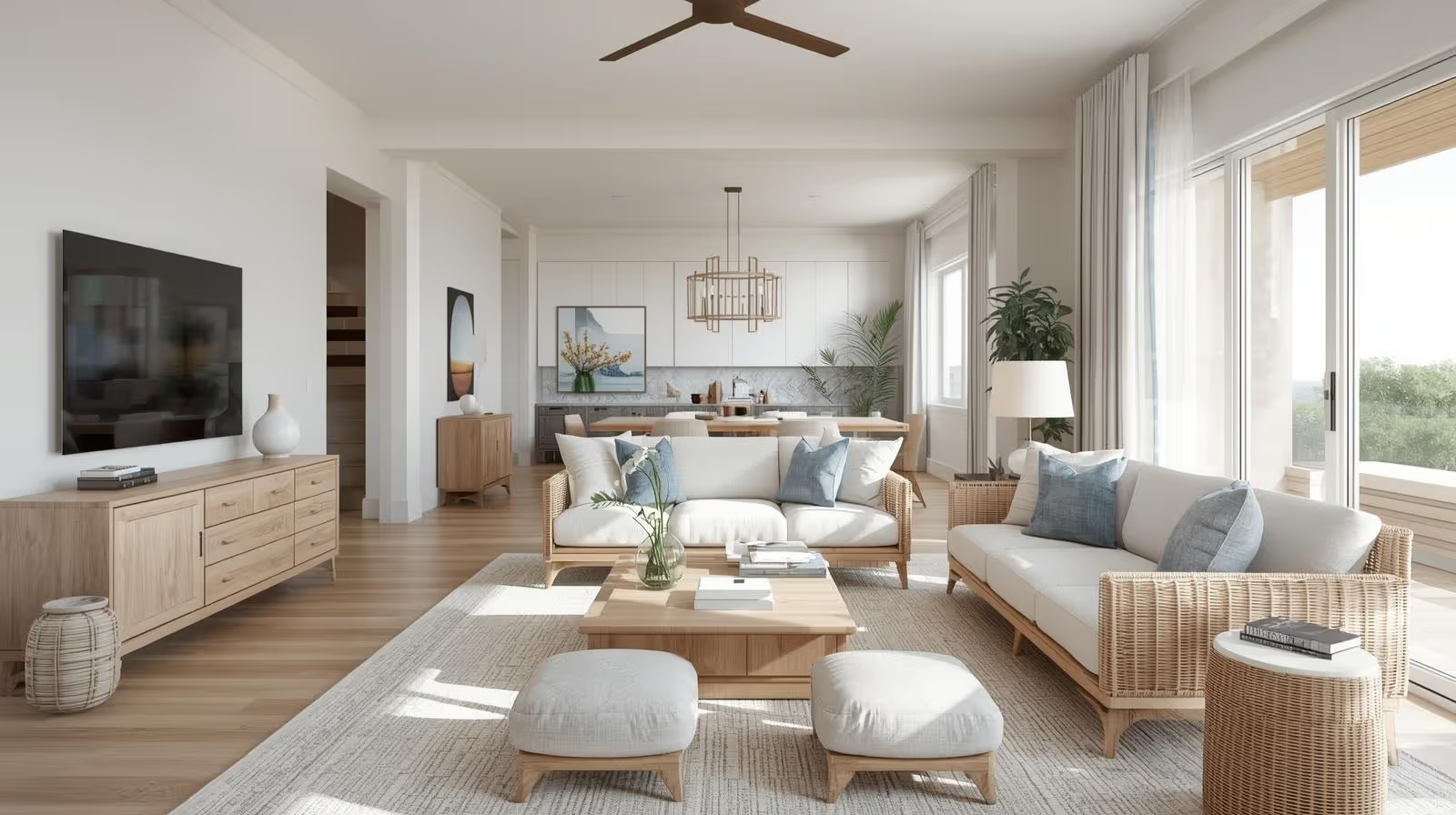
Guidelines:
- Light, airy color palette
- Natural textures like linen, rattan, light oak
- Soft blues and warm neutrals
- Large windows and indoor-outdoor flow
- Minimal clutter, relaxed styling
- Avoid nautical clichés
Transitional Style: Mixing Traditional with Modern
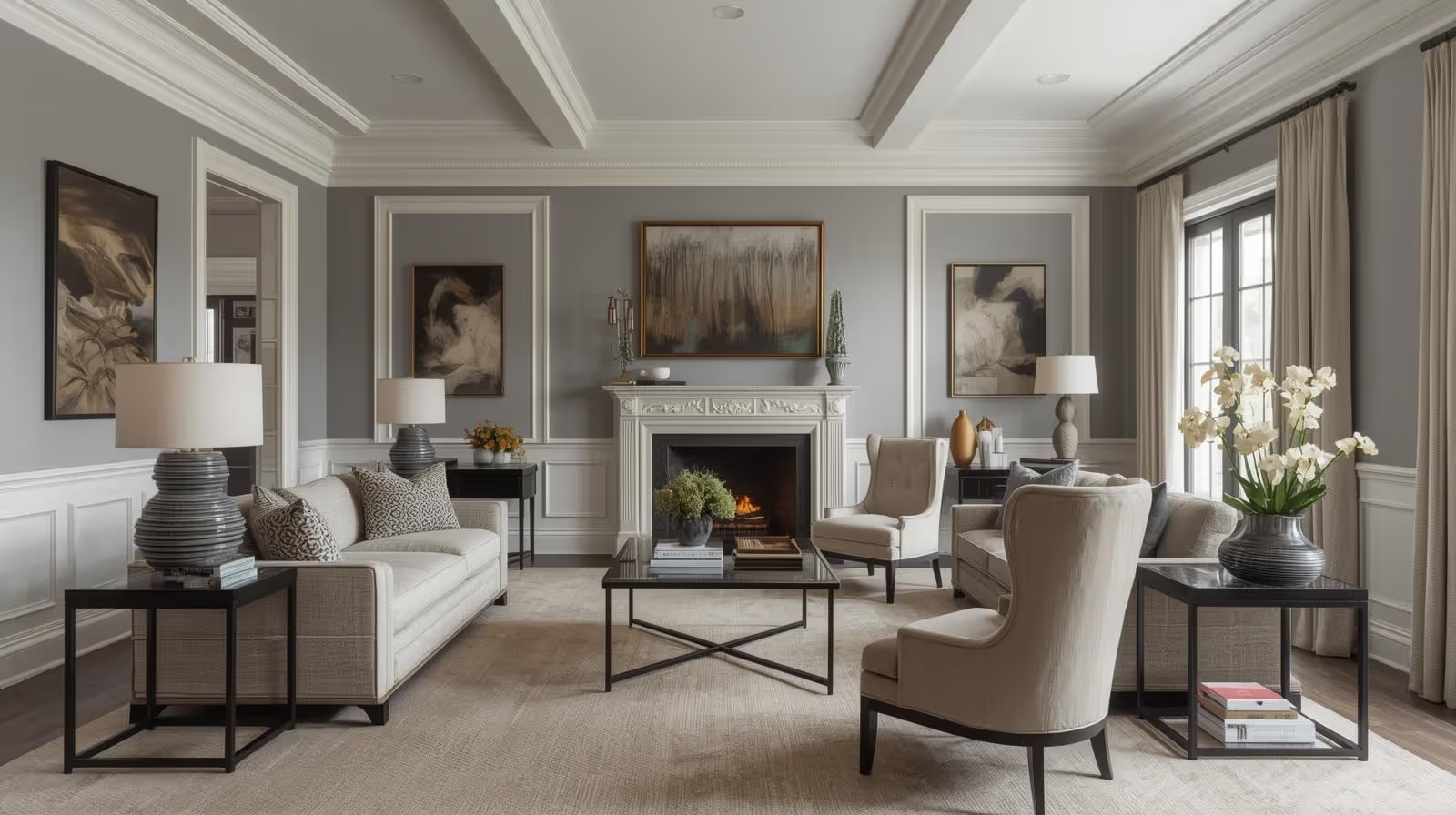
Guidelines:
- Blend classic architectural details with modern furniture
- Keep a neutral, cohesive palette
- Mix curved traditional forms with clean-lined pieces
- Use symmetry to maintain balance
- Limit ornate detailing
Transitional spaces should feel balanced and intentional. The idea is to combine familiarity with updated finishes, a combination that is more likely to support resale versatility.
Lifestyle and Functionality
Modern Orange County homes come with elevated expectations of convenience and relaxation. These spaces are meant to be sanctuaries for communities and families, which often include couples, children, extended family, friends, and pets.
A well-designed living room should support daily life while strengthening long-term market appeal.
Family-Friendly Modern Living Rooms
Open spaces without dangerous obstacles are the core feature of family-friendly living rooms. The NAHB consistently ranks open floor plans as the most desired homebuyer feature, with more than 85% favoring an open arrangement between the kitchen and living room.
Our own experience, backed by NAR statistics, also shows storage as a crucial component of living rooms. Organized spaces with less visible clutter are much more inviting to families, particularly young children and pets.
One issue that can’t be overlooked in living rooms meant for family use is durability and ease of maintenance. The reality is that there will be spills, damage, and all sorts of trouble given enough time. Using low-maintenance and easy-to-clean flooring and rugs makes your living room better for everyone. Some of the best options are:
- Performance fabrics
- Washable slipcovers
- Scratch-resistant flooring
Pet-Friendly Remodeling Choices
Pets often create unique needs for safety and maintenance decisions in the living room. According to the American Pet Products Association, 66% of American households have at least one pet. Even for homeowners without pets, pet-friendly living room remodel decisions increase your home’s desirability and potential price.
Pet-driven buying decisions are another one of many reasons why hard surface floors are ranked well above carpets in buyer preference surveys. Households with pets naturally value good hardwood floors even more.
In some cases, built-in pet spaces are a good addition. Think of amenities like:
- Built-in feeding stations
- Concealed pet beds
- Mudroom-adjacent wipe zones
These additions aren’t always necessary, but in some communities they are growing increasingly popular.
Designing for Entertaining and Hosting
Many of the remodeling ideas we’ve covered naturally make your home a nicer place for hosting others. Post-pandemic housing research demonstrates an increased emphasis on gathering and entertainment spaces.
It makes sense to think about how hosting gatherings would play out after your living room remodel is finished. With gatherings in mind, you are more likely to create a warm and welcoming space.
Some additional ideas that can make any living room better for hosting are:
- Conversation-oriented seating
- Flexible furniture layouts
- Lighting layers
83% of buyers’ agents say staging makes it easier for buyers to visualize a house as their future home. Living rooms are particularly important areas to stage.
In the US West Coast, an easy way to improve the hospitality of your home is with seamless indoor-outdoor integration. Additions like patios or decks, with the right sliding doors, allow guests to experience the best of an Orange County home, including the weather they know and love.
Small-Space & Apartment-Friendly Ideas
Condominiums and townhouses make up a large share of Orange County housing. Smaller square footage doesn’t place significant new limitations on a living room remodel, it simply demands more space-efficient design decisions.
First, think in terms of perceived spaciousness. You can leverage visual psychology by using meaningful, uncluttered spaces. Research repeatedly proves that uncluttered spaces are perceived as larger, especially when they are otherwise well-organized with clean lines and thoughtful spacing. Proper lighting and furniture decisions significantly scale visitors’ spatial perceptions.
We’ve mentioned it before, but we must note it again here: multifunctional furniture increases the value of any living room, especially a smaller one. Buyer preferences show two new trends that have only been increasing post-covid:
- Increasing interest in flexible-use spaces
- Remote work has increased the demand for adaptable living rooms
So, to make the most of limited living room space, leverage improvements like:
- Fold-away desks
- Storage ottomans
- Modular seating
Technology and Smart Living
Over 93% of U.S. households report owning at least one smart home device. In our guide to smart home remodeling, we cover the many ways smart homes can help you:
- Save money over time
- Waste less energy
- Add convenience
Common smart home upgrades added during remodels include:
- Smart climate control
- Automated lighting
- App-based monitoring
The U.S. Department of Energy reports that smart thermostats can reduce heating and cooling costs by roughly 8% to 10% annually. For this reason, a thorough living room remodel is a great opportunity to integrate smart features into your home.
How to Maximize ROI in Orange County Living Room Remodels
According to the National Association of REALTORS Profile of Home Staging Report, the living room is one of the most important rooms in influencing buyer perception and purchase decisions. Over 80% of buyers’ agents believe the living room is one of the most important spaces to stage.
Remodeling Projects That Add Resale Value
Not all living room remodels contribute equally to equity contributions to your home. NAR data is very clear regarding which exact remodeling projects add the best returns:
- Hardwood floor refinishing: 147% cost recovery (NAR Remodeling Impact Report)
- New hardwood flooring: 118% cost recovery
- 83% of buyers’ agents say staging makes it easier for buyers to visualize a property (NAR Profile of Home Staging)
- Open layouts and natural light consistently rank among the top buyer preferences (NAHB)
In addition, we have a few guidelines for choosing the most impactful living room projects for your remodel:
- Always aim to improve the condition ranking of your living room (this is why flooring provides such high returns!)
- Try to increase any visitor’s first impressions with every improvement
- Think in terms of reducing buyer objections or hesitation
Some examples of the projects that provide all of these benefits include:
- Refinishing or upgrading flooring
- Updating outdated fireplaces
- Removing heavy architectural elements
- Enhancing natural light
- Neutral repainting
- Integrated storage
Balancing Timeless Design with Trendy Touches
Trends don’t always last, and many trends are controversial even when they are at their peak. However, it’s possible and often advisable to strike a balance between trends and timeless design. The key is to first understand what timeless design means.
Timeless design theory focuses on durability, elegance, and functionality. So, a timeless living room is one that:
- Uses high-quality natural materials
- Offers a functional space that is easy to entertain, store items, and spend time in
- Is more neutral in terms of palettes and furniture
Timeless living rooms that meet current trends are built on strategic choices. For example, despite whatever current trends exist, neutral palettes normally outperform bold, personalized finishes. In some Orange County neighborhoods, a lack of bold interior and exterior palettes may cost you in the short term. However, clean and modern layouts typically rank higher for long-term desirability.
The result of your living room remodel should emphasize:
- Durable materials
- Neutral bases
- Trends layered through decor, not structural decisions
Working with Local Contractors and Designers
Working with local talent is one of the best choices you can make to:
- Follow structural and electrical permit requirements under the California Building Standards Code
- Follow the localized code enforcement variations of different Orange County municipalities
- Support the local economy
In high-value markets like Orange County, your execution quality influences appraisal condition ratings and the impressions you’ll leave on potential buyers. Licensed professionals familiar with local codes improve your building’s safety and resale value.
A Modern Living Room Remodel for Today and Tomorrow
- Key Takeaways for Remodeling Success
- Long-Term Value of a Modern Living Room Remodel
- Inspiration to Start Your Orange County Remodel Today
A modern living room remodel must be about more than trends or finishes. Modern homebuyers expect a living space, one that is highly functional, proportional, and relaxing. In Orange County in particular, this means a sense of openness, seamless indoor-outdoor transitions, clean large spaces for spending time, and copious natural light.
With the right execution that includes all of the most important parts of Orange County living rooms remodeling, you can craft:
- Long-term value
- Equity growth
- A true living space
How much is your home's worth?
Get your personalized estimate today.














Rebecca Denis, Head of Design at Revive Real Estate, is an accomplished and highly creative interior designer with over ten years of experience in the industry.