Open-concept kitchens changed the way we think about shared space. Now, homeowners are asking a bigger question: can the same openness transform the bathroom? An open-concept bathroom is more than a design trend. It reflects a shift in how homeowners think about space, functionality, and long-term property value. By removing traditional barriers, this layout blends relaxation, style, and functionality into one connected experience.
But unlike paint colors or fixtures, layout decisions carry long-term impact. The way your bathroom flows affects daily comfort, resale appeal, and ultimately the value of your home. Before committing to open-concept design, it is important to understand how it works, where it adds value, and whether it aligns with your lifestyle and financial goals. Before removing walls, get a clear estimate of how this could impact your home’s value.
What Is an Open-Concept Bathroom?
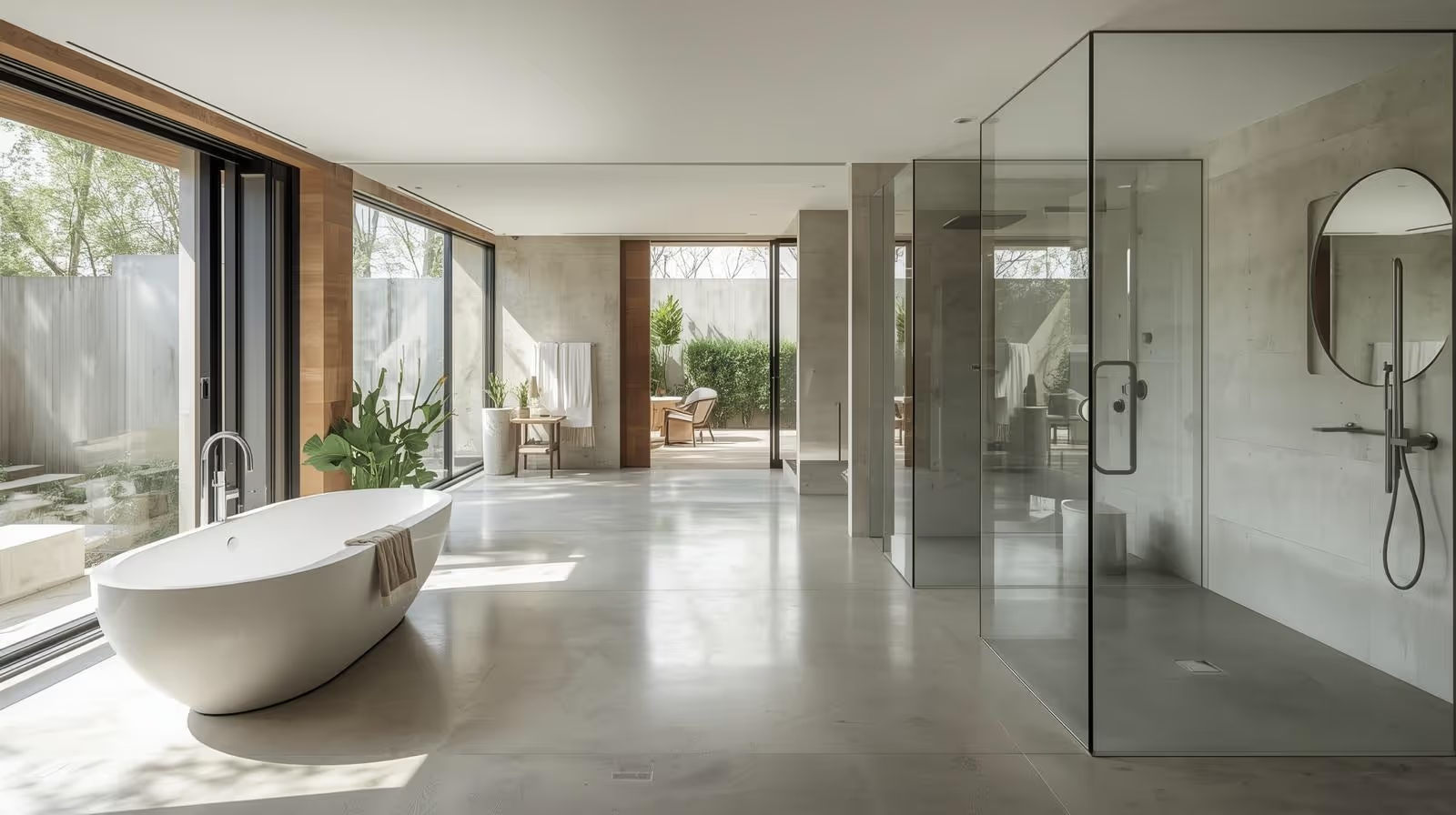
Open-concept bathrooms lack the segmentation of traditional bathrooms. With this design, we're trading built-in acrylic tubs or traditional shower stalls for freestanding tubs and glass-encased shower/spa systems. If we're talking about en-suite bathrooms attached to a home's primary bedroom, there's also a more informal entry from the bedroom that lacks a doorway. For example, a half-wall or archway that introduces the bathroom without creating a doorway that formally separates the two rooms.
Open-concept bathrooms can transform a primary suite into a cohesive, spa-inspired space, reducing physical barriers and creating a more seamless layout. At Revive, we help homeowners evaluate renovations through a value-first lens, weighing project cost against long-term equity potential. We evaluate renovation ROI by analyzing local comparable sales, buyer demand patterns, and projected after-renovation value relative to cost. That way, decisions are grounded in real market data, not assumptions.
Pros and Cons of Open-Concept Bathrooms
What do we love or hate about open-concept bathrooms? The answer can vary based on how you plan to use your bathroom space. Here's a look at the pros and cons of this design approach.
Pros:
- An open layout enhances the sense of space, which can increase perceived value in well-designed primary suites.
- The streamlined design supports a modern aesthetic that many buyers associate with updated, move-in-ready homes.
- Improved accessibility and flow between bedroom and bathroom can make daily routines more efficient, particularly in primary suites designed for long-term livability.
Cons:
- Reduced privacy, which may limit appeal for certain buyers.
- Potential hygiene and moisture concerns, especially if ventilation and drainage are not properly planned.
- Open-concept bathrooms can feel less insulated, which may impact comfort and energy efficiency if not carefully designed.
Before you commit to an open-concept layout, talk with Revive about how this renovation could impact your home’s resale value. We’ll help you evaluate cost, market demand, and projected return so you can move forward with clarity.
Inspiring Open-Concept Bathroom Ideas
Open-concept bathrooms offer design flexibility, but the most successful layouts are aligned with buyer expectations and market positioning. However, clean lines and modern styles are generally hallmarks of this look because they prevent visual clutter. Here's a look at some open-concept bathroom ideas that work best.
Seamless Privacy: Smart glass or frosted dividers

If you're not sure you want to go fully open, smart glass or frosted dividers provide privacy without closing off the space. This approach maintains the visual openness buyers associate with luxury while protecting functionality. In many markets, preserving privacy can broaden buyer appeal and reduce resale risk compared to fully doorless layouts.
Nature's Embrace: Garden bath oasis with outdoor connection
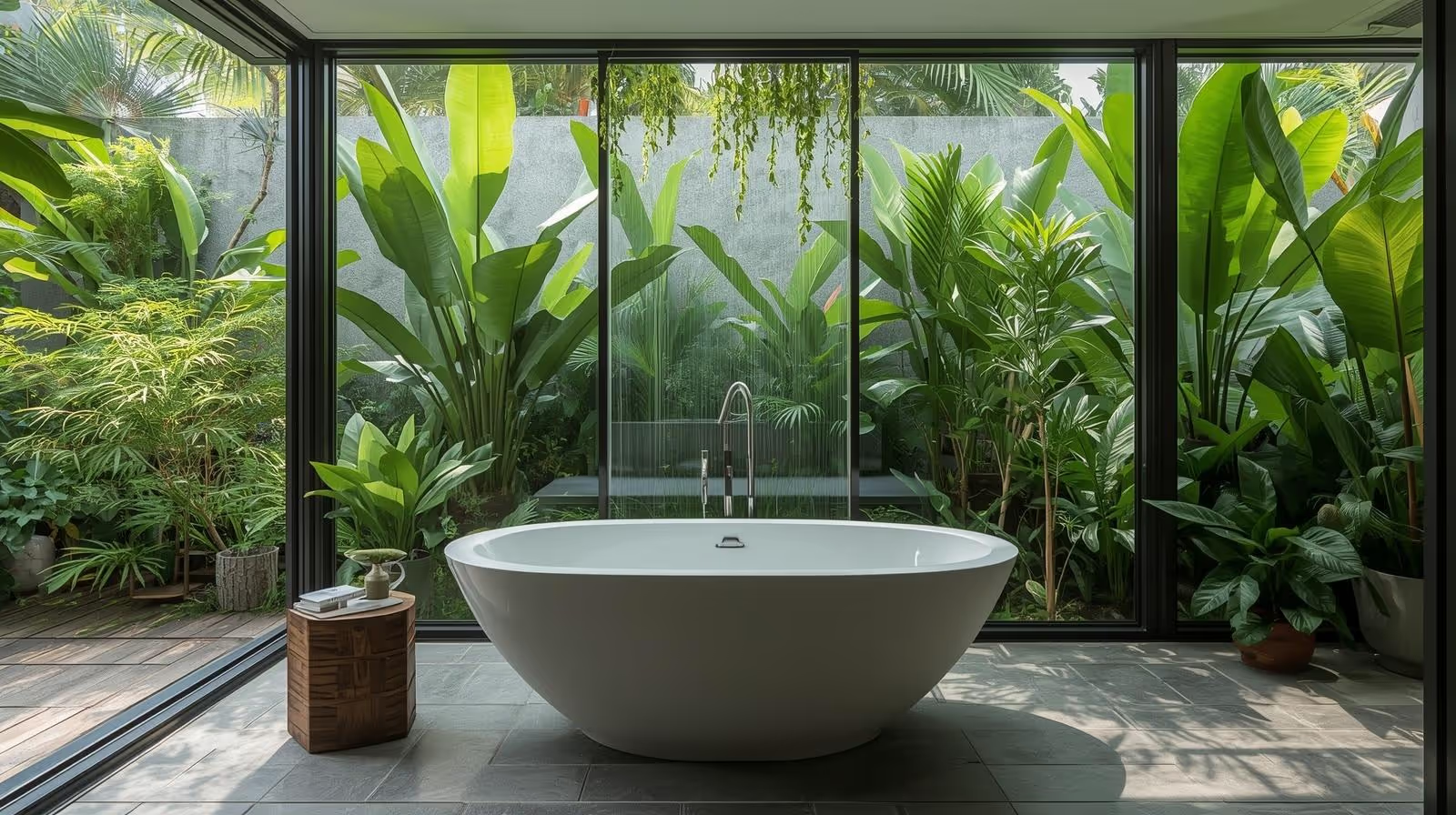
Natural light and outdoor connections can elevate perceived luxury, particularly in markets where premium primary suites command higher resale value. If you're doing more extreme renovations, consider placing a freestanding tub in front of glass doors that open to a balcony or deck to bathe with views of the outdoors. However, this type of upgrade tends to perform best when the surrounding neighborhood supports premium finishes. Align the investment with your market level to protect return potential.
Minimalist Corners: Compact, space-saving designs

When building an open-concept bathroom from scratch, a primary goal is eliminating corners that create wasted space. Existing corners in a bathroom under renovation should be treated as opportunities for built-in shelving rather than arbitrary dividers. When borrowing space from a bedroom, evaluate whether the trade-off improves overall suite functionality and long-term marketability.
Statement Fixtures: Centerpiece freestanding tubs

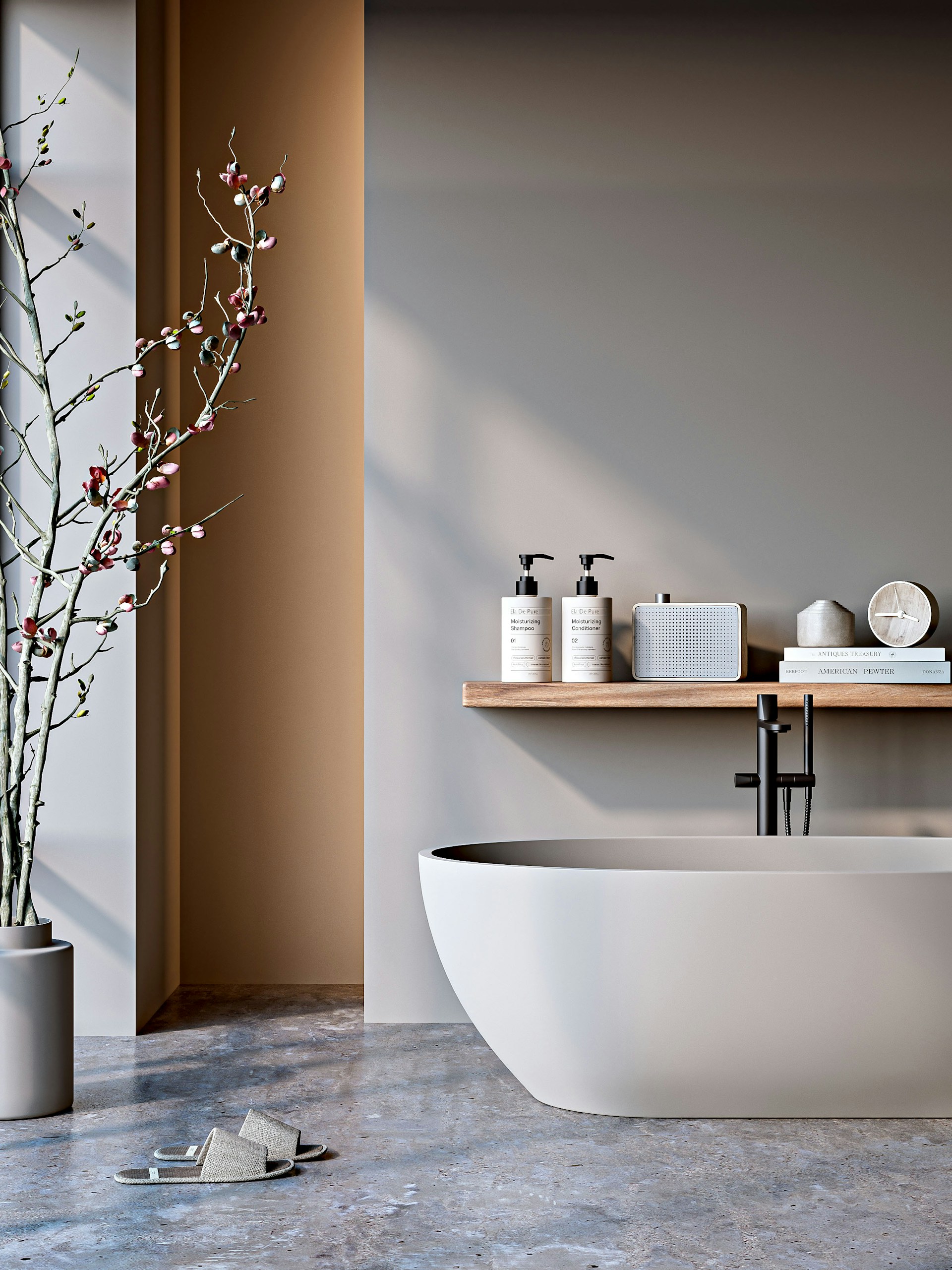
A freestanding tub is a defining feature of many open-concept bathrooms, often serving as a visual focal point that elevates the overall presentation of the suite. A modern pedestal tub is the default pick for open-concept bathrooms because of its clean profile. Choosing clean profiles over niche design trends can help protect long-term resale flexibility.
Spa Retreats: Saunas, steam showers, aromatherapy zones

Wellness-oriented upgrades such as steam showers or saunas can differentiate a home in upper-tier markets, but should be evaluated against buyer demand before allocating budget. Strategic upgrades outperform purely aspirational ones.
Integrated Vanity: Shared spaces that connect with the bedroom
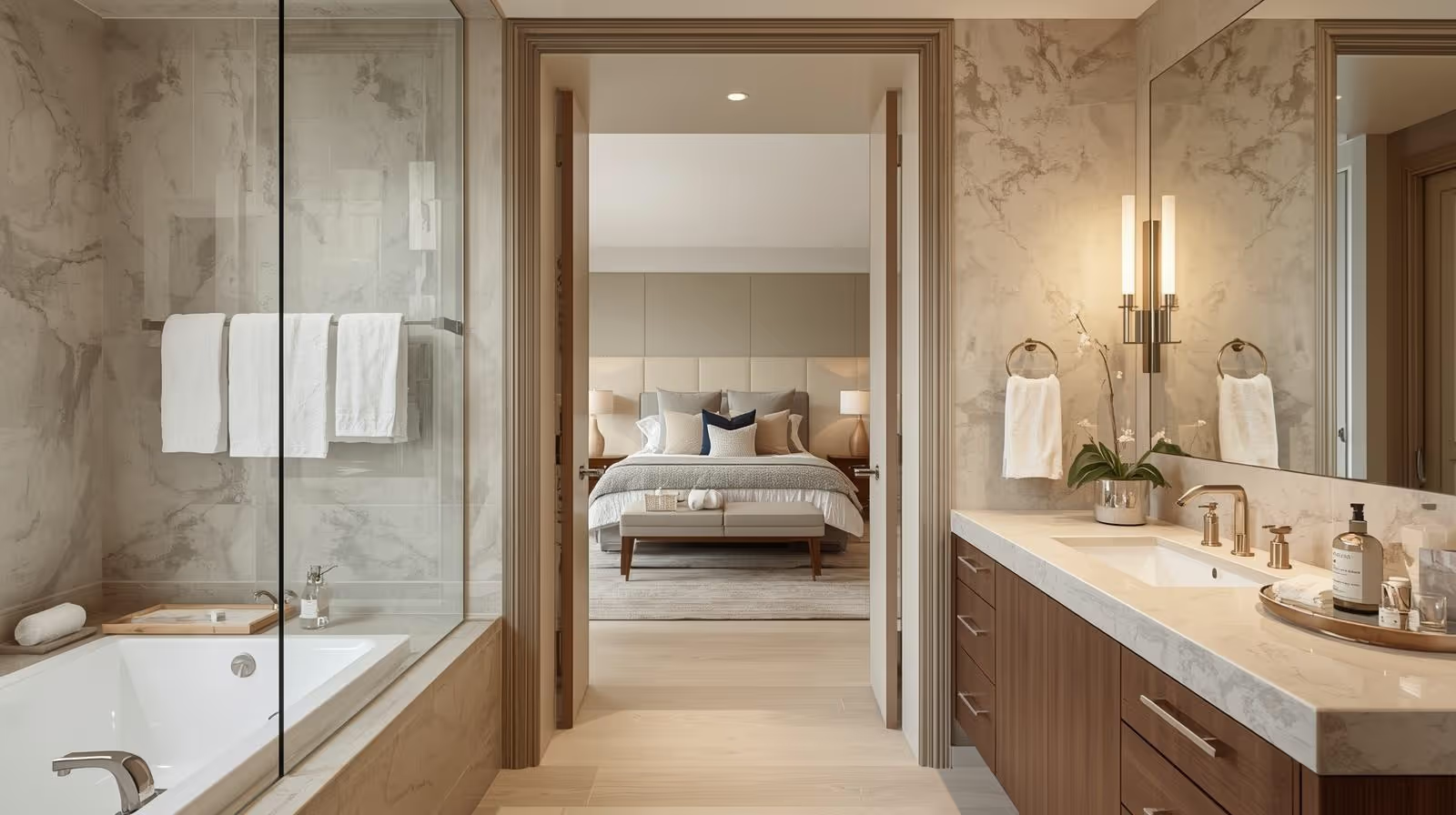
Here's where we discuss one of the hallmarks of the luxury bathrooms being added to high-end homes today. By creating a transitional space that blends the dry areas of the bathroom with the bedroom, you can elevate the entire primary suite. The key is maintaining clear zoning so the layout feels intentional rather than unfinished. Buyers respond well to thoughtful integration, not ambiguity.
Wardrobe Dividers: Combining bathroom and closet storage
As you design your new open-concept bathroom, think about how the process of getting ready goes. For most people, morning and bedroom prep times involve going back and forth between the bathroom and closet. Efficient layout design signals thoughtful planning, which supports a stronger presentation during resale.
Color and Texture Flow: Coordinated materials across open zones
It's so important not to break up the flow shared between the open-concept bathroom and the primary bedroom and walk-in closet. This is why a bathroom renovation in the primary suite typically leads to a full or partial bedroom renovation. If possible, keep the flooring material consistent across all zones. The same applies to wall color and ceiling finishes. Anything in your field of vision, from any vantage point, should share a cohesive palette. Cohesion can make the suite feel larger and more refined, strengthening perceived value.
Design Elements That Make It Work
Beyond designing the visuals of an open-concept bathroom, it's important to create a functional space that delivers long-term value to your home. The best way to achieve this is to have work performed only by licensed professionals who can comply with applicable codes and obtain the necessary permits on your behalf. Because bathroom renovations directly impact plumbing, drainage, and structural systems, precision and professional oversight are critical. Here are some key elements to prioritize in your renovation:
- Division: If you have concerns about privacy or overexposure, utilize frameless glass and clear partitions. An article on Realtor.com notes that some people strongly dislike doorless bathrooms.
- Drainage: Consider sloped drains to prevent water from pooling on your bathroom floor and causing flooding and mold.
- Ventilation: Be sure to have a professionally designed ventilation system to control humidity and prevent mold damage.
- Lighting: Natural light and skylights get high priority in open-concept bathrooms because they make the space appear bigger and brighter. For nighttime, utilize task lighting over vanities or bathing areas to allow for moody ambiance instead of bright lights that could bounce off tile and become disorienting.
- Flooring: Prioritize continuous surfaces to unify spaces. Larger tiles are preferred because they create more sense of flow than smaller tiles. If you're unifying flooring between bathroom and bedroom, consider modern-finish wood-look tiles that are "cozier" compared to traditional tiles.
- Smart Home Features: Consider smart features that improve functionality and control, such as adjustable lighting or switchable privacy glass. A major trend in luxury bathrooms right now is switchable smart glass that lets you turn partition glass from transparent to opaque with the click of a button. Smart lighting or built-in sound systems that play music and podcasts are also in demand right now.
Thinking about opening up your primary suite? Connect with Revive to understand whether this upgrade will strengthen your competitive position and unlock additional equity in your market.
Common Challenges (and Solutions)
As with any bathroom design, the open concept presents its own set of challenges. Luckily, most of the pain points of this style are easily solved. Here's a cheat sheet to guide you when renovation challenges pop up:
- Privacy: As noted above, the use of smart glass and opaque partitions can be crucial to creating a functional, privacy-oriented open-concept bathroom. Movable partitions that can make your bathroom private in everyday life, while still maintaining the appeal of a true open concept.
- Moisture: For a bathroom renovation of this caliber, it's essential to work with a licensed plumber to develop a drainage plan. This often involves features such as waterproof flooring for spa-style showers or sloped floors that naturally drain water away from your living space to prevent pooling. Fans and ventilation systems are also important for mold prevention.
- Hygiene: While natural flow can enhance a bathroom's luxury, it's still important to maintain hygiene in your design. Take a step back from the bathroom blueprint to ensure all bathroom fixtures are properly spaced.
- Public Perception: Keep resale value in mind as you design your bathroom. While buyers appreciate standout design, functionality and usability ultimately determine long-term appeal.
Practical Alternatives to Full Open-Concept
Before committing to a fully open layout, evaluate whether this approach aligns with your home’s size, buyer pool, and resale strategy. Here are some ways to make an open-concept bathroom more realistic for the average family home:
- Install partial dividers or frosted sliding panels to zone your shower or spa area, making it easier for one person to use the main portion of the bathroom while someone else is showering.
- If you're still concerned about exposure, opt for a half-wall feature instead of installing full walls in the bathroom, which would create blocked-off or narrow spaces. Take advantage of any half-walls or corners by installing built-in shelving for storage.
- Are you worried that an open-concept bathroom will have a "cold" feeling? You can make a large, open space feel warmer without dividing it with walls by adding rugs and textiles with softer textures. Use zone lighting to ensure there are no "dark" spots in the bathroom.
Open-Concept in Small Spaces
Open-concept design rules can be adapted for smaller bathrooms. The easiest way to make a smaller bathroom feel larger is to use light or neutral colors. For example, a white vanity with white stone countertops. It's acceptable to use a monochrome bathroom with white walls, floors, and tiles if the goal is to make the space feel larger. A monochrome palette minimizes visual breaks, helping smaller bathrooms feel more expansive and cohesive. Reflective materials and mirrors are also visual tricks that can make a space appear larger.
FAQs About Open-Concept Bathrooms
Are open-concept bathrooms good for families?
Open-concept bathrooms can be beneficial for families because they provide the open space parents appreciate when helping young children bathe or brush their teeth. However, any main shared bathroom in a home will likely need privacy panels.
How do you control steam and moisture?
Professional ventilation is needed with a bathroom renovation. A bathroom should have an exhaust fan that runs whenever someone showers. If a bathroom has windows, windows can also be used to release steam. However, windows are only good-weather backups that are secondary to vents and fans.
Can this design work in apartments or small homes?
With a few small tweaks, an open-concept bathroom can work in homes of any size. Homeowners with tighter spaces may need to choose between a shower and a tub. If you're especially tight on space, consider integrating an existing closet or portion of a bedroom into the bathroom by opening up walls.
Final Thoughts
An open-concept bathroom is not just a design choice. It is a structural decision that shapes how your home lives and how it performs in the market. For some homeowners, it unlocks a more luxurious primary suite and stronger buyer appeal. For others, it may limit privacy or narrow resale interest. The difference comes down to planning, execution, and understanding your local market.
At Revive, we help homeowners evaluate and execute renovations through both lifestyle and value lenses. Our goal is simple: make sure every improvement moves you closer to unlocking your home’s full potential. If you are exploring an open-concept bathroom, start with clarity. Understand the numbers. Understand the trade-offs. Then move forward with confidence.
How much is your home's worth?
Get your personalized estimate today.


Jessica Morrow, is a member of the founding team at Revive and today holds the position of Chief of Staff, overseeing companywide operations and acting as righthand and advisor to Revive’s CEO. With a background in real estate and ground-up construction, Jessica understands first-hand what it’s like to be in the ‘real estate trenches’ and aims to empower Realtors® with knowledge and tools to grow their businesses and bring value to their clients.