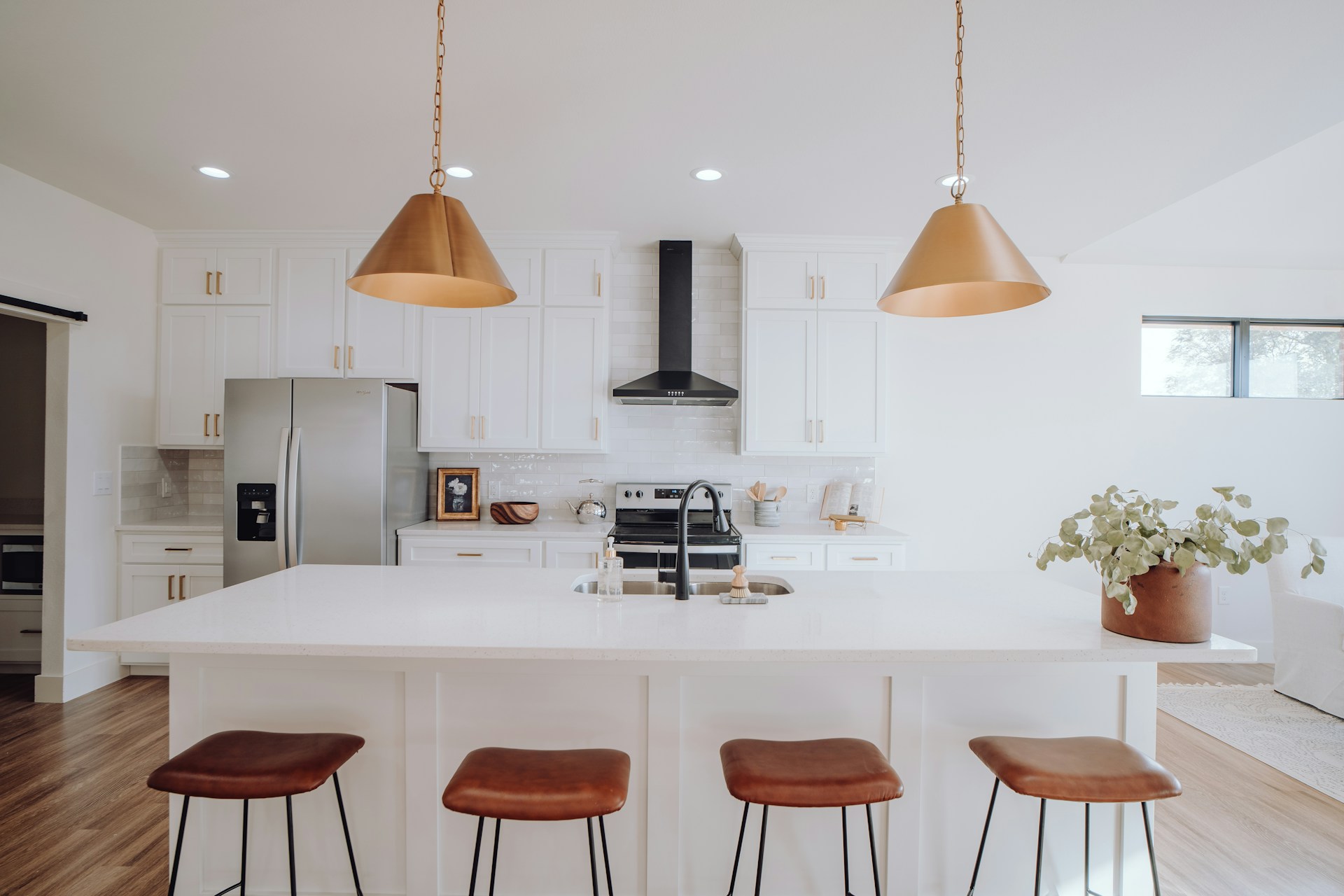
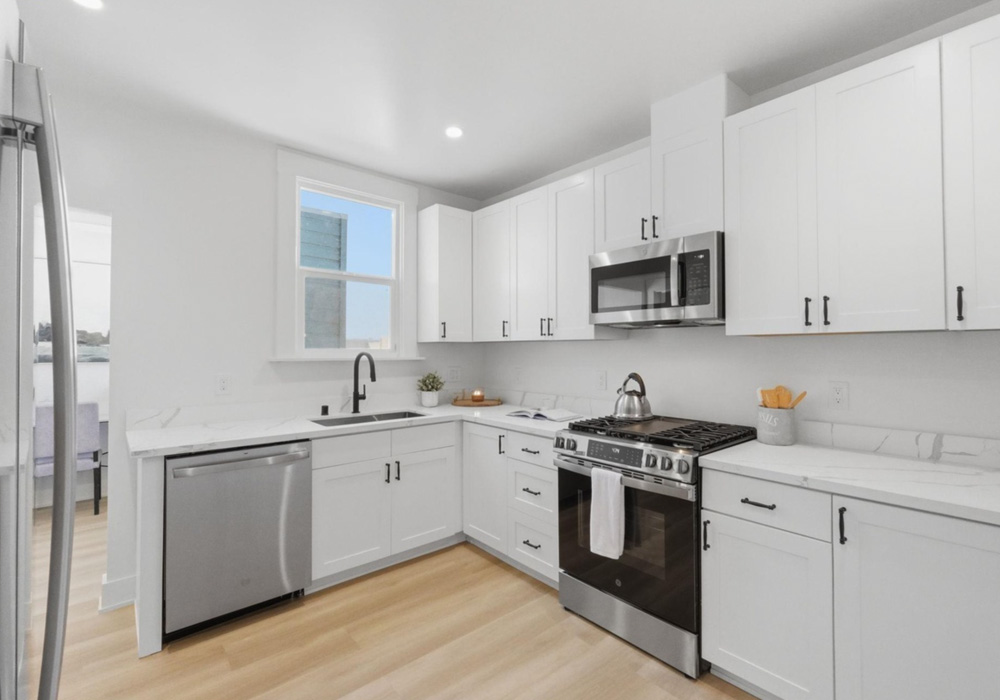
Modern San Francisco kitchens are becoming smarter and more functional. However, cost, culture, and living space constraints leave many San Francisco area kitchens smaller than those found throughout California.
Many houses and condos in San Francisco offer utility but come with space constraints, older layouts, and condo limitations.
It’s easy to look at a small, old kitchen and wonder if anything can really be done to make it better. But smart design can completely transform a kitchen, making it feel bigger, brighter, more functional, and better aligned with long-term home value. With the right strategy, a small kitchen remodel can become a driver of long-term value, daily usability, and stronger resale potential.
In this guide, we cover:
- The unique situation and challenges of San Francisco homes
- Layout strategies that maximize small kitchens’ potential
- Smart storage and the outsized impact it has
- Appliances and fixtures
- Light, color, and material choices
- Multi-use solutions in small spaces
- Small vs large remodel projects
- Mistakes to avoid when remodeling a small San Francisco kitchen
Understanding Small Kitchen Challenges in San Francisco
Small kitchens have been the norm in San Francisco since the early 20th century. San Francisco’s historic architecture, high population density, and culture of dining out have existed for almost a century now. With over 40% of homes in the city built before the 1940s, there is now a high demand for kitchens that meet modern standards, with less space to work with.
When most San Francisco kitchens were built, they were highly utilitarian, able to handle small-scale bulk cooking, with zero social considerations in mind. Kitchens were always meant to be small, separate rooms, in some cases acting as servants’ quarters, but were thoroughly separated from the other living spaces.
Older home designs now exist within modern, high-density living conditions. Condo rules, shared walls, and limited layout flexibility place restrictions on how San Francisco residents interact with and make modifications to their kitchens.
Some of the biggest challenges with old, small kitchens are related to storage for cutlery, cooking equipment, and everything else you need to maintain a functional kitchen. It’s normal to also have problems with appliance sizes, with San Francisco kitchens simply having fewer options than kitchens elsewhere.
The ideal kitchen remodel balances function, daily livability, and resale value, so every decision improves how the space works today and what it’s worth tomorrow. Small kitchens can also achieve this balance, it just takes more considerate planning.
Layout Strategies That Maximize Small Kitchens
There’s nothing wrong with having less space when you use that space well.
In this section, we cover the layout strategies that improve your kitchen’s day-to-day functionality and support long-term value.
Choose the Right Layout for Your Space
These are the layouts that often work best when remodeling small and old San Francisco kitchens.
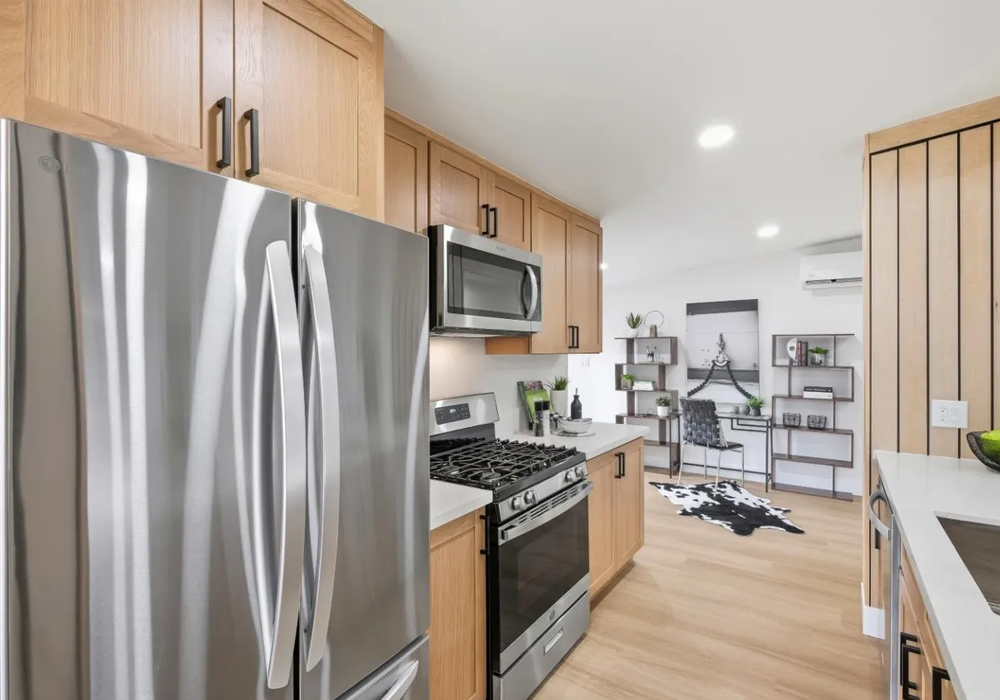
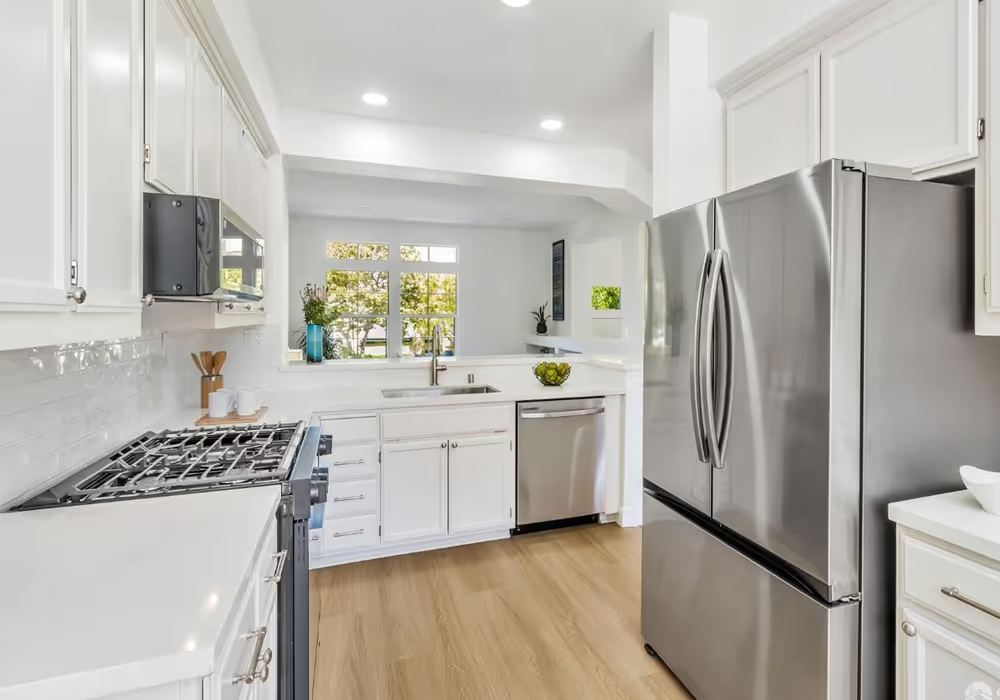
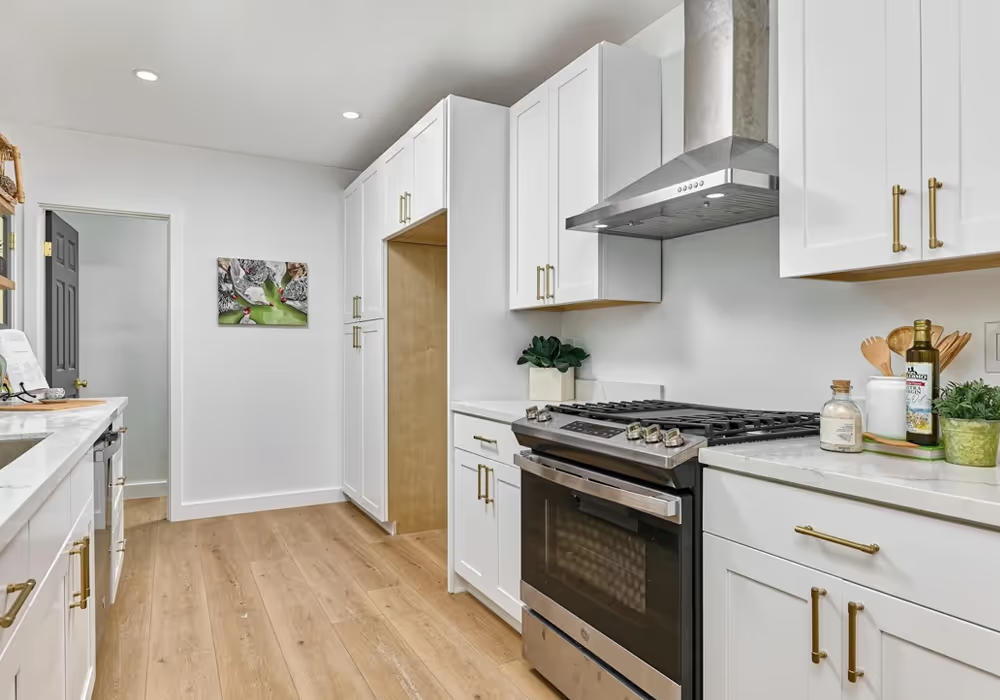
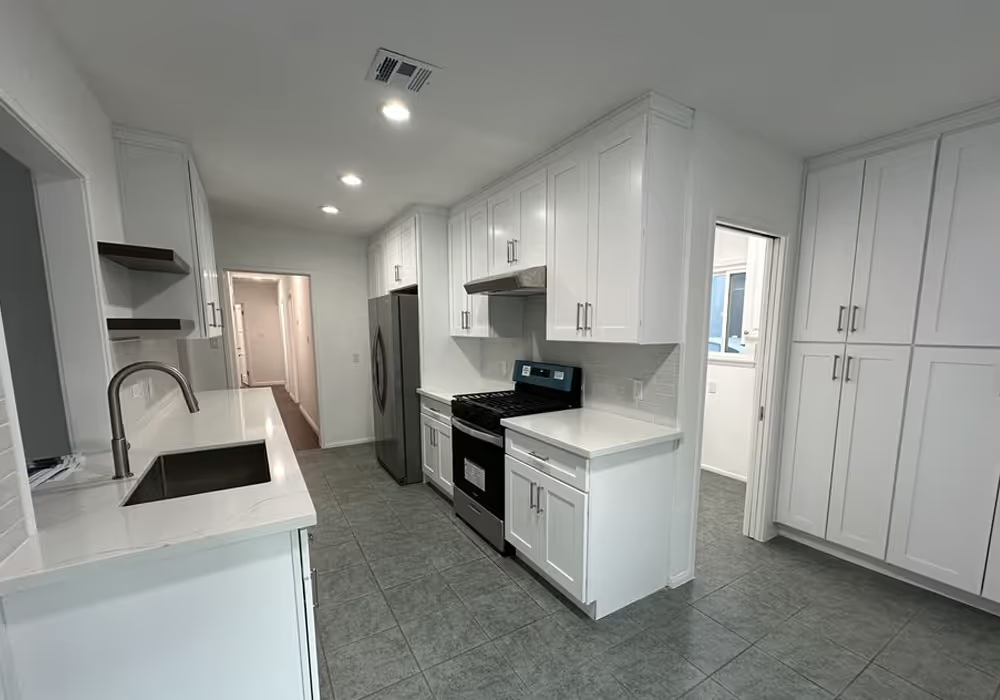
Galley kitchens
Galley kitchens are designed for efficiency in small spaces. The two parallel walls keep everything you need little more than an arm’s distance away. You get improved flow and waste far less time.
In old San Francisco homes, galley kitchens are often the simplest options for dealing with fixed walls and tight spaces. With good storage solutions, they combine simplicity with economy and functionality. Compared to most older layouts, galley kitchens can make a space feel more efficient and intentional, especially when paired with modern storage and lighting.
L-shaped kitchens
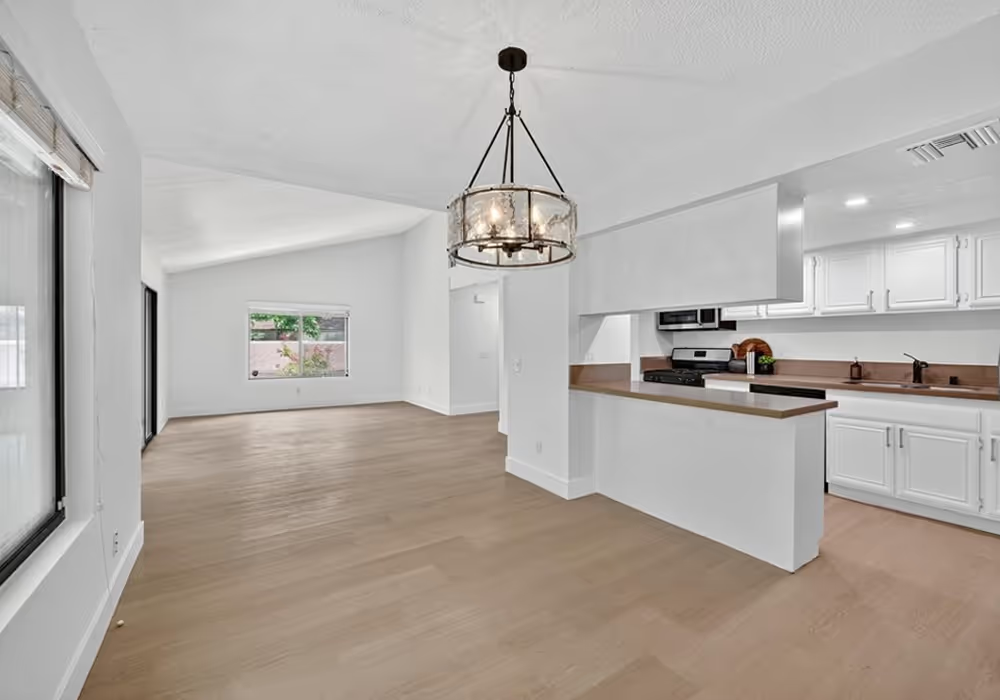
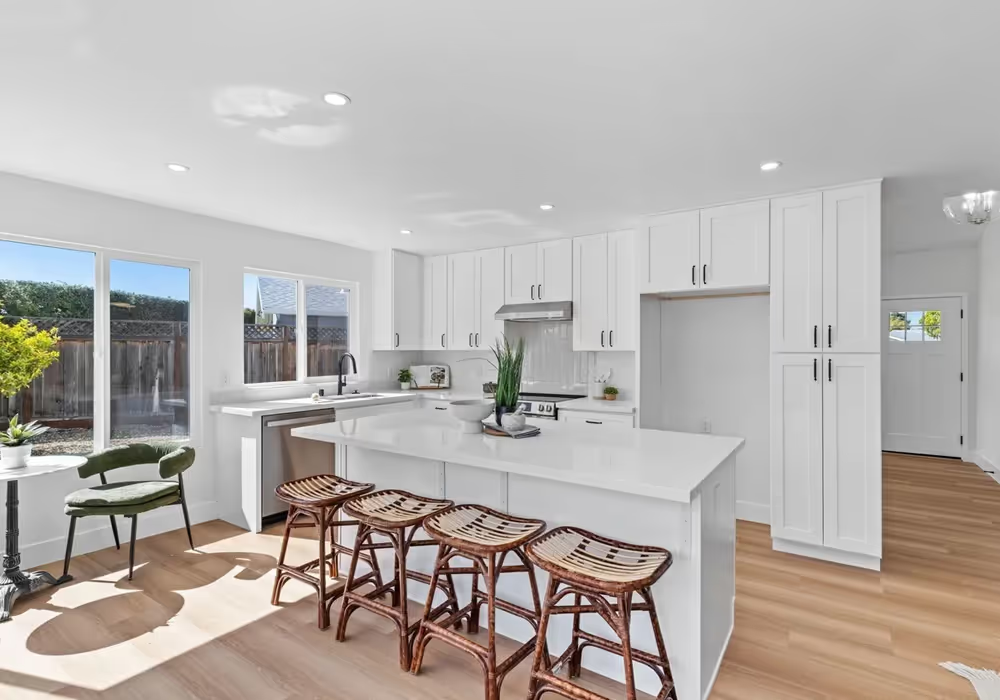
In homes with slightly more kitchen space, or with functional room to expand, L-shaped kitchens offer more of a feeling of openness while also maximizing usable space in a small area. L-shaped kitchens look how they sound, using two adjoining walls to form the cabinetry and appliance area.
L kitchens work better when connected with another room without major obstructions on the empty side of the L shape. When you are able to safely remove enough wall to move into an open concept setup, L-shaped kitchens can be ideal.
Compared with other small kitchen types, L-shaped kitchens maximize flow. Or, if you prefer, they may be able to accommodate a small island or dining area, if the space you’re left with is adequate. Many homes with small kitchens find the L shape to strike the best possible balance between openness, efficiency, and meeting modern buyer expectations.
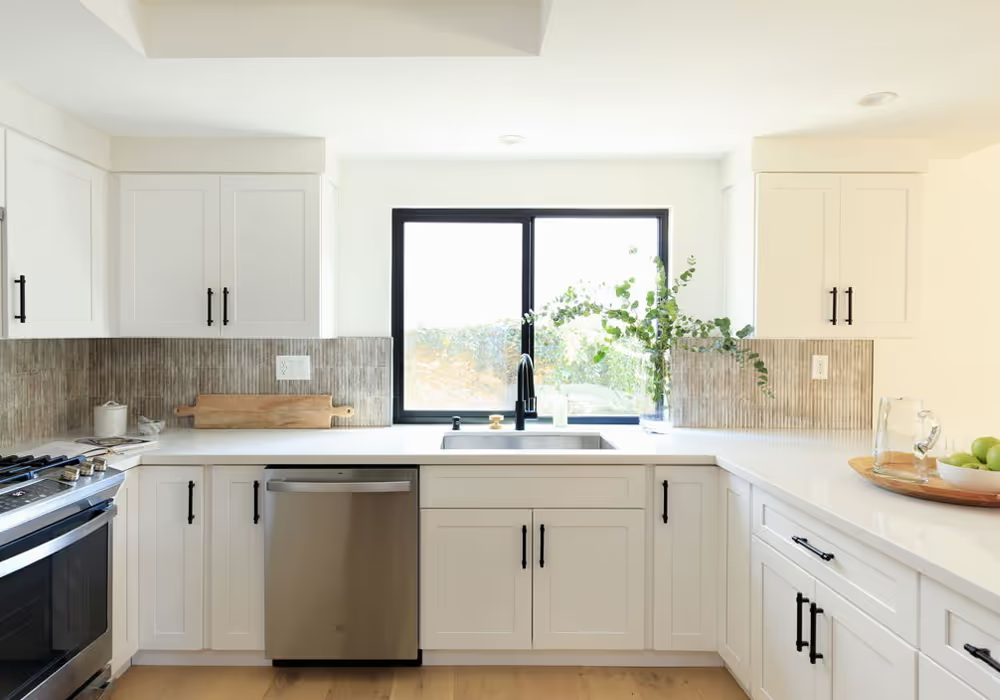
U-shaped kitchens
U-shaped kitchens use three walls to maximize storage space and make use of more or larger appliances. It’s a highly functional layout for regular cooking. In a U-shaped kitchen, everything is arranged tightly, offering an efficient workplace for group cooking efforts.
When remodeled right, U-shaped kitchens maximize storage capacity and make the space highly usable for cooking and/or entertaining. However, in small kitchens with inadequate planning, U-shaped kitchens can feel enclosed and tight, detracting from both utility and openness.
One-wall kitchens
One-wall kitchens are exactly what they sound like and are especially common in San Francisco condos. When space and structural limitations are extreme, as they often are here, one-wall kitchens are the only option.
In a one-wall kitchen, all the appliances, storage, prep areas, and everything else are all aligned on just one wall.
One-wall kitchen design is truly clean and minimal. However, it can still be worth it to remodel an older one-wall kitchen to modernize it. The key is smart organizational principles such as:
- Integrated appliances
- Ergonomic built-in storage
- Balance between robust and aesthetic cabinetry
Improve Workflow Without Expanding the Footprint
When you work with a small kitchen, you get the best returns when you focus on proven principles that make small spaces work best.
If you’re working with a really tight space and have no potential for expansion, the kitchen work triangle is a good place to start.
While it’s considered dated in many modern kitchens, the kitchen work triangle is still effective when it comes to dealing with small kitchen remodels. The idea is to arrange the stove, sink, and fridge in a triangle that maximizes workflows.
You may not need a thorough kitchen remodel if a smaller kitchen refresh might work. The focus doesn’t need to be a broad transformation. Instead, think about focusing on multi-functional surfaces and flexible prep zones.
Smart Storage Ideas That Make a Big Impact
Storage is the part of a kitchen that determines whether it will be highly functional or not.
Go Vertical With Cabinetry
When you have a small kitchen, thinking vertically is the best way to maximize your space’s utility:
- Floor-to-ceiling cabinets
- Deep upper cabinets
- Using soffits and dead space
A modern San Francisco kitchen renovation typically includes a lot of built-in storage options with strategic planning based on the utility of each part of the kitchen. Focusing on vertical space is one of the most effective ways to improve both storage capacity and overall functionality.
Maximizing the space used above chest level along the walls can leave a lot of room for movement, making a small kitchen more efficient than a large one.
High-Function Cabinet Features
The storage problems presented by a small SF kitchen can largely be fixed with high-function cabinetry. Pull-out drawers and organizers save space and improve mobility when they’re well-placed. For corners, well-placed lazy Susans or even blind corner pull-outs can give a small kitchen outsized storage capacity and utility.
If you want to add just a little more segmented space, toe-kick drawers can be added below the regular cabinetry.
Essentially, space alone does not determine a kitchen’s performance. Modern, quality functional cabinetry makes your space work harder for you.
Open vs. Closed Storage
For small San Francisco kitchens, finding the right balance between open and closed storage is important. You can also opt for glass-front cabinet doors and open shelving for better visibility, making sorting and finding what you need easier.
In many cases, closed kitchen storage is still the better choice. Closed kitchen storage offers a more controlled environment. If air flow isn’t ideal, they offer protection from the grease and smell of cooking. If there are young children or pets in the home, closed storage naturally offers better safety. Open shelving can be more divisive for buyers, which makes closed storage the more consistent choice when planning for resale.
Appliances & Fixtures Designed for Small Kitchens
How you use space matters more than how much space you have. In this section, we cover the fixture and appliance choices that make the best impact for small kitchens.
Compact and Integrated Appliances
Choosing the right appliance size and configuration immediately makes a small kitchen remodel much easier. There are plenty of ways to make use of less space without sacrificing performance:
- Counter-depth refrigerators
- Slim dishwashers
- Smaller ranges and cooktops
- Panel-ready appliances for a seamless look
- Drawer dishwashers
- Built-in microwave drawers
- Under-counter refrigerators
- Combination microwave-convection ovens
Multi-Functional Fixtures
Fixtures with more than one purpose are the ultimate space-savers. They maximize prep space but keep the whole kitchen feeling more organized and efficient.
Workstation sinks are a perfect example, including built-in ledges for accessories, making the sink itself a prep area. At the same time, you can add pull-down faucets that make your sink much more flexible and usable. Built-in cutting boards and drying racks complete the picture.
Making similarly good use of multi-functional spaces throughout your kitchen helps maximize usability without increasing square footage.
Light, Color & Materials That Visually Expand the Space
Colored lighting has measured effects on perceived pleasantness and the perceived size and openness of a room. In addition, color influences depth, contrast, and visual boundaries. Below, we cover how to shape the feeling of openness or confinement in a small kitchen space.
Color Palettes That Work in Small Kitchens
Color plays an outsized role in how small kitchens feel. A good color palette can reduce visual boundaries and foster a sense of openness.
In general, there are a few safe, strong schemes to remember when it comes to your kitchen’s palette:
- Light or neutral: Safe themes that are best at reflecting natural light when you have good exposure, also creating a more open and bright feeling.
- Monochromatic: Similar tones across all surfaces create a more uninterrupted flow, prioritizing relaxed uniformity.
- Subtle contrast: Without visual clutter, you get paced depth through slight variations in tone or texture, so the room feels open and relaxed.
Reflective & Light-Enhancing Materials
Some materials reflect light, while others also amplify and enhance it in different ways. The way objects interact with light can have a significant impact on how well a kitchen is lit and how big it feels.
Glossy or satin cabinet finishes reflect light very well, bouncing it around the room. The way satin cabinet finishes reflect light makes it appear more clean and polished.
Mirrored or glass backsplashes reflect both natural and artificial light in a way that adds greater depth. You can expect greater overall brightness across the room.
Quartz and light stone countertops are common choices for many reasons, with light adding another subtle benefit. Quartz and light stone produce subtle reflections that are soft but bright enough while being cohesive.
Lighting Strategies for Small Kitchens
Lighting often has a greater impact than surfaces on how a small kitchen feels. Below are some quick tips for making a broad but simple approach to maximize lighting and the effect it has on how your kitchen feels.
Layered Lighting Is Essential
- Use ambient lighting to evenly light the entire kitchen from recessed or flush mounts.
- Add task lighting under cabinets to brighten the prep areas and minimize shadows.
- Include accent and feature lighting to highlight backsplashes, shelving, or design features.
- Make sure recessed lights are spaced evenly to avoid having dark corners.
- Choose warm and consistent color temperatures.
- Use dimmers or smart lighting systems to adjust lighting by time of day and use.
- Layer multiple light sources wherever possible, especially natural lights.
Natural Light Enhancements
- Add skylights wherever feasible to add direct overhead light.
- Use pass-throughs or interior windows to share light between rooms.
- Install glass doors and transoms to extend natural light deeper indoors.
- Minimize window treatments so you maximize incoming natural light.
- Use lighter finishes near windows to reflect natural light further.
- Avoid blocking windows wherever possible, as that makes it impossible to have fully layered lighting.
- Where structurally possible, consider enlarging windows.
Flexible & Multi-Use Design Solutions
When you’re working with less space, it’s always advisable to aim to get more done in less space. Below are some tips for flexible and multi-use additions.
Moveable and Fold-Away Features
Just like any other area of a modern home, kitchens can benefit from moveable and fold-away furniture. Small kitchens can benefit the most from features like:
- Rolling islands and carts
- Fold-down tables
- Slide-out counters
Like with appliances and multi-functional fixtures, the more utility you can fit into an area, the bigger it will feel and the more you’ll feel at home there. The key is simply making the right remodeling decisions to get the greatest long-term enjoyment and value.
Minimalism That Still Feels Warm
Modern remodeling trends typically lean towards minimalism. But that doesn’t mean bland layouts, and it’s not too hard to strike a balance between minimalism and warmth.
The ideal is to simply maintain fewer competing elements in a small kitchen where contrasts will stick out far more. Minimalism in San Francisco kitchens is also about reducing visual clutter, using integrated hardware, and maintaining clean lines and cohesive finishes. The result is a space that feels larger, more cohesive, and comfortable to live in every day.
Quick Wins vs. Full Remodel Investments
Are you looking for fast and easy kitchen wins or a complete kitchen remodel?
Not every kitchen requires a full remodel to dramatically improve its appearance and utility. In some cases, meaningful improvement requires a full remodel rather than incremental updates. In this section, we look at the remodel features that have the highest impact with the lowest investment, then at the more comprehensive options.
High-Impact, Lower-Cost Updates
There are a few kitchen remodeling tasks that have relatively high impacts. These updates vary in cost but consistently deliver strong impact:
- Cabinet refacing or repainting
- Hardware swaps
- Lighting upgrades
Whether you want to do a partial or full kitchen remodel, these changes are more often worth the time and money. To make the greatest impact with the smallest budget, update these features with design elements that complement your home style and neighborhood.
Long-Term Remodel Upgrades
A thorough small kitchen remodel includes:
- Full cabinet replacement
- Layout reconfiguration
- Electrical and plumbing updates
These are the features that drive day-to-day experiences with kitchens and take longer to complete during a remodel. You can expect a higher cost and a much longer wait, plus considerations like permit requirements. However, these upgrades often deliver the highest long-term returns, with cabinetry, appliances, layouts, electrical and plumbing forming the core of appraised kitchen values.
Condo-Specific Considerations for San Francisco Kitchens
San Francisco condo remodeling comes with different constraints. We’ve gone over home design considerations and basic structural limitations, but there are some other rules and logistics-based considerations.
Many condos in the Bay Area have strict homeowner’s association rules for renovations. Most of the time, that means the condo requires you to do some mix of the following:
- Submit plans
- Use only approved contractors
- Follow scope and material guidelines
- Adhere to timeline restrictions
Specifically, it’s important to review HOA regulations that concern:
- Moving walls
- Allowed working hours
- Noise and access restrictions
- Relocating plumbing
- Kitchen layout changes
- Other ways you can work within or around the kitchen footprint
Because many changes require plumbing and electrical work, and everyone is using shared infrastructure, you may face more stringent rules when there is a possibility of shared systems being altered.
In most cases, working within the existing footprint is the most practical and cost-effective approach in San Francisco condos. As we’ve gone over, there are plenty of options for improvements within each type of kitchen.
Mistakes to Avoid in Small Kitchen Remodels
Below are some of the common but costly mistakes we’ve seen homeowners make with small kitchens.
Oversized appliances
Large appliances can quickly overwhelm a small kitchen. Because you have less space to work with, it’s crucial to make sure the space is used efficiently. Even one oversized appliance significantly limits what you can do with the rest of the kitchen.
It’s always safer to be minimal with appliances. Even if you don’t get the ideal use out of an important appliance because you sacrifice size, you still maintain better overall flow and functionality.
Too many finishes or materials
Mixing too many textures, colors, or overall styles makes a small space feel even smaller. If making a kitchen feel bigger and more functional is the goal, minimalism is the answer. Cohesive finishes create that clean, open look that makes a small kitchen feel cozy instead of cluttered.
Ignoring storage planning
If you forgo intentional and thoughtful storage planning with a small kitchen, it’s easy to clutter your space and reduce your kitchen’s long-term utility.
To avoid mishaps and constant clutter, prioritize:
- Smart cabinetry
- Logical organization
- Vertical storage options for small kitchens
- Long-term functionality
Poor lighting design
There are a few key mistakes some homeowners make when it comes to lighting:
- Using a single overhead lighting source
- Uneven lighting throughout the kitchen space often shadowing over work areas
- No under-cabinet task lighting
- Inconsistent color temperatures
- Overly dim or overly harsh
- Not using dimmers
- Ignoring natural light
Lighting should be carefully thought out. The lighting choices you make during a remodel will affect the long-term utility and enjoyability of your kitchen. They will also set the tone for future guests or potential homebuyers, who will normally notice your kitchen first before any other indoor part of your home.
Final Thoughts on Making a Small SF Kitchen Work Harder
Function is more important than square footage. With a small San Francisco kitchen, you simply need to fit more functionality into each square foot than you normally would.
With the right plan, you can design a kitchen that works for how you actually cook and live. Thoughtful planning can turn limited space into a highly functional, high-value kitchen.
How much is your home's worth?
Get your personalized estimate today.














Rebecca Denis, Head of Design at Revive Real Estate, is an accomplished and highly creative interior designer with over ten years of experience in the industry.