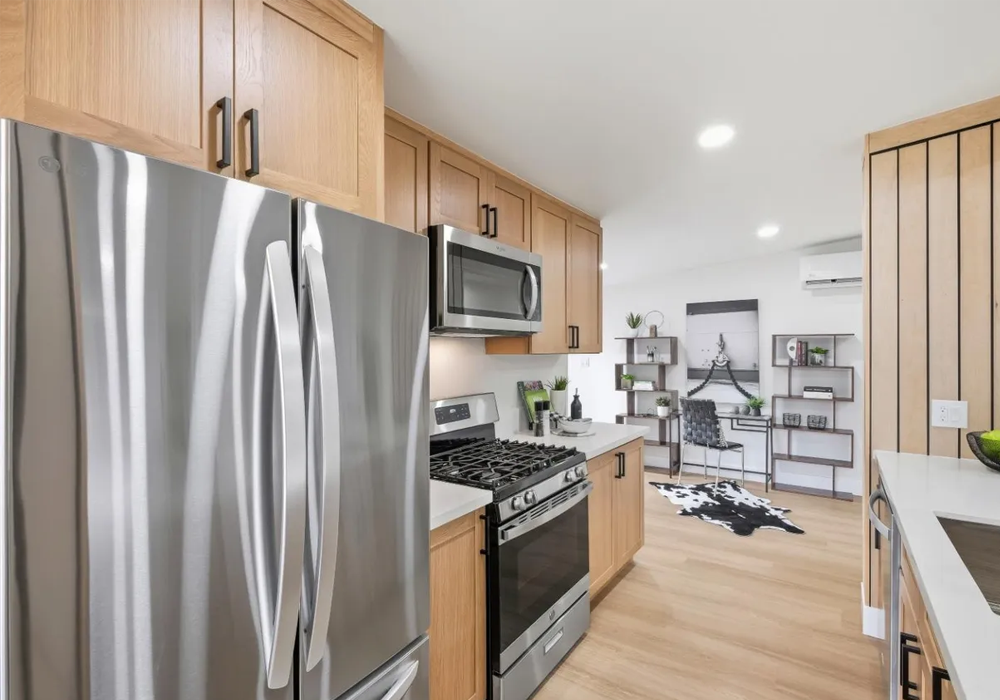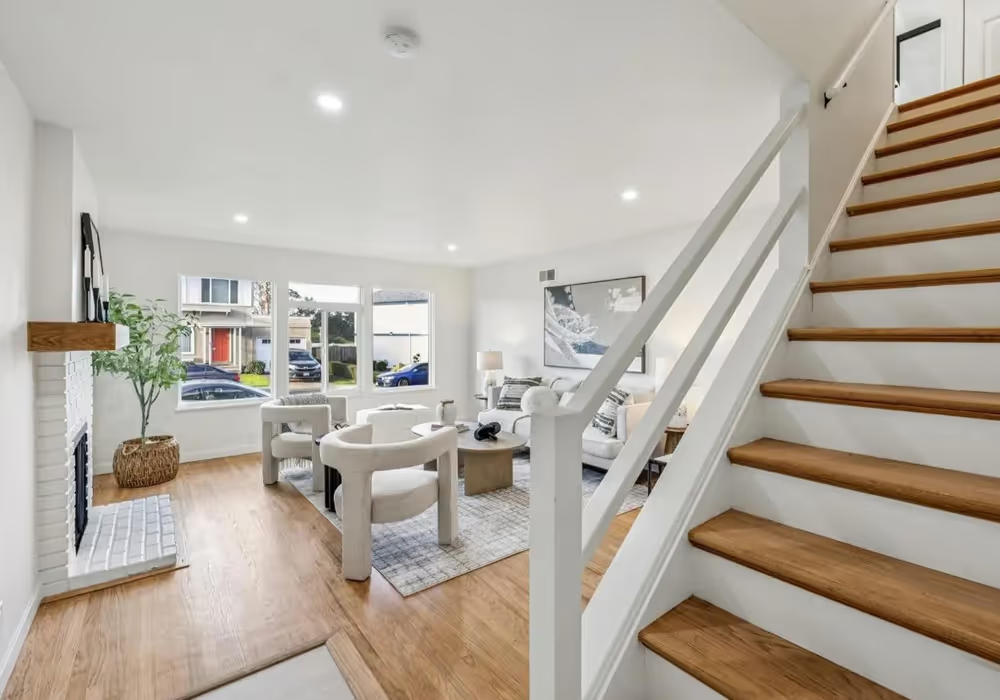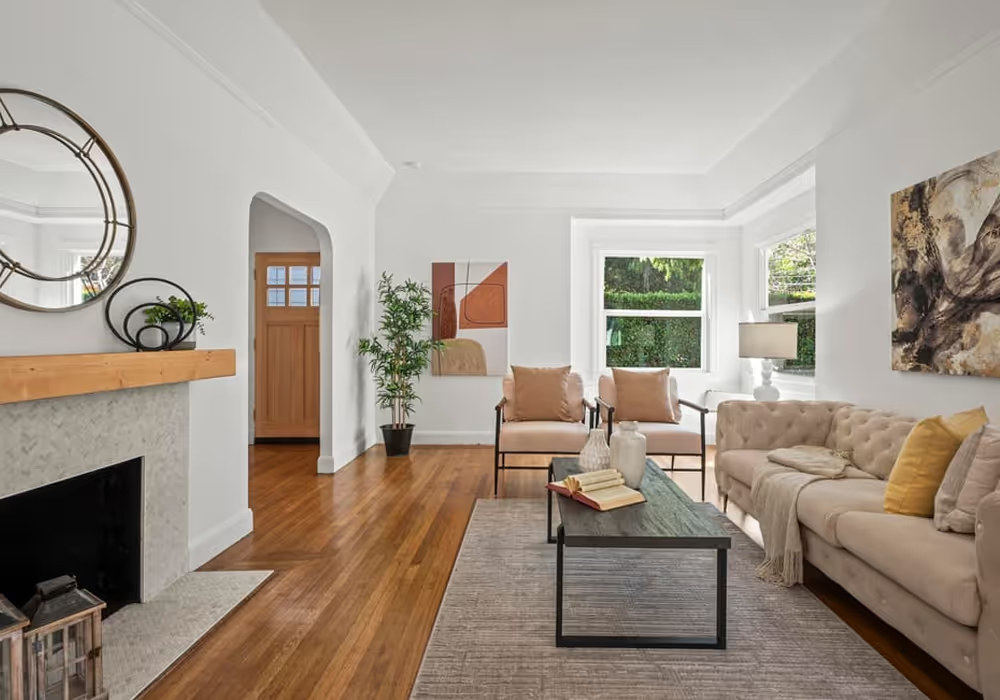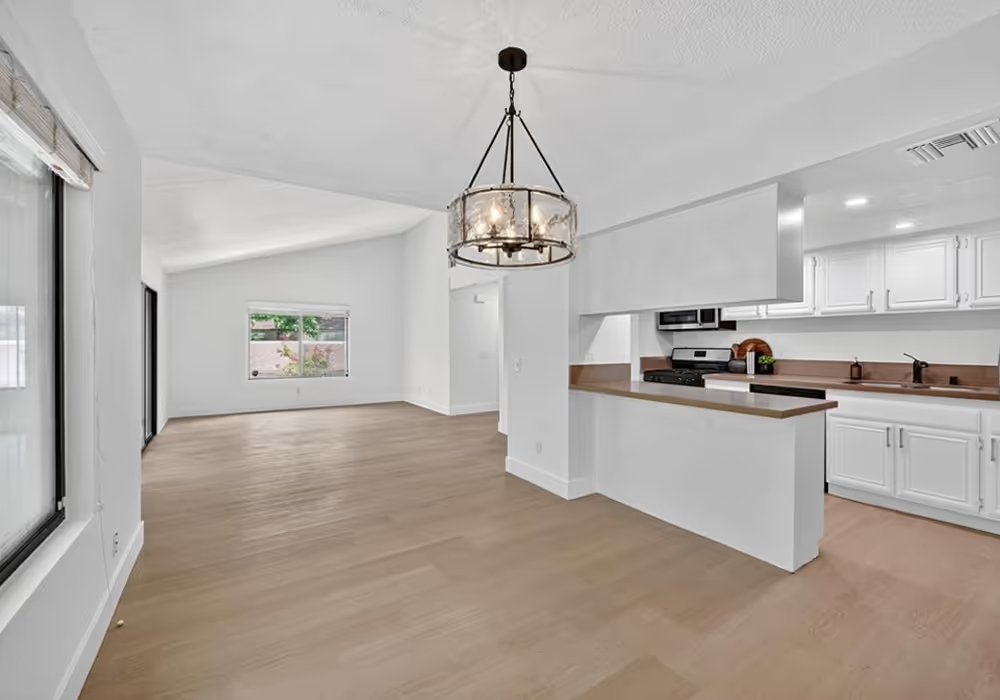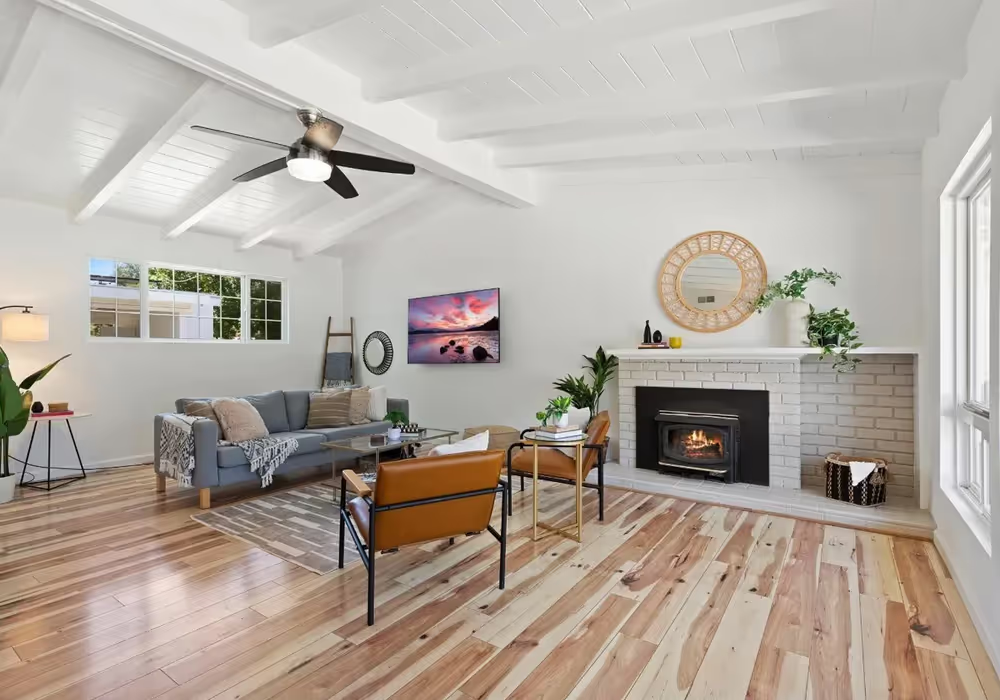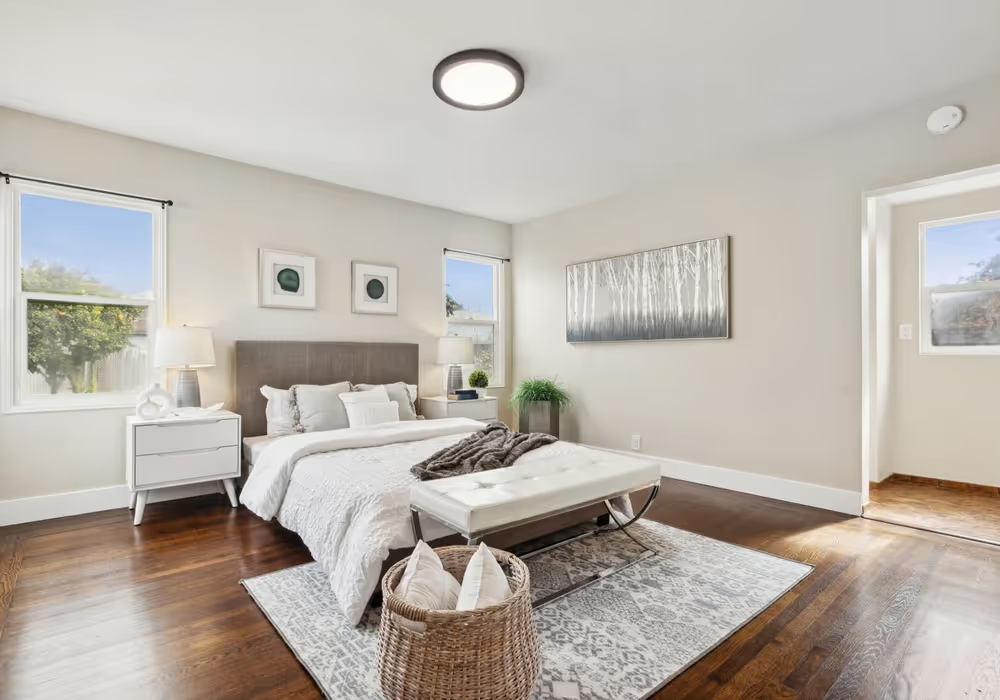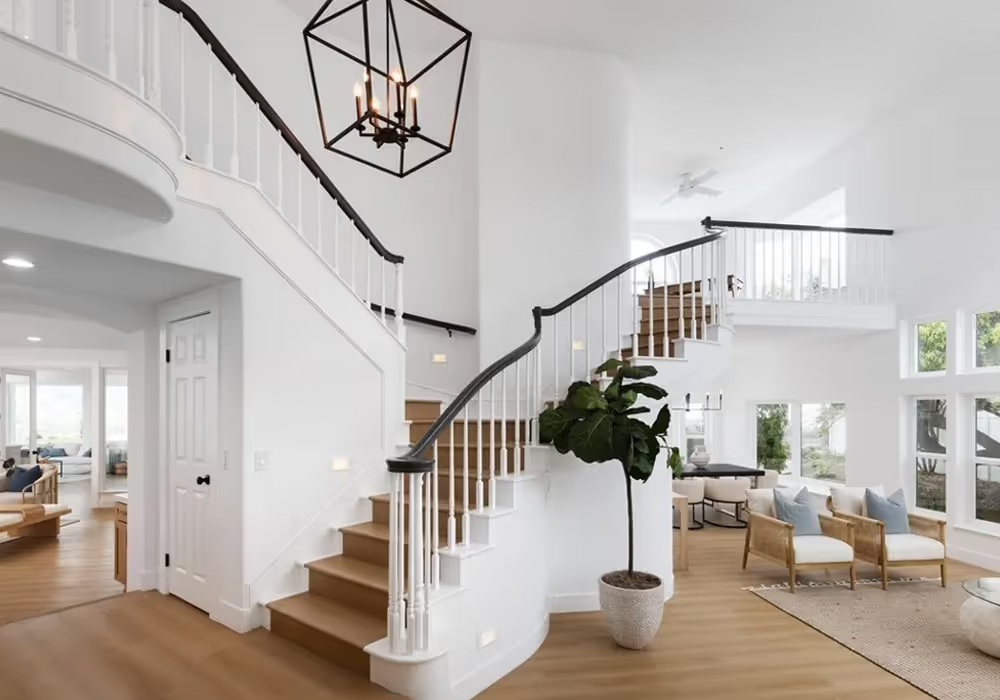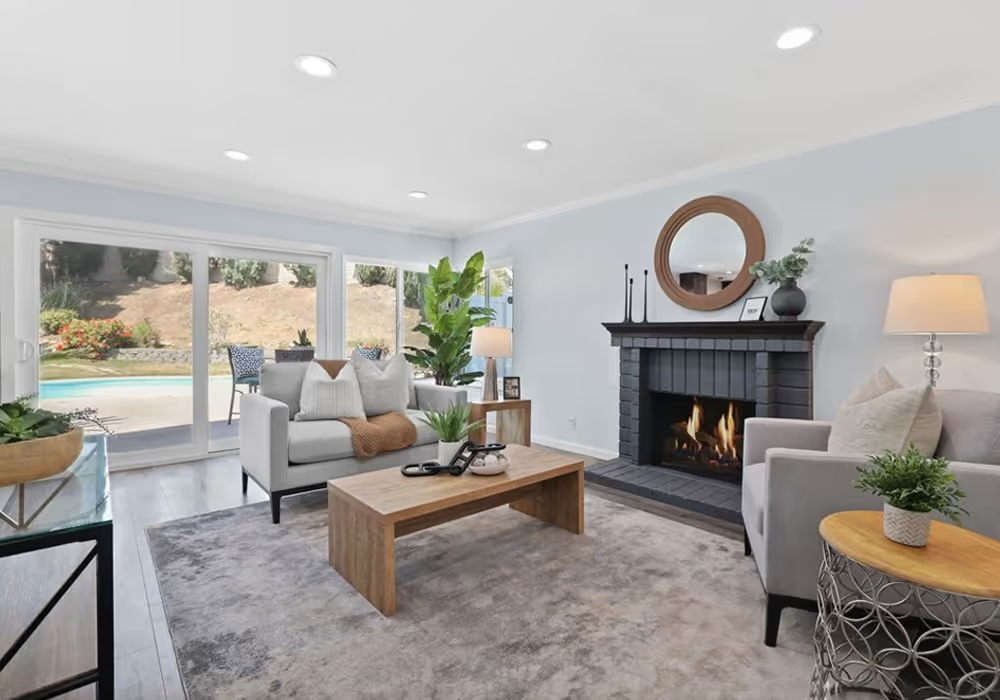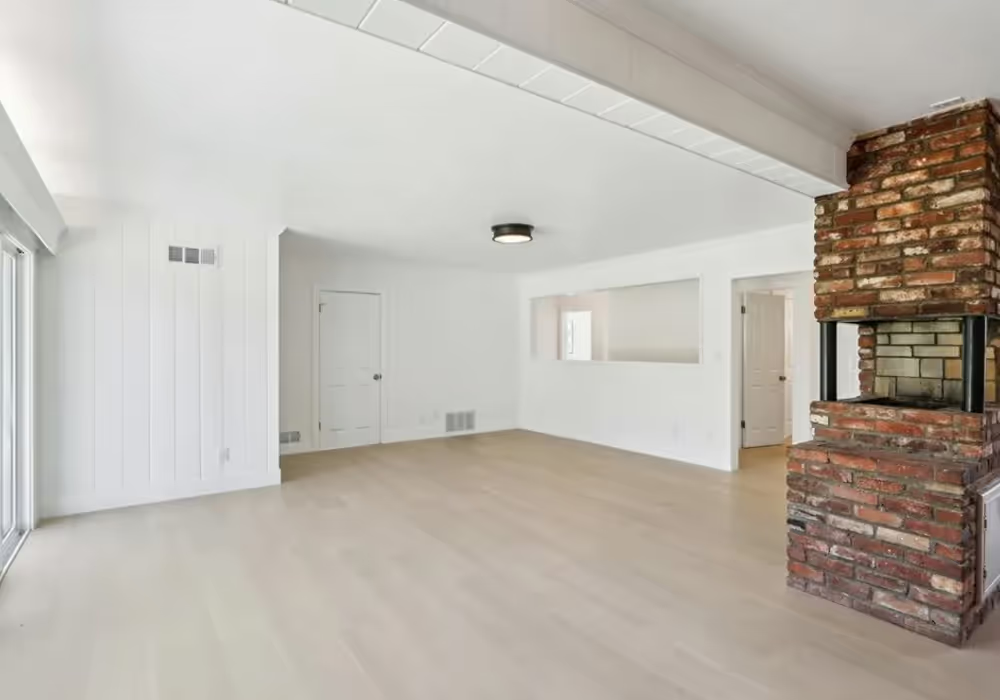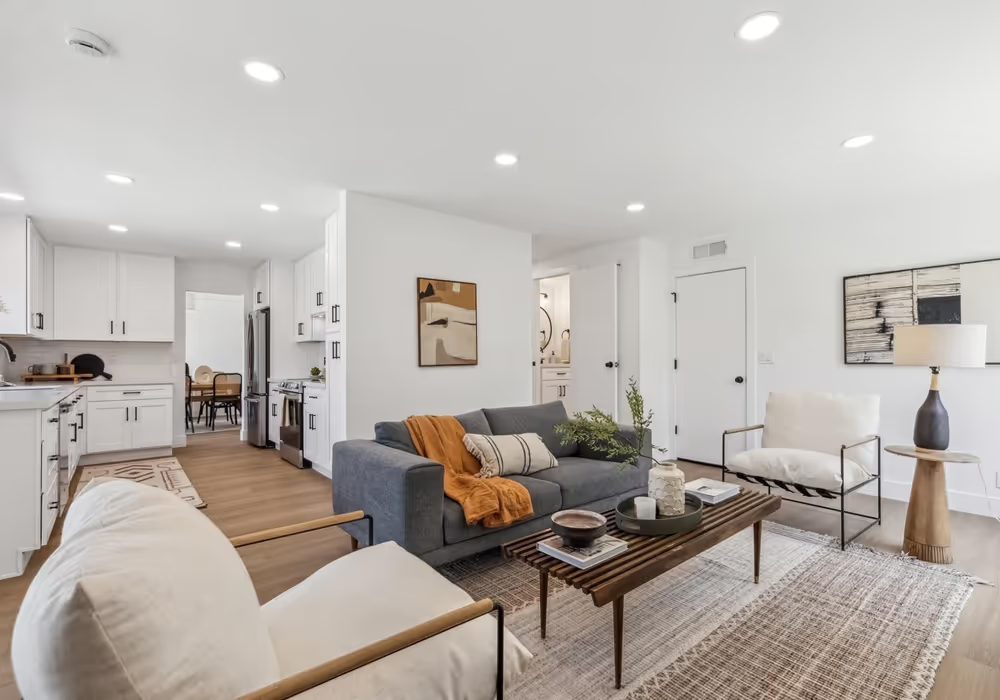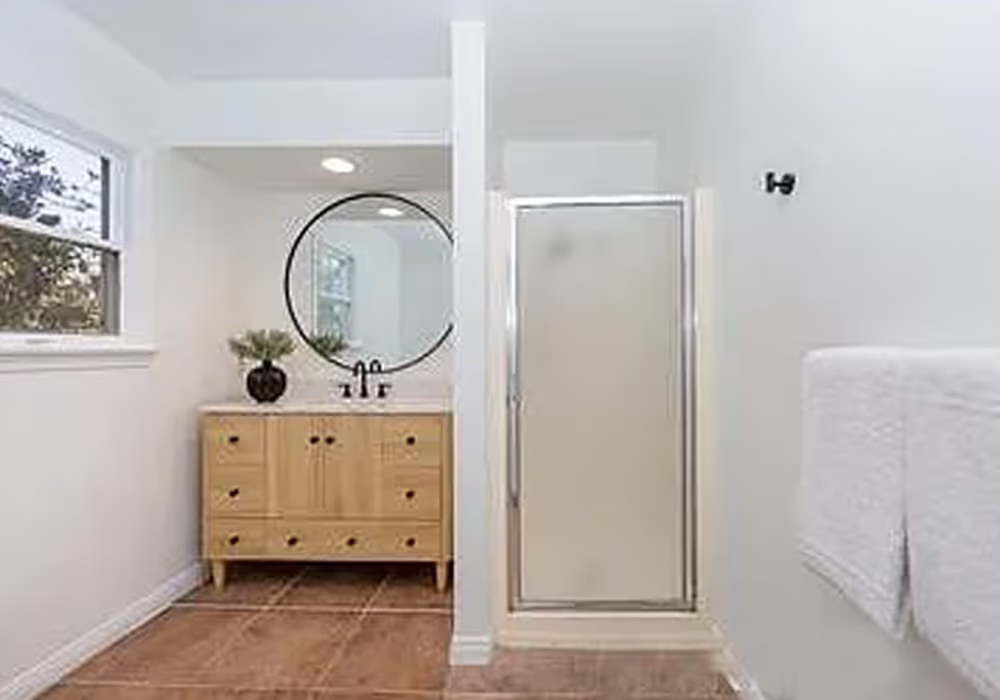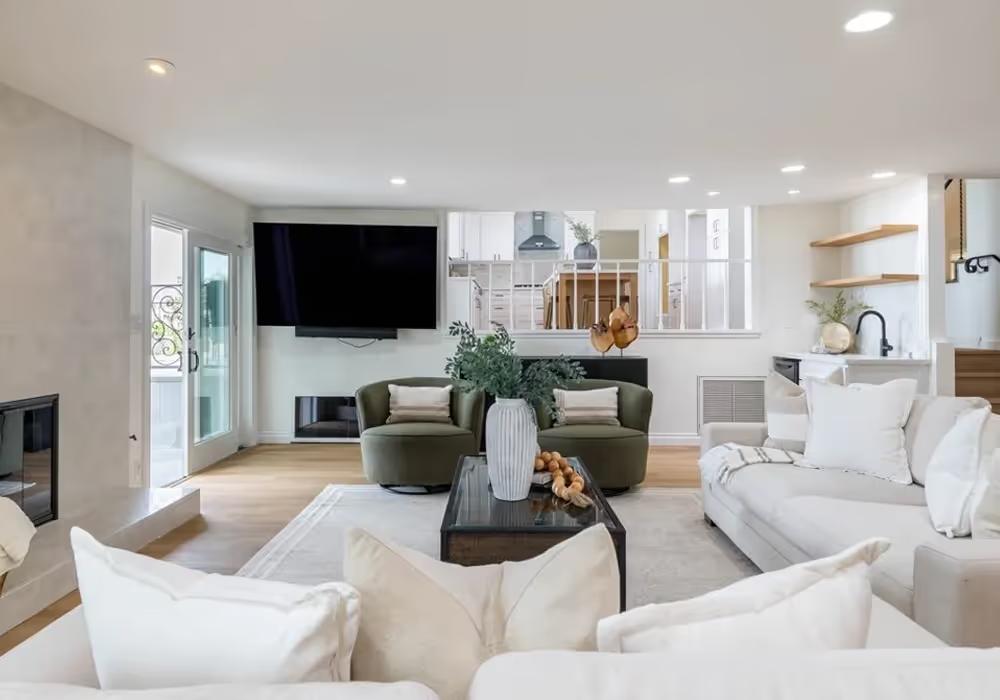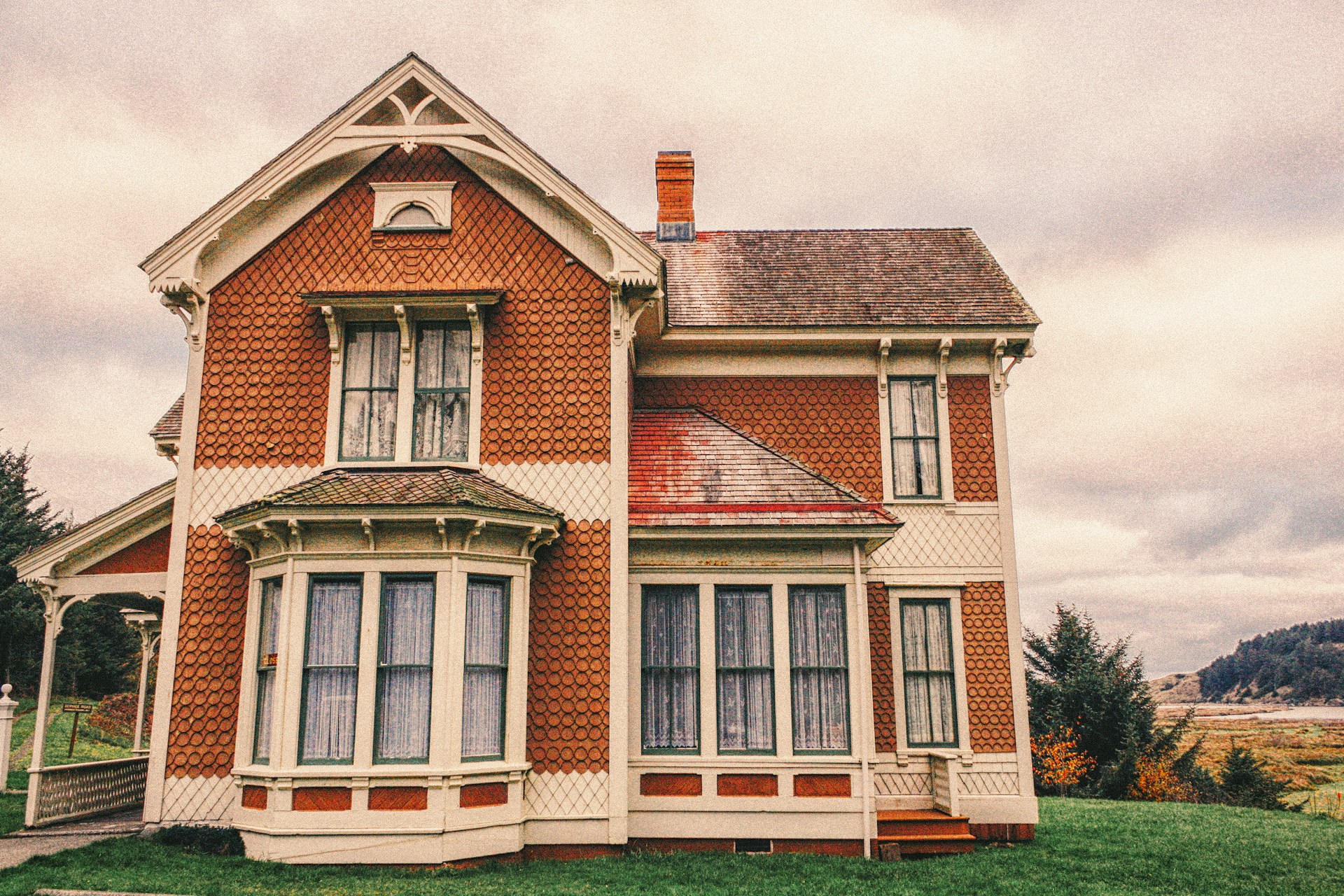
San Francisco's architecture feeds its culture. Postcards featuring the famous Painted Ladies, the "Mrs. Doubtfire" house at Pacific Heights, the "Full House" house at Lower Pacific Heights, and many more are all part of the city's lore.
When you own a Victorian or Edwardian that feels like it belongs to a movie set, the pressure to keep your home beautiful can be intense. It's one of the reasons why homeowners planning SF home renovations struggle so much. They're tasked with updating or modernizing a home to fit their needs when their home belongs to the entire city in many ways.
There's a desire to make updates that leave your home's layout more spacious and convenient. After all, these homes were built for the way people lived their lives more than 100 years ago. You also want to preserve the home's charm while making updates that increase resale value. Of course, California, San Francisco, and neighborhood building and zoning laws add another layer of complexity.
In this guide, we break down the essentials to know before you start planning your Edwardian or Victorian home remodel in San Francisco.
Why These Homes Are Both SF's Greatest Asset and Its Most Complex Remodel
San Francisco building authorities do a fantastic job of preserving Victorian and Edwardian homes. This creates both opportunities and obstacles for the homeowners who love them.
Victorian vs. Edwardian: How to Tell Them Apart and Why It Matters for Remodeling
Victorian homes were built from 1837 to 1901. Dark and romantic, they're known for their ornate exteriors and compartmentalized interiors. Other classic Victorian characteristics include telltale gingerbread detailing, steep roofs, and narrow front porches.
Edwardian homes were built from 1901 to 1910. They tend to be brighter and less complex compared to Victorians. You might notice wider hallways, larger porches, and bigger picture windows.
Both home styles require careful preservation during any type of renovation work. However, the task is often a little more difficult if you're remodeling a Victorian. In general, Victorians have more complex and "hidden" structural zones. The wider layout of the Edwardian can make accessing structural areas less delicate compared to Victorians. Plus, the wider, airier layout may not require you to open up as many walls if you're trying to achieve a more open layout.
Whether you own a SF Victorian or Edwardian, Revive can help you plan for maximizing every renovation dollar spent. We offer full-service project planning and renovation completion. Get a vision for your project's ideal scope today!
Neighborhood Concentrations: Pacific Heights, Haight, Noe Valley, the Castro, Mission
Close to 50,000 Victorian and Edwardian homes were constructed in SF between 1849 and 1915. Most were in the neighborhoods of Pacific Heights, Haight, Noe Valley, Castro, and the Mission. Many that were converted to apartments during the 1900s have been converted back into full residences. That can mean unconventional plumbing and electrical wiring waiting to be discovered when you start remodeling.
While both are coveted, Victorian homes are considered more prestigious because they are outnumbered by the more common Edwardian style.
Why Buyers Pay a Premium for These Homes (and What Preserving That Means)
Beauty is the top reason. Edwardian and Victorian homes have more than preserved their values over time because they are made with quality materials and a level of detailed craftsmanship that are impossible to recreate today.
In addition, these homes also happen to be located in some of the most desirable SF neighborhoods and communities. These established neighborhoods are historic spots close to things like public transit and major attractions.
If you're lucky enough to own one of these gems, preserving the beauty and structural integrity is so important whether you're painting a wall or building an entirely new kitchen.
The Structural and Safety Issues to Address First
Remodeling a Victorian or Edwardian home is never just a cosmetic project. This is always an intensive structural endeavor regardless of whether you're actually planning to bring down some walls or replace windows.
Seismic Retrofitting: Soft-Story Retrofit Requirements and What They Involve
SF's mandatory Soft Story Retrofit Ordinance means buildings must be retrofitted for strengthening if they have older wood frames with weak ground floors. This applies to homes with three or more stories or two stories over a basement or underfloor area with any portion reaching above grade.
The ordinance may apply for you if your home has wood frame construction (Type V) and was constructed before 1978. The process for getting up to code involves:
- Engineering evaluation.
- Permit applications.
- Installing steel frames, new shear walls, and/or anchors at the ground level.
- Final inspection through the San Francisco Department of Building Inspection (DBI).
Foundation Types and What Pre-1920 Slabs Often Need
Most Victorian and Edwardian homes have rubble-style foundations made of brick or stone. Ones built in later periods may have concrete slabs without steel enforcements. Updating pre-1920 foundations to be more secure against earthquakes involves installing steel frames or anchors.
Electrical: Knob-and-Tube Wiring and What Replacing It Entails
Knob-and-tube wiring lacks ground wiring. The system uses individual wires made of copper instead of the bundled cables we see in modern homes.
Unfortunately, fire hazards and insurance risks abound with this type of wiring. That's why updating electrical systems in Victorian and Edwardian homes involves hiring a licensed electrician to remove existing wiring and replace it with new whole-house grounded cables.
Plumbing: Lead Pipes, Galvanized Lines, and the Case for Full Replacement
One of the biggest questions most Victorian and Edwardian homeowners have is whether or not they should replace their plumbing. Homes from this era tend to have lead pipes that pose health concerns. Even the galvanization on older plumbing lines is controversial because severe rusting often takes place 40, 50, or 60 years after installation.
The general advice is to replace plumbing when you have a home that was built 100 years ago. If you're unsure, have a plumber assess which parts of your home's plumbing may be compromised or failing.
Replumbing an old home in SF isn't always as daunting as you might think. Luckily, modern plumbing tools actually make running flexible PEX pipes through an older home's tight framing fairly simple.
Navigating Historic Preservation and the DBI
Historic homes and neighborhoods come with restrictions that can impact what you're allowed to change about your property. Here's what to keep in mind before you draft plans.
Which SF Neighborhoods Have Historic District Overlay Controls
San Francisco grants local historic district overlay controls under citywide Article 10 and downtown-focused Article 11. If your property is in an overlay zone, you'll need to complete the process for a Certificate of Appropriateness (COA) for all external alterations that are visible to the public. Neighborhoods where overlay controls and COA requirements apply include:
- Alamo Square
- Jackson Square
- Dogpatch
- The Mission
- Telegraph Hill
- Jackson Square
- Western Addition / Lower Pacific Heights
- Duboce Park
- SoMA
- Commercial-Leidesdorff
- Northeast Waterfront
- Front-California
- Kearny-Market-Mason
- New Montgomery-Second Street
- Commercial-Leidesdorff
- Pine-Sansome
Exterior Changes: What the Planning Department Typically Approves vs. Denies
Keep in mind that approvals are done on a case-by-case basis. Working with a contractor who understands local regulations can help you draft plans that are more likely to be approved. However, it's important to be realistic about the fact that local planning officials are extremely conservative when it comes to what they'll approve. Exterior changes that are likely to be approved include:
- In-kind replacements for siding, windows, doors, and shutters.
- New roofing that doesn't involve structural changes.
- Replacement of garage doors with the same style and color.
- Replacing decks or stairs with identical designs.
- Dry-rot repair.
The approval process is less automatic when you're changing the appearance or structure of the home. Denials or requests for plan revisions are more common if you're adding on to the front or side of the home, expanding windows, or adding new windows or doors.
Denial is also possible if you're trying to update your home with modern materials. For example, replacing wood components with aluminum or vinyl on parts of your home that face the street.
At Revive, we make planning a major renovation one step at a time simple whether you're renovating your home's interior, exterior, or both. Plus, you can prioritize SF renovation projects that provide the best ROI for homeowners in your neighborhood based on comparable properties that have recently sold.
Interior Changes: Much More Freedom, With Key Exceptions
As a rule, approvals are more common for interior work. While homeowners have aesthetic freedom when renovating a kitchen or adding a new bathroom, they may still struggle with the permit process for things like electrical work and plumbing.
For example, updating more than 30% of the electrical wiring in a home or replacing a core mechanical system means you'll be subject to the city's all-electric mandate that forbids any new gas components.
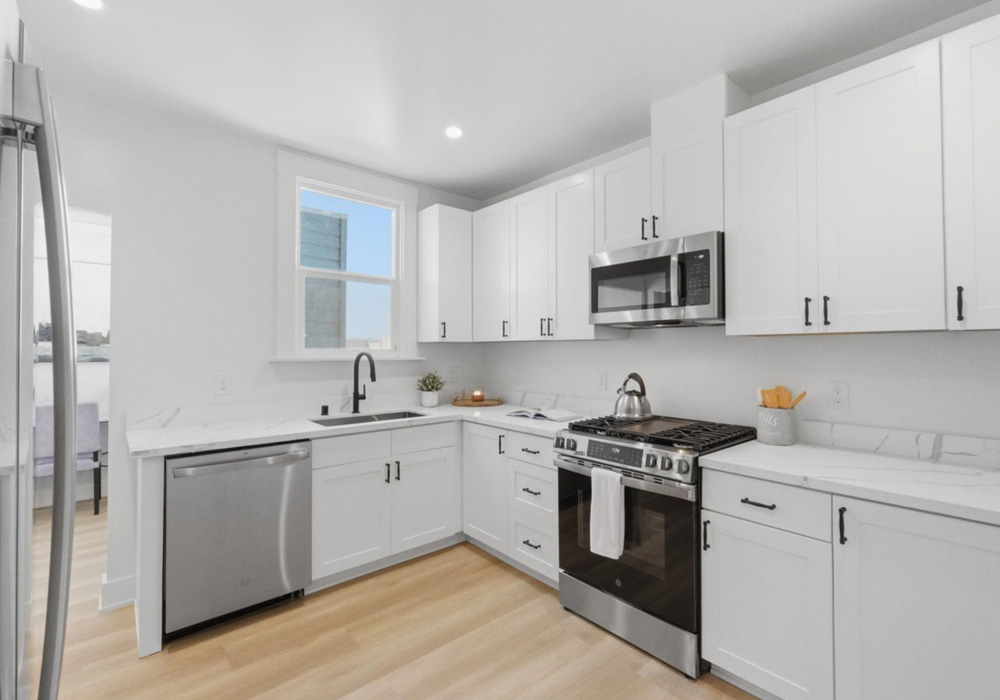
Kitchen and Bathroom Remodels in Victorian and Edwardian Homes
Many SF homeowners feel the tug between wanting to modernize or "open up" their historic homes and wanting to preserve the original charm. Experienced SF remodeling contractors understand the balance. Here are some general rules they follow to create value-adding results.
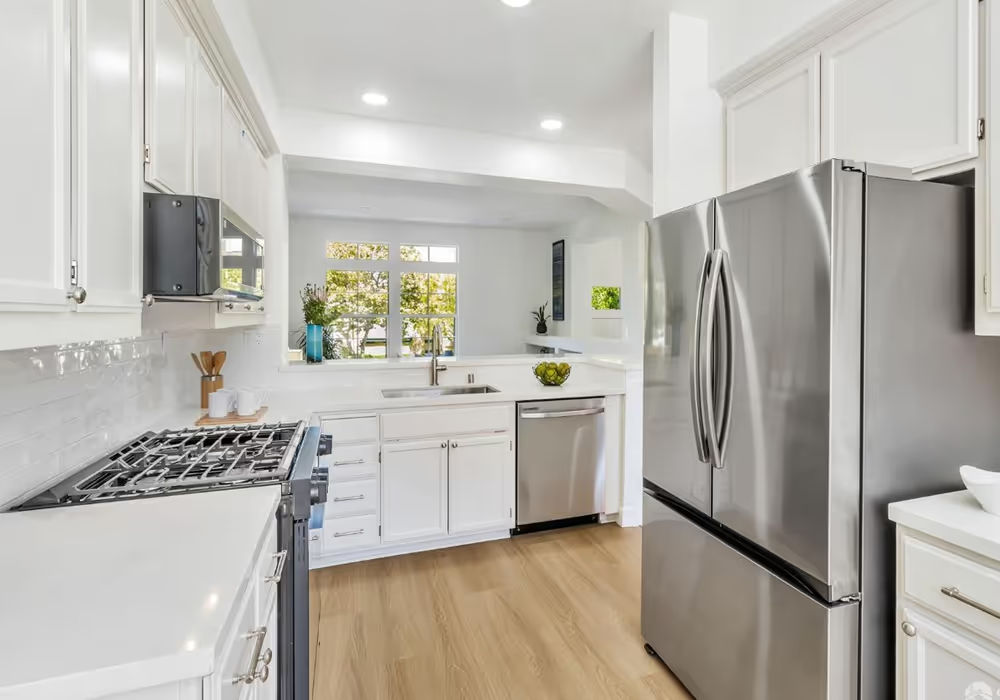
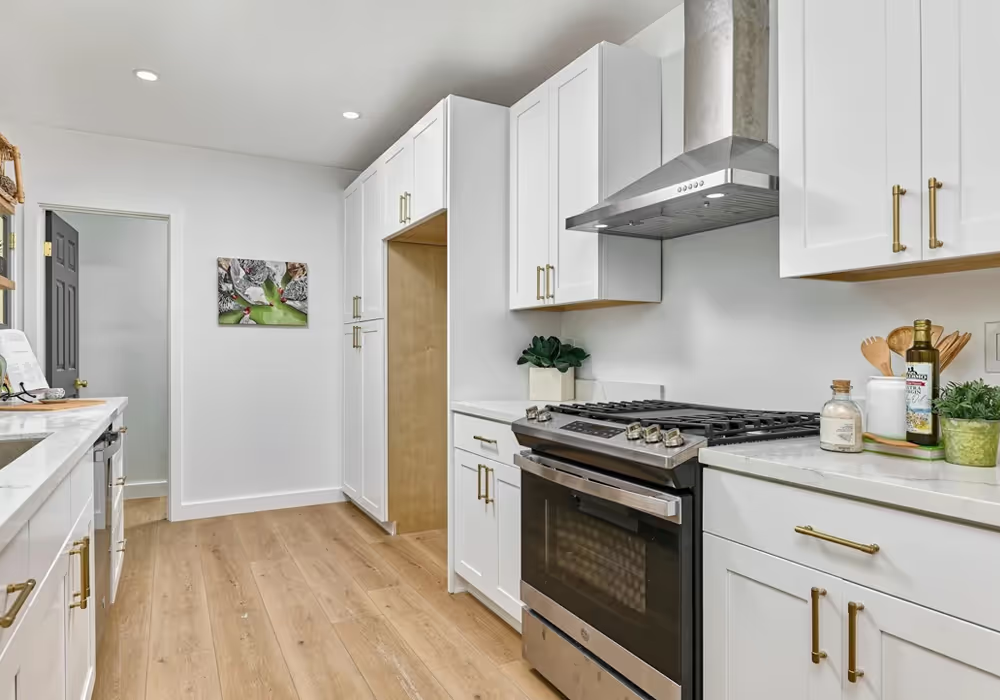
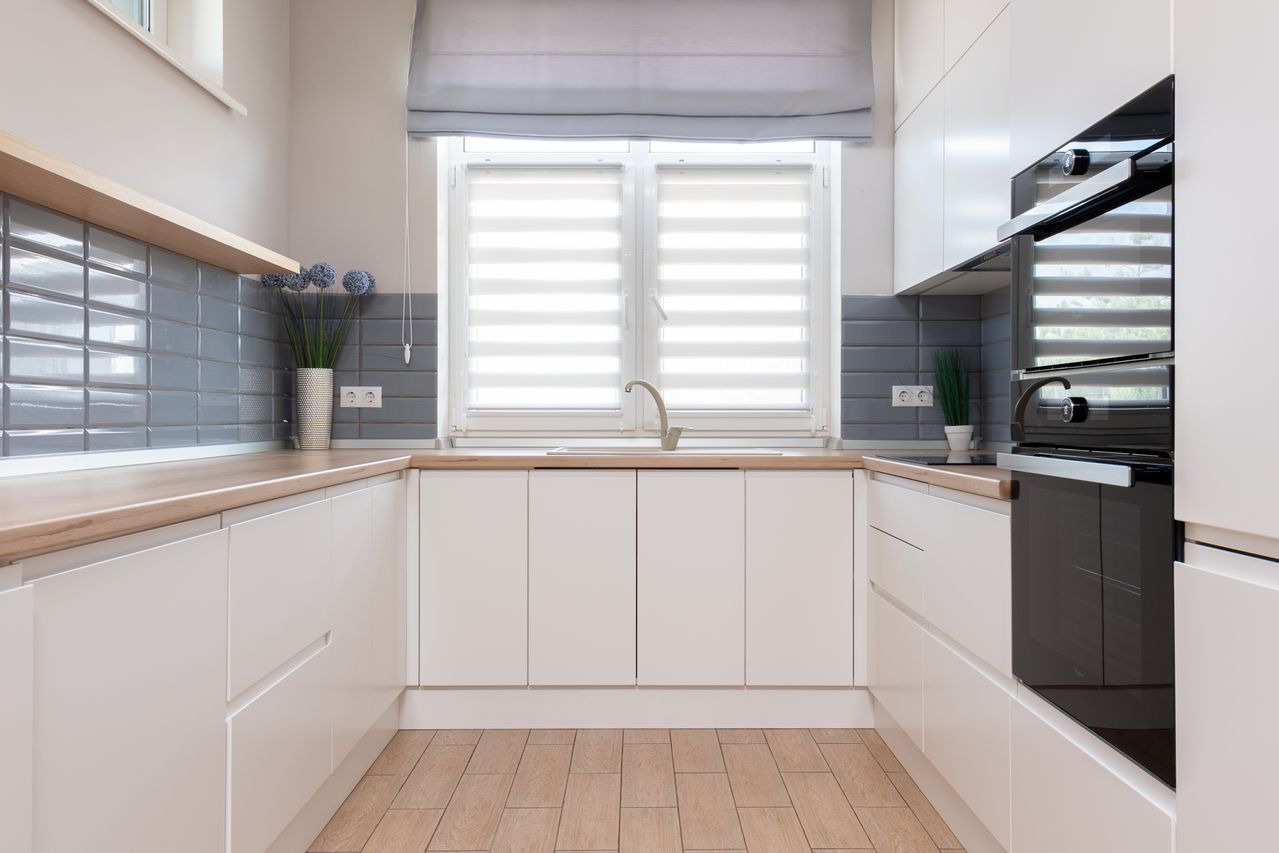
Working With Tight, Galley-Style Kitchen Footprints
Victorian and Edwardian kitchens were working kitchens compared to the "entertaining" kitchens of today. They were small, tight, and tucked away to keep the odors and mess of preparing meals out of view.
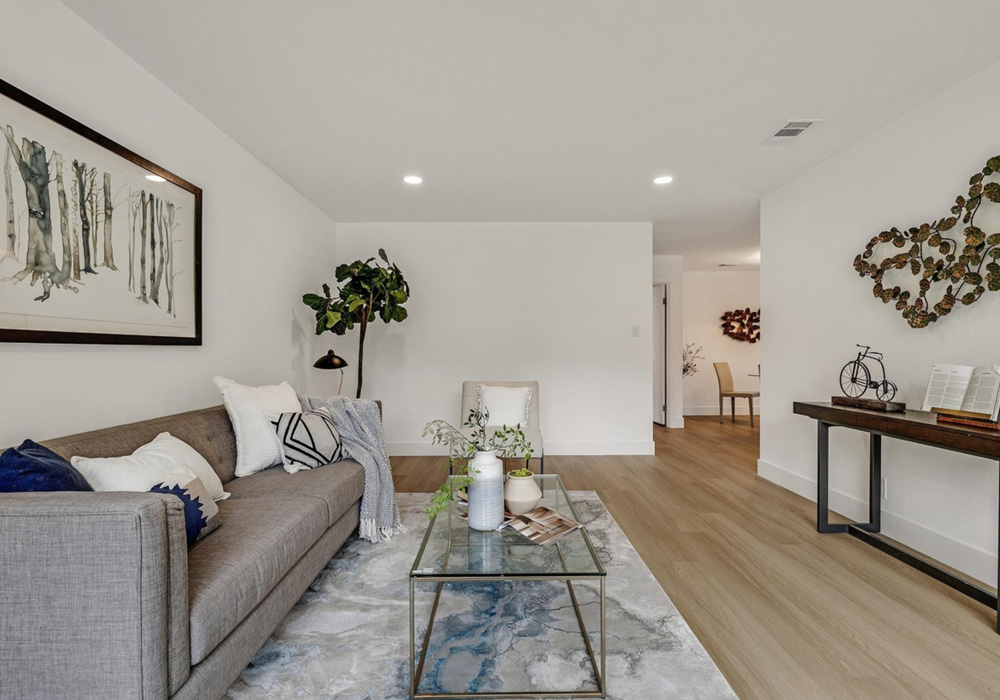
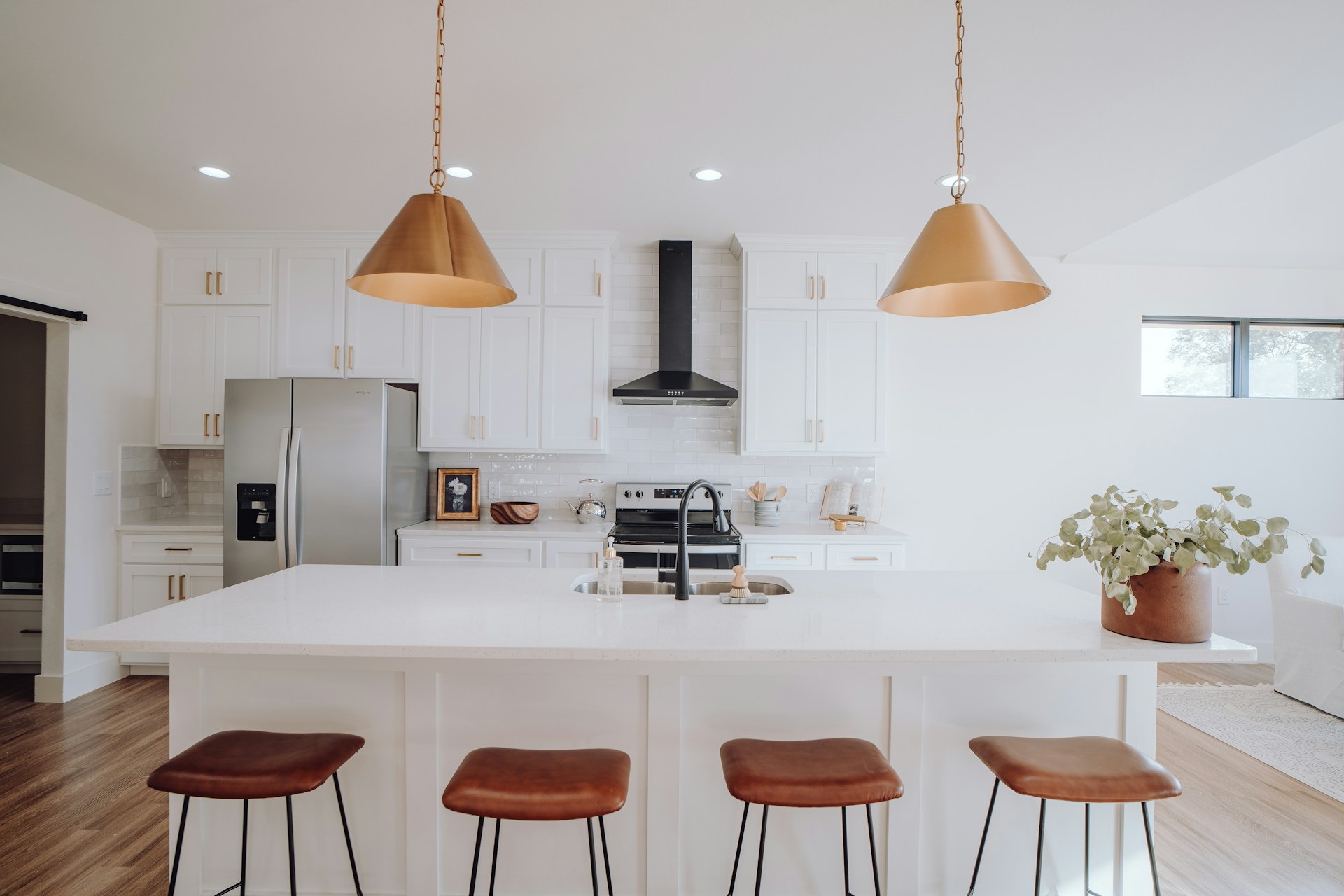
Modern-day SF homeowners have to decide between optimizing galley kitchens while preserving the footprint or turning the renovation into a structural project.
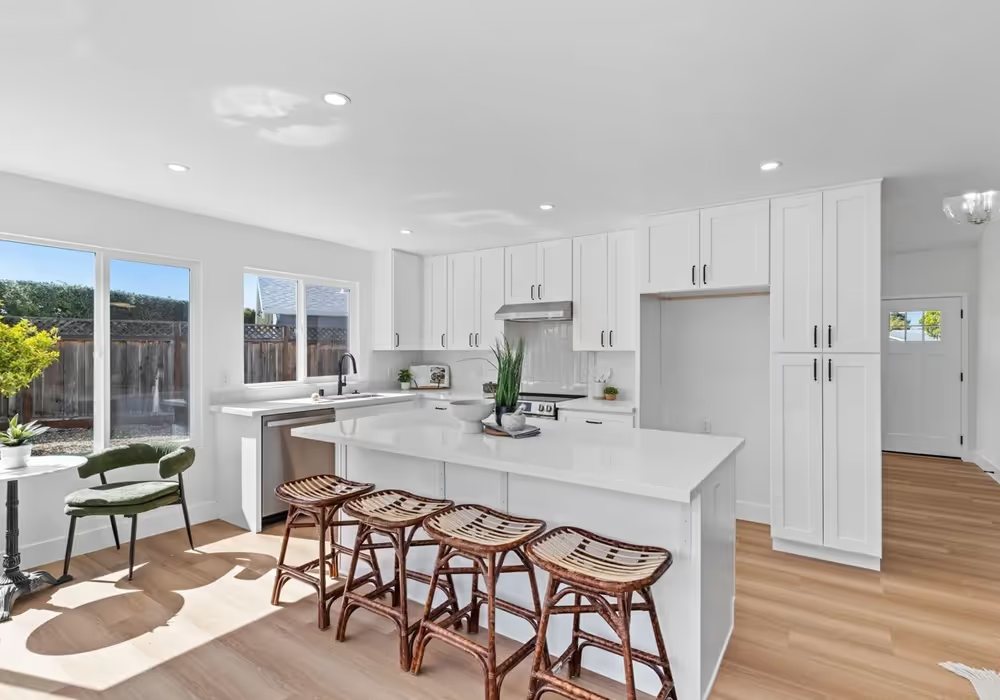
Opening Up the Kitchen: Which Walls You Can (and Can't) Remove
If you want to open up your SF kitchen, you'll need to bring in a structural engineer. Load-bearing walls are generally almost always your exterior walls and walls running through the center of the home. A wall could also be a load-bearing structure if it lines up with your home's basement beam or foundation wall.
Load-bearing walls can't be removed because they hold up the upper floor(s) and roof. However, spaces can be opened by replacing traditional walls with beam systems in most cases. However, removing a load-bearing wall can cost $15,000 to $20,000 in SF.
Bathroom Layouts in Narrow Victorian Floor Plans: What Works
Bathroom updates can be particularly intimidating in SF. These homes were built before showers and built-in tubs were popularized. As a result, you often have a standalone tub or walk-in shower system that was installed as part of an update anywhere from the 1980s to present day.
Some layout tips for maximizing bathroom space in a Victorian home include:
- Concentrating the toilet, sink, and shower/tub on the same wall for a linear arrangement that leaves more space open.
- Using a wall-hung, floating vanity that opens up the space.
- "Stealing" room from adjoining closets or pantries to get more square footage in the bathroom.
- Switching to a pocket door to stop space from being "eaten up" by a swinging door.
- Installing a frameless shower to avoid breaking up the space.
Preserving Period Details While Modernizing Function
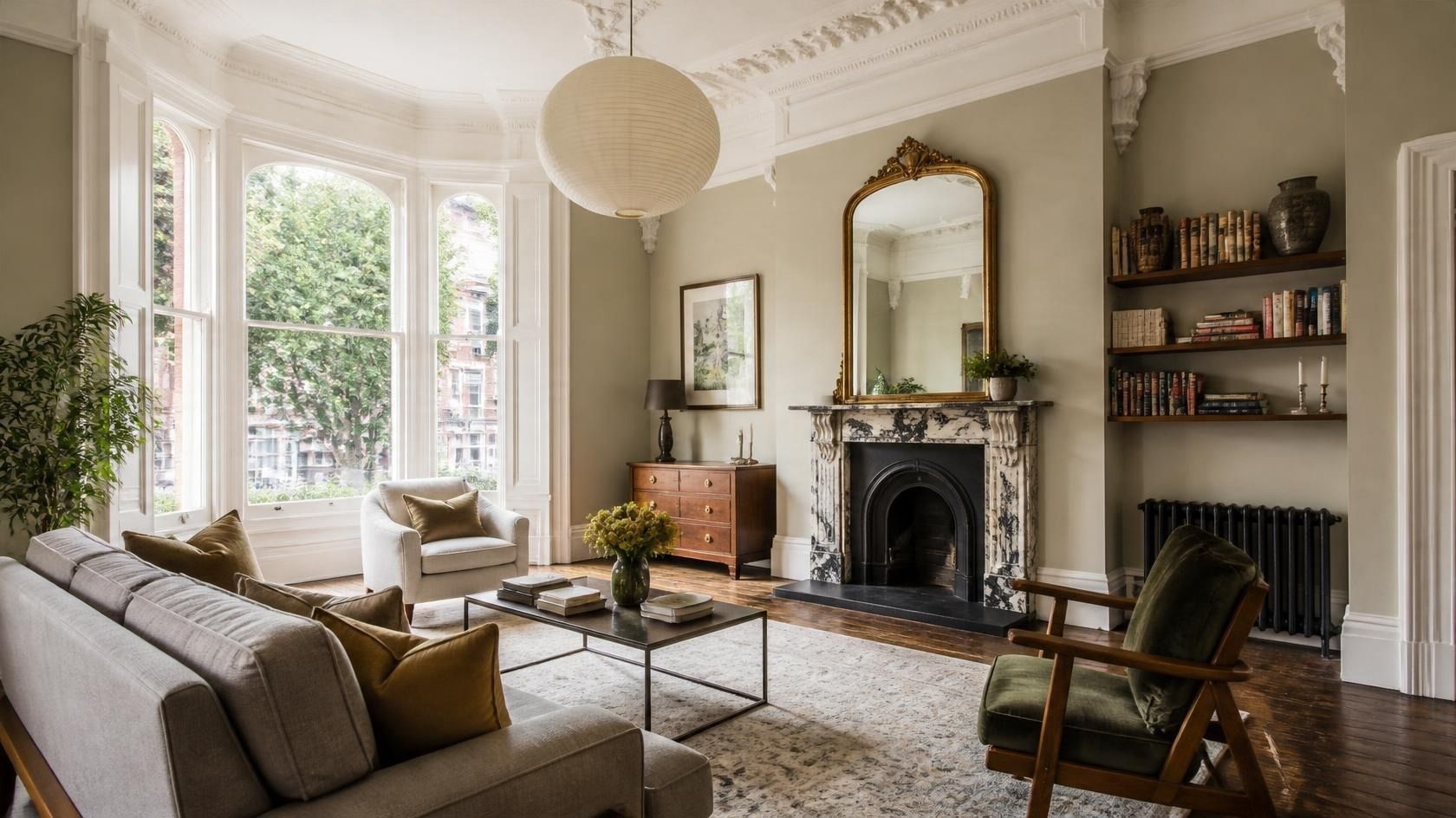
SF contractors specializing in renovating Victorians and Edwardians will be honest about the dangers of erasing a home's charm and prestige with too many modern updates. Restoration over replacement is a core tenet of renovating these homes.
The truth is that chasing the new-build look can dramatically reduce a home's charm and resale value if you're renovating to sell in San Francisco.
Preserving Character While Modernizing
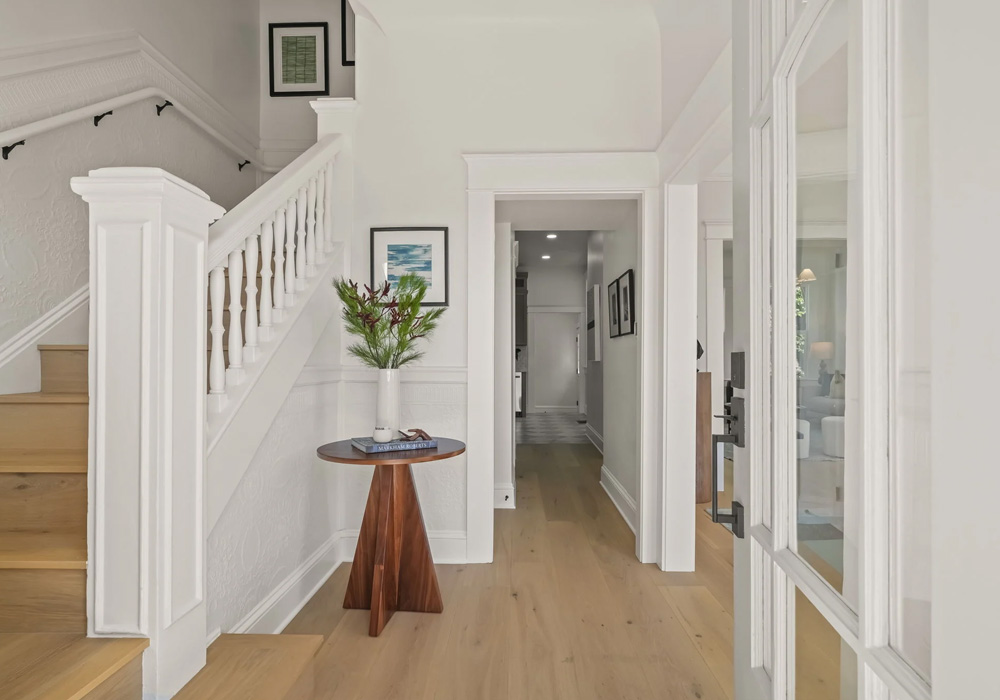
There's a two-lane rule for updating SF homes. Details like wood floors, baseboards, crown molding, and railings should be restored instead of replaced whenever possible. "Invisible" components of a home like mechanical systems should be replaced to make homes safer and more comfortable.
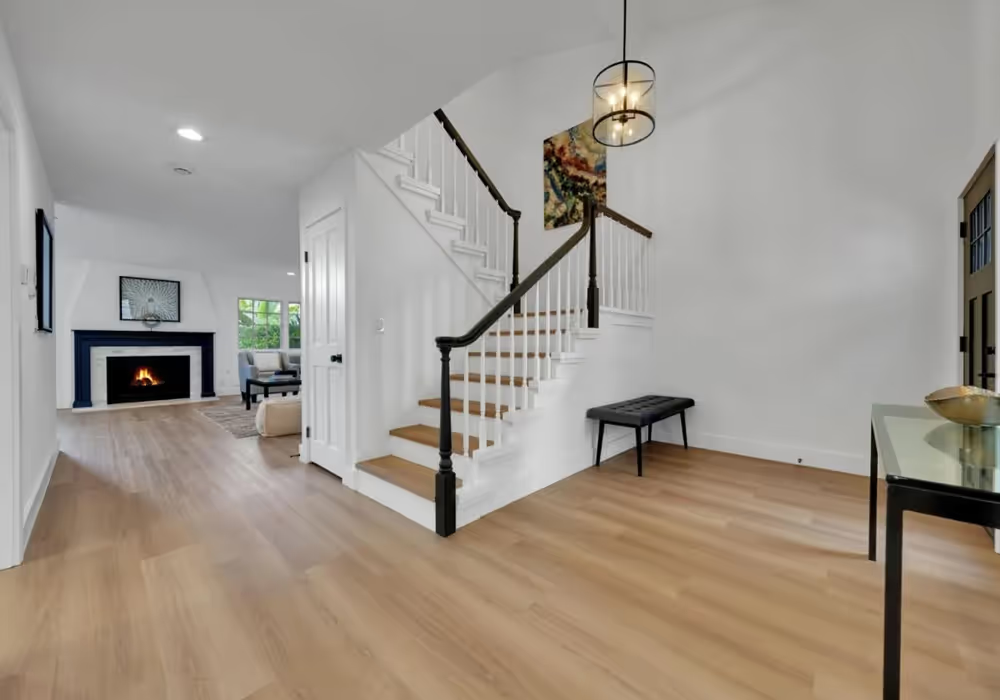
Restoring Original Hardwood Floors, Moldings, and Millwork
One of the first conversations to have with your contractor is about what's salvageable versus what's not. Wood components should be preserved and restored whenever possible. In situations where it's not possible, like-kind replacements that match the existing style are preferred over attempts to modernize the space.
Bay Windows: Repair vs. Replace and Historic Requirements
The iconic bay windows that are common in SF's Victorian and Edwardian homes aren't just architectural elements. They tell the tale of the city itself. As builders were forced to build homes close together to accommodate the influx of Gold Rush arrivals during the 1850s, the bay window was a way to create airiness and optimize natural light in narrow space.
Great effort should be made to repair bay windows before replacing them. If you need to alter or change a bay window in any way, a building permit and review by the San Francisco Planning Department review are required for all street-facing bay windows.
In general, all replacement bay windows in Victorian and Edwardian homes in SF must perfectly match the size, material, profile, and finish of the window being replaced.
The 2026 Electrification Mandate in the Context of a Period Home
If your SF home renovation involves home systems or mechanical work, your contractor will discuss San Francisco's All-Electric Major Renovations Ordinance. Effective since July of 2026, the ordinance requires all buildings undergoing major renovations to transition to switch from gas to full-electric systems. This includes things like heating, water heating, stoves and ranges, clothes dryers, and more.
The rule applies to your project if you're:
- Making a significant structural alteration.
- Making a significant non-structural alteration.
- Adding a new space that's labeled a substantial improvement under San Francisco Building Code Section 202.
Some historic properties may qualify for exemptions or variances. However, that is far from guaranteed.
Budgeting for a Victorian or Edwardian Remodel in SF
Higher labor and material costs make SF home remodels significantly more expensive compared to most of the country. The complexity of these projects also contributes to higher costs.
Realistic Cost Ranges: $60-$150+ Per Square Foot Depending on Scope
On average, the cost to renovate a typical SF home ranges from $60 to more than $150 square foot. Structural renovations that include removing load-bearing walls often cost 75% to 90% more compared to nonstructural renovations.
Why These Projects Almost Always Run Over Without a Contingency
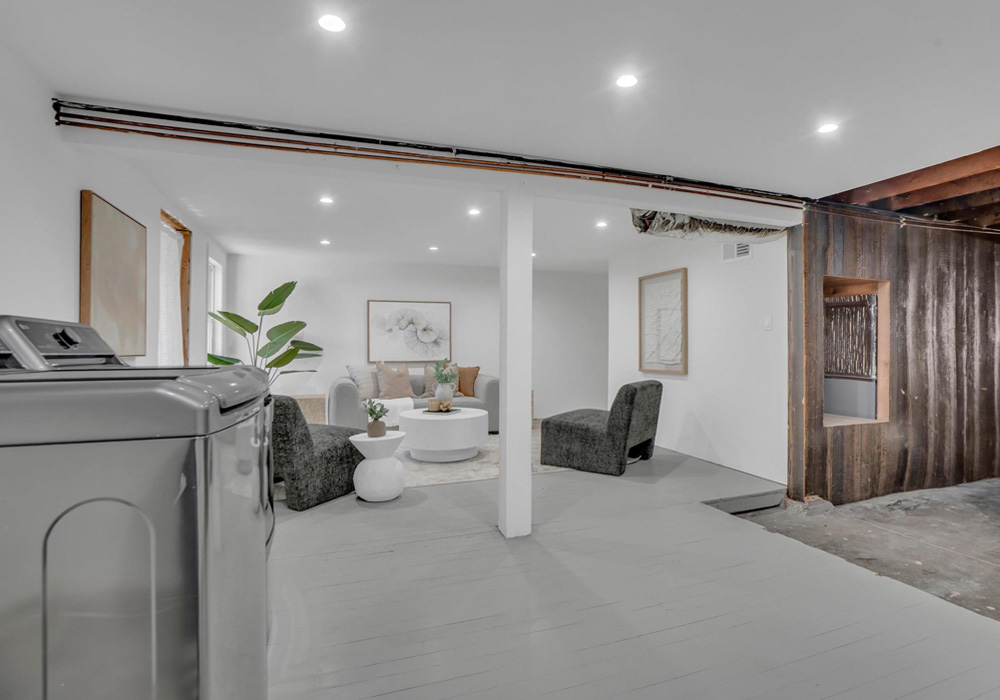
Contractors and homeowners can only plan based on what they see. Once they begin opening spaces within an older home, hidden physical changes can change the timeline and scope. Common reasons for "going over" with SF renovations include rot, mold, and outdated plumbing and wiring uncovered during demolition.
Plus, your home could have hidden utilities or worrisome soil conditions that are only seen once you begin work. You may unexpectedly need to bring a part of your home up to code before the project can continue.
Getting the Right Team: Architect, Structural Engineer, and Contractor With Historic Experience
One of the ways to reduce the odds of a mid-project revelation that triggers the need to alter your timeline or budget is hiring the right professionals in the first place.
Some contractors make mistakes like submitting incomplete plans, underestimating real costs, or throwing last-minute layout changes at you. These things often happen because the contractor you've hired isn't actually experienced with historic SF homes.
If you're planning any kind of structural work as part of renovating your Victorian or Edwardian home, your roster will include a general contractor, team architect, and structural engineer.
How Revive Approaches Victorian and Edwardian Remodels in San Francisco
You don't have to wonder how you're going to bring the right team together to renovate your home in SF. Homeowners who renovate to sell or stay with Revive get a team of properly licensed and highly experienced experts assembled for them.
Revive selects contractors through intensive vetting. They're then matched to Revive clients based on the scope and complexity of projects. It means you're getting experts who have done similar projects on similar homes countless times before with exceptional results. Just check out our portfolio and case studies to see how Revive brings plans to life.
Our Experience With SF's Historic Housing Stock
Revive has a curated roster of contractors who work exclusively with historic and older SF homes. They understand the layout and mechanics of these gem properties. In addition, they've worked with local zoning and planning boards to submit plans for approval and obtain permits for high-complexity projects.
Get a Free Estimate and Scope Review
A bigger kitchen, luxury bathroom, or larger bedroom that actually fits naturally with your SF home is within reach. Start planning your first step with Revive. Since Revive clients don't pay until the job is done, they can focus on building instead of financing. Book your FREE estimate and scope review online today!
How much is your home's worth?
Get your personalized estimate today.