Is Remodeling Worth It in San Francisco’s Housing Market?
If you’ve outgrown your San Francisco home, the real question isn’t just what to do next, it’s which path builds the most value.
In a market defined by high prices, limited inventory, and complex regulations, moving is not always the upgrade it seems. Remodeling, on the other hand, can unlock both lifestyle improvements and long-term equity, but only if it’s done strategically.
The difference comes down to understanding what your home is worth today, what it could be worth with the right updates, and which investments actually pay off in your specific market.
Here’s how to evaluate whether remodeling is the smarter move.
Why San Francisco Homeowners Are Choosing to Remodel
More San Francisco homeowners are choosing to stay and unlock more value from the home they already own. Here’s why remodeling is often the more strategic path in San Francisco.
Limited Housing Inventory and High Purchase Costs
Homeowners are holding onto their homes longer. In a supply-constrained market, turnover remains low in desirable neighborhoods. Houses that do land on the market get snapped up quickly with competitive bids and cash offers.
Limited turnover has created premium pricing for move-in ready homes. In many cases, skipping a remodel now means paying a premium for someone else’s upgrades later.
Revive helps homeowners evaluate renovation decisions using real market data, so every update is tied to a clear impact on value.
The True Cost of Moving in San Francisco
Realtor commissions and closing costs increase the cost to buy a home in San Francisco significantly. Buyers need to tack on an extra 10% to 12% of the purchase price to cover them. You're also restarting with things like transfer taxes and fees.
With Redfin placing the average sale price in San Francisco at $1.5 million, 10% to 12% in agent commissions and closing costs can be $150,000 to $180,000. Something like a full kitchen remodel in San Francisco costs between $30,000 and $150,000 on average. The difference is that the remodel cost goes straight into home equity instead compared to a new home that often resets your cost basis without directly increasing your home’s value.
The key is knowing which investments actually increase value. Revive helps homeowners map renovation costs directly to potential return before they commit.
Remodeling as a More Predictable Investment
Buying a new home means searching for what you want in the hopes that it exists. This usually comes with compromise. Remodeling gives you control to build what your home can become.
With remodeling, you get greater control over scope and budget. You're also able to remodel in phases to control the chaos instead of being thrown into an all-at-once relocation. Plus, you stay in the neighborhood and school district you already know and love.
How Remodeling Impacts Long-Term Home Value in San Francisco
What does remodeling today mean for your plans to build equity in your home? When aligned with market demand, remodeling can significantly increase long-term value.
Value Retention in a Supply-Constrained Market
Well-remodeled homes hold value longer in a place like San Francisco because older homes often carry architectural value that buyers are willing to pay for. Keeping the charm while adding modern features and optimizing the layout creates a best-of-both-worlds home that buyers like. Buyers are eager to snap up well-designed homes with updated systems and layouts.
High-ROI Remodeling Projects in SF
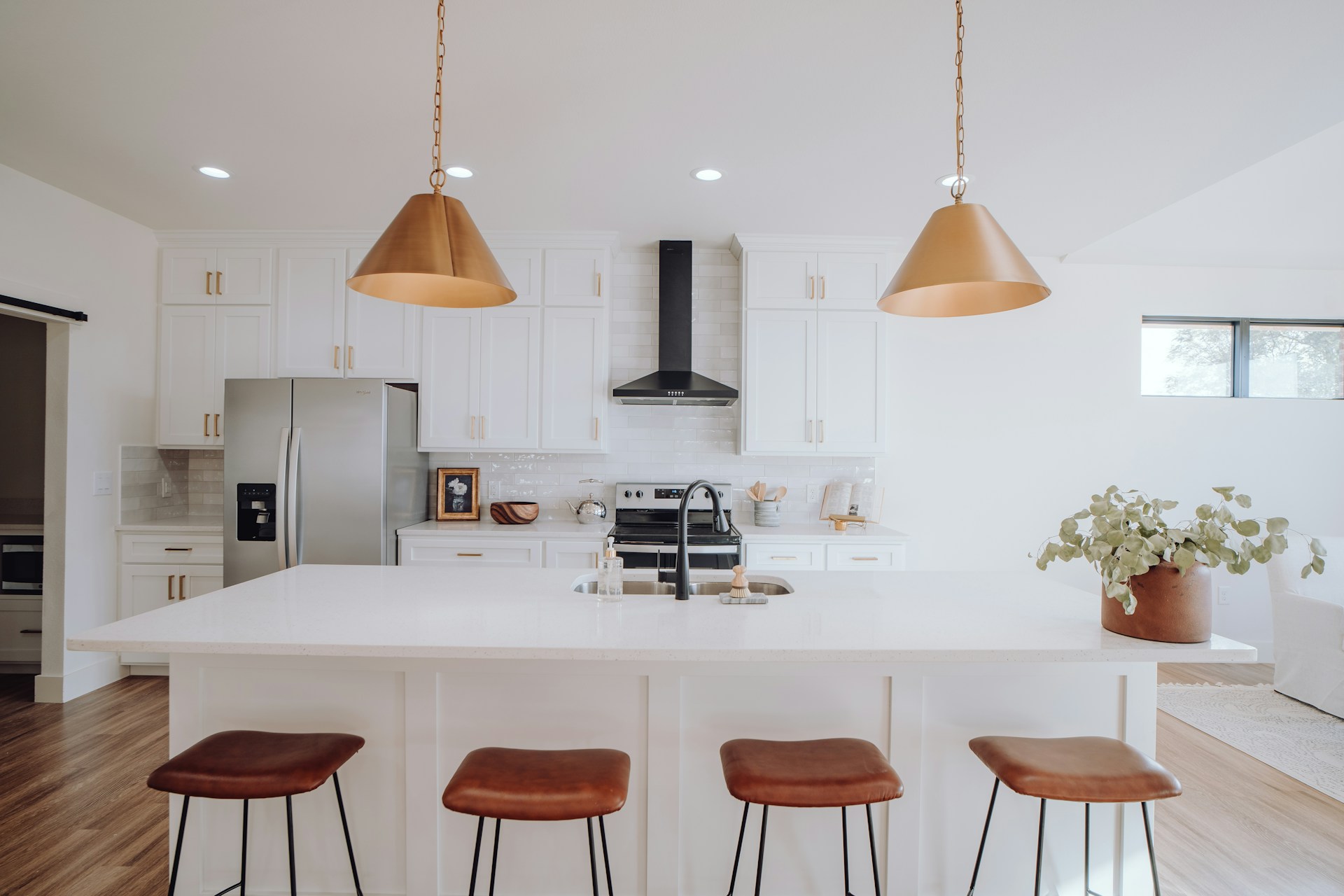
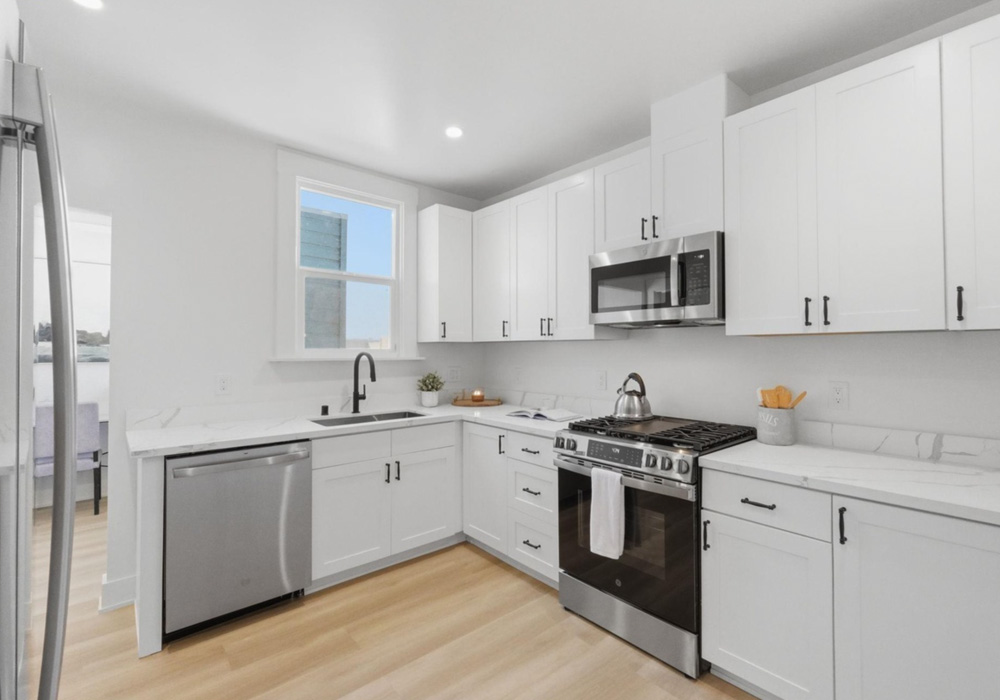
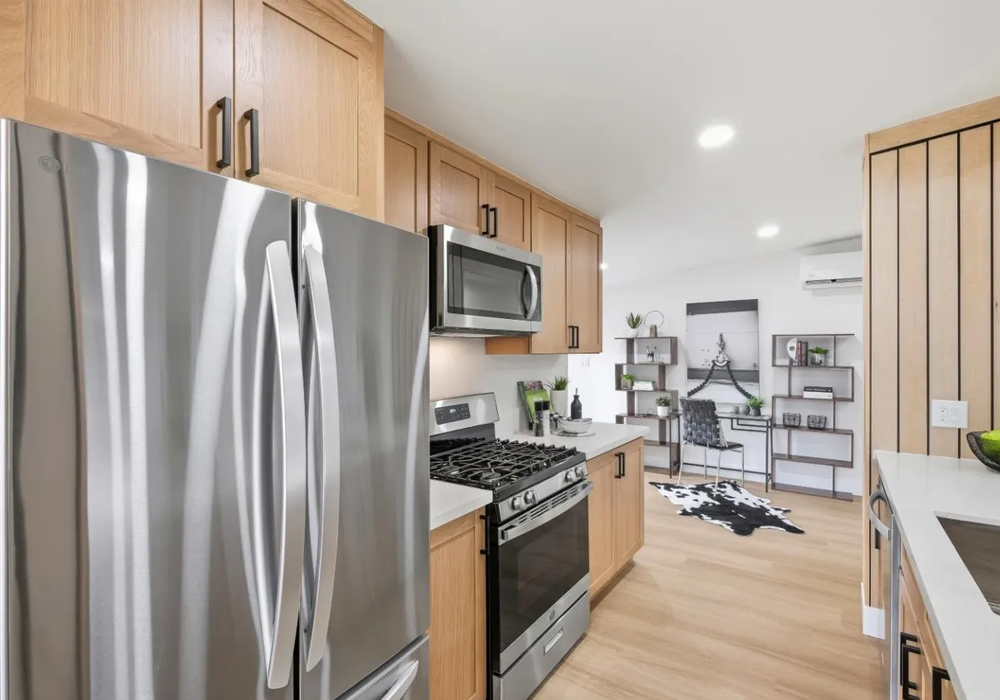
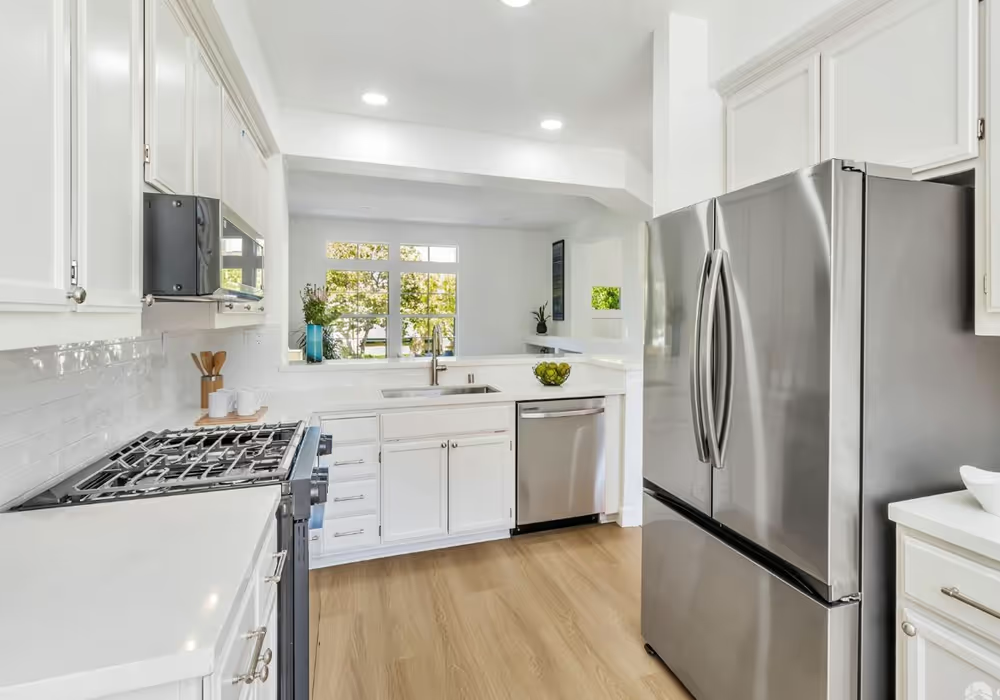
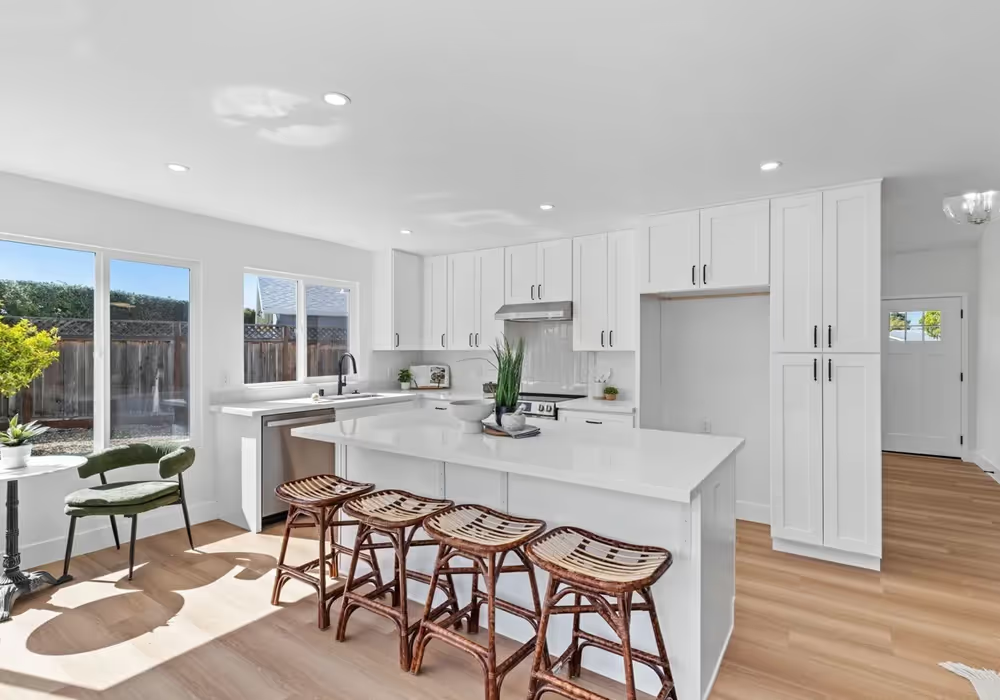
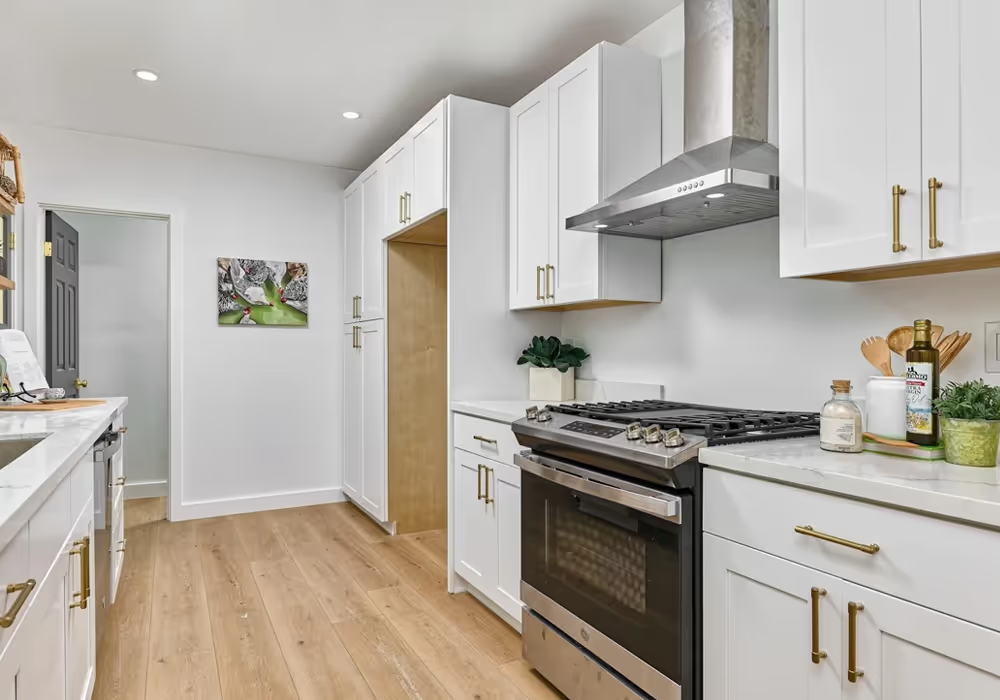
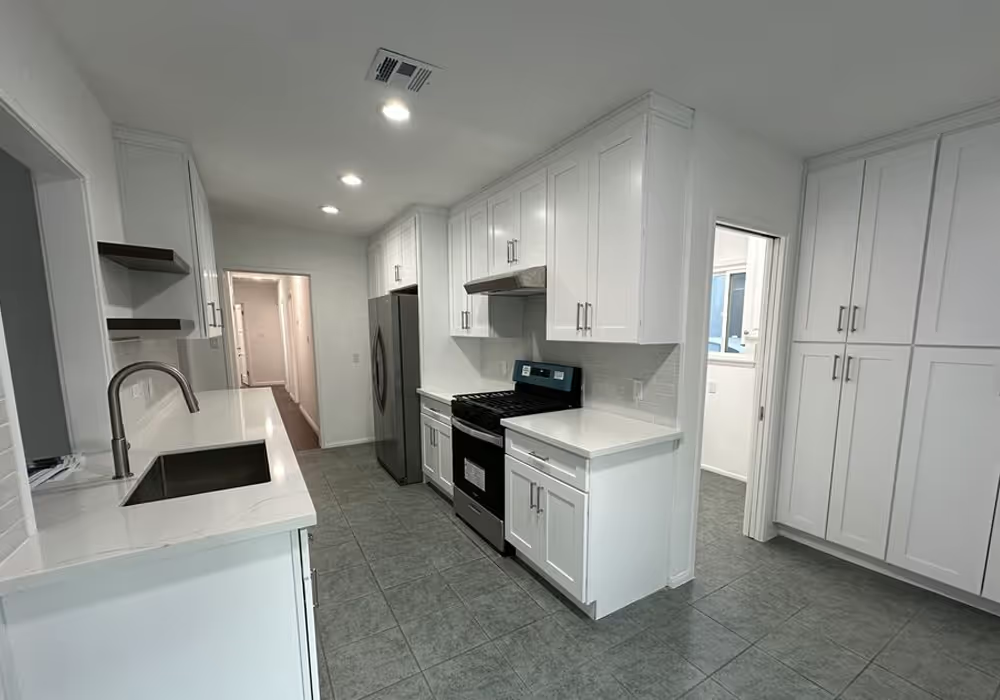
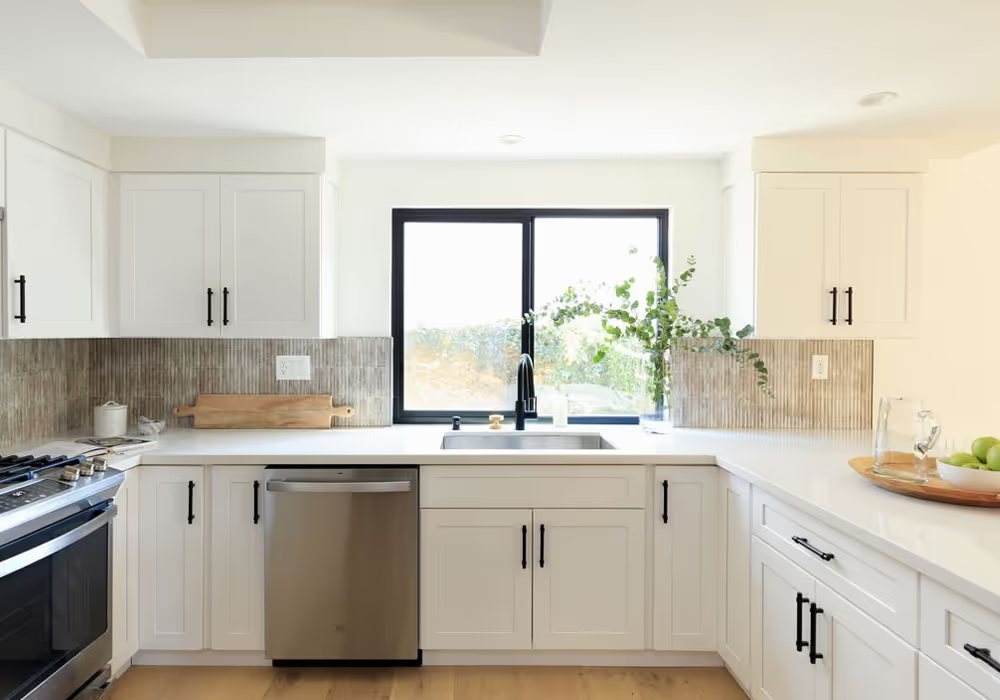
For many homeowners, the kitchen is the primary driver behind remodeling decisions. A well-executed kitchen remodel is one of the most reliable ways to increase property value. Some estimates put the ROI on a kitchen remodel at above 100%.
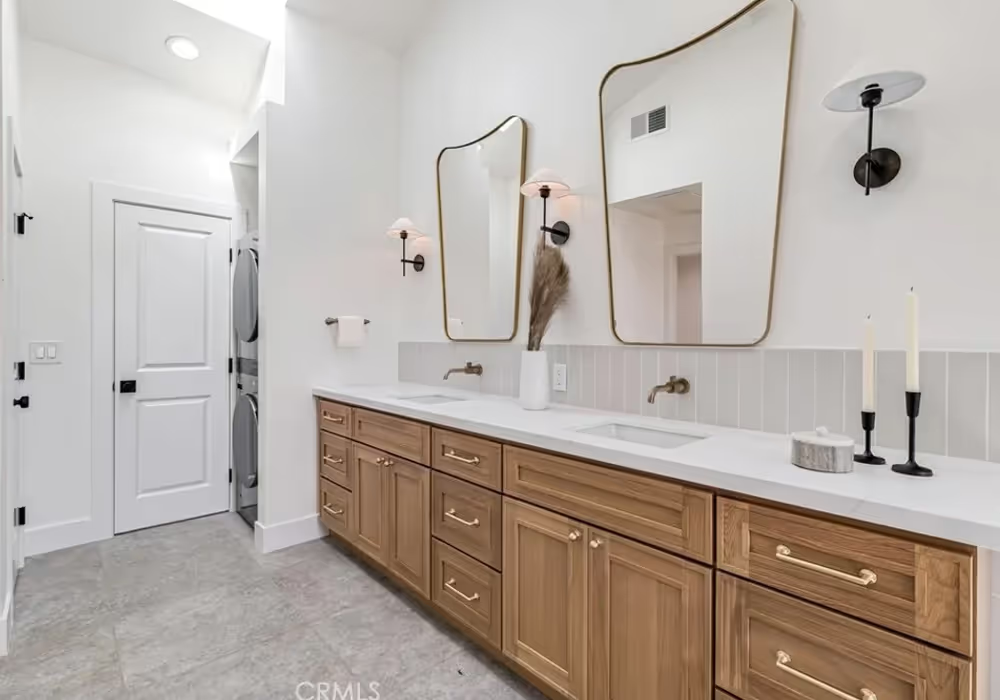
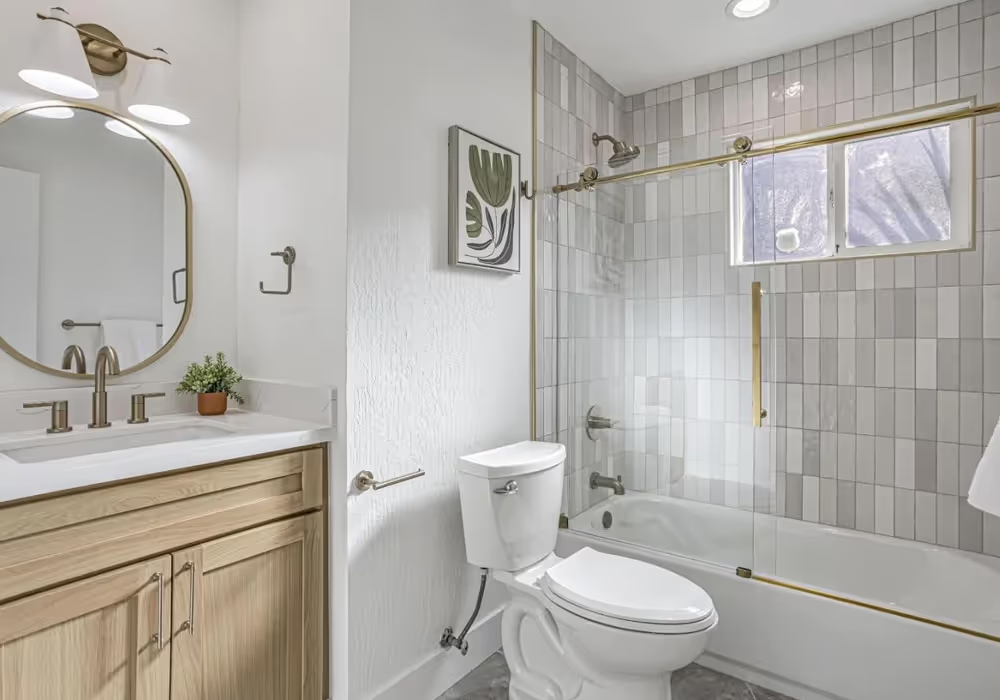
A primary bathroom is another high-ROI upgrade for San Francisco homes. Buyers also gravitate toward layout reconfigurations that create an open flow for modern living. In addition, any structural upgrades or seismic improvements boost home value.
Remodeling vs Over-Improving
Can you go too far with remodeling to the point that ROI is voided out? It happens when upgrades are not aligned with market expectations. Smart remodeling starts with aligning your upgrades to comparable homes in your neighborhood. Comps are comparable properties in your same neighborhood. Ideally, they have the same square foot, number of bedrooms, number of bathrooms, and core features. Buyers and their agents look at comparable properties that have sold within the past 60 days or so to gauge your home's value when you list it.
Every neighborhood has a price ceiling. If comps have two bathrooms and a primary bathroom, your home would need those features to get the same asking price. This is where a remodel to add those features makes sense for ROI. If comps lack those features, adding them won't necessarily mean you'll be able to increase your home's asking price by much.
This is where you have to focus on strategic upgrades vs luxury overspend. Remember that you're only competing with homes in your neighborhood—not homes in a more luxurious neighborhood. Modeling your home to look like a home in a higher-end neighborhood will not make your property comparable. A homeowner can sink ROI with unnecessary upgrades.
At Revive, we connect you with local remodeling experts in San Francisco who can provide a realistic view on scope based on your budget. This allows you to evaluate each renovation based on your timeline, budget, and long-term goals.
The Unique Challenges of Remodeling in San Francisco
San Francisco operates under a unique set of constraints that directly impact cost, scope, and timeline. Most projects require professional planning due to the complexity of the homes and local regulations. They are up against complex, delicate homes and some of the strictest building codes in the country. Here are the key factors to plan for.
Older and Historic Housing Stock
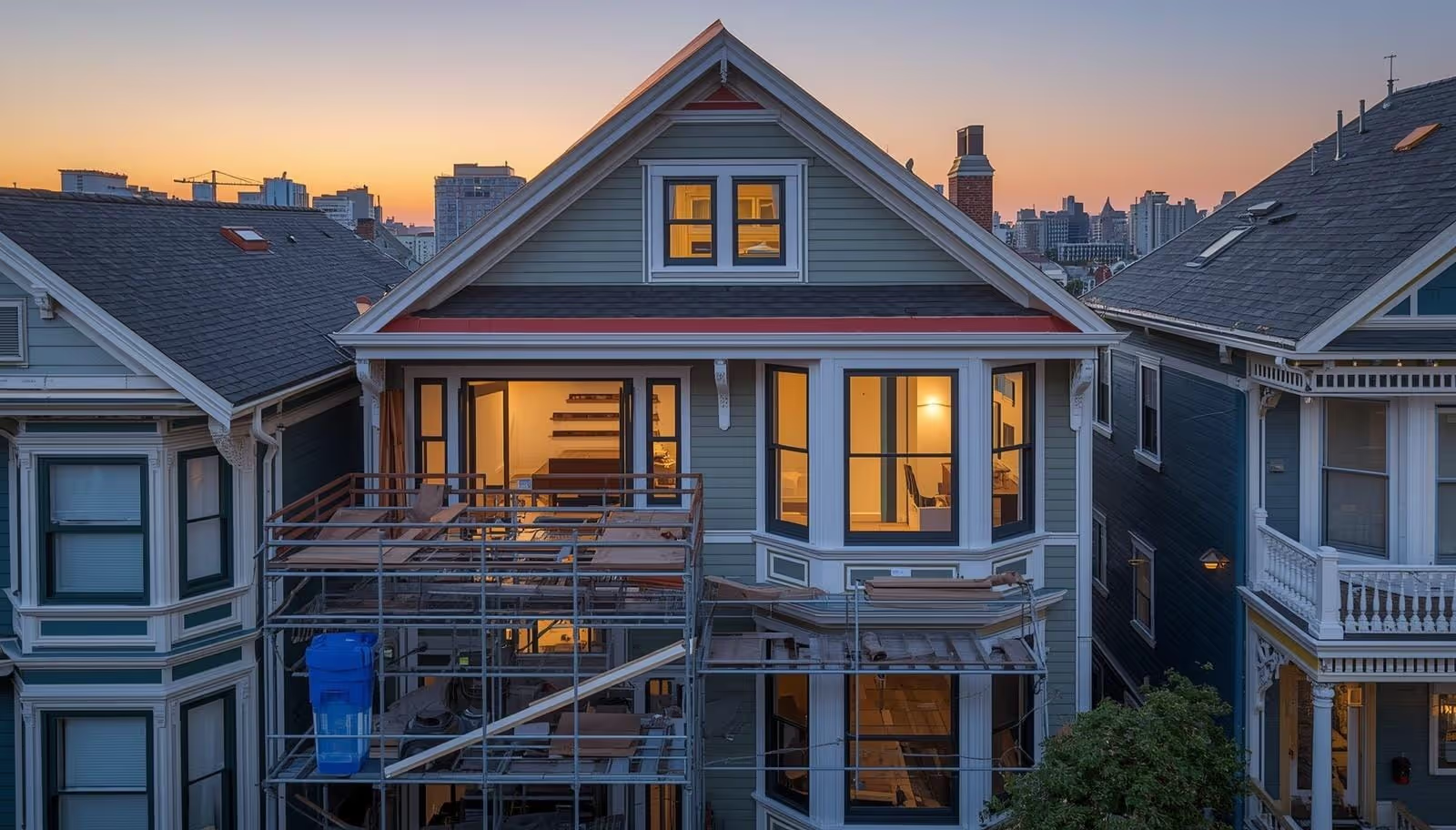
San Francisco's housing stock is composed mostly of Victorians, Edwardians, and early 20th-century homes. These charmers come with challenges like outdated electrical, plumbing, and structural systems. That means that inspections and work done by licensed professionals are nonnegotiable.
DIY work can be dangerous and illegal because you don't always know what's hiding behind a wall. Things like lead and asbestos make remodeling challenging. Luckily, help from the right pros can ensure your project is done the right way.
Historic Preservation and Design Review
Depending on your neighborhood, you may be under the constraints of a designated historic district. You may need to go through the extra steps of design approval. Most San Francisco homeowners also need permission for exterior and facade choices.
Blending Old and New Successfully
Doing a San Francisco remodel right is very much a matter of taste. You're juggling your need for a modern, functional home with the duty to preserve the architectural character of your home. This takes careful integration of modern functionality and finishes that look natural. Remember that remodeling your home to "stand out" from the neighborhood decreases value. This is where hiring a designer to help you avoid mismatched design choices is important.
The Role of Design and Architecture in Successful SF Remodels
Planning is where a remodel either creates value or introduces risk. This phase sets the foundation for a smooth project. While your end goal may be a bigger kitchen or luxurious primary bedroom with its own spacious bathroom, getting your home's "bones" in place is so important.
Why Design-First Remodeling Matters
Investing in good design plans protects you from costly mid-project changes. Designing for local codes and long-term stabilization means aligning your layout and structure with your desired aesthetics from the first steps.
The Value of Hiring Local Architects and Designers
This isn't a project to do virtually. If you're serious about remodeling your San Francisco home, it's necessary to hire local architects and designers experienced with San Francisco zoning and review boards. San Francisco architects and designers also have knowledge of historic construction methods that will allow you to give your home an upgrade that looks and feels authentic. This is key for adding equity and avoiding being the "sore thumb" of the neighborhood.
There's also the inspector angle. Several stages of a home remodeling project in San Francisco require home inspections. If you hire a local firm, there's a good chance they've already worked with the local inspectors and specialists that will be part of your remodeling journey. This familiarity can streamline your project and help you avoid costly hiccups.
Maximizing Budget Through Smart Design
Tighter spaces can make remodeling intimidating. The tenets to live by for getting the most value from every wall you take down or space you reimagine are:
- Use creative space planning in smaller footprints to make every inch count.
- Put the focus on multi-functional rooms that allow you to create "grandness" without wasted space.
- Integrate storage solutions into the style of home using things like built-in shelving or doorless pantries.
- Prioritize impact over square footage by making living space more functional.
Remodeling vs Moving: A Side-by-Side Decision Framework
Not everyone who needs more space or a better layout in San Francisco chooses remodeling. In some cases, moving is the more practical financial decision. The choice over remodeling versus moving in San Francisco comes down to your priorities because a strictly financial view doesn't take into account how location impacts lifestyle in the Bay Area.
When Remodeling Makes More Sense
Most people who choose remodeling are struggling with an imperfect house in a strong location. Remodeling is typically the stronger option when:
- You like your neighborhood and location.
- You have a low interest rate and favorable terms you'd hate to part with.
- Your home has strong fundamentals that are hidden behind an outdated interior.
- You want more customization without the need to search for the perfect fit in an uncertain market.
When Moving May Be the Better Option
Moving may be the better option when:
- Your home requires extensive structural correction that could be disruptive to your life and budget.
- You're feeling hampered by zoning or historic constraints that limit you from making the changes you desire.
- The cost to remodel your home far exceeds its realistic resale value.
Sustainability and Efficiency as Drivers of Remodeling ROI
Bay Area buyers are especially drawn to sustainable and efficient building practices. This may be one of your motivations if you're trying to stay in your home instead of moving to a new home. You may also see adding sustainable, efficient features as a way to attract buyers.
Energy Efficiency in San Francisco Homes
A remodel is the perfect opportunity to cut down on energy waste using new insulation and windows. Electrical upgrades like LED lighting and smart thermostats can promote long-term savings.
Remodeling as a Sustainable Alternative to New Construction
Remodeling improves your home while avoiding the environmental impact of new construction. There's reduced material waste and a lower environmental impact compared to breaking ground and building up. In addition, you're preserving the life of San Francisco's existing housing stock. Remodeling also allows you to preserve and strengthen homes that already carry long-term value.
Real-World Remodeling Scenarios in San Francisco
Remodeling often creates a stronger financial outcome than moving whether you own a single-family home or a condo. One of the most common scenarios is updating a Victorian for modern living. Depending on the state of the home, the big priorities are usually updating plumbing and electrical, opening up rooms to eliminate awkward corners, and adding modern light to brighten up the home. ROI is high on this type of project because it appeals to a broad range of buyers seeking functional, move-in ready homes.
Another common scenario is reworking a condo flat as a family grows. For example, a couple may decide they need to create a nursery in a one-bedroom condo. This type of project might entail everything from splitting up a bedroom to converting a closet into a bedroom using a bump-out. Expanding a flat with an extra bedroom can have a lower ROI because not all buyers seeking "efficiency" condos are willing to pay extra for an extra bedroom. However, it could be the most cost-effective option for a couple trying to avoid the cost of moving to a larger home.
Every remodeling project should start with clear goals. Homeowners need to design differently based on whether they're reworking a home for long-term ownership or preparing it for an easy, high-ROI resale.
Key Questions to Ask Before Deciding to Remodel
Approach remodeling with a clear view of your future needs and timeline. This means asking the right questions before getting caught up in the excitement of a remodel. Focus on these:
- What is my realistic budget range? Set your budget first. This will allow you to prioritize the rooms that matter most. From there, you can calculate ROI per room.
- How long do I plan to stay in this home? This is important because you need to design in anticipation of the life changes that could happen in your "staying here" timeline.
- What restrictions apply to my property? If you don't already know, get a copy of any neighborhood covenants or HOA rules.
- What level of disruption can I tolerate? Decide if you need to stay in the home for the duration of the remodel or if leaving temporarily to stay with family or in a short-term rental is realistic.
If you’re weighing your options, the most valuable first step is understanding your home’s current value and its potential after renovation. Revive helps you build that plan with clarity before any work begins.
Final Verdict: Is Remodeling Worth It in San Francisco?
For many San Francisco homeowners, remodeling is not just a way to improve their space, it is a way to build long-term value.
The key is making the right decisions before the work begins. Understanding what your home is worth today, what it could be worth after updates, and which improvements will actually move that number.
That is where clarity matters.
Revive helps homeowners evaluate their options with real market data, clear guidance, and a strategy designed to maximize value. The next step is simple: understand your home’s potential, then build a plan to unlock it.
Are you wondering what a home remodel in San Francisco is worth it? Start by understanding what your home could be worth with the right updates, then build a plan to maximize that value with Revive.
How much is your home's worth?
Get your personalized estimate today.
























Past callings as mechanic, engineer, Project Manager, Realtor and Handyman coupled with his attention-to-detail give Doug Miyaki valuable experiences and the aptitude to guide Homeowners and Real Estate agents through the home renovation process.