At some point, many San Francisco homeowners reach the same crossroads. The home that once felt like the perfect fit begins to feel limiting. The kitchen may feel closed off. You may need an extra bedroom. Or remote work has made a dedicated office essential. When that moment arrives, the same question follows: Should you remodel your current home, or move somewhere new?
In most cities, this is a straightforward financial decision. In San Francisco, it is far more complex. Home values remain among the highest in the country. Median prices regularly exceed $1.3M, and inventory remains tight across the city’s most desirable neighborhoods. At the same time, construction costs across San Francisco have continued to rise due to labor demand, strict permitting processes, and high material costs.
Improving the home you already own can unlock meaningful value while preserving your location. But major renovations require time, planning, and capital.
Moving may seem simpler. But buying another home in San Francisco often means paying a premium while giving up a favorable mortgage rate or long-held property tax advantages. So the real decision is not just remodel versus move. The real question is whether your current home has untapped potential.
At Revive, we believe real estate is one of the most powerful tools for building long-term wealth. The key is understanding which path creates the most value for your specific situation. In this guide, we break down how San Francisco homeowners can evaluate both remodeling and moving with clarity and confidence.
Why So Many San Francisco Homeowners Are Facing This Decision
San Francisco’s housing market is shaped by two powerful forces: historic housing stock and evolving lifestyle expectations.
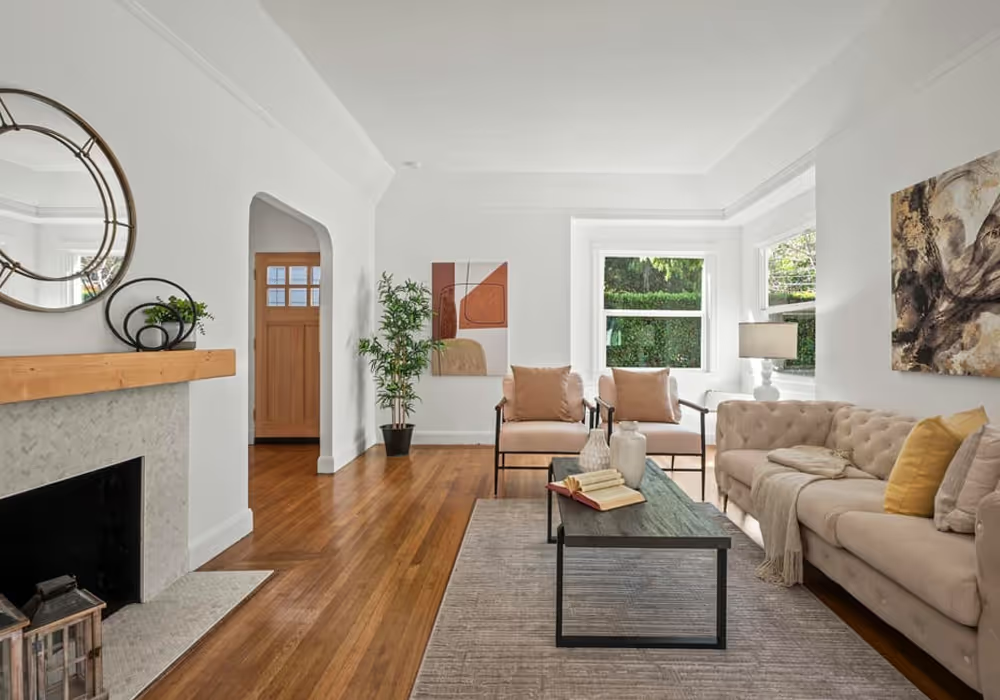
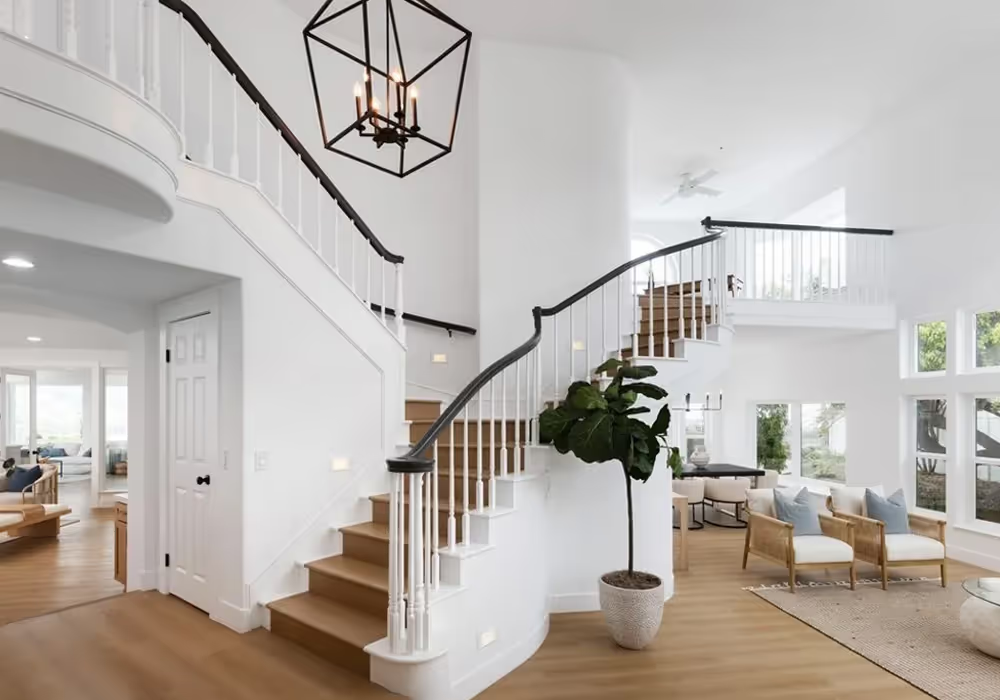
Much of the city’s residential inventory was built decades ago. From Edwardian and Victorian homes to mid-century properties, many houses were designed for a different era of living. These homes often feature smaller, segmented rooms, formal dining areas, limited storage, and closed-off kitchens.
While they are rich in character and located in highly desirable neighborhoods, they often lack the open layouts and flexibility modern homeowners expect.
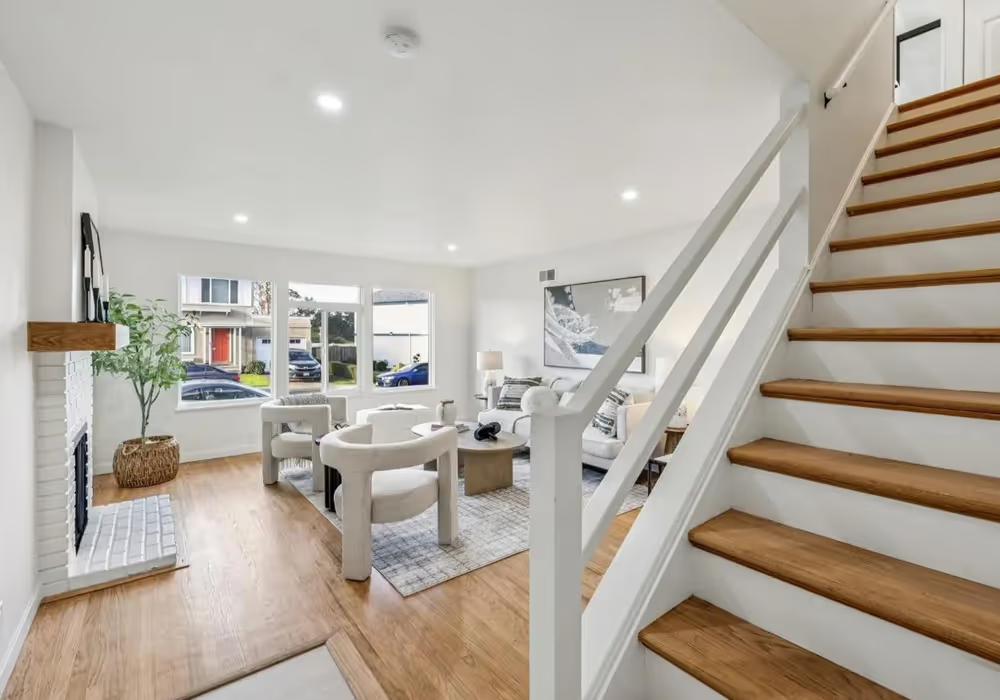
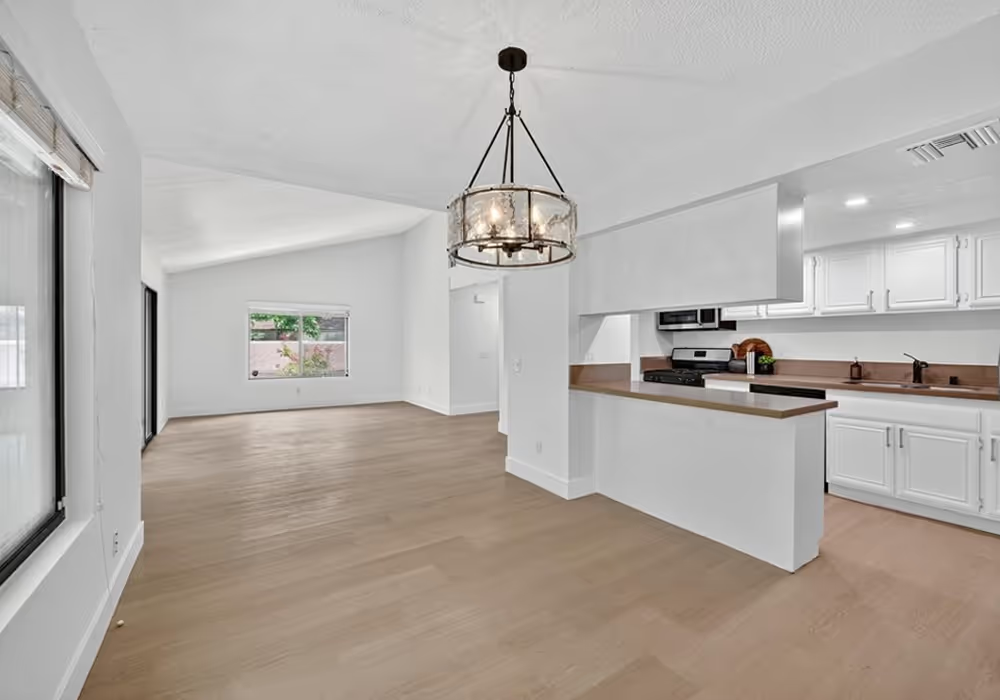
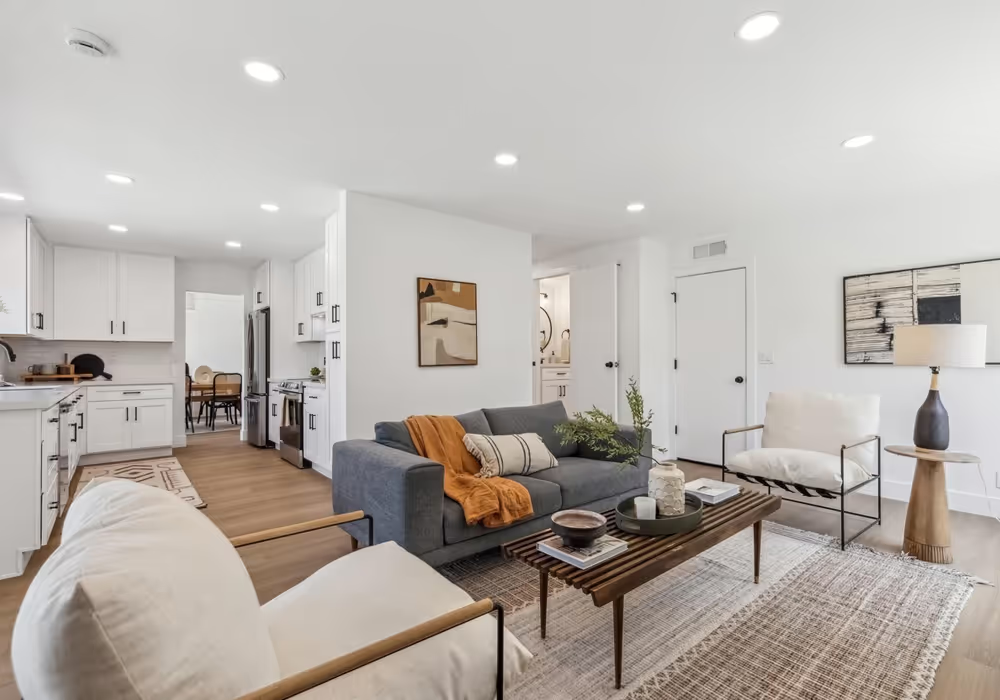
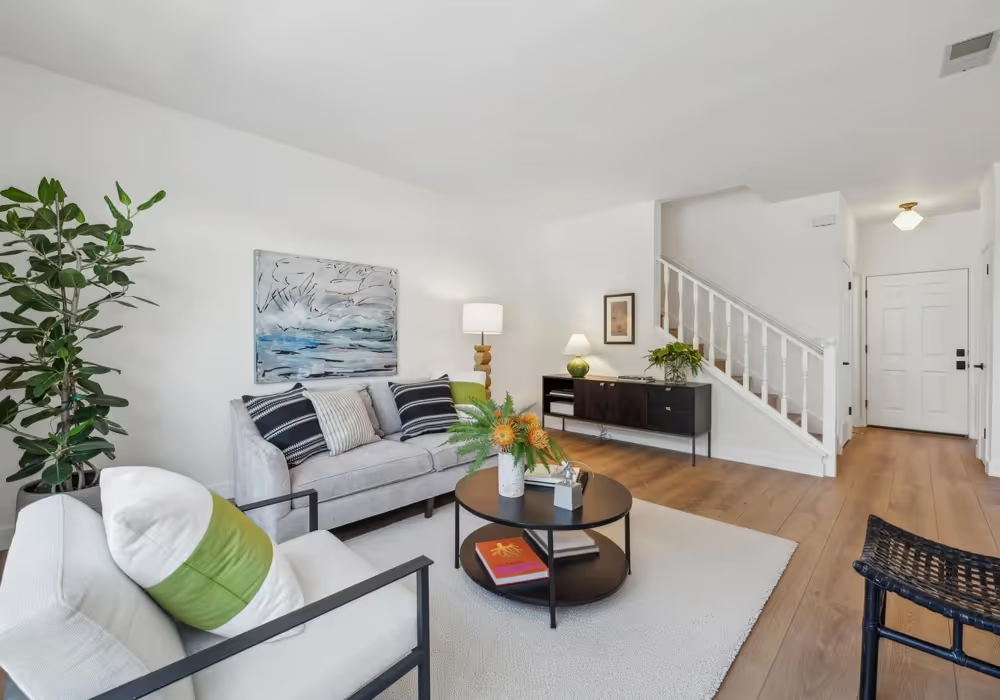
Today’s buyers prioritize open-concept living, larger kitchens, natural light, flexible spaces for work and family, and multigenerational living options.
This creates a gap between the home you have and the home you want.
In a typical market, the gap between the home you want and the home you have may push you toward moving. In San Francisco, it is not that simple.
Low inventory and strong demand mean homes often receive multiple offers. At the same time, long-term homeowners benefit from historically low property tax assessments and favorable mortgage rates. That combination leads to a smarter question: Instead of entering one of the most competitive housing markets in the country, could you create the home you want where you already are?
This is where Revive experts come in, carefully explaining the realities of each choice and guiding you toward the solution that makes the most financial sense for your situation.
Evaluating Your Current Home Before Deciding
Before choosing between remodeling and moving, it is critical to understand the true potential of your current property. Two factors matter most: condition and location.
Condition of the Home
Many homes that feel outdated are structurally stronger than homeowners expect. We guide you through a checklist of key areas to evaluate, including:
- Foundation and structural integrity
- Electrical capacity and safety
- Plumbing systems
- HVAC performance
- Layout constraints
In San Francisco, where full rebuilds can be costly and time-intensive, strategic renovations often focus on improving layout and functionality rather than rebuilding from scratch.
Simple changes can deliver significant impact:
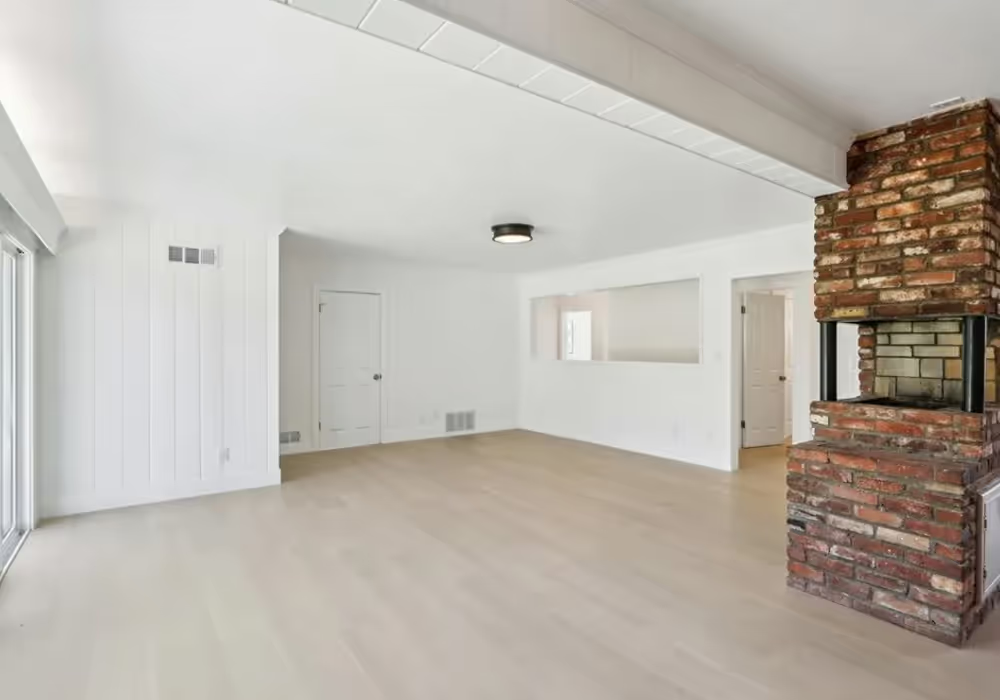
- Removing non-structural walls
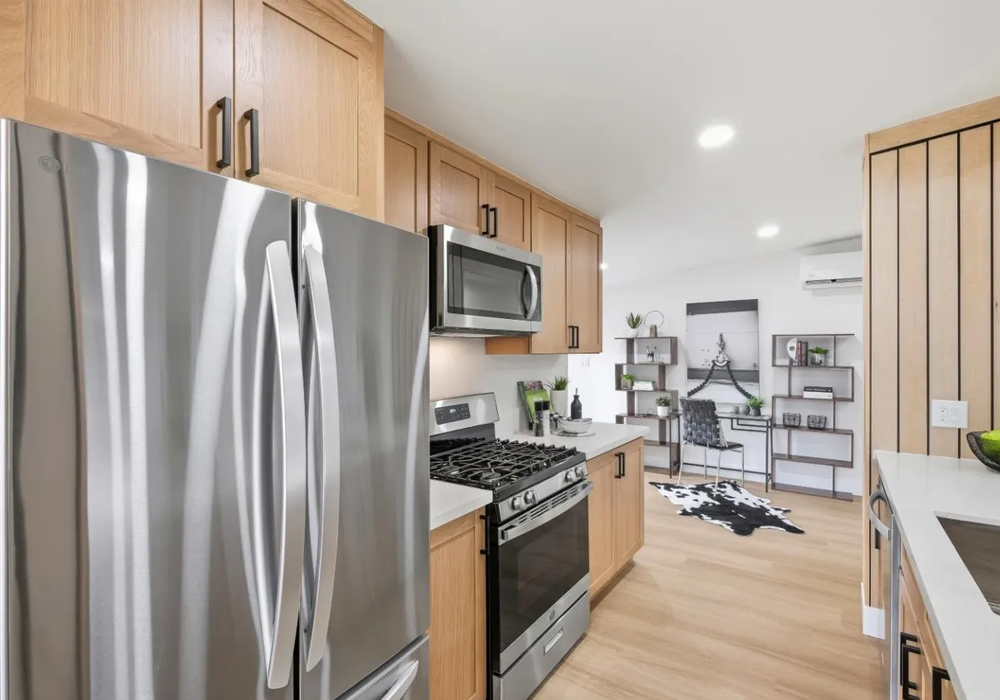
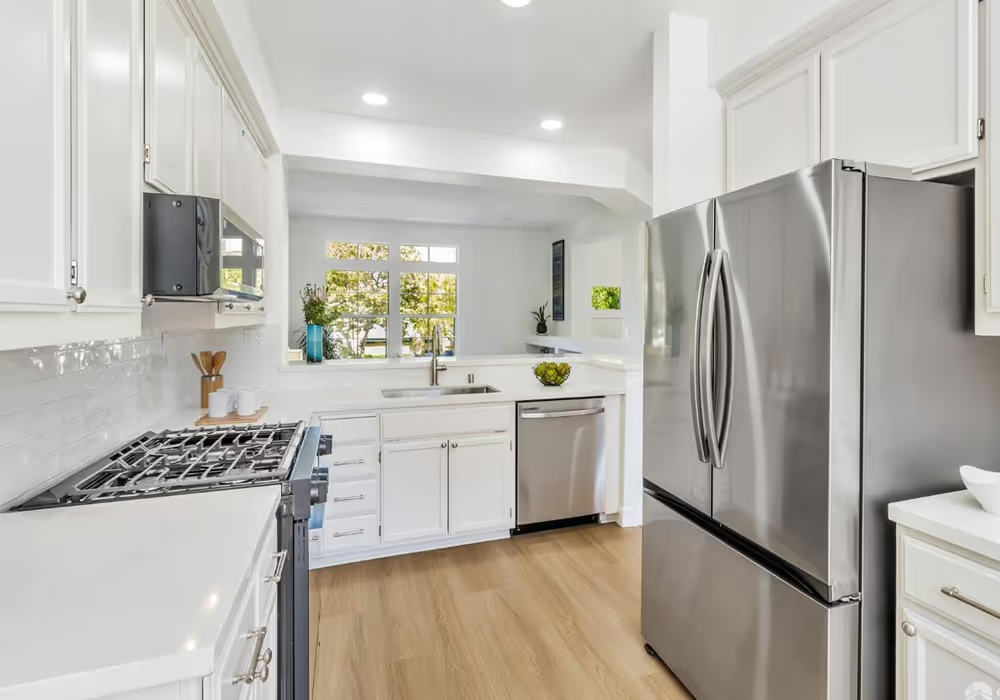
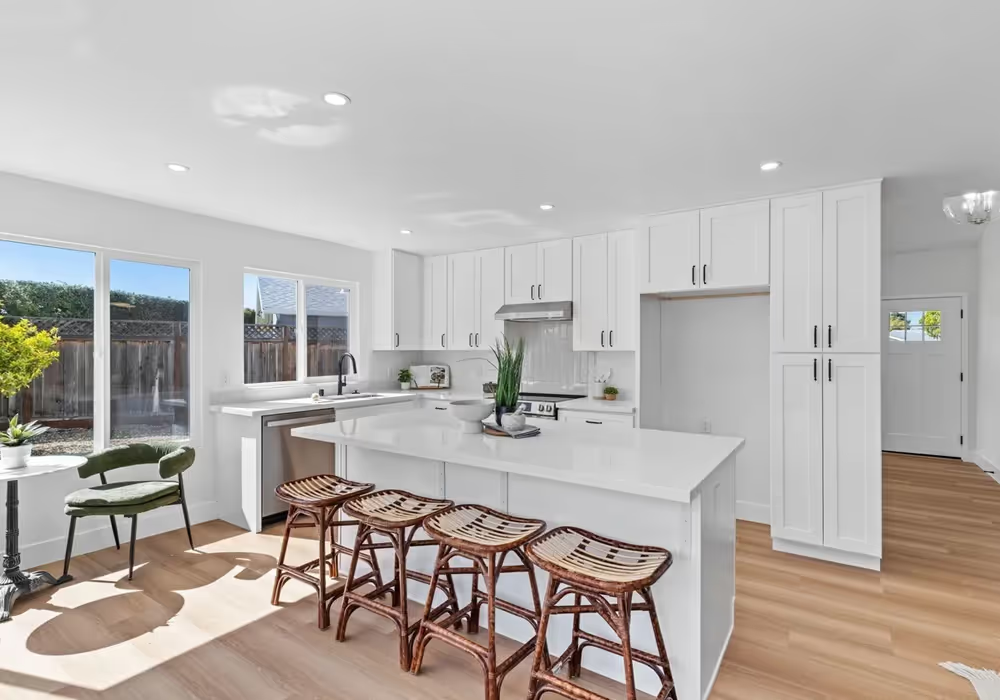
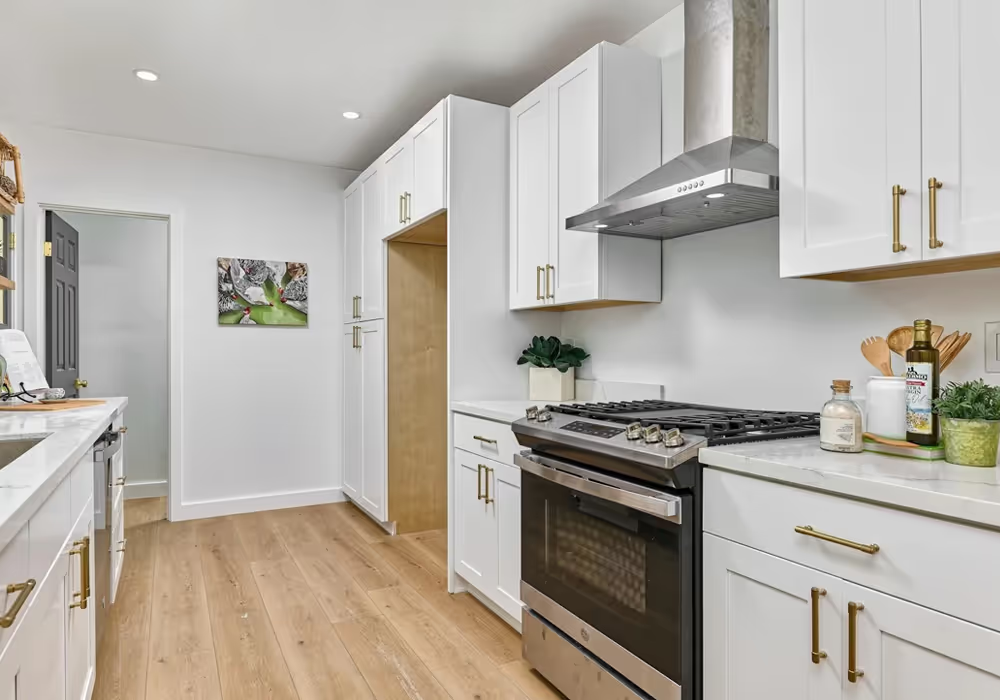
- Expanding kitchens
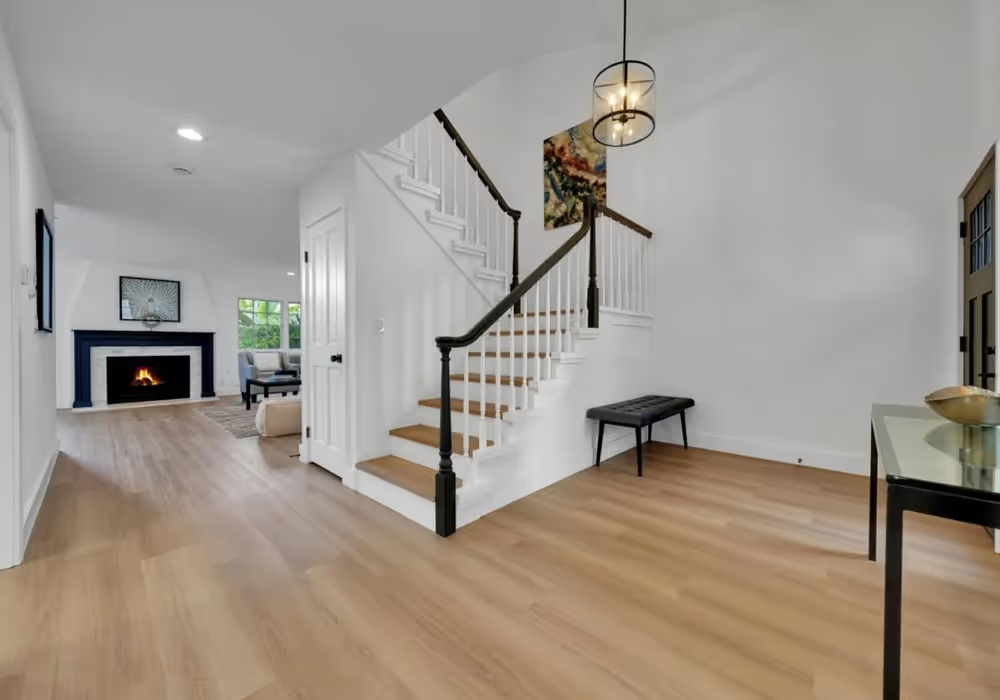
- Reconfiguring living spaces
- Adding natural light
Understanding what can be improved and what cannot is the first step toward making a confident decision. If you are unsure, you are not alone. Revive experts help you evaluate what is possible, break down your options, and guide you toward the strategy that creates the most value, whether that is Sell 360, Renovate to Sell, or Renovate to Stay.
Location and Lot Value
In San Francisco, location is one of the most valuable assets you own. Many homeowners already live in neighborhoods with strong long-term appreciation, proximity to jobs and transit, and high buyer demand.
Lot characteristics also play a major role. Depending on zoning and property type, some homes may allow:
- Vertical expansions
- Basement conversions
- Accessory dwelling units
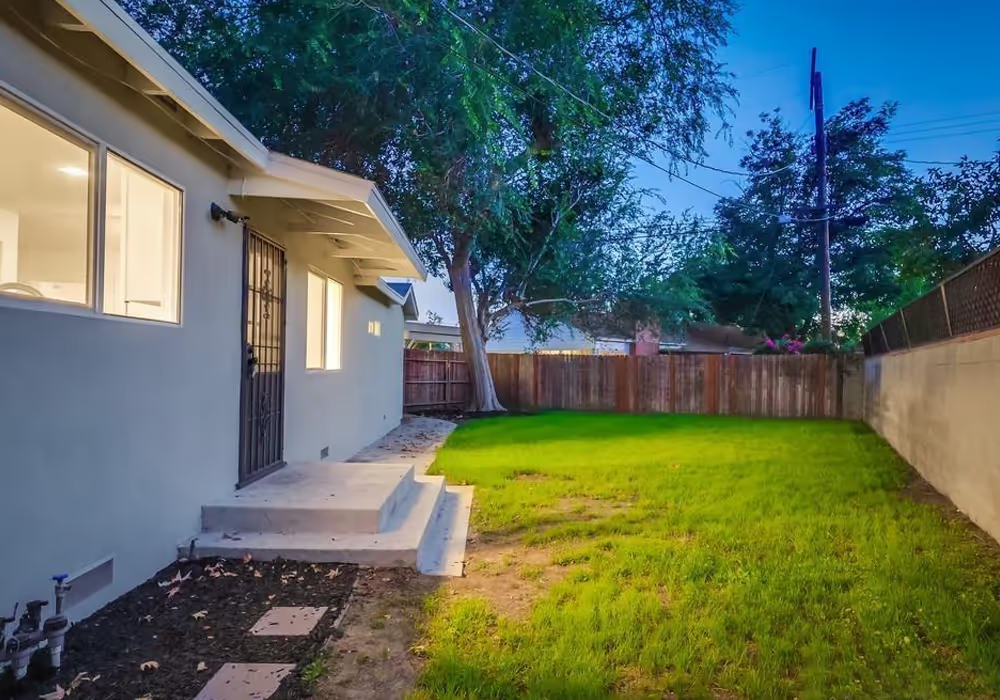
- Reconfigured layouts that maximize square footage
In many cases, the land and location carry as much value as the structure itself. Revive helps homeowners evaluate these factors together by analyzing renovation possibilities alongside projected resale value. This allows you to understand not just what your home is today, but what it could become.
Listen to our founder illuminate our Renovate to Sell and Renovate to Stay programs.
The True Cost of Remodeling in San Francisco
Renovation can transform an older home into a modern, highly functional space. But understanding the full financial picture is essential.
Kitchen Renovations
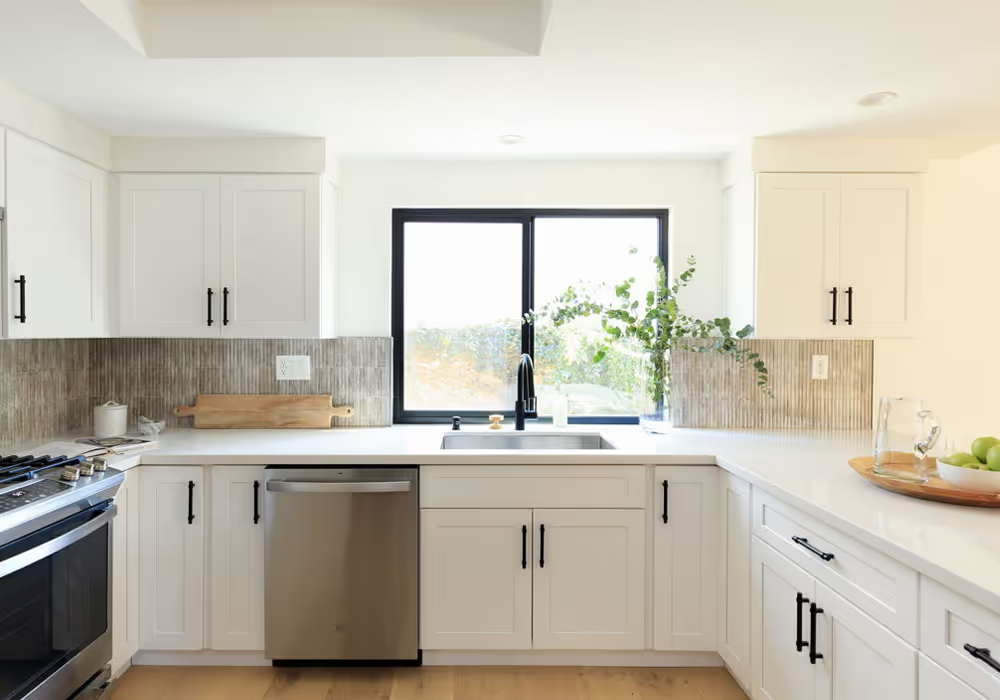
In San Francisco, expect moderate remodels to start around $80,000, and full redesigns with layout changes to possibly exceed $175,000.
Bathroom Renovations
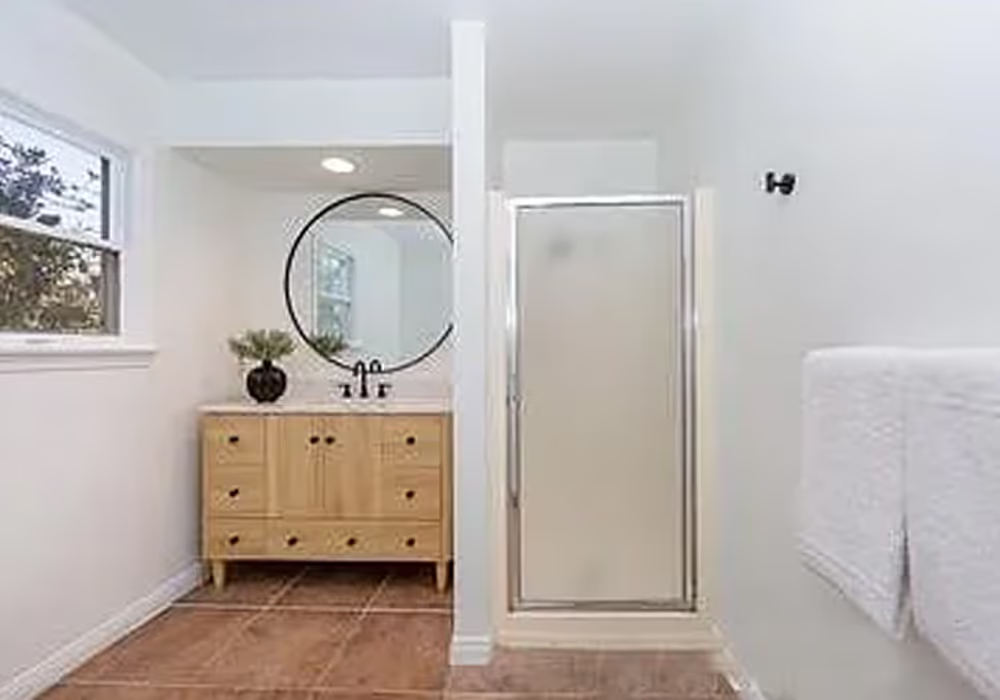
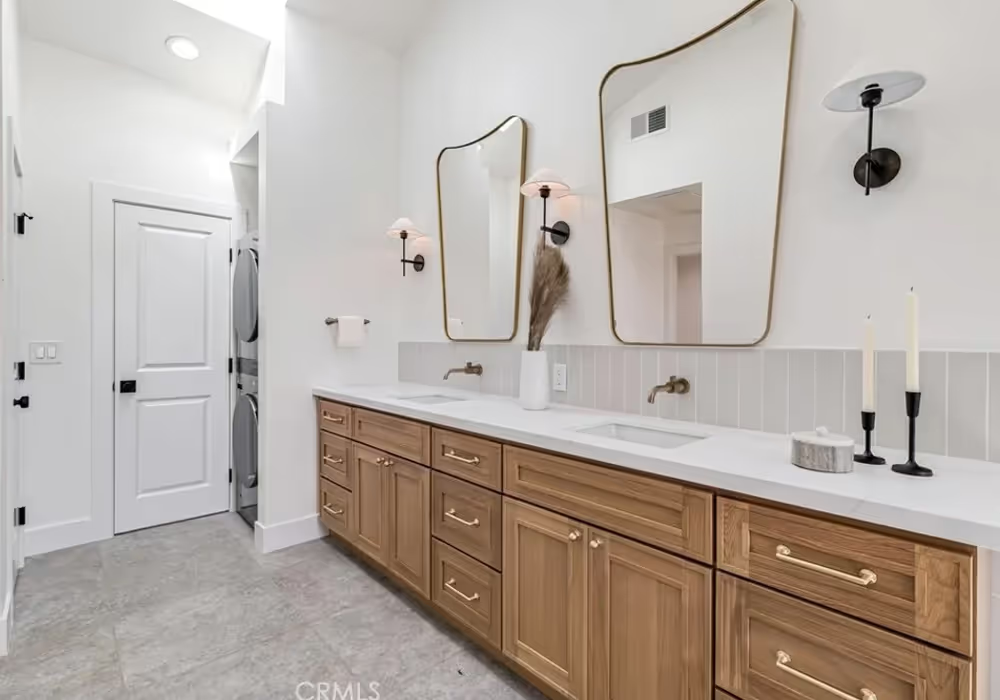
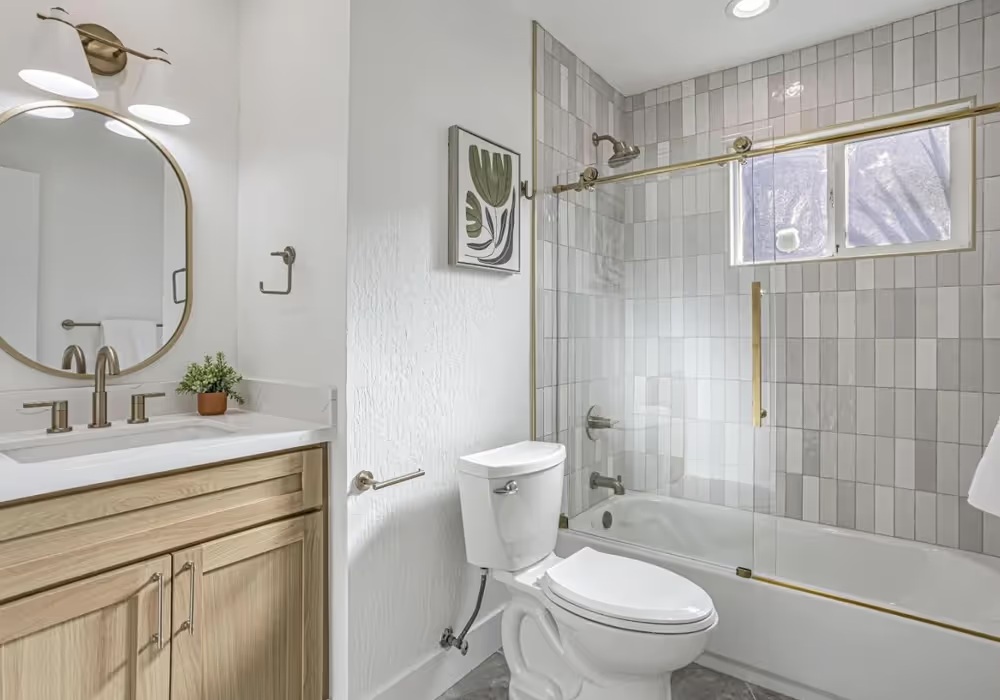
Bathrooms are smaller than kitchens, but still complex due to plumbing and waterproofing. The typical range is $30,000 to $75,000, depending on scope and finishes.
Larger Renovations
Projects like additions, expansions, or ADUs represent a larger investment. Room additions can range from $250,000 to $500,000+, while ADUs often fall between $300,000 and $600,000+.
Looking for inspo? Check out the Revive project gallery.
Additional Costs to Consider
San Francisco’s regulatory environment adds complexity. Permits and inspections are required for most projects, planning approvals can extend timelines, and architectural and engineering services are often necessary. Some homeowners may also need temporary housing during construction, which adds to the total cost.
Energy Efficiency Upgrades
California continues to push toward energy efficiency. Common upgrades include new windows and insulation, solar systems, and high-efficiency HVAC. These improvements can reduce long-term costs while increasing home value.
The True Cost of Moving in San Francisco
While moving may appear simpler, it comes with its own financial complexity.
Selling Costs
Selling your home typically includes agent commissions, staging and marketing fees, and pre-sale improvements or light renovations to maximize your home's sale price.
Buying Costs
Purchasing a new home in San Francisco involves high purchase prices in a competitive bidding environment and closing costs. Desirable homes often sell above asking price, increasing your total acquisition cost.
Property Tax Reset
California’s property tax system creates a major financial consideration. Long-time homeowners often benefit from lower assessed values. When you purchase a new home, your property taxes reset based on the current market value, which can significantly increase your annual expenses.
Mortgage Rate Impact
Many homeowners secured low interest rates in previous years. Buying a new home today often means higher interest rates and higher monthly payments. This can materially change your long-term financial picture.
Remodeling vs. Moving: A Side-by-Side Comparison
When you compare both options directly, the differences become clear.
Remodeling
- Requires upfront investment
- Preserves your current location
- Allows full customization
- Can increase long-term property value
Moving
- Provides immediate access to updated homes
- May better align with new location needs
- Comes with higher purchase costs and taxes
- Depends heavily on market conditions
Lifestyle preferences also play a role. Remodeling allows you to design your home around your life. Moving requires choosing from what already exists. However, if this ends up being the best option for you, Revive has shown incredible success and ROI for homeowners choosing to Renovate to Sell.
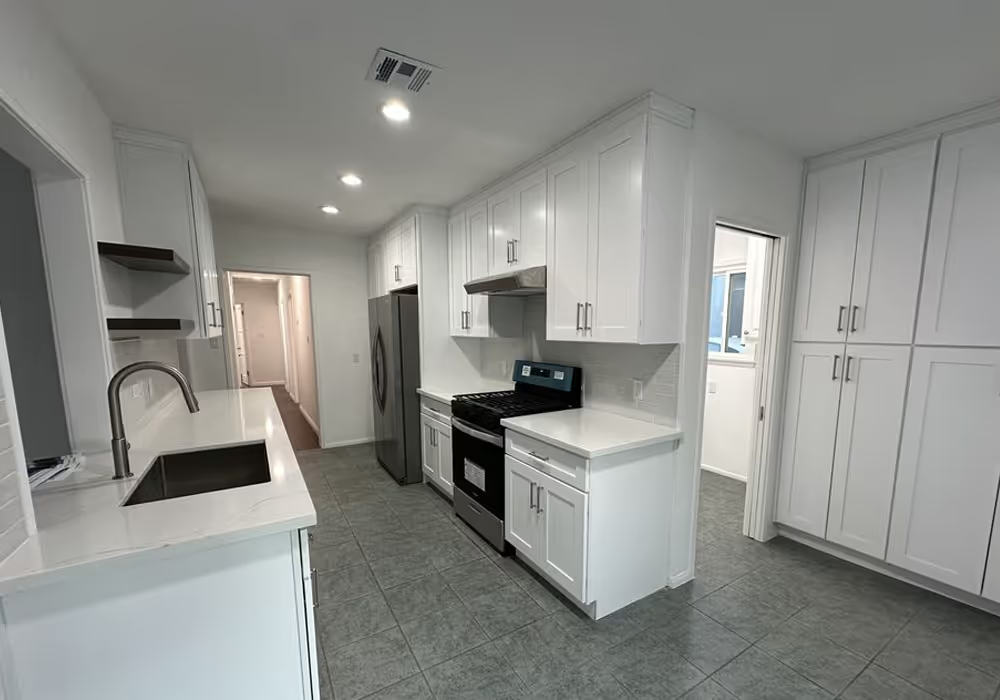
Case Study: A 3-bedroom, 3-bath Oakland home had strong potential, but its outdated design limited its market value at $1.6M. Revive stepped in and funded $183,336 in targeted renovations, transforming the home with a remodeled kitchen and bathrooms, fresh paint, enhanced lighting, and a new deck. These updates repositioned the property and drove a final sale of $2,208,000, delivering $608,000 in additional value.
Timing matters as well. Moving depends on market inventory and competition. Renovating depends on planning, permitting, and construction timelines.
When Remodeling Makes More Sense
Simply put, remodeling is often the better option when:
- You value your current neighborhood.
- Your home has strong structural fundamentals.
- You want to customize your space.
- You plan to stay long-term.
When Moving Makes More Sense
By the same token, moving may be the right choice when:
- Renovation costs approach or exceed the home’s value ceiling.
- Structural limitations prevent meaningful improvements.
- Your lifestyle requires a different location.
Making the Right Decision With Confidence
This decision is complex, but it does not have to be unclear.
Revive helps homeowners evaluate:
- Renovation scope and cost
- Potential resale value
- Market conditions
- Long-term financial impact
By combining data, planning, and expert guidance, we help you understand what your home could become before you commit to a path.
Because when you see the full picture, you can make a smarter decision. And because we believe the future starts at home. Let’s chat.
How much is your home's worth?
Get your personalized estimate today.





















Brittany Zamora is a Property Coordinator at Revive. With a background in real estate and title services, her diverse experience enriches Revive's client engagement and business growth.