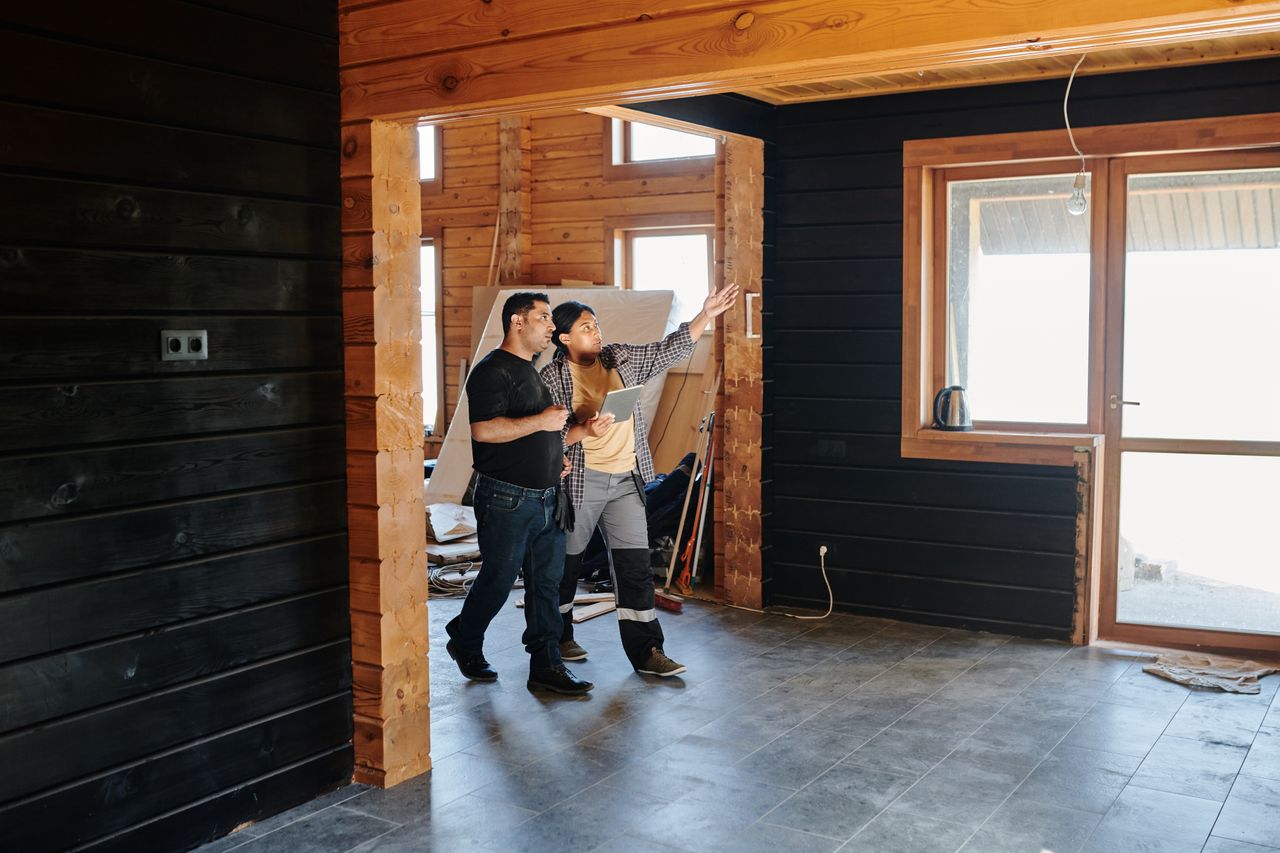
If you're preparing to remodel your San Francisco home, your contractor is about to be a big presence in your life. Hiring the wrong one will reverberate throughout your home life and finances for years to come. That's not to scare you about what's sure to be a satisfying, fun journey. However, it is to say that a good San Francisco remodeler makes all the difference.
Prepare yourself for contractor consultations with this list of important questions to ask a remodeling contractor in San Francisco. Plus, we'll provide resources for verifying contractors through California's licensing portal.
Why the Questions You Ask Matter More in SF
We're not saying that homeowners in Omaha or Orlando don't need to spend time finding quality contractors. However, homeowners in almost every other city in America generally have less at stake compared to San Francisco homeowners.
The architectural and permitting realities of homes here make finding someone who really knows what they're doing important. At Revive, homeowners find an easy way to finance whether they're remodeling to stay or sell. They do it confidently because they know the rules for hiring exceptional contractors. Let's get into it.
SF's Permitting Complexity Creates Real Differences in Contractor Capability
You basically can't swing a hammer in this city without the local zoning board knowing about it. As you know, people come from around the world to see the Painted Ladies on Steiner Street and Edwardian mansions nestled into the crooked turns of Lombard Street. Tight permitting and regulations helps to preserve the charm and authenticity of San Francisco. They also keep homeowners and tenants safe from fire risks and environmental dangers within their homes.
With all of that said, navigating permits for your San Francisco remodeling project is a huge task. Multiple city departments play roles in managing permits. The SF building code has multiple volumes.
Plus, homeowners need to know how to submit plans with seismic/earthquake, environmental, and historic standards to prevent their permit applications from being denied or kicked back for revision.
This is where hiring experienced local San Francisco contractors matters. Hiring a company that's gone through permitting countless times is a big advantage. In addition to getting your project pushed through faster, you can be sure that you're not putting yourself at risk of doing work that violates local codes.
Older Housing Stock Requires Knowledge Most General Contractors Don't Have
Aside from Brooklyn, New York and select Boston neighborhoods, San Francisco has the nation's oldest housing stock. The median build year for homes in San Francisco is 1948.
It's important to find a contractor with experience remodeling older and historic homes. In addition to preserving the aesthetic of a home, remodelers also need to know how to properly handle wildcards like asbestos, lead, arsenic, and radon safely.
Even simple kitchen renovations in San Francisco are more complicated if you share a wall with a neighbor in a condo or duplex.
The Cost of Getting This Wrong in One of the Most Expensive Remodeling Markets in the Country
Can San Francisco building officials make you tear down work that was done incorrectly? Yes, the San Francisco Department of Building Inspection (DBI) has the legal authority to force you to demolish or remove any construction that violates local codes or poses safety risks. That can mean thousands of dollars lost.
While it's not a guarantee that you'll need to tear down work just because there's a code error or violation, you could still be stuck paying to remediate or bring the work up to code. Plus, the city can impose fees for code violations.
Questions About Licensing, Insurance, and Legal Standing
Finding a reputable and capable remodeling contractor in San Francisco doesn't have to overwhelm you. Asking the right questions can weed out unqualified professionals. Here's what to ask.
Are You Licensed With the CSLB? What Is Your License Number?
Anyone you hire should be licensed through the Contractors State License Board (CSLB). The CSLB is California's statewide licensing body. You can actually use this CSLB portal to look up a contractor by name or license number.
Verifying that a contractor is licensed ensures that the person you're hiring holds the training and certifications to safely, responsibly, and legally do the job.
Do You Carry General Liability and Workers' Comp? Can I See Certificates?
San Francisco requires licensed contractors to hold a minimum $1 million in general liability and workers' compensation coverage per occurrence. Aggregate totals can be as high as $4 million. This coverage protects you in the event that there's an accident or damage at your property. Ask to see proof of coverage.
Have You Had Any CSLB Complaints or Disciplinary Actions?
Most homeowners assume checking online reviews is enough to uncover a contractor's reputation. Go deeper by inquiring about issues reported to the CSLB.
You can use the CSLB's "Check a License" portal to look for complaint disclosures.
Questions About San Francisco Experience
Next, let's cover confirming competency.
How Many Projects Have You Completed in San Francisco in the Past Two Years?
Hire a contractor with a minimum of two years of experience doing remodeling projects in the city. Ask to see pictures of work completed within the past two to five years.
Have You Worked on Victorian or Edwardian Homes With Historic Review Requirements?
If you live in a home that's under historic restrains, only hire a contractor who has worked on a similar home before. This is a completely different type of remodel compared to a conventional home.
Are You Familiar With the DBI Permit Process, and Will You Pull the Permits?
Ask the contractor to show you a permit plan outline. In addition, inquire about how costs for permits factor into the total quote. Also ask the contractor the process for verifying proof of permits with you.
Questions About the Project Itself
It's crucial to talk about budgeting and logistics early. A contractor's strategy for tackling a project influences everything from how early you need to access financing to how available you need to be during work hours.
What Does Your Bid Include, and What Is Explicitly Excluded?
Ask for an itemized list of everything included in the bid. This specifically includes separate breakdowns for materials and labor. It's also important to ask specifically for any tasks or items that would be considered add-on costs.
That last part can include things like material upgrades. Keep in mind that homeowners who renovate with Revive don't pay upfront before starting renovations. Plus, there's no interest or hidden fees.
Who Will Be on Site Daily, and How Will You Communicate With Me?
You can get a sense of whether or not costs are fair based on the number of laborers needed daily to complete the task. If you're hiring someone as a general contractor, inquire about the hours per week they will physically be at the site.
In addition, a contract draft should have explicit directions for communication frequency and mode of communications. Create an outline for daily or weekly progress reports.
How Do You Handle Change Orders, and What Triggers One?
It's not a red flag if your contractor brings up change orders. They're fairly standard in any new build or home renovation.
A change order is a formal written document modifying your originally agreed-upon contract. Common change-order triggers in San Francisco include:
- Discovering a previously unknown issue or complication with the house or property. This can be soil problems, bad pipes, and more.
- You change your mind about some feature of the project. For example, you may want to upgrade flooring or make a window bigger once the project is already underway.
- A design flaw is discovered that makes the original blueprint unfeasible without alterations.
- Pricing fluctuations in materials or unavailability or a product create sourcing changes.
- A new code update is announced in San Francisco that affects your project.
These are just the standard reasons for change orders. In reality, any issue that alters the time frame, scope, or cost of the project for any reason justifies a change order. Ask your contractor about their list of official change orders.
Questions About Timeline and Risk
At this point, you may be ready to start talking about signing a contract. Here are some of the final questions to ask before anything formal is drafted.
What Is Your Estimated Timeline, and What Could Delay It?
Ask for a start date and end date. Also ask for what would be considered reasonable or acceptable reasons for delay. This can include material availability, weather, or unforeseen circumstances with the property itself.
Bring up liquidated damages. A liquidated damages clause states that a contractor will be charged a preset daily fee for each day the project goes past the deadline. The fee in San Francisco ranges from $100 to more than $1,500 based on project scope.
Have You Done Discovery on Hidden Conditions in Older SF Homes?
This question is so important because past discovery experience enables a contractor to give you an honest quote and timeline. Contractors without it can get in over their heads with overpromising out of ignorance.
What Contingency Should I Budget for This Project?
Even the best contractor isn't always capable of providing an accurate quote down to the dollar. That's why contingency budgets are standard. You'd be advised to have a contingency budget even if you're doing DIY.
Your contingency budget sets aside extra funds for unexpected issues discovered once the project starts. The standard remodeling contingency budget in San Francisco is 10% to 15%. Your contractor may have thoughts on a specific percentage based on your project scope and type.
Questions About Financials and Contract
We're at the final round of questions. This is what to ask when you're ready to sign on with a contractor.
What Is Your Payment Schedule, and What Triggers Each Payment
Ask about the initial down payment owed to start work. From there, ask for a written payment schedule. It's standard for contractors to ask for 10% to 20% as down payment to acquire materials. You may be asked for another 30% at the start of work.
Payments are also triggered by major work conclusions. For example, a bulk total may be collected after completion of rough-in electrical or plumbing inspections. It's common for all but the final 10% to be paid by the time the job is finished.
It's a good time to mention that Revive homeowners only pay when their projects are completed. There's also weekly updates via app and a 100% guarantee for job completion. Check out Revive's flexible full-service renovation process.
Will You Provide a Lien Release Upon Final Payment?
Contractors have legal claims to your home up until they receive final payment for work done. It's within their right to file a claim with the city if you fail to pay. Your contractor will either do an unconditional release when payment is sent or conditional release when payment clears.
What Does Your Warranty Cover?
Ask to see a contractor warranty in writing. It should look similar to a new construction warranty. Items to look for include:
- Workmanship
- Materials
- Systems (HVAC, plumbing, and electric)
- Structural
Compare terms of warranties between contractors. It's generally a good sign when warranties last longer. A one-year workmanship guarantee is advisable.
Red Flags in the Answers You Get
How a contractor answers your questions matters. Look around some more if you get unsatisfactory answers.
Vagueness About Permits, Licensing, or Insurance
Contractors should be willing to show you proof of work ability in San Francisco. It's important that a contractor shares their contractor license number to allow you to look up their history on your own.
Pressure to Start Before a Contract Is Signed
A contractor moving too quickly is a stop sign. Reputable contractors need time to assemble materials and labor. Eagerness can also be a sign they don't have other clients. No work should be done until a contract is signed.
No Prior SF-Specific Experience
Don't take a chance on a contractor trying to break into the market. Only hire someone with experience with the same style home as yours in San Francisco.
How Revive Helps You Find the Right Contractor
A botched home remodeling project is devastating. With Revive, homeowners can choose contractors with confidence. We do the vetting to allow you to do the choosing.
The expertise of a contractor is invaluable. For example, a contractor with an understanding of client needs can help you unlock the best remodeling projects for ROI in San Francisco if you're remodeling to sell specifically.
Our Vetting Process and Pre-Qualified Contractor Network
Revive relentlessly vets contractors before bringing them on board to put our name behind them. All Revive-approved contractors are licensed, bonded, and insured. We also verify that they hold active general liability and workers' compensation. Plus, every contractor must have a minimum of four W-2 in-house crew members to ensure consistency and quality.
Get a Free Estimate and Project Consultation
Start the feasibility stage for your San Francisco home remodel today. Revive gives you access to the best network of vetted contractors without spending weeks of your own time researching.
Get your estimate and project consultation with no cost or pressure today.
How much is your home's worth?
Get your personalized estimate today.
























Seasoned architect with a B. Arch from Sushant School. Formerly at Brookfield Residential and Studio Niev's founder. Kanika's blend of aesthetics and efficiency is pivotal to our production team's excellence.