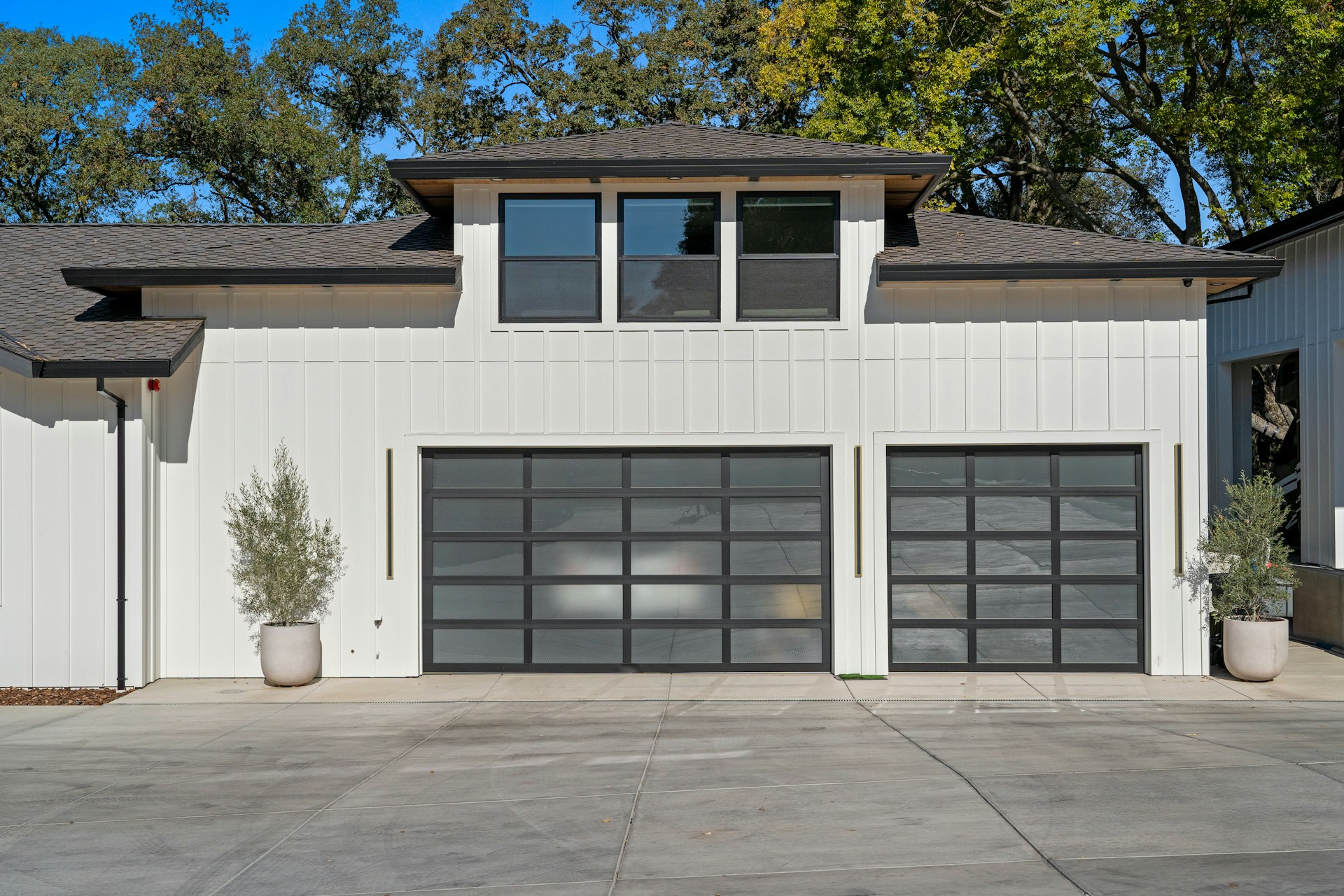
Planning a home renovation? Handle financing before blueprints. Securing funding first lets you draft up realistic plans. Plus, contractors need to know your true budget before they can invest time into planning your renovation.
This is especially true in San Francisco because higher costs and stringent permitting require extra diligence. Luckily, homeowners like you have flexible options that make dream kitchens, bathrooms, finished basements, guestrooms, and more both feasible and affordable.
This guide covers home renovation financing in San Francisco whether you're updating to stay or sell.
Why Renovation Financing Deserves Careful Thought in SF
Good home renovation financing in San Francisco is a make-or-break factor for many projects. While it matters everywhere, SF's high costs and meticulous permit requirements add extra challenges. Of course, the stakes make the rewards that much higher for homeowners seeking to add value.
Project Costs Here Are Among the Highest in the Country
From materials to labor, San Francisco has some of the highest renovation costs in the country. It's why homeowners should carefully plan whether they renovate their homes to make them suited for long-term living or create updates that will likely allow them to sell faster for more money.
At Revive, we offer easy tools for calculating when it's better to renovate to sell or stay. It's about merging your short-term needs with your long-term goals to walk out ahead. Our case studies show how homeowners and families in similar high-cost-of-living areas in California have increased home profits using our simple tools.
It's all designed to help you complete remodeling projects with the best ROI in San Francisco.
High Home Values Create Significant Equity to Work With
While homeowners often assume higher costs in the city spell something daunting for a home remodel, most find that it's just the opposite. High home values in San Francisco mean that you probably have significant equity to work with.
Plus, bringing your home in line with comparable properties nearby can boost home value. For example, adding a luxury kitchen or en-suite bathroom can get your home in the luxury category in some neighborhoods.
Matching the Financing Instrument to Your Goals and Timeline
Financing a home renovation in San Francisco isn't just about getting a dollar amount in your hands. You want financing instruments that match your goal and timeline. The biggest hurdle is availability of funds as the project progresses.
Contractors generally want 10% to 15% as a down payment, 30% down upon starting, and larger chunks toward the final total as they complete major steps like rough-in plumbing or electrical. Depending on the type of loan or financing you take, you'll be responsible for dispersing those funds.
With traditional bank loans or second mortgages, you may need to work with the bank or lender to ensure funds are being released on time.
Homeowners planning their projects through Revive in San Francisco never pay upfront costs. Payment happens only when the renovation is completed. Reach out to see what financing might look like for you.
Home Equity Line of Credit (HELOC)
One of the traditional ways homeowners fund major home improvements is the HELOC. You're using equity in your home to improve your home.
How HELOCs Work and Why SF Homeowners Are Well-Positioned to Use Them
Consistently escalating home values in SF mean homeowners don't generally wait long to watch equity build up. This positions you to tap into HELOCs much earlier compared to homeowners in markets around the country.
A HELOC allows you to borrow money against your home's equity. It essentially turns that equity into a renovation "credit card" that utilizes your home as the collateral. Your HELOC amount is your home's current market value minus your outstanding mortgage. It's standard to borrow up to 80% of a home's value.
HELOCs are sliced into two phases. The first is the 10-year draw period when you can pull money on an as-need basis. Most lenders require you to pay interest on the amount of the total pool you've used so far. Your borrowing pool is replenished as you pay your principal balance.
While variable, HELOC repayment lasts up to 20 years after your draw period ends. Monthly payments cover the HELOC amount and interest.
Variable Rate Risk and When a HELOC Makes Sense
HELOC interest rates are tied to indexes. This can make them volatile in the sense that they often adjust monthly or quarterly. That can mean paying more for your financing even though you haven't borrowed more.
While this can add unpredictability to your budget, there are situations where HELOC makes sense for renovations. HELOCs are popular with big or multi-step renovations. You can draw cash slowly on an as-need basis while only paying interest back on what you've used so far instead of the full borrowing pool. Plus, the long repayment period adds extra flexibility when renovating to stay.
Current HELOC Rates and What SF Lenders Are Offering in 2026
At the time of writing this post, HELOC rates are hovering at 7.30%. Depending on terms and where you source your HELOC from in San Francisco, rates might range from 4.99% to 7.75%.
Home Equity Loan (Second Mortgage)
A second mortgage allows you to take equity out of your home. Unlike HELOCs offering revolving credit lines, second mortgages give lump sums that are paid back like traditional loans. Like HELOCs, your home is the collateral.
Fixed Rate, Lump Sum: When This Works Better Than a HELOC
Home equity loans resemble traditional mortgages or loans. However, your home's equity gives you access to more favorable rates and bigger borrowing power. You're also preserving your existing interest rate because you're not refinancing.
You are taking a lump sum at a fixed rate. This option is best for major standalone projects with clear and predictable start and end times. For example, adding a porch, expanding your kitchen, or getting a new roof.
Second mortgages aren't always great for ongoing projects because you're expected to start repaying what you borrowed within a month or so of closing the loan.
How Much Equity You Need and What SF Homeowners Typically Qualify For
Equity requirements vary by lender. Most will allow you to borrow up to 80% to 85% of your home's value. In San Francisco, homeowners are commonly required to have 20% equity.
Cash-Out Refinance
A cash-out refinance is a new mortgage on your existing home. You replace your current mortgage with a bigger one to cover the costs of your renovation. That means going through the loan application process again.
The twist with the cash-out refinance is that your lender uses what you borrow to pay off your existing mortgage. The remainder comes to you as cash.
This is one of the harder renovation financing options to manage for a few reasons. First, your new loan may have different terms as far as repayment period and interest rate. Second, homeowners can only borrow against equity beyond the required 20%.
When Refinancing Pencils Out in a Higher-Rate Environment
The general advice is that cash-out refinancing isn't the first choice when current interest rates are high. Cash-out refinancing forces you to give up your lower rate for a higher rate. Closing costs are also higher.
However, one plus of the cash-out refinance is that homeowners can often get large cash amounts. Depending on your equity level, the borrowing amount approved can be much higher compared to personal loans. The interest rate on a cash-out refinance is also generally lower compared to personal loans.
The Break-Even Calculation for SF Homeowners Considering This Option
Your break-even point means how many months it takes for the amount saved monthly to equal the cost to refinance. Find it by dividing your total closing costs by your net monthly payment change.
Let's say your refinancing closing costs are $10,000. The new loan saves you $500 a month compared to your previous loan. After dividing $10,000 by $500 to get a break-even period of 20 months.
Renovation Mortgages and Construction Loans
Homeowners can pick special loans designed for renovations. Here's a look at the options.
FHA 203(k) and Fannie Mae HomeStyle: How They Work and Who Qualifies
FHA 203(k) is a renovation version of the traditional government-backed FHA loan. It's on the table for buying or refinancing a home that needs work. The FHA 203(k) structure lets you bundle purchase price and renovation costs into a monthly payment.
FHA 203(k) is only for homes that are primary residences. That means this isn't an option for flipping. Homeowners generally need credit scores between 500 and 600 to qualify with either 3.5% or 10% down.
There are also limitations on what you can use the funds to cover. For example, adding a luxury pool wouldn't qualify. FHA borrowing limits and guidelines also apply.
The Fannie Mae HomeStyle Renovation loan also allows you to bundle a home's purchase or refinance with renovation costs under a single repayment. Homestyle offers more flexibility on how you can use funds. Pools and other luxury features are allowed.
Fannie Mae HomeStyle loans are permitted for secondary homes and investment homes. Down payments start at 3% to 5%. You need a credit score of at least 620 to be considered. Borrowing limits are based on anticipated home value when projects are complete.
Why These Are Underused in SF Despite Being Well-Suited to the Market
Lack of awareness about their availability is one reason. In addition, the approval processes can be a little more stringent because you're dealing with government-backed loans. There's often more paperwork and requirements of proof compared to HELOCs and other private financing options.
State and Federal Incentives Worth Knowing
Let's cover three incentive programs to have on your radar when exploring home renovation financing in San Francisco.
California Energy Commission Rebates for Heat Pumps and Electrification
The California Energy Commission (CEC) Home Electrification and Appliance Rebates (HEEHRA) program is active for 2026. Income-qualifying San Francisco homeowners can get up to $8,000 in rebates on heat pump and HVAC upgrades.
Federal Tax Credits for Energy-Efficient Upgrades (IRA-Related Programs)
Currently, all IRA (Inflation Reduction Act) tax credits have expired. While no incentives apply toward future renovations, you can retroactively claim credits up to $3,200 for qualifying improvements made between Jan. 1 of 2023 and Dec. 31 of 2025.
PACE Financing: Property-Assessed Clean Energy Loans in SF
PACE is a unique option allowing San Francisco homeowners to repay costs for upgrades over time via their property taxes. Homeowners can use PACE to finance energy-efficient or water-conserving upgrades with an upfront payment.
The cost is then paid as part of a benefit assessment on your property tax bill for the next 20 to 30 years. The assessment also transfers when you sell the property.
Revive's Pay-at-Closing Model: Renovate Now, Pay When You Sell
Homeowners who renovate to sell or stay with Revive don't sweat over complicated financing. With Revive, there's no upfront payment. That means homeowners are free to focus on planning a successful project with the best contractors in San Francisco.
How the Model Works and Who It's Best For
Revive's model requires zero upfront costs. If you're renovating to sell, you only owe when you close on the sale using proceeds from the home. Revive bases the amount you'll qualify for on your property's equity and sale-price potential following renovations.
Plus, Revive connects you with qualified contractors and helps you easily track renovation progress with user-friendly planning tools.
What Projects Revive Finances and What the Process Looks Like
Revive assembles financing for whichever projects bring convenience to your life and value to your home.
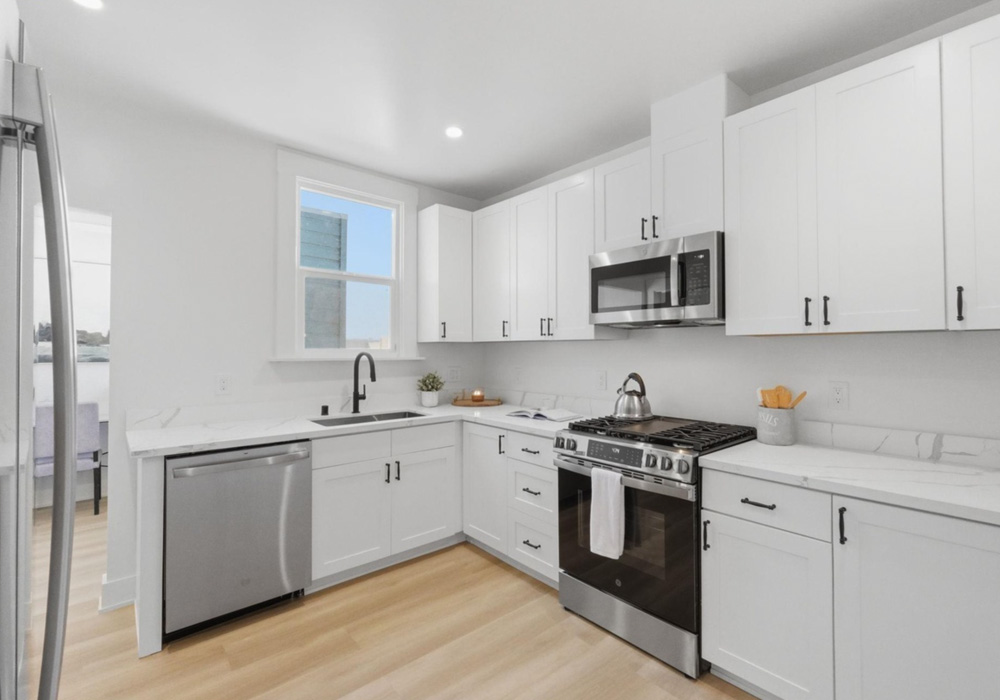
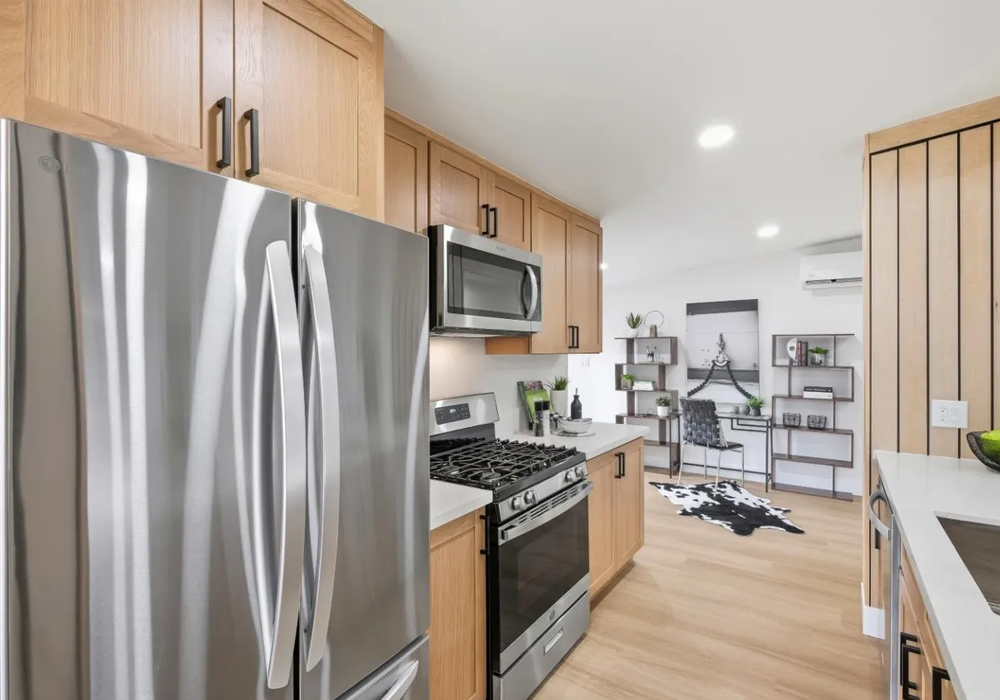
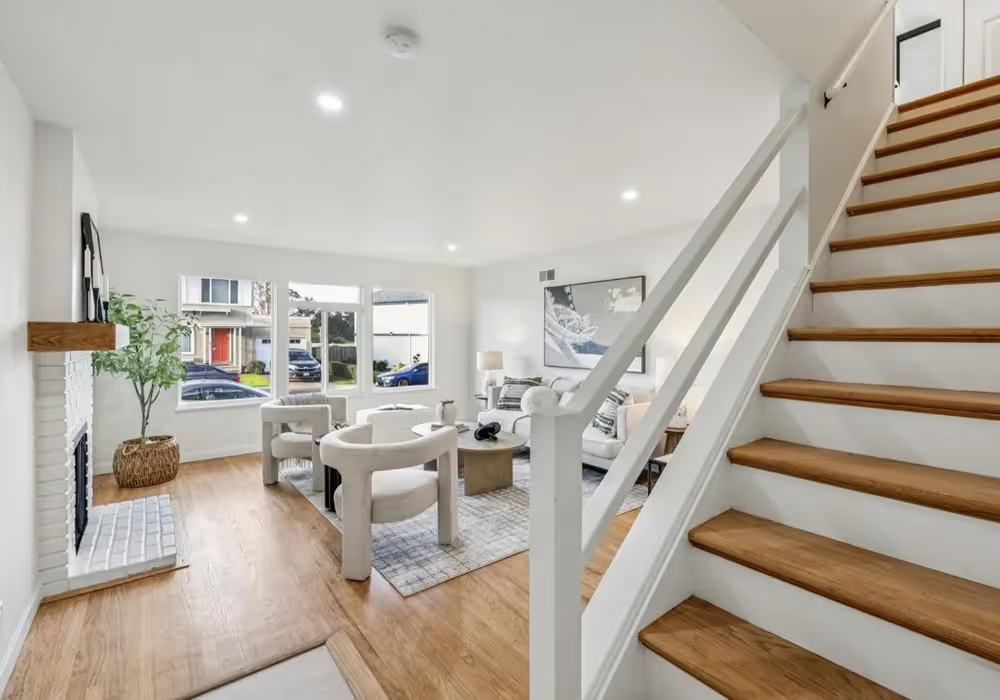
We make remodeling your kitchen, bathroom, bedroom, living room, and more simple. Revive also simplifies exterior and outdoor renovations that boost curb appeal. Everything you need for full home remodels and big structural projects is also here.
Revive gives homeowners dedicated advisors and designers, personalized scope and design plans, pre-negotiated contractor pricing and materials, 100% job completion protection, regular updates, and so much more. There's also a one-year workmanship guarantee.
It starts when you tell us about your project. From there, you'll meet your designer, confirm scope and budget, and start construction with financing in place.
Get a Free Estimate and Financing Consultation
Don't be overwhelmed by how to finance a home renovation in San Francisco. Revive connects you to the right contractor to start your project. We'll also make sure your financing aligns with your project scope and budget. Book your consultation today.
How much is your home's worth?
Get your personalized estimate today.





























Steven Feeko, serving as a Property Advisor at Revive, brings a diverse background in property management, lease administration, and customer service. His experience in managing and coordinating real estate processes, coupled with his skills in tenant relations, makes him a valuable asset to the team, enhancing Revive's client engagement and project success.