Permitting is a big part of a San Francisco home renovation. It's a key reason why hiring an experienced local contractor matters. Your renovation contractor handles permit applications and inspections on your behalf to get the process done as speedily as possible. Of course, it's still important to be informed about what the city requires even if you'll be handing off this task to a professional.
Your project's scope is the biggest factor for determining how complex the permit process will be. Many projects require city inspections.
This guide to San Francisco building permits for a home renovation helps you become familiar with the next steps whether you're renovating to stay or sell.
Why SF Permits Are More Complex Than Most Cities
Like any urban environment or major city, San Francisco has strict building codes aimed at preserving structural integrity and public safety. San Francisco also has earthquake and seismic codes. Plus, the older stock of homes in the city makes being up to code an important safety and aesthetic/authenticity consideration.
At Revive, we start with permit consultations to help alleviate the fear of the unknown. Homeowners who work with Revive to get their homes ready for the market or make them easier to love for the long term get a handle on permits early for an easier renovation process. Let Revive help you with the first step.
The DBI, SF Planning, and the Fire Department: Three Agencies That May Review Your Project
The bulk of your permitting is done through the San Francisco Department of Building Inspection (DBI). The DBI monitors both San Francisco building codes and California building codes. It adds up to multiple volumes and thousands of pages worth of information you must comply with.
Portions of your project may also need to pass through the San Francisco Planning Department. This department will review any zoning changes required. Your experience will be more intense if you have a designated historic home or property located within a San Francisco designated historic district.
Finally, the San Francisco Fire Department (SFFD) confirms that all current local fire codes are followed with your renovation. Your home may require special ignition-resistant materials if it's located within a designated fire-severity zone.
Historic Districts, Landmark Buildings, and Neighborhood Notification Requirements
If you have a landmark or history property, you'll likely need to obtain something called a Certificate of Appropriateness from the DBI before making exterior changes or adding an addition. Designated properties need to have plans reviewed by the San Francisco Planning Department and Historic Preservation Commission.
According to the California Environmental Quality Act (CEQA), all buildings constructed over 50 years ago that possess architectural or historical significance could be considered potential historic resources. This could trigger an environmental review.
The 2026 Electrification Mandate: New Requirements Added to Major Remodel Permits
As of July 2026, San Francisco now requires home upgrades to use electric systems instead of natural gas. This applies to major home upgrades or any major updates to a building's heating or hot-water system.
What Projects Require a Permit in San Francisco
Expect your San Francisco home renovation to require a permit if it's more than cosmetic. Your contractor will let you know when permit requirements kick in.
Work That Doesn't Require a Permit
Cosmetic or superficial updates like new paint, flooring, and hardware are excluded from permits in San Francisco.
Projects That Need an Over-the-Counter Permit
The city tries to streamline permitting for smaller projects using over-the-counter (OTC) permits. You can have these permits reviewed the same day at a designated permit center. Projects that can qualify for OTC permits in San Francisco include:
- In-kind repairs
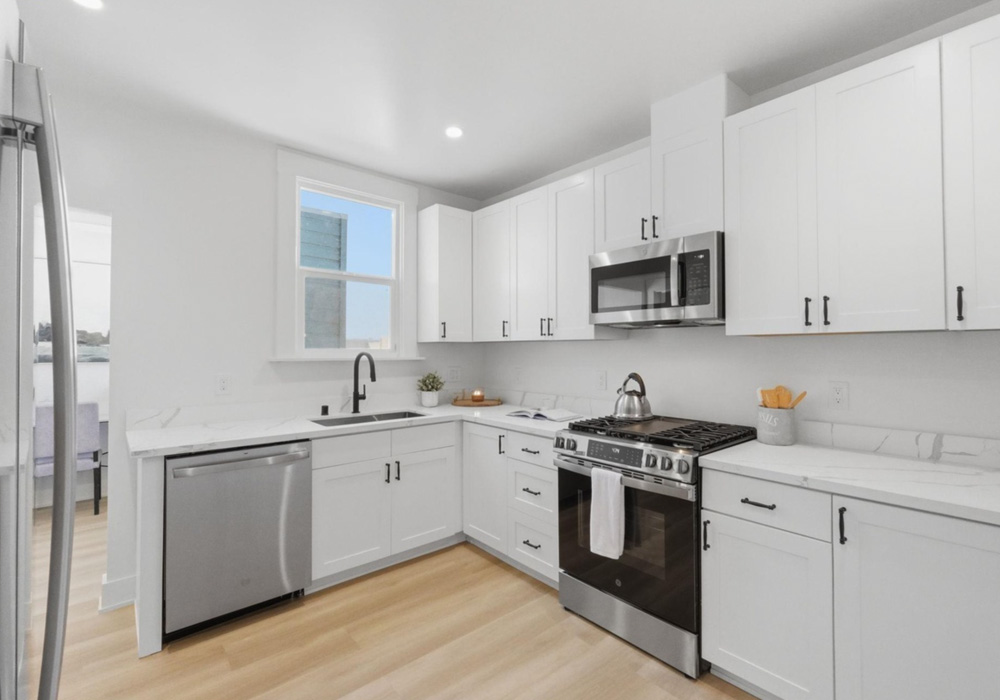
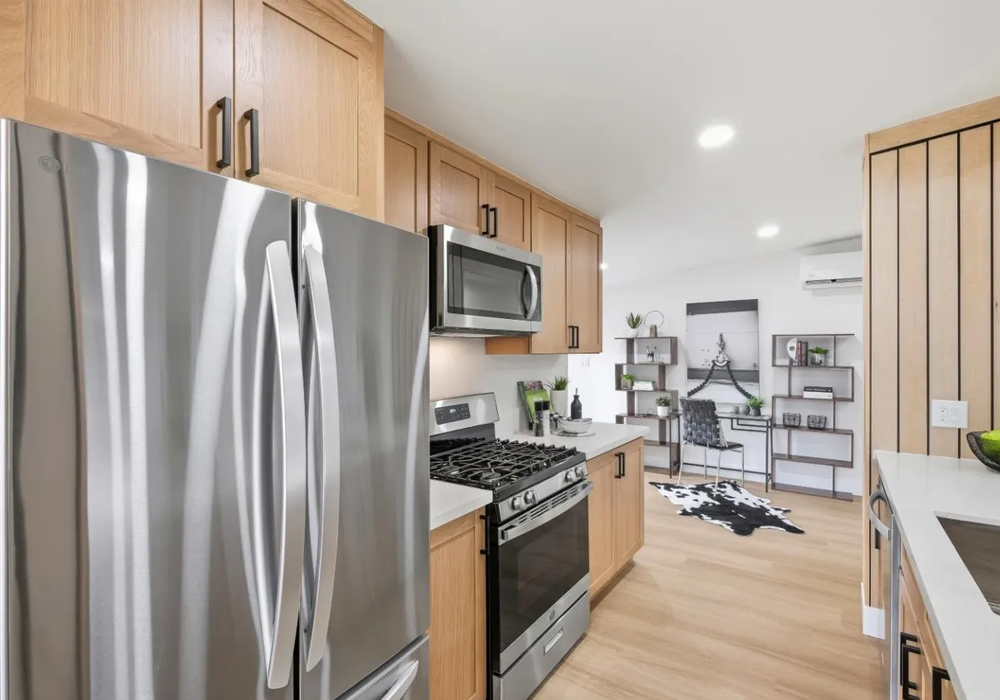
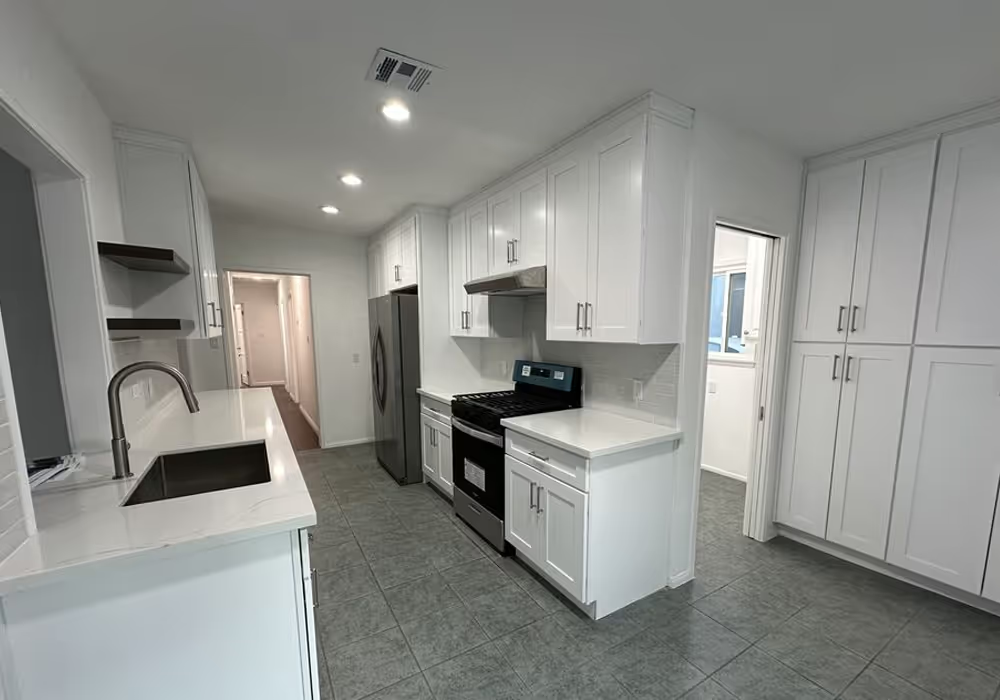
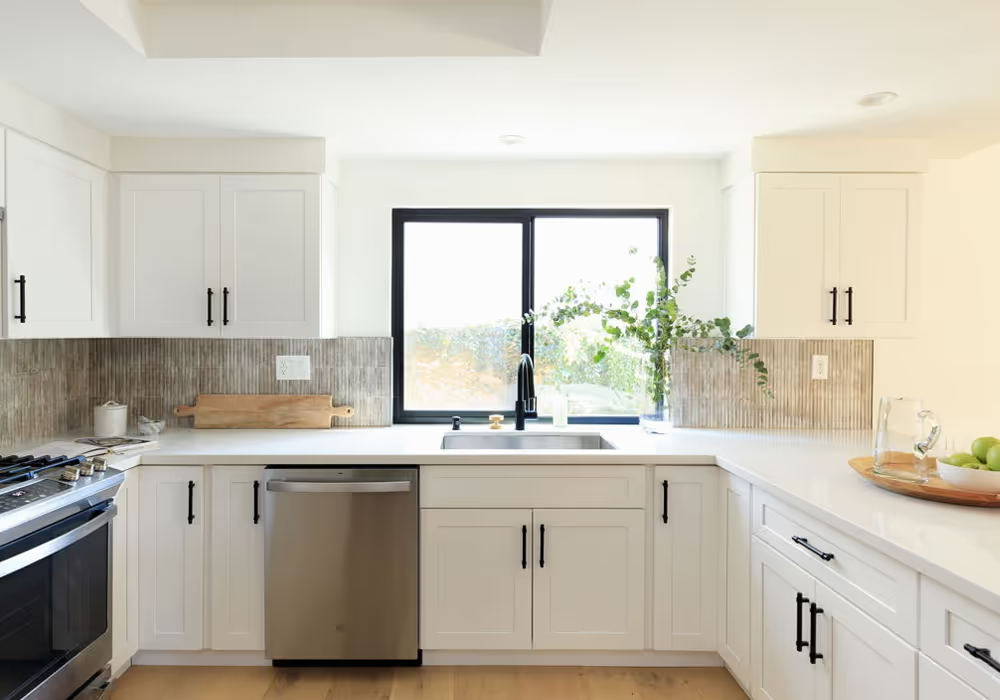
- In-kind kitchen remodel without floorplan or wall changes
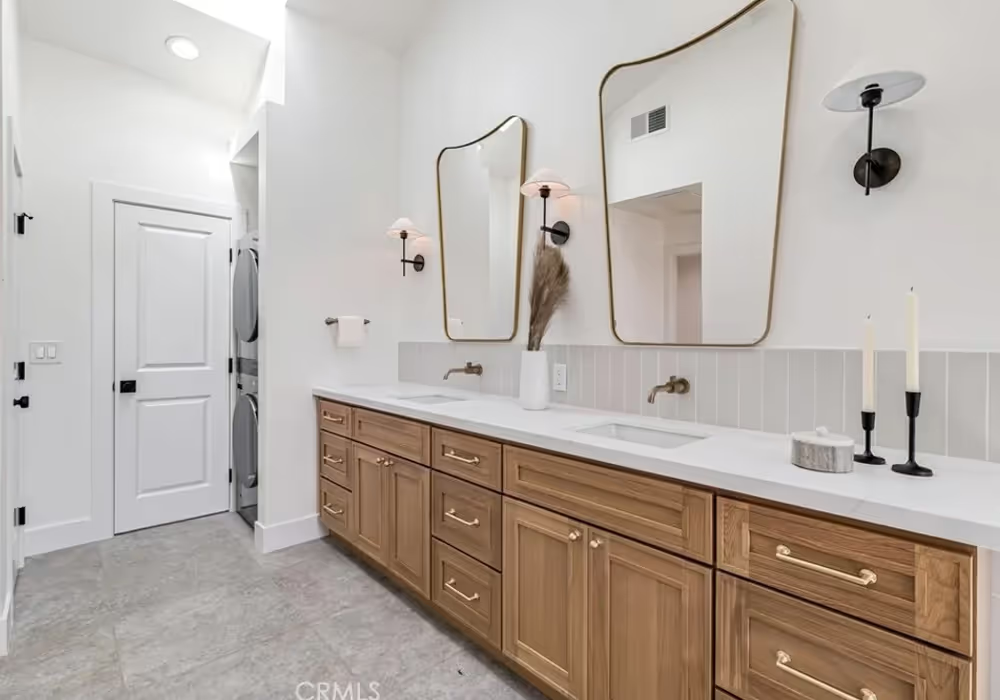
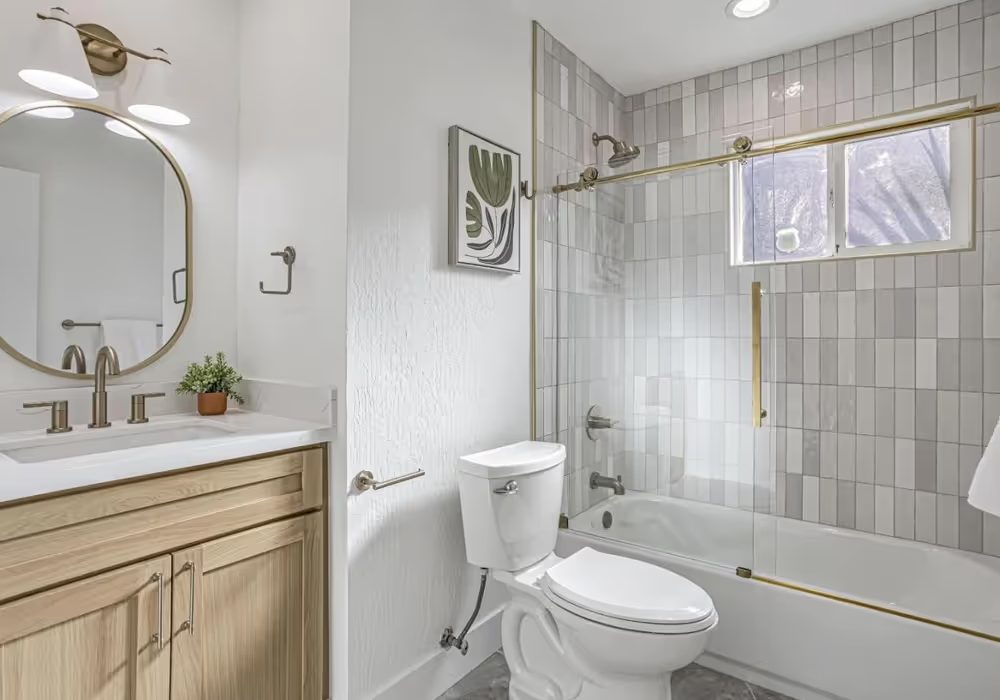
- In-kind bathroom remodel without floorplan or wall changes
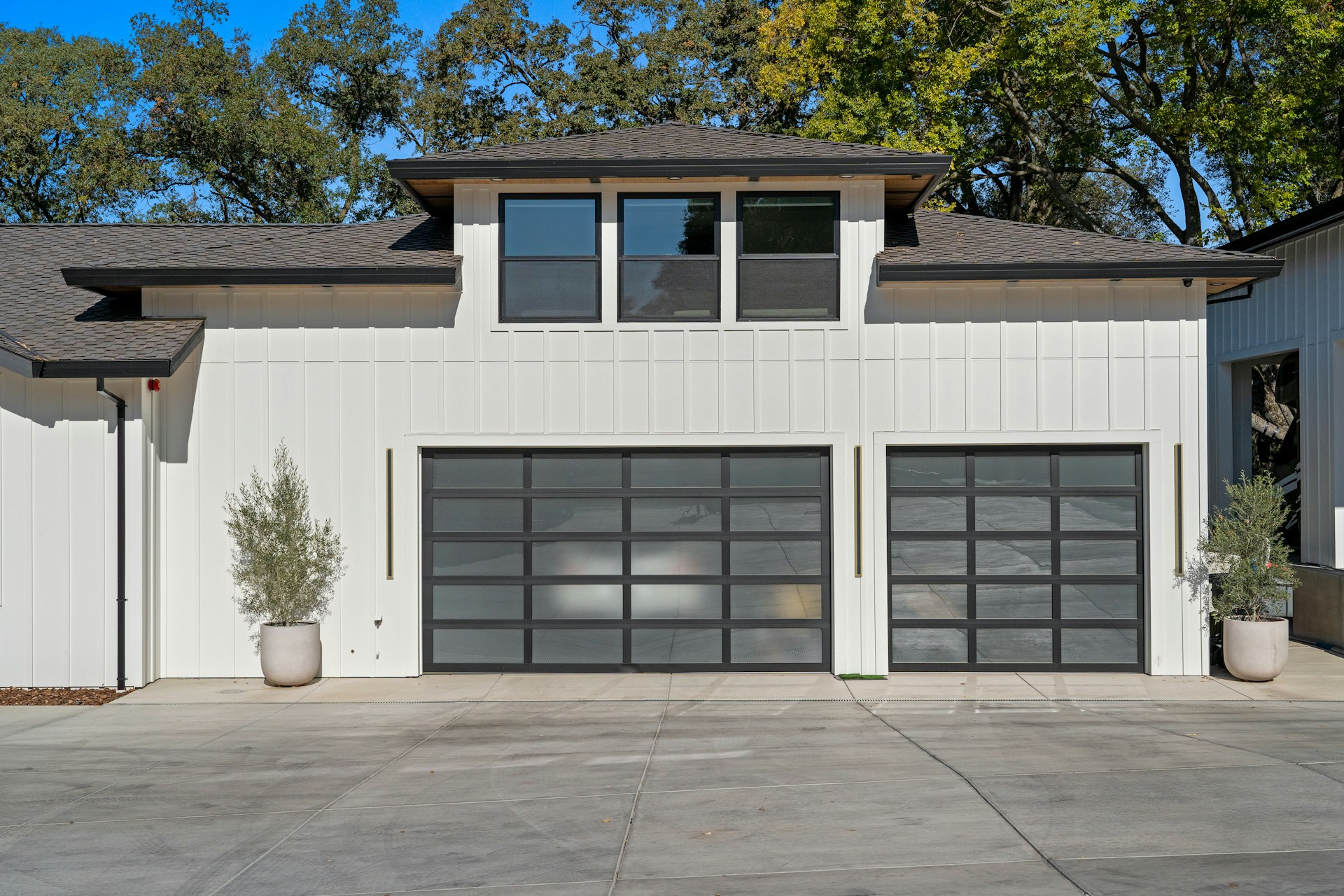
- In-kind replacement of garage doors
- Exploratory work
- Replacement of some wall finishes
Projects That Require Full Plan Review
Most home renovations require permits with full in-house plan reviews by the city. This includes renovations involving structural, electrical, plumbing, foundational, and seismic work. Additions and ADUs can require multiple permits.
When Planning Department Review Is Also Required
For some smaller projects, OTC permits with reviews built in may be needed. OTC permits with plan reviews in San Francisco can be obtained for things like:
- Roofing replacement
- Kitchen remodels
- Bathroom remodel
- Repairing decks and/or stairs (more than 50%)
- New windows and/or exterior doors in new locations
- New skylights
- Decks less than 20 feet above grade
- Accessibility upgrades
- Voluntary structural strengthening
- Exterior façade work
- New mechanical equipment
- New washer, dryer, and laundry sink hookup
- In-kind replacement of garage slab
How the SF Permit Application Process Works
Permits are part of the scope of work for a renovation contractor. That means you won't physically have to obtain permits if you're hiring someone to complete your renovation. However, your input may be needed when creating plans to present to DBI.
Step 1: Determine Your Zoning and Property Overlay Status
The first thing your contractor will do is determine your zoning status and identify any special restrictions or considerations. Certain zoning overlays can be subject to historic or environmental requirements in San Francisco.
Step 2: Prepare Plans and Submit Through the DBI Permit Tracking System
Next, your contractor will create plans that can be submitted to DBI in the appropriate format. You'll be able to track progress online. If you're using Revive to plan your renovation, all of your contractor's project updates for things like permits and work completion will be served to you via a convenient app. That means you don't have to spend time monitoring progress.
Step 3: Plan Check Review
Plan reviews can take several months based on scope. Smaller projects often take one to three months for approval. The full permitting process for a major renovation can take six to 12 months.
Did you know that Revive can help you start on projects like kitchen renovations, bathroom renovations, home additions, and more right away? Check out our case studies to see what's possible when you connect with hassle-free financing and vetted contractors.
Step 4: Permit Issuance, Inspections, and Final Sign-Off
Work on parts of your project that require permits can begin once DBI approves. Most permits require single or incremental inspections. For example, your contractor will schedule rough-in plumbing or electrical inspections with city inspectors as needed. There's also generally a final inspection before the project is completed.
Common Permit Challenges in San Francisco
The permitting process varies by project based on scope and the location of your home. Here are the speedbumps to anticipate as you focus on the timeline.
Seismic and Structural Requirements That Trigger Additional Review
One reason why permits and inspections take so much longer in San Francisco compared to most other cities is that projects need to be structurally sound. Major foundational and electrical work often trigger seismic reviews. While stringent, these requirements ensure safety and stability.
Neighborhood Notification and the 311 Process for Exterior Changes
San Francisco residents have a love-hate relationship with something known as Section 311 of the city's planning code. Triggered by applications for exterior changes, 311 notifies neighbors of your permit request to provide an opportunity for them to request changes.
Responding to DBI Correction Notices Without Losing Months of Time
An important task for your contractor is complying with DBI requests promptly to avoid bottlenecks in the permitting process. It's common for DBI to request clarifications, small changes, or additional information. Not understanding the process or ignoring a request can cause you to lose months of work time to delays.
Failing to respond to a DBI request on time can result in a formal Notice of Violation (NOV). Most requests have turnaround times of five to 30 days before you're asked to stop work.
What "Over the Counter" Really Means
OTC permits allow you to walk into a permit center to get a permit the same day. However, it could actually take a few days for approval for midsized projects.
OTC permits are available for many smaller-scale residential projects. This generally means any project that can be realistically reviewed by a DBI official in under an hour. Any plans that alter structure or blueprint are escalated to in-house reviews that can take days or weeks.
Costs and Timelines to Plan For
Experienced San Francisco home renovators build permitting into the timeline and budget for projects. Here's a look at what you can expect.
DBI Permit Fee Ranges by Project Type
Permits can cost 3% to 10% of a project's total value in San Francisco. Structural projects represent the higher end. Fees for plan reviews start at $600 per hour for many projects. A clearly written plan review from an experienced contractor can help to reduce the time needed for approval.
Realistic Timelines: Simple Projects vs. Complex Remodels
Expect permitting to take three weeks to three months for simple renovations. For full remodels or additions that trigger structural and seismic permits, completing all planning, permitting, and inspection requirements can take up to 12 months.
What Happens If You Start Work Without a Permit
You could be forced to dismantle all the work that's been done in a worst-case scenario if it's considered illegal work or work that's outside of code. In other cases, you may have to pay to retroactively obtain permits and bring work up to code. In addition, the city could impose fees for each day unpermitted work remains.
Working With a Contractor Who Knows the SF Permit Process
Disreputable contractors could try to skip permits. It's a red flag if a contractor can promise suspiciously cheap or fast work.
Why This Is One of the Most Important Qualities to Screen For
A common reason why a contractor in San Francisco would skip permits is that they aren't actually licensed. That's because only contractors with valid licenses and insurance can apply for most DBI permits. Additionally, inexperienced contractors may not be knowledgeable about how to apply for or track permits.
How Experienced Contractors Handle Corrections and Resubmittals
Experienced contractors use electronic plan review software to track and correct plan revisions. SF DBI actually uses a system called Bluebeam that's accessible to contractors to communicate directly with permit and plan checkers. Based on the scope of the revision request, contractors often need to apply for new permits.
How Revive Works With the SF Permitting System
Homeowners who renovate with Revive's approved and vetted contractors don't have to stress over permits. That's because we only work with verified licensed contractors in San Francisco. That means you're matched with a renovation professional with experience with the specific permits and compliance needed for your project type.
Get Help Planning Your SF Renovation
The good news is that you don't need to become a building and permit expert overnight just because you want to renovate your San Francisco home. SF building codes and plan reviews can feel like they're part of a secret language. That's why getting help from experienced local contractors who work with building and zoning officials on a daily basis helps.
Revive is here to connect you to choose the right renovation project for your goals of selling or staying, connect with the right contractors in San Francisco, and combine financing and project planning in one easy system.
Free Estimate and Permit Consultation From Revive
Don't get stuck on the first step of planning a San Francisco home renovation. Revive wants to hear what your goals are for improving your home's beauty and value. It starts with a free estimate and permit consultation. There's no better way to get an accurate assessment of scope and price. Talk to a Revive representative today!
How much is your home's worth?
Get your personalized estimate today.





















Entrepreneur, technologist, and passionate business leader sum up the core of Dalip Jaggi, co-founder of Revive Real Estate, a PropTech company with a goal to democratize house flipping. Since its 2020-inception, Revive has since become the smartest solution for homeowners to maximize their home’s sales value across the nation.