Most kitchens in Los Angeles weren’t built for the demands of modern life. Unfortunately, that renders one of your home’s most heavily used spaces inefficient. Today’s kitchens have to do more: run more appliances, support more time spent at home, and handle higher energy and water usage. The result is a kitchen that technically works, but doesn’t really work “with” you.
The impact of that inefficiency can become glaringly obvious in higher utility bills. It also means missed chances to improve your home’s overall performance, for your own life, and that of future homeowners if you choose to sell. In Los Angeles, these issues are amplified. Costs are higher, regulations are strict, and buyers care more than ever about how a home functions, not just how it looks.
Energy-efficient upgrades up the ante, going beyond appearance and offering real performance. But where do you even start? It’s not about replacing everything; it’s about making the right upgrades that have the biggest impact.
At Revive, we take you step by step through the process, helping you determine which improvements offer the best return on investment and building a plan that transforms your kitchen into a true asset in your home.
Why Invest in Energy-Efficient Kitchen Upgrades in Los Angeles
Lower Energy and Water Bills
Kitchens use more energy and water than almost any other room in the house. Refrigerators run all day, dishwashers and sinks see constant use, and lighting and cooking appliances add to the daily load. Even these small inefficiencies can snowball into noticeably higher bills.
Energy-efficient systems address these issues at the source. Today’s appliances use a fraction of the electricity and water their predecessors did. Switching to LED lighting cuts energy use and brightens your space, while water-saving fixtures help you use less water without sacrificing performance. If you’re thinking about renovating, these are often the first upgrades that pay you back.
Environmental and Health Benefits
Efficiency also improves how your home feels and functions. Traditional gas appliances can impact indoor air quality, especially if your older kitchen has limited ventilation. Instead, we typically suggest swapping to induction cooking to eliminate combustion and improve ventilation. Your kitchen may also have been built with materials that introduce pollutants, adversely affecting daily living conditions. Instead, we often renovate with low-VOC materials to reduce exposure to harmful chemicals.
The result is a kitchen that is more sustainable, healthier, and more comfortable to use. If you’re looking forward to the day when energy-efficient changes mean loving your kitchen, learn about our Renovate to Stay program, the easiest way to transform your living space and then stay put to enjoy it. Hear from our founder about how Renovate to Stay can work for you.
Long-Term Value and Market Appeal
In Los Angeles, more and more buyers are seeking efficiency, especially amid fluctuating energy costs and regulations. When you walk into a home and see a modern, energy-efficient kitchen, it’s a clear sign the owners have invested in long-term value and smart upgrades.
This is an area where many homeowners don’t realize just how much of a difference efficiency upgrades can make. And that’s exactly what Revive’s Renovate to Sell program is all about. We pinpoint the upgrades that will really move the needle on your home’s value, cover the upfront costs, and manage the whole process to help you get the best possible return. Curious about how it all comes together? Here’s what happens in a typical Revive renovation project, step by step.
High-Impact Energy-Efficient Kitchen Upgrades
Energy-Efficient Appliances
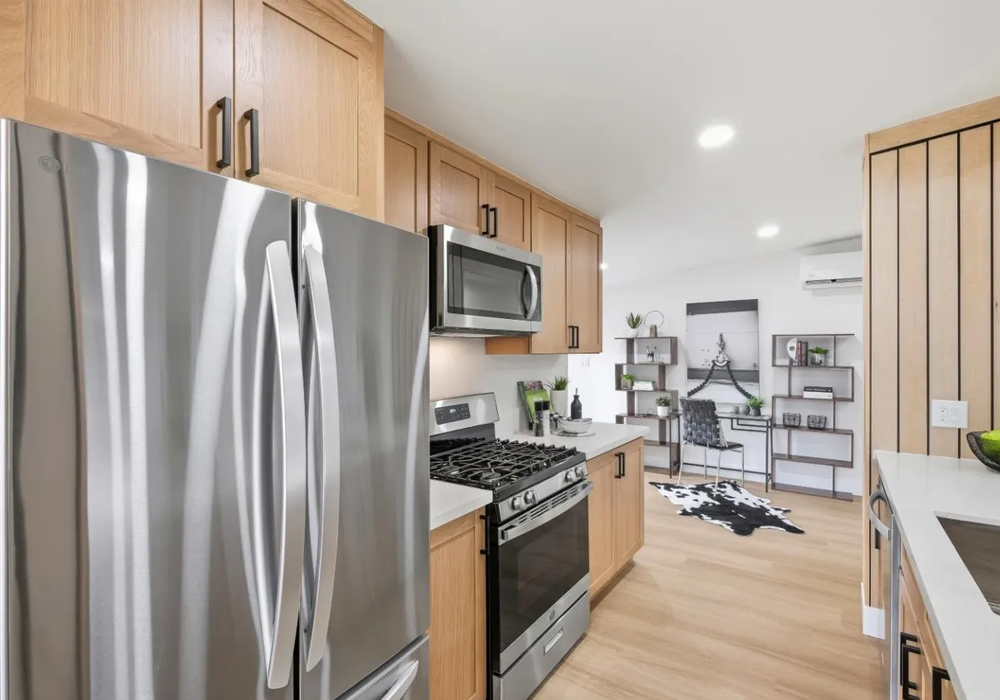
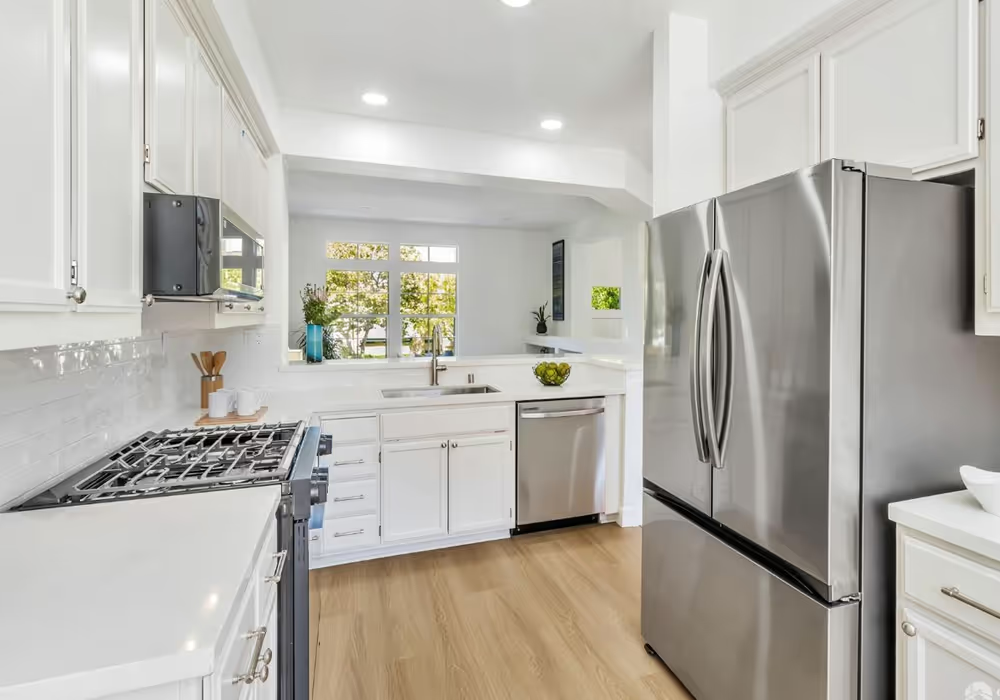
Appliances are the single largest driver of energy use in the kitchen, making them among the highest-impact upgrades. Modern ENERGY STAR-rated refrigerators, dishwashers, and ovens are designed to reduce both electricity and water consumption without compromising performance. Induction ovens are part of the shift toward all-electric homes, heating faster, using less energy, and improving indoor air quality by removing gas combustion.
Smart Kitchen Technology
Smart technology can improve efficiency, but only when it is used intentionally. Connected appliances let you monitor energy usage and automate schedules based on your daily patterns. Running appliances during off-peak hours, adjusting settings based on usage patterns, and tracking consumption can all reduce waste.
It’s important to note that not all smart features deliver meaningful value. We can help you distinguish between “smart” and “efficient” as you prioritize your budget and select upgrades.
Energy-Efficient Lighting
Lighting is another area that’s a relatively low-lift with a dramatic impact. Replacing outdated fixtures with LED lighting reduces energy use immediately and improves the space's usability. We often suggest a layered lighting approach in kitchens, including ambient lighting for overall visibility, task lighting under cabinets, and accent lighting to enhance design and depth. Adding dimmers and motion sensors further reduces unnecessary usage.
Water-Saving Kitchen Upgrades
Low-Flow and High-Efficiency Faucets
Water efficiency begins at the sink with your daily habits. Modern faucets with aerators reduce water flow without reducing pressure, allowing you to maintain functionality while lowering water usage. Touchless faucets can further reduce waste by preventing unnecessary running water, particularly in high-use households.
Water-Efficient Dishwashers
Many homeowners still assume hand-washing their dishes is more efficient, but in reality, modern dishwashers use less water per cycle and deliver better results. Dishwashers regulate water use precisely, while hand-washing often leads to continuous flow. When used correctly, especially with full loads and eco settings, dishwashers are one of your kitchen’s most efficient tools.
Instant Hot Water and Recirculation Systems
In many Los Angeles homes, especially larger or older properties, it can take time for hot water to reach the kitchen, resulting in unnecessary waste. Recirculation systems and instant hot water solutions reduce this inefficiency. While they introduce a small energy cost, the reduction in water waste and improved convenience often make them a practical upgrade.
Building Envelope Improvements that Boost Kitchen Efficiency
Energy efficiency does not stop at appliances. The performance of your kitchen is directly influenced by how well your home retains and regulates energy. This means doors, insulation, and ventilation, which you may not think of immediately but can have an outsized impact.
- Energy-Efficient Windows and Doors
Los Angeles kitchens are exposed to significant sunlight, increasing indoor temperatures and cooling demand. Upgrading to double-pane or low-E windows reduces heat gain, improves insulation, creates a more stable indoor environment, and reduces the load on your HVAC system.
- Insulation and Air Sealing
Many older homes were not built to modern insulation standards, so improving insulation in walls and ceilings, along with sealing gaps around windows and doors, helps prevent energy loss and improve overall efficiency.
- Ventilation and Indoor Air Quality
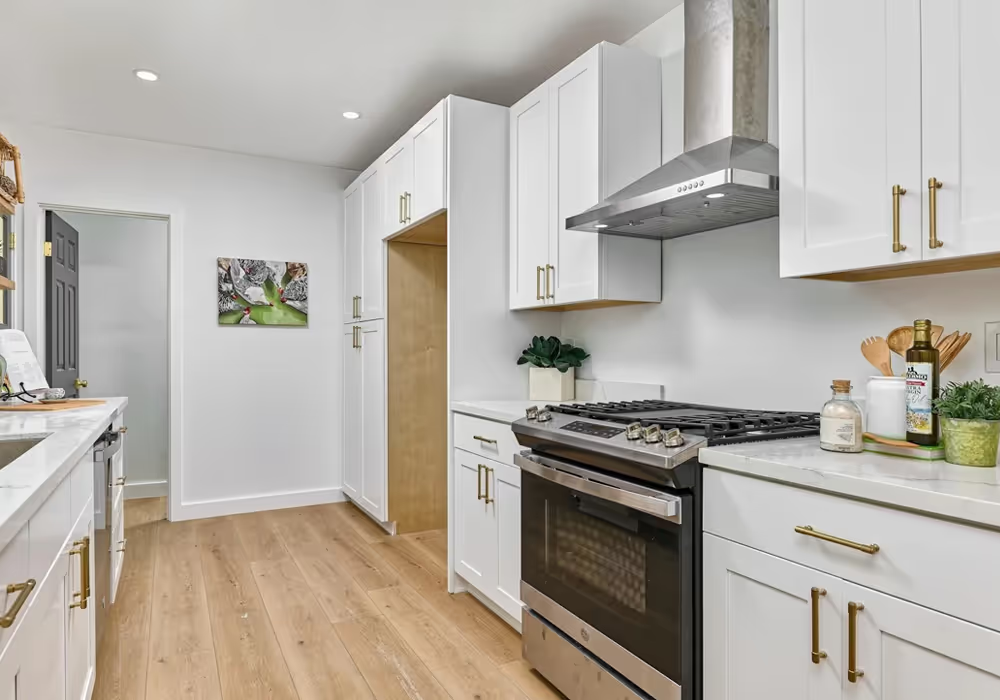
A well-functioning kitchen uses a range hood to remove heat, moisture, and airborne particles generated during cooking.
Sustainable and Energy-Conscious Materials
- Eco-Friendly Cabinetry
Cabinetry is one of the largest material components in a kitchen renovation. Choosing low-VOC finishes, sustainably sourced wood, or reclaimed materials reduces environmental impact while improving indoor air quality.
- Countertops and Surfaces
Recycled materials and low-impact manufacturing processes are increasingly available, but durability remains critical. A longer-lasting surface reduces replacement frequency, which lowers overall environmental impact.
- Flooring Choices
Flooring influences both comfort and longevity. Materials that retain or reflect heat can support temperature regulation, while durable options reduce long-term waste and maintenance costs.
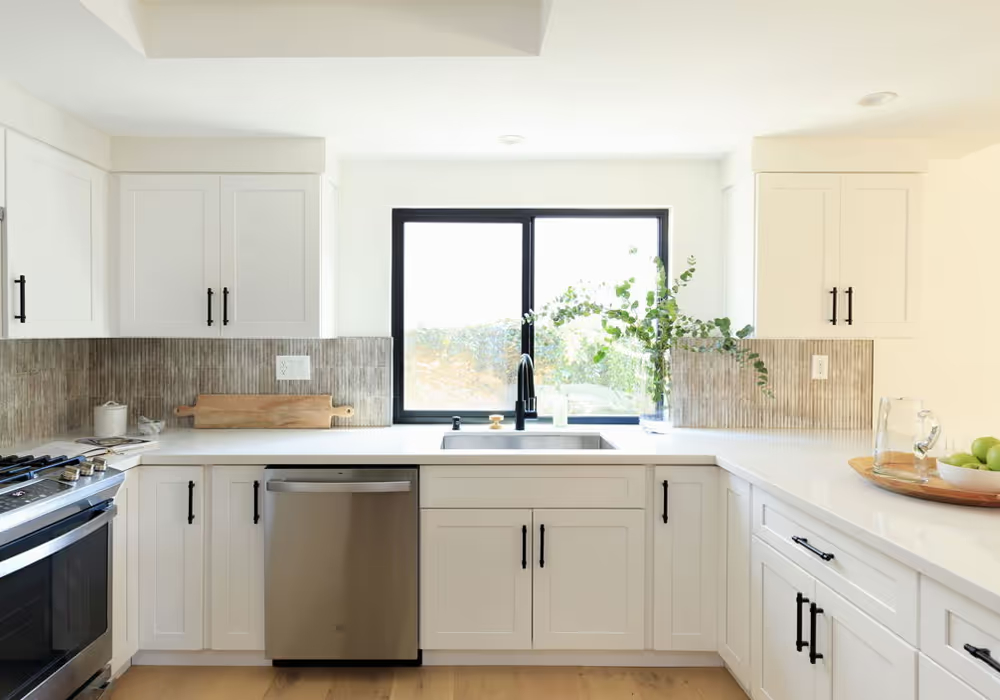
Looking for inspiration for your kitchen renovation? Take a look at our project gallery and case studies.
Design Strategies That Reduce Energy Use
Maximizing Natural Light
Los Angeles isn’t lacking in one of the most valuable resources for energy efficiency: sunlight. Strategic window placement, skylights, and reflective surfaces can reduce the need for artificial lighting throughout the day. Designing with natural light in mind improves both efficiency and the overall feel of the space.
Efficient Kitchen Layouts
Layout is often overlooked in discussions about efficiency, but it plays a central role. A well-designed kitchen reduces unnecessary movement, improves workflow, and minimizes energy use. Appliance placement, spacing, and orientation all contribute to how efficiently the space operates. Remember, too, that better storage also leads to better efficiency. Custom cabinetry and vertical storage reduce clutter, improve accessibility, and eliminate the need for unnecessary appliances or additional lighting.
Energy-Efficient Kitchens for ADUs and Small LA Homes
So, what’s an efficiency kitchen? These spaces are commonly used in ADUs and smaller homes across Los Angeles and are designed to deliver full functionality within a compact footprint while meeting strict energy and building requirements.
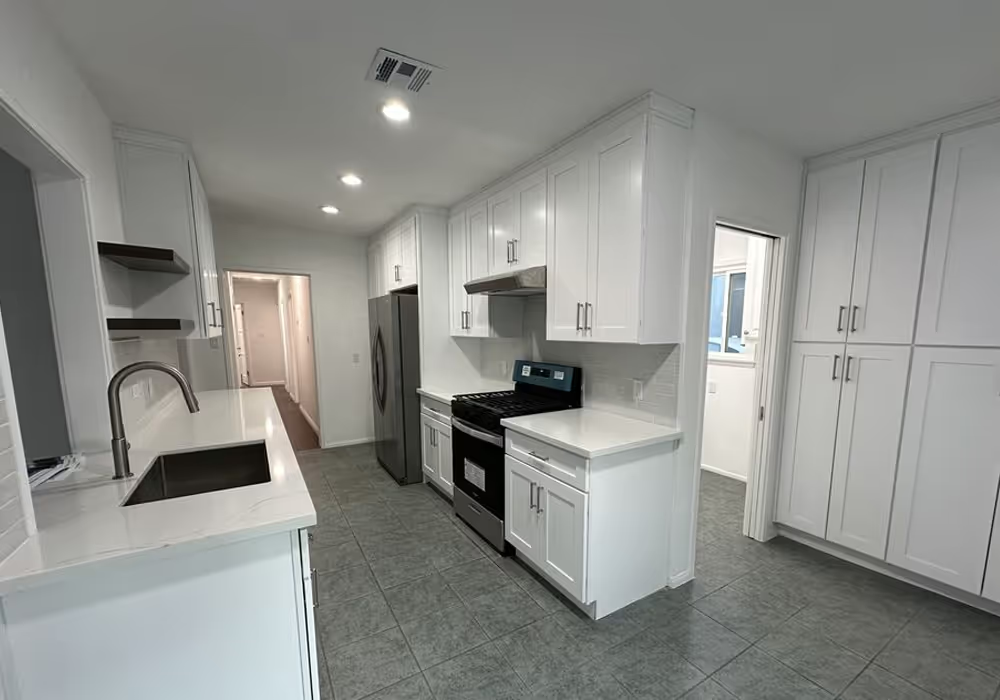
These smaller kitchens often include appliances designed for efficiency and scale, including mini refrigerators, induction cooktops, and combination appliances, which allow homeowners to reduce energy use without sacrificing functionality. Space-saving layouts, too, such as a single-wall or galley kitchen, maximize usability while minimizing wasted space.
LA Code and Energy Requirements
Los Angeles continues to push toward all-electric construction, particularly for ADUs. Understanding these requirements early ensures compliance and helps homeowners avoid costly redesigns later.
Incentives, Rebates, and Local Considerations
LA and California Energy Incentives
Los Angeles homeowners have access to a range of rebate programs for energy-efficient appliances, electrification, and water-saving upgrades. These incentives can significantly reduce upfront costs and improve the overall return on investment. Need help wading through the fine print? We can help.
Title 24 and Local Energy Codes
Title 24 sets strict energy-efficiency standards for California homes, which impact decisions around lighting, appliances, insulation, and overall design. Planning with these requirements in mind from the start simplifies the renovation process and ensures compliance.
Wondering where your home falls in all of this and what upgrades might work best? Enter your address here and discuss your home with us.
Budget, ROI, and Upgrade Prioritization
Energy-efficient upgrades require investment, but the value is realized over time. The key is understanding which improvements align with your goals, whether that is reducing monthly costs, improving livability, or increasing resale value.
Which Energy Upgrades Pay for Themselves Fastest
Not all upgrades deliver the same financial return. Appliances and lighting typically offer the fastest payback, as they result in immediate reductions in utility costs. Water-saving fixtures also provide consistent savings. Larger improvements, such as windows and insulation, contribute more to long-term performance and resale value.
Energy Efficiency as a Resale Strategy
In competitive markets like Los Angeles, buyers are increasingly looking beyond aesthetics and evaluating how a home performs. It’s about building a kitchen that works better, costs less to operate, and creates more value over time.
For the LA homeowner, this is where strategic renovation planning matters most. In an area where regulations, costs, and buyer expectations continue to evolve, forethought is essential. The Revive team helps homeowners prioritize upgrades using real market data, ensuring every improvement contributes to a stronger financial outcome.
Don’t just take it from us, however. We’d love to introduce you to past customers who have trusted us to guide them through the renovation process. Take a look here.
How much is your home's worth?
Get your personalized estimate today.

















Amanda Steele, a Sales Expert at Revive, previously a Realtor with Berkshire Hathaway, excels in real estate knowledge and customer service. Her skills significantly enhance Revive's client experiences.