Many people imagine a perfect coastal home as one that offers strong lifestyle appeal. However, while there are clear upsides, a coastal home comes with responsibilities like any other property. With regular maintenance issues, in addition to salt in the air, sun exposure, more moisture, and greater winds, the stakes are higher. All of this comes in addition to the typically higher cost of coastal homes.
Stresses on your materials lead to high-stakes choices, as material choices carry more weight near the coast. In this guide, we cover:
- The unique risks of living close to the ocean
- Your material choices
- Balancing durability and aesthetics
- Design choices that complement your environment
Why Coastal Orange County Homes Require Different Materials
First, we need to get past the risks that California’s coastal environments bring.
Salt Air & Corrosion Risks
When you live in Orange County, your air contains salt particles. Waves crash and create mist along the coast, the mist evaporates, and salt particles stay in the salt-laden air. A lot of that airborne salt is carried inland by the wind. You won’t see it, but it will settle on:
- Roofs
- Windows
- Metal fixtures
- Paint
- HVAC
Depending on the materials it lands on, salt can do nothing or cause a range of effects. Salt accelerates rust, corrosion, and material breakdown. The most noticeable and frustrating effects are on:
- Fasteners
- Metal fixtures
- HVAC components
Salt-laden air can also damage protective coatings by pulling moisture from the air. It weakens paint and finishes, causing peeling and cracking. It also reduces the lifespan of sealants. Salt is hygroscopic, meaning it attracts and holds water. So, the weather may feel dry but surfaces will still stay damp, wood is more prone to rot, and materials expand and contract more often.
Because salt air affects entire systems, not just isolated surfaces, material choices need to be made with long-term performance in mind.
Unsure about how to remodel in a way that makes your home liveable in the long-term? Reach out to our experts who know how to walk you through a remodel for long-term livability.
Sun, Wind & Moisture Exposure
Orange County gets extreme sun exposure, particularly in summer when the maximum UV can reach 11 at noon.Even on cloudy days, UV levels remain moderate (3–7)..
In Orange County, year-round sun combined with salty coastal winds can wear down even well-built homes. It takes a combination of material choices and maintenance to improve a home’s longevity.
UV degrades finishes and sealants, while wind-driven moisture intrusion further strains materials. In some cases, fast temperature swings aggravate expansion/contraction.
Best Flooring Materials for Coastal Homes
Below, we cover the flooring materials that offset some of the downsides of coastal living.
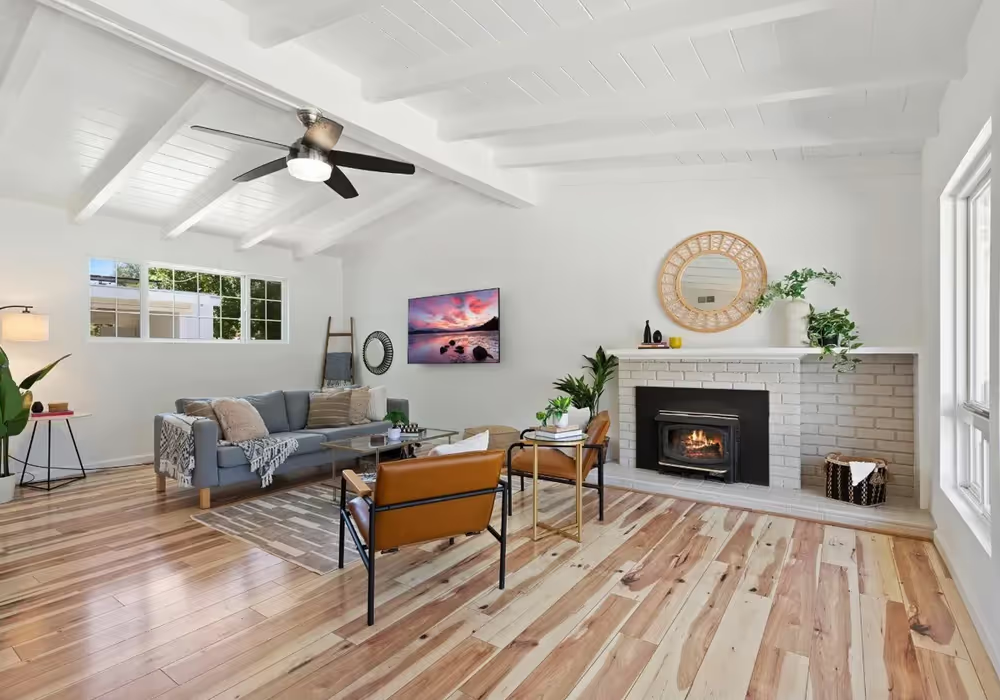
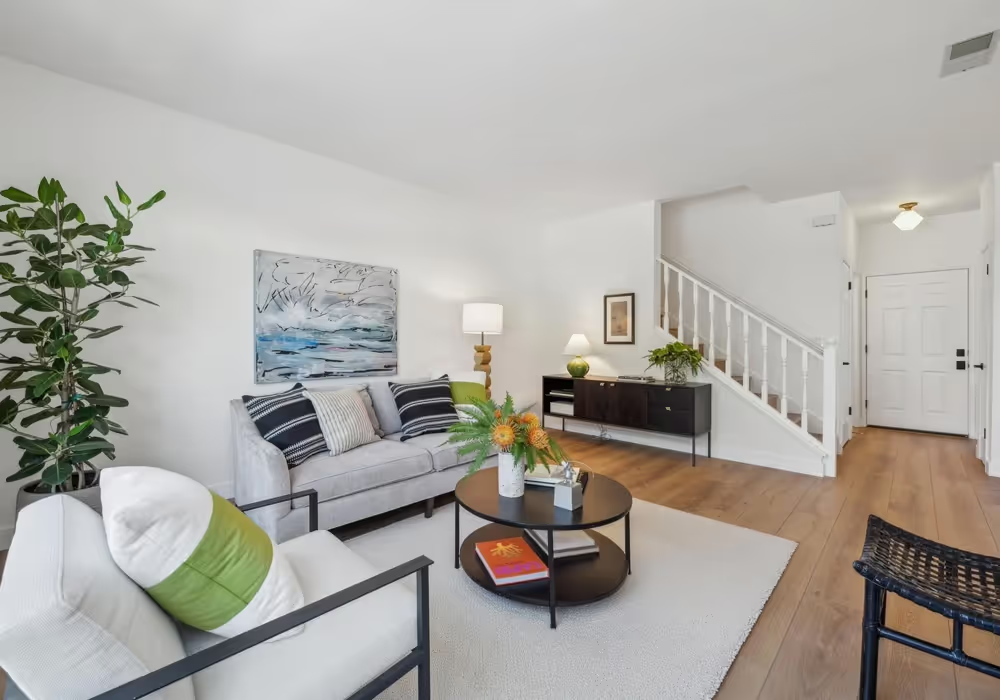
Engineered Hardwood (Veneer)
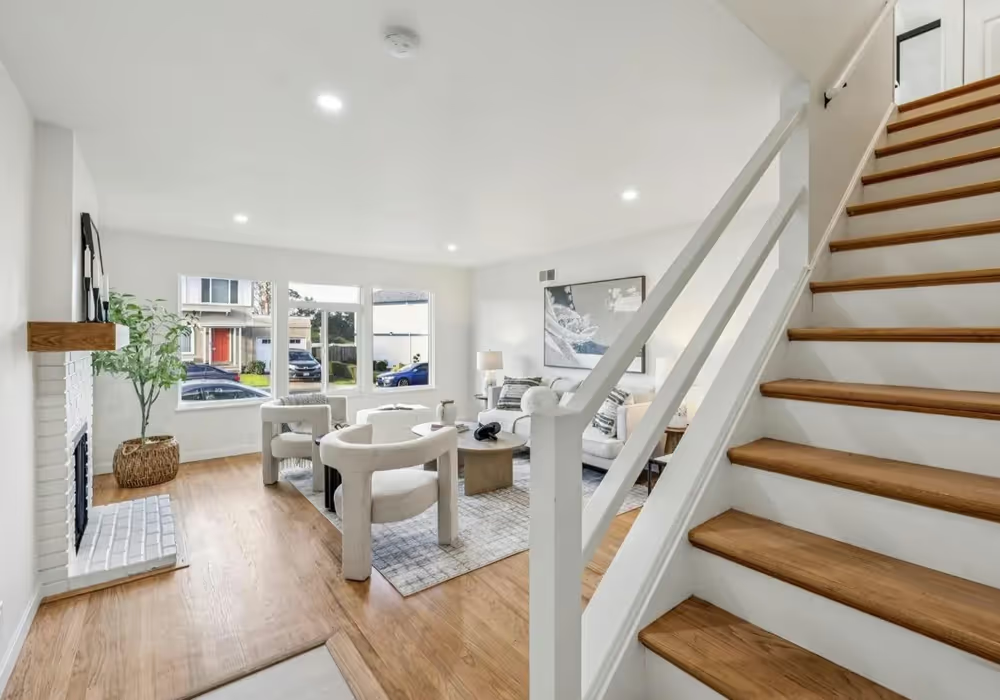
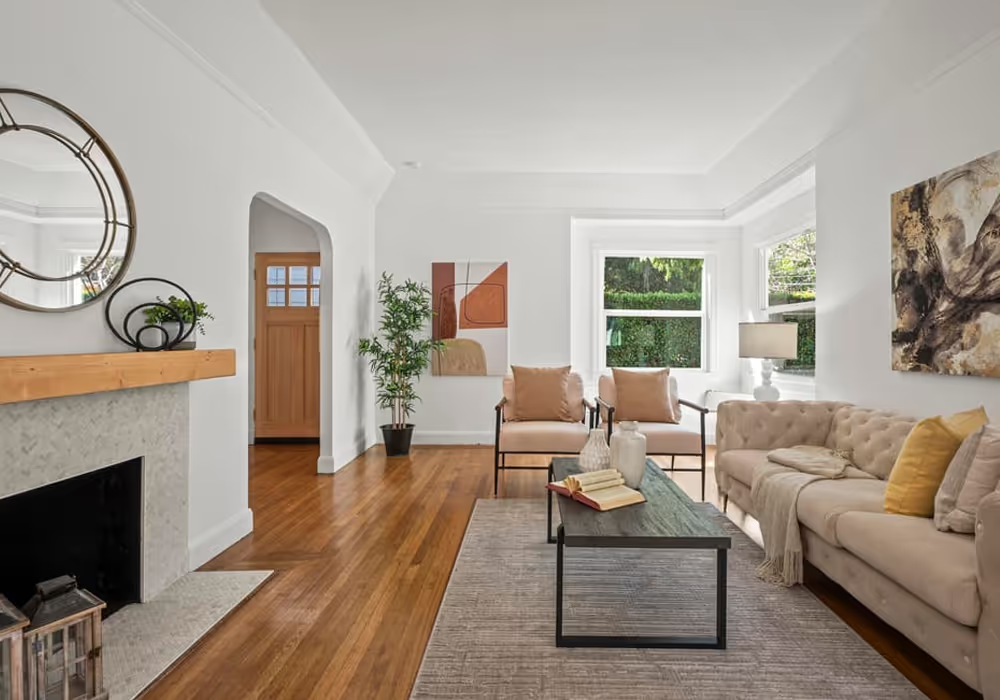
Engineered hardwood offers the warm appearance of solid hardwood, but removes some of the weaknesses. Veneer resists moisture in high-humidity environments. Unlike solid hardwood, engineered hardwood is built in layers and does not repeatedly expand and contract. Veneer remains stable in the face of moisture and temperature fluctuations.
In Orange County, stability in the face of fluctuations matters. Engineered hardwood reduces the most significant risks in the fluctuating environment, especially in homes with unstable conditions:
- Homes with strong ocean airflow
- Spaces with large windows and sun exposure
- Areas where indoor humidity fluctuates
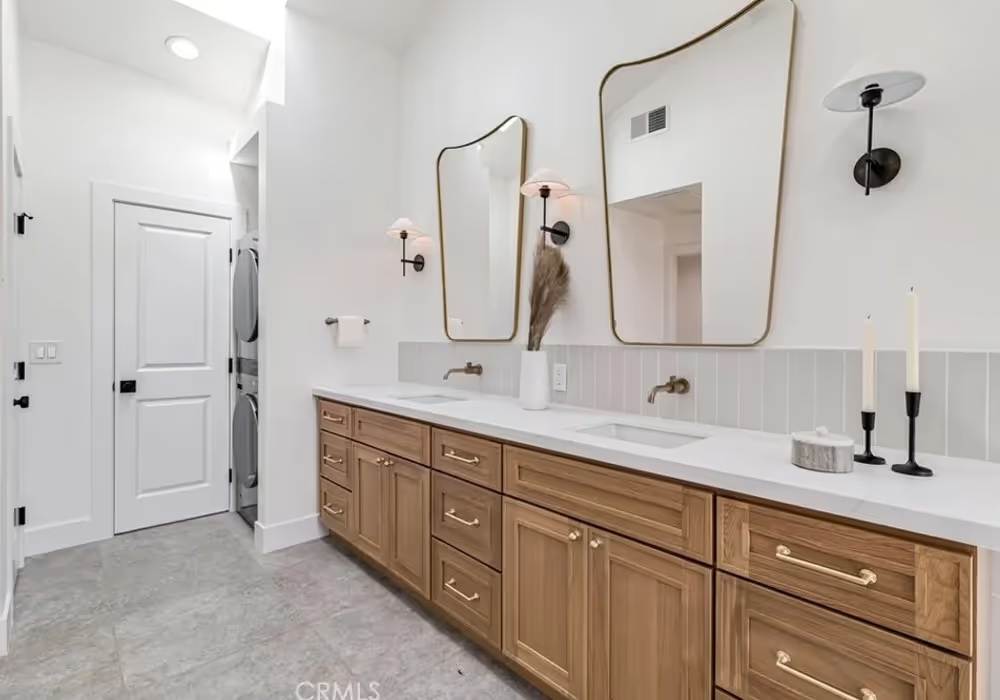
Tile Flooring
Around the world, tile is preferred in coastal and humid inland regions. Tile is also one of the best flooring options in Orange County due to its natural resistance to moisture and salt. That’s because tile does not absorb water or expand with humidity.
Porcelain is a denser material and is normally more durable than ceramic tile. However, ceramic tile normally performs more than adequately indoors when there is less traffic and where exposure is more controlled.
Tile is commonly used in kitchen and bathroom remodels, though more durable tile materials are great for entryways and high-traffic zones.
Concrete Flooring
Concrete flooring offers several outstanding benefits in Orange County. Concrete fits the modern coastal aesthetic, while also offering a long lifespan and low maintenance.
Concrete thrives in coastal regions because it is not affected by moisture or salt. While surface moisture and debris can contribute to mold growth, concrete itself does not warp, rot, or expand with humidity.
Given its robustness combined with its logistical limitations, concrete is best used in ground-level spaces. Concrete is a good fit in OC modern or minimalist interiors, especially if your goal for your home is long-term durability.
Reclaimed or Treated Hardwood
Reclaimed or treated wood can be a gamble, but it can pay off with strong durability, aesthetic appeal, and ROI. However, either reclaimed or treated wood requires careful planning, skilled work, and proper sealing is critical.
While these special woods offer a great aesthetic, they are still vulnerable to moisture and salt. If they aren’t properly sealed, they will have a shorter lifespan. Without adequate protection, they may warp, crack, or deteriorate.
In general, reclaimed or treated hardwood works best in interior spaces with less moisture, or those with more controlled humidity (such as direct AC).
Exterior Paints & Finishes That Last Near the Coast
Salt-laden air and shifts in the wind hit building exteriors hard. Mechanical components are often affected most, but paints and finishes can also crack and degrade quickly.
Below, we cover the most robust paints and finishes for Orange County.
Acrylic vs. Oil-Based Paints
Acrylic paints expand and contract alongside shifts in temperature and humidity. Their adaptability is what makes them robust, as they don’t crack or peel as easily under pressure from salt, wind, and UV.
Oil-based paints are durable under specific conditions, but they tend to become brittle over time. In coastal areas of Orange County, that often means oil-based paints just fail faster.
In most Orange County coastal areas, acrylics outperform oil-based paints.
Surface Prep for Coastal Conditions
You have many choices when it comes to paint brands. But in coastal environments, surface preparation matters more than the specific choice in paint.
Salt, dirt, and moisture accumulate on your exterior over time. Surfaces that are not properly prepared are the ones that break down fastest.
You can prepare for coastal conditions with a few steps:
- Thorough cleaning to remove salt and debris
- Priming to create a stable base
- Sealing vulnerable surfaces
Remember, skipping or rushing surface preparations will end up costing far more time and money in the long run. This step ultimately preserves your home’s long-term value
Protective Coatings & Sealants
Protective coatings and sealants block moisture and reduce salt penetration. Protective coatings are your surfaces’ first line of defense, and sealants protect vulnerable gaps.
These protective additions are especially important for wood surfaces, as they are more vulnerable to coastal conditions.
For protection, it’s best to be sure to include:
- Water-resistant stains for wood siding and decks
- Sealants around joints, trim, windows, and door openings
- High-performance coatings for siding, stucco, and other exposed surfaces
- Corrosion-resistant coatings for metal fixtures and hardware
- Regular inspection and reapplication as coatings wear over time
Roofing Materials That Perform in Coastal Orange County
Roofs normally take the most punishment from harsh coastal weather conditions. Below, we cover a few great options for durable and well-protected roofs.
Metal Roofing
Metal roofing offers good protection in coastal Orange County, as long as you remember to apply corrosion resistance. Modern metal roofing includes protective coatings and specialized alloys which reduce rust that is caused by moisture exposure plus salt. These metal roofing applications also offer wind resistance, making them more reliable in particularly exposed areas.
Clay Tile Roofing
Clay roofing is popular in coastal Orange County for its weight, durability, and maintenance considerations.
“Clay performs particularly well compared to other materials when it comes to sun and salt exposure. Clay roofs resist UV damage while also not corroding, making clay a historically favored roof material in coastal areas around the world. They are particularly well-suited to Mediterranean-style coastal homes in Orange County, or those that prefer longevity over lightweight construction.
Slate Roofing
Slate roofing is a premium option, offering one of the longest-lasting roof remodel types available. What slate offers is a long lifespan and high performance in coastal areas. Slate is naturally resistant to moisture, salt and temperature changes.
While slate offers great longevity and resistance, it comes with necessary structural requirements and cost considerations. Installation costs are higher than with alternatives, and slate’s heavy weight means it requires strong structural support. So, slate is a better option when you:
- Have more to invest upfront
- Own a high-end home
- Want to leverage long-term ownership strategies
- Are focused on durability
Cedar Shakes
Cedar shakes offer a natural aesthetic that fits in particularly well in Orange County. It creates a natural coastal aesthetic and fits in with an overall “timeless” aesthetic. However, cedar shake roofing is higher-maintenance alternative that is more vulnerable to coastal weather conditions than the other options listed here. Salt exposure will cause faster deterioration over time.
The tradeoff with cedar shakes in coastal areas is clear.
Generally, cedar roofing works better in:
- Lower-exposure areas
- Homes with planned or regular ongoing maintenance
Windows, Doors & Exterior Systems to Prioritize
Orange County brings a unique ideal balance between aesthetics versus local environments. These quick considerations can help you be better able to make the right choices.
Window & Door Materials
Windows and doors face constant exposure points on their outside halves. They are also some of the most visible components. These factors make windows and doors critical points in Orange County.
The best windows and doors are those made with good materials. Lower-grade metals rust faster in OC due to higher concentrations of salt-laden air carried by fluctuating winds. Over time, this combination causes sticking, seal failure, and reduced performance.
You have three main options for door and window components:
- Aluminum, a strong metal that can corrode easily without protective coating
- Vinyl, a highly resistant option against moisture and corrosion, but can expand when overheated
- Fiberglass, a highly durable material that doesn’t expand much and strong resistance to coastal weather
Sealing & Flashing Details
Remember, most window and door damage and deterioration is not done by the material itself, but by the lack of maintenance. No material is immune to natural conditions, and there are no choices that are simply “install once, don’t worry after.”
Preventing moisture intrusion is about professional installation. Proper sealing and flashing:
- Prevents water intrusion at critical joints
- Protects framing and interior structures
- Extends the lifespan of windows and doors
HVAC, Mechanical & Outdoor Living Materials
The parts of your home you don’t see often need more attention than the parts you do. Salt particles get into HVAC systems and reduce their lifespan over time. It’s often a slow process, where corrosion builds inside components, efficiency gradually drops, and issues only become obvious once performance declines or systems fail.
HVAC Systems Near the Coast
Salt-laden air can invade HVAC systems, then corrode coils and internal components over time. Coastal homes need protective coatings and materials designed to slow this process. However, periodic maintenance will still be required, however far less often when you apply corrosion-resistance to coils and moving components.
With basic protective measures and regular professional maintenance, you can still maximize your HVAC system’s longevity and value.
Outdoor Living Surfaces
Outdoor living surfaces are constantly exposed to moisture and salt in coastal areas. Orange County’s many outdoor decks require careful material selection to prevent rot and corrosion.
We often suggest that Orange County homeowners choose more robust materials that improve outdoor living spaces’ longevity, like composite, low-maintenance decking.
You can use exotic hardwoods for your decking, which offers a timeless appeal and is robust enough. However, you should expect more maintenance in these cases. Thermally modified wood and tile decking also offer good longevity.
At least as importantly, don’t use standard fasteners and hardware. Use materials rated for coastal use.
Landscaping & Drainage Choices
Landscaping choices play a part in determining how moisture moves around your home. Poor drainage systems or moisture-trapping materials can eat away at your foundation.
It is better to have plants that are appropriate for Orange County weather plus well-planned drainage systems to avoid water buildup and improve durability. The goal is to have moisture move away from the home, not toward it.
Permits, Codes & Material Requirements in Coastal OC Cities
Coastal remodeling in Orange County normally involves more permitting and code compliance than in other areas. Understanding these constraints early helps ensure a smoother, more predictable project.
City-Specific Considerations
All of the coastal cities in Orange County have their own permitting processes. They also have differences in material requirements, especially for homes closer to the shoreline.
You will generally find stricter design and material standards in cities like Newport Beach and Laguna Beach. San Clemente and Laguna Niguel may have fewer restrictions, but there are still building codes and environmental regulations to consider.
While some challenges are the same across Orange County, the cities tend to vary by:
- Approved materials and finishes, particularly exteriors
- Height, setback, and design guidelines
- Review timelines and approval processes
Coastal Commission & Local Review Impacts
The California Coastal Commission delineates the Coastal Zone. If your home is located in the California Coastal Zone, it requires additional review measures that go beyond regular city permits.
The Coastal Commission and local review boards both evaluate:
- Exterior finishes
- Roofing materials
- Window and door selections
With added layers of review, projects in the Coastal Zone often take longer to approve. However, you can plan for these requirements early to try to keep the timeline shorter or at least more predictable.
Common Coastal Remodeling Mistakes & How to Avoid Them
We’ve seen homeowners near the California coast make the same kinds of mistakes again and again. Avoiding these mistakes means making choices that result in slower wear, lower costs, and fewer sudden issues in the future.
Choosing Materials Based on Looks Alone
Coastal areas are naturally beautiful. Local scenery and weather conditions often tempt homeowners into aesthetic choices that don’t fully consider their future maintenance and repair needs.
Design can still play a big role in coastal living. However, good-looking coastal materials need to be able to handle constant UV and salt exposure, and moisture infiltration. Durability needs to come first to fully avoid early deterioration and high maintenance. After you’ve narrowed down your options, you can choose the one that meets your area’s durability needs while offering the best appearance possible within that group.
Skipping Protective Coatings or Sealants
There are serious long-term cost implications to skipping protective coatings or sealants. Whatever time and money you save by ignoring or simply forgetting them, you will lose in the future, with interest. This is one of the most common ways that projects fail early.
Without these protective layers, materials exposed to the windy, salt-laden air will simply break down. So, what seems like a simple cost-saving and time-saving measure quickly leads to failure. In place of protective layering, you get frequent repairs and shorter material lifespans, costing you more in the long run.
Underestimating Maintenance Requirements
Planning is key to maintaining coastal home infrastructure, but it’s a place where many homeowners leave room for failure and deterioration. Compared with inland properties, coastal properties require more consistent maintenance.
Planning periodic maintenance tasks ahead helps you protect your investment and avoid unexpected costs. To stay ahead of coastal wear, remember to:
- Rinse exterior surfaces regularly to reduce salt buildup
- Inspect and reseal joints, trim, and exposed edges before failures develop
- Check metal components and hardware for early signs of corrosion
- Service HVAC systems more frequently to prevent coil and component damage
- Reapply protective coatings and finishes as they begin to wear
- Monitor moisture-prone areas around windows, doors, and foundations
Final Thoughts: Building a Coastal Home That Truly Holds Up
Building a coastal home that secures long-term value in a desirable area is about smart material selection that protects your investment into the future.
Coastal durability is about systems, not just finishes. The right choices reduce maintenance, repairs, and long-term costs.
How much is your home's worth?
Get your personalized estimate today.














Seasoned architect with a B. Arch from Sushant School. Formerly at Brookfield Residential and Studio Niev's founder. Kanika's blend of aesthetics and efficiency is pivotal to our production team's excellence.