The best home improvements are often not the biggest ones. When it comes to ROI, there are a few remodeling choices that simply go much further than the rest.
While some renovations make a home more useful and livable, others simply pay off more easily. It’s important to know the difference before you start a remodeling project.
In this guide, we cover why some remodels have higher ROIs than others. Then, we delve into the highest-ROI home improvements in 2026.
Why Most Renovations Don't Return What You Expect
In general, the “big” or “valuable” renovations that you would think of first net the lowest ROI. The most profitable renovations are usually cheaper, more surface-level choices.
The cost of a minor kitchen remodel is often fully recouped, while a major kitchen renovation often has a 70% or less ROI.
Why?
In practice, what buyers value is the move-in-ready appearance.
A serious remodel that involves significant labor and deep infrastructure changes is clearly more valuable in the long term. But while homeowners hold onto their homes much longer than they did in the past on average, the data shows buyers are still thinking short term when making purchase decisions.
The most common reason homeowners don’t get the returns they expect is a disconnect between what they value and what the market values.
Appraisals and inspections reveal a lot, but the real value drivers are:
- Move-in-ready condition
- Strong curb appeal
- Clean, neutral finishes
- Updated kitchens and bathrooms
- Bright, well-presented spaces
- Visible signs of maintenance
- Improvements that match the neighborhood
The Difference Between Recovering Costs and Adding Value
In the real estate market, adding value means increasing your home’s market value, and recovering costs means getting back the money you spent on renovations.
The difference here is about both timeframes and goals. It is normal to have a goal of recovering costs when you renovate to sell your home soon. With short-term targets, it makes sense to have prioritize that:
- Make the home look better on the surface, and therefore easier to sell
- Recover at least 100% of the cost while supporting a faster sale and some profit on top
For short-term goals, it is especially helpful to consider that cheaper, surface-level renovations are the ones that have the highest cost recovery.
Adding value to a home means any improvement that adds to its market value. That can include short-term goals with high returns. However, value-adding remodeling choices also normally include deep, thorough renovations that make your home easier and more pleasant to live in.
Gut kitchen and bathroom remodels are good examples of remodeling choices that add value without recovering their costs in the short term. Instead, they enhance the long-term appreciation of your home, keeping it functional and comfortable as the market cycles.
How the Math Has Changed in 2026
Smaller exterior upgrades create greater equity improvements than internal luxury remodels. The 2025 Cost vs. Value Report revealed that this trend is continuing into 2026 with a stronger trajectory.
Labor shortages, tariffs, and other factors are pushing homeowners to rely more on strategic “refreshes” instead of expensive gut renovations. If the goal is ROI, the top-ranked improvements all involve low-labor, high-visibility changes that impact how the home looks and feels.
Two Categories to Think About: Curb Appeal vs. Interior Upgrades
For resale value alone, curb appeal projects dominate. They create immediate and strong impressions, relying on recognizable materials. The result is often 85% to 100% returns or higher.
The best exterior changes involve less labor and customization, focusing instead on signaling greater care and maintenance.
Interior upgrades often provide a relatively low ROI, typically below 60%. This is because of:
- The subjectivity penalty (despite trends and general principles, personal tastes vary widely)
- More invisible structural costs, meaning more labor is required and the results of that labor are less readily visible
- Interior material costs remaining high and in some cases rising significantly in recent years
- Consistent data showing that homebuyers value minor updates over major ones
Ranking the Highest ROI Home Improvements
Now, let’s go over the specific home improvements that offer the best ROI.
Here, we compile our own observations alongside data discovered by Zonda, Remodeling Magazine, and JLC’s Cost vs. Value Report.
#1 — Garage Door Replacement
Up to 268%
Garage door replacements remain by far the most profitable home improvement in 2026. A garage door offers high visual impact and is relatively quick to install, keeping labor costs low.
Most garage door replacements can be done in one day. They are also one of the largest single items visible from the curb, immediately visible and signaling value. From a homebuyer’s perspective, garage doors instantly boost curb appeal and, even in very modest cases, recover 100% of their costs.
Essentially, garage door replacements hit every theoretical ROI recovery point. The data backs up the theory consistently.
#2 — Manufactured Stone Veneer
Up to 231%
Stone veneer exteriors offer some of the highest ROIs nationwide. But in the Pacific area, they are even more prized, with an average ROI 23% higher than the nationwide ROI. Steel doors win in most other locations, but not in California.
The logic is simple. While veneers don’t offer utility, they are clearly visible and are one of the strongest signals of what to expect from a property. They offer a perfect combination of ROI factors:
- Immediate curb appeal
- Budget-friendliness
- High durability
- Highly valued exterior aesthetics
For these reasons, the returns easily exceed the costs by a substantial amount. Manufactured stone is highly valued for its:
- Premium aesthetic
- Luxury signaling at a fraction of the cost of real stone
- Timeless design
- Easy installation
#3 — Steel Entry Door
Up to 216%
It is no surprise that another home improvement with an extremely high ROI is the other exterior entry point that is visible from the curb.
Steel doors offer high returns of up to 216%. The logic is extremely similar to that of new garage doors; high visibility, low labor requirements, and the signal of everyday use.
In the end, new steel doors are so highly valued for their perfect blend of:
- Superior durability and low maintenance
- Security enhancement
- Energy efficiency benefits
- Simple installation with relatively low labor costs
Steel is one of the best materials for a front door. It resists cracking, warping, and swelling. Steel doors are also harder for severe weather and burglars to break through.
#4 — Interior Paint Done Right
Up to 107%
When thoughtful and flawless, interior paint jobs can pay for themselves upon completion. In any case, a good interior paint job offers one of the highest ROIs of any home improvement. Again, it turns out most homebuyers and appraisers do judge a book by its cover.
Quality interior repainting offers:
- Proactive surface protection
- Instant aesthetic modernization
- Local character or broader appeal, depending on your choices
Like other surface-level improvements, a fresh paint job helps sell a house faster. The home looks more appealing and “move-in ready,” which is exactly what most modern homebuyers seek.
To get the top ROI results from an interior paint job, it’s important to stick with the qualities that matter to people:
- High-end paints with more resins, binders, and titanium dioxide
- Thick, one-coat coverage
- Scrubbable paint materials
- Deep detailing
- Moisture resistance for Orange County salt-laden air
- Safe, VOC-free paint
#5 — Minor Kitchen Remodel
Up to 96%
When it comes to major room remodeling projects:
Smaller scale = higher ROI
This rule applies first and foremost to kitchens, one of the most valuable rooms in a home.
Naturally, kitchen remodel ROIs range widely. The average for a minor kitchen remodel is 96%, while the average for a full gut remodel is only 38%. The full gut remodel ROI is still a larger ROI than most other single-room remodels.
The reason is simply that complex kitchen remodels are very expensive, requiring far more labor and expensive materials. Most of the important changes from a gut remodel are hidden, and are only noticed over time with continuous use.
For these reasons, gut kitchen remodels are better used for long-term purposes, enabling you to preserve your home’s value rather than quickly raise it. You are more likely to financially benefit from a gut kitchen remodel the longer you hold your home and allow it to appreciate.
For an ROI-minded remodel, it’s best to focus on surface-level changes:
- Repainting or refacing cabinets instead of replacing them
- Updating cabinet hardware with clean, modern finishes
- Installing new countertops with neutral, durable material
- Replacing dated backsplashes with simple, timeless tile
- Upgrading lighting to make the kitchen feel brighter and more open
- Swapping in a modern faucet, sink, or fixtures
- Replacing worn or mismatched appliances when they hurt the overall impression
It’s also important to consider the mistakes you should avoid if you want to keep costs low and ROI high:
- Changing the kitchen layout without a clear resale reason
- Moving plumbing, gas lines, or major electrical systems
- Choosing ultra-luxury appliances or materials buyers won’t value enough to pay the full cost for
- Installing highly personalized colors, tile, or finishes
- Replacing cabinets when painting or refacing would solve the issue
- Overbuilding beyond what comparable homes in the neighborhood offer
- Anything that requires permitting
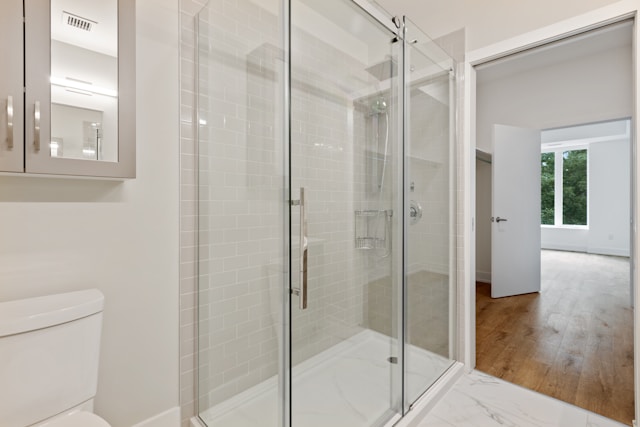
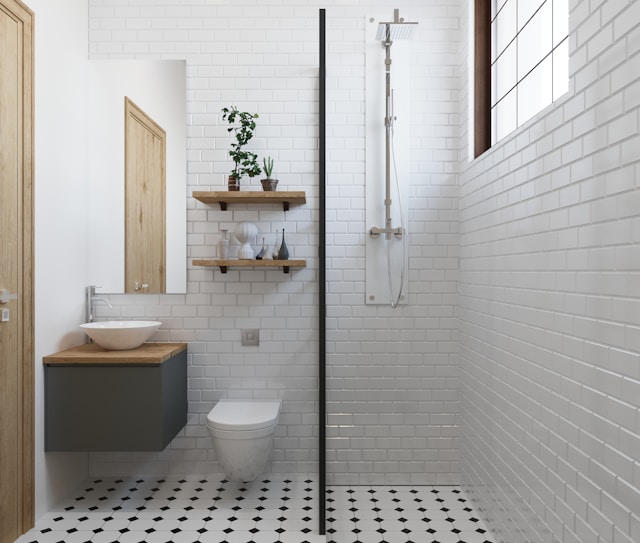
#6 — Midrange Bathroom Remodel
Up to 74%
The same formula applies to minor, focused bathroom remodels.
Midrange bathroom remodels that avoid major permitting and demolition but still make meaningful surface updates, can offer a 74% ROI and help sell homes faster. The focus is improving buyer perception without stumbling into a high-cost construction project.
Buyers value bathroom spaces that feel clean, modern, functional, easy to navigate, and move-in ready.
For an ROI-centered midrange bathroom remodel, you can include features like:
- Replacing an outdated vanity
- Updating faucets, mirrors, and light fixtures
- Installing clean, neutral tile
- Replacing worn flooring
- Refreshing paint with a bright, neutral color
- Updating the toilet, shower door, or tub surround when needed
- Improving ventilation and lighting
The biggest mistake we see homeowners who want to renovate to sell make is accidentally turning a refresh into a full redesign. If your goal is strictly ROI, it’s important to avoid certain mistakes:
- Moving plumbing when you do not need to
- Making the bathroom bigger
- Choosing finishes that feel too expensive for the home
- Using bold tile or personal design choices
- Replacing what could simply be refreshed
- Making the bathroom feel much nicer than the rest of the house
The key is combining surface-level updates with functional improvements that match the rest of your house and neighborhood.
#7 — Deck Addition and Outdoor Living Upgrades
Up to 95%
Deck additions can produce a wide range of ROI outcomes. We did not post them higher in the list due to extreme variance in ROI based on location and materials.
In some locations, outdoor decks offer high ROIs. In others, a deck addition simply isn’t valued by local homebuyers. However, Orange County luxury decks are particularly highly valued due to the local climate and culture.
In general, deck additions and outdoor living upgrades like poolsides and fire features add fast visibility and lifestyle appeal. Decks usually perform best when built with wood, with composite decks normally producing slightly lower returns.
#8 — Energy-Efficient Window Replacement
Up to 70%
Energy-efficient windows reduce cooling costs and protect interior surfaces during hot Orange County summers. They also strongly signal modernity and recent care.
In general, homebuyers, particularly in hot regions, prefer homes with updated features. Modern double-pane windows with gas fills offer several crucial benefits:
- Reduced heat transfer
- Less UV damage to skin and furniture
- Better insulation
- Less strain on HVAC systems
All of these benefits lead to lower costs over time due to lower energy bills and less sun damage.
The ROI for this kind of window replacement is high because of:
- Simple installation with relatively low labor costs
- Curb appeal
- Modernity signal
- Tax incentives
- Immediate value
Projects That Rarely Pay Off — and Why Homeowners Do Them Anyway
Sometimes, the remodeling projects least likely to pay off are surprising. That doesn’t mean they aren’t worth doing, because there are many reasons to do unprofitable remodels. However, it means they are highly unlikely to pay off if you’re trying to sell your home ASAP.
Major Kitchen Overhauls
Major kitchen remodels are very expensive, requiring extensive labor. The reason they don’t produce a high ROI is that the most expensive labor and materials are unseen. The value is there, but buyers may not appreciate it until they have spent time living in the home.
Unlike targeted aesthetic and layout-based renovations, major kitchen overhauls involve:
- Cabinetry
- Flooring
- Plumbing
- Appliances
- Electrical
- Demolition
- Skilled and unskilled labor
These factors add up quickly. Because these costs are hard to show quickly, they play a small role in a buyer’s decision to purchase or keep shopping. They may like your new kitchen after a complete overhaul, but not enough to justify paying enough to cover the full project cost.
Why Get a Major Kitchen Overhaul
There are still several good reasons to remodel your entire kitchen.
First, your daily life becomes better for the foreseeable future. You get real solutions to problems with layout, storage, function, efficiency, and flow. If you plan to stay long-term, a kitchen overhaul pays off in day-to-day experiences.
Over a similar long-term timeframe, you also protect your home’s value by keeping it more functional. So, even if you don’t get quick resale profit, you preserve your kitchen’s value over time.
Swimming Pools, Luxury Additions, and Highly Personalized Upgrades
Luxury additions like pools, or any highly customized addition, will usually be enjoyable and increase home value and resale prices. However, the increases rarely, if ever, support a short-term resale strategy.
Luxury improvements are expensive to build. More concerning from an ROI perspective, luxury improvements are expensive to maintain. Most important of all, while these investments will fetch you a higher selling price, buyers normally won’t be willing to pay nearly as much for them as you spent installing them.
Some buyers love additions like pools and pay more for them. Other buyers and appraisers see:
- Higher maintenance
- Higher home insurance premiums
- Safety concerns
- Time-consuming responsibilities
- Lost yard space
So, the short-term ROI math doesn’t add up favorably. What you end up getting is niche appeal instead of broad appeal. Neither factor helps you sell faster or at a greater profit.
Why Homeowners Buy Custom Swimming Pools and Luxury Additions
Custom, personalized, and luxury additions are joy-based improvements. The economics don’t make sense in the short-term, but the lifestyle benefits are easy to understand.
In some cases, long-term economic logic can support non-personalized, luxury additions. For example, if every house on your street has a modern pool area, but yours does not, you are at a comparative disadvantage and your property value is likely to fall below par.
Ultimately, luxury additions make more sense with every additional year you plan on enjoying them. Personalized additions make less economic sense, but can provide immense joy to homeowners who are trying to build a truly long-term home.
Garage Conversions That Eliminate Parking
As we’ve covered extensively at Revive, certain garage remodels can provide immense value. Garage door replacements are the best short-term investment you can make in a home. In some cases, garage ADU conversions add immense long-term value, expanding your living space and adding rental potential.
Be warned, however, that garage remodels that sacrifice parking space can backfire. Garages can be multifunctional and offer storage, utility space, convenience, and workshop space. But when you sacrifice limited parking, or especially the only indoor parking, you are making a disastrous ROI decision.
Removing indoor parking space can shrink your buyer pool, especially in high-value and suburban homes. There are cases where removing parking may make sense, but it’s a dangerous bet in markets like Orange County where almost half of households have two cars.
Why Get Garage Conversions That Eliminate Parking?
In some downtown cores, parking space is less necessary. There are niche cases where usable living space is valued more than parking.
In some cases, garage space may be coveted for:
- A home office
- An extra guest room
- A gym
- Multigenerational living space
However, it is still important to carefully consider the risks of eliminating limited sheltered parking, especially when it’s the only space available on the property.
The "Over-Improvement Trap" of Outpacing Your Neighborhood
Potential buyers will be comparing your home against neighborhood comps. If your remodeling improvements price your home higher than your neighbors’ homes on paper, you still can’t expect buyers to be willing to pay accordingly. In these cases, over-improvement will often be perceived as “overpriced” instead of “premium.”
Still, some people invest substantially more into their home than their neighbors do. That can be fine for personal enjoyment. But if you over-improve your home, you can’t expect to recover the costs when it comes time to sell.
ROI vs. Livability: A Framework for Every Timeline
One simple way to break down home improvement ROI decisions is a simple value framework:
ROI vs. Livability
Let’s break it down into a few useful timeframes.
If You're Selling in 0–12 Months
If you’re remodeling to sell within the next year, it’s best to prioritize visible, cosmetic upgrades. The more visible they are, the better.
The shorter your timeframe, the more the ROI improvements and advice we’ve covered in this guide matter.
With a one-year ROI timeframe, focus on visibility, starting with what is seen from the curb. Exteriors, doors, and landscaping set the tone for what homebuyers can expect when they walk into your home.
From there, consider the overall look of the interior. Paint jobs are the biggest money-maker once the visitor has entered. From there, surface-level kitchen and bathroom renovations return the largest share of their costs.
With a very short timeframe, the main mistake to avoid is overinvestment. In many cases, bathroom and kitchen improvements should either be minimal or entirely avoided. The key is making high-ROI improvements while carefully avoiding improvements that won’t at least safely cover their own costs.
If You're Selling in 1–3 Years
With a longer timeline of 1 to 3 years, it makes sense to preserve basic functionality while investing heavily in surface-level improvements. That means expanding from curb appeal and the most visible interior improvements to systems and functional kitchen improvements.
Keep in mind that in terms of real estate returns, even 3 years is still a very short timeline.
Whether you want to sell in six months or six years, overinvestment is the main risk to your ROI goals. Gut remodels and major structural changes are still overwhelmingly unlikely to be recovered at the point of sale.
Instead, with a 1 to 3 year timeline, it makes more sense to focus on avoiding glaring issues and improving presentability and move-in readiness.
If You're Staying Long-Term
With long-term living in mind, meaning more than a decade, it makes sense to focus far more on function over trends or even appearances. With a long timeframe, a big-picture approach starts to make far more sense. The goal shifts toward value preservation, not just the highest possible resale price.
To achieve long-term goals, the challenge is often still about avoiding mistakes. The key is to avoid chasing temporary trends, which will become less useful the longer you intend on holding onto your home after renovating.
Long-term, it’s important to solve the real problems that arise in a home over time:
- Poor layouts
- Aging systems
- Limited, inefficient, or unattractive storage
- Materials that don’t hold up over time (particularly in environments like the Orange County coast
How 2026 Cost Pressures Are Shifting the Numbers
Throughout 2026, economic pressure is driving construction and remodeling costs higher. The most significant pressures are rising labor costs and tariffs.
Tariffs increase the cost of many imported materials, including timber, steel, aluminum, and finished products like appliances.
Labor shortages can push project bids higher and extend preliminary timelines. Rising labor costs also have a bigger impact on labor-intensive projects, especially major remodels.
None of this means you should avoid renovations. Instead, it means the margin for error is smaller and it makes more sense to focus on projects that have:
- A clear, controllable scope
- Impact on everyday buyers
- More predictable costs and returns
How Location Changes Everything
The importance of location permeates every aspect of real estate, including ROI. But it’s not just about neighborhood comps and average prices. There are local and regional expectations, so the definition of “value” changes depending on where you are.
At a high level, value metrics depend on:
- Climate
- Architectural standards
- Local culture and lifestyle
- Accepted price points
These factors set buyer expectations. So, let’s look at how Orange County real estate is affected.
National ROI Averages vs. What the SoCal Market Actually Rewards
National average ROIs are useful and much more available than local data, which is often patchy or totally incomplete. But even at the national level, averages don’t give the full answer.
Fortunately, the broad findings in leading national studies align with local SoCal market experience.
JLC Los Angeles Cost vs. Value data is the closest point of reference for Orange County. This data and local observations show even stronger returns for several projects:
- Garage door replacement
- Manufactured stone veneer
- Steel entry doors
- Minor kitchen remodels
- Wood decks
SoCal still rewards curb appeal and move-in-ready upgrades at least as much as most other high-value housing markets. However, landscaping and outdoor living upgrades like decks are even more highly rewarded.
A stone accent makes sense with some homes. However, a clean entry, modern garage door, fresh paint, updated lighting, and polished landscaping are usually more useful in Orange County.
What OC Buyers Are Paying a Premium For Right Now
In the current market, Orange County homebuyers are looking for reassurance and stability over luxury. That means the renovations that pay off are the ones that make the home:
- Feel finished
- Look maintained
- Feel easy and inviting to move into
Why Pre-Sale Renovation Strategy Differs in High-Value Markets
Small percentage changes add up to more money in high-value markets. 2% to 3% total value increases mean $20,000 to $30,000 on a $1,000,000-plus home.
Keep in mind that high-value markets like Orange County also have higher risk, such as higher labor costs, which can climb fast. Buyers are more selective, paying more for the right match, while still comparing your home closely with neighborhood comps.
Expectations are higher, but overbuilding is still a greater risk in high-value markets.
With that in mind, the goal shouldn’t be to offer the nicest home in the area. It’s better to frame your strategy around:
- Removing objections
- Making your home the obvious choice in your area
- Remodeling in a way that is targeted, visible, and aligned with local expectations
How Revive Helps You Invest in the Right Improvements Before You Sell
We believe the best remodeling decisions reduce uncertainty and focus on what actually adds value to a home.
Our Pre-Sale Renovation Model: Renovate Now, Pay at Closing
Revive helps homeowners make strategic improvements that position your home for resale.
Our goal is to help you:
- Identify the updates most likely to improve resale value
- Manage the renovation process from scope to execution
We understand the economics of remodeling and home sales in high-value markets. That’s why we help you renovate before selling and pay at closing.
Get a Free Estimate and a Clear ROI Picture for Your Home
How much is your home's worth?
Get your personalized estimate today.



Creative operator, storyteller, and growth-driven entrepreneur sum up the core of Shyam Ronvelia, Junior Growth Operator at Revive Real Estate. With a background running his own clothing brand and a deep passion for design, photography, and filmmaking, Shyam brings a rare creative lens to the world of real estate. Turning the story of home renovation into content that captivates and converts across the nation.