At some point, many San Jose homeowners reach the same crossroads. The house that once felt perfect for your lifestyle begins to feel limiting. The kitchen may now feel closed off. Perhaps your growing family needs another bedroom. Or, maybe remote work has made a quiet office space essential.
When that moment arrives, the same question follows: Should you remodel your current home, or move somewhere new? In most cities, that might be a simple financial decision. In San Jose, it is far more complex.
Home values in Santa Clara County remain among the highest in the United States. Median home prices regularly exceed $1.5 million, and desirable neighborhoods often see competitive bidding for available properties. At the same time, construction costs across the Bay Area have climbed significantly due to labor demand, permitting complexity, and material costs.
Improving the home you already own can unlock significant value and preserve a location you love. But major renovations require planning, time, and investment. Moving may seem easier. Yet buying another home in San Jose often means paying a premium price while giving up a favorable mortgage rate or property tax base.
The real decision is not simply remodel versus move. The real question is whether the home you already own might have more potential than you think. With the right information, homeowners can evaluate both paths clearly and make a decision that supports both lifestyle and long-term wealth.
At Revive, we believe real estate is one of the most powerful tools for building long-term wealth. The key is understanding which path creates the most value for your situation. In this guide, we explore how San Jose homeowners can evaluate the financial tradeoffs between remodeling and moving, and how the right strategy can help you make the most of your home.
Why So Many San Jose Homeowners Are Facing This Decision
San Jose’s housing market is shaped by two powerful forces: aging housing stock and rapidly evolving lifestyle needs. Much of the city’s residential development occurred between the 1950s and 1980s, when Silicon Valley was still emerging. Many homes built during that period remain structurally strong and sit in highly desirable neighborhoods. However, their layouts reflect the design priorities of that era.
Kitchens were smaller and often separated from the rest of the house. Formal dining rooms were common, and storage space was limited. Living rooms and family rooms were often divided into smaller compartments rather than open spaces.
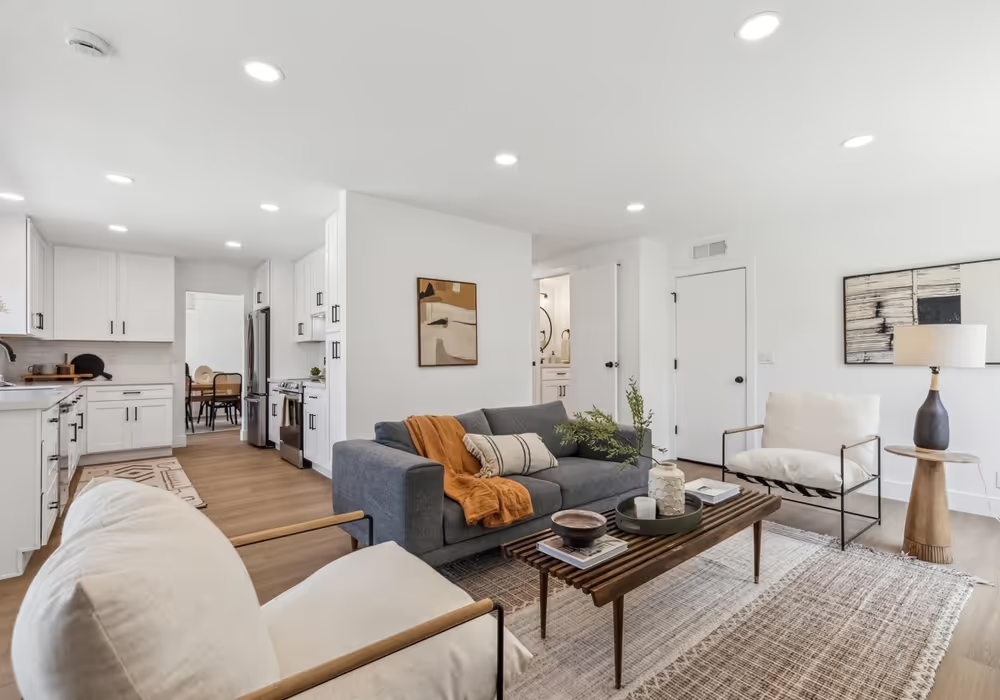
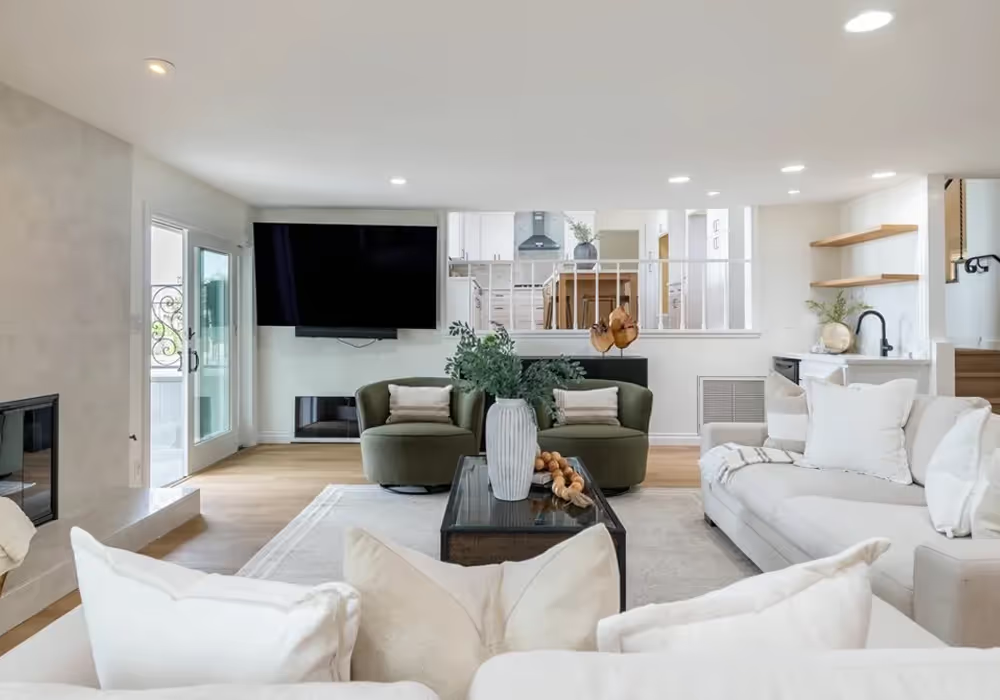
Today’s buyers prioritize open layouts, larger kitchens, flexible living spaces, and natural light. Remote work has created demand for home offices. Multigenerational living has increased interest in guest suites and accessory dwelling units.
For homeowners living in older homes, the gap between the house they have and the house they want can feel significant. While normally, this would push people toward moving, San Jose’s housing market complicates the decision.
Low inventory and high demand mean homeowners often face fierce competition when purchasing a new property. Homes in desirable school districts can receive multiple offers within days. As a result, many homeowners pause and ask a smarter question: Instead of entering a competitive market, could investing in the home they already own deliver the same result?
This is where Revive experts can be your ace in the hole, illuminating the realities of each choice and guiding you toward the most beneficial outcome for your situation.
Evaluating Your Current Home Before Deciding
Before choosing between remodeling and moving, it is important to evaluate the true potential of your current property. Two factors matter most: the physical condition of the home and the long-term value of its location.
Condition of the Home
Many homes that feel outdated are structurally stronger than homeowners realize. Foundations, framing, and roof systems can remain durable for decades. When these core elements are in good condition, renovation projects can focus on improving layout, functionality, and aesthetics rather than rebuilding the structure itself.
A professional assessment typically examines:
- The structural integrity of the foundation and framing
- The age and capacity of electrical systems
- The condition of plumbing and HVAC equipment
- Layout limitations that may affect renovation feasibility
Sometimes the biggest improvements come from relatively simple design changes. Removing non-structural walls, expanding kitchens, or reconfiguring living spaces can dramatically change how a home feels without requiring a full rebuild.
Understanding the underlying structure of the home is the first step toward determining whether renovation makes sense. If you’re not sure - and many homeowners are not - Revive experts are there to help. We’ve been there and can help you navigate the decision, then point you toward our best option for you, whether that’s Sell 360, Renovate to Sell, or Renovate to Stay.
Location and Lot Value
In Silicon Valley real estate, location often carries as much value as the home itself. Many San Jose properties sit in established neighborhoods with strong schools, access to major employers, and long-term market stability. Lot size and zoning also matter.
Some properties allow for expansions, second stories, or accessory dwelling units that can increase both living space and property value. In certain cases, the land itself may be worth significantly more than the structure sitting on it.
Revive helps homeowners uncover that potential by analyzing renovation options alongside projected resale value so they can see what their home could become before committing to a major project. When that decision is made, through thoughtful conversations backed by real market numbers, the team can guide. Listen to our founder illuminate our Renovate to Sell and Renovate to Stay programs.
The True Cost of Remodeling in San Jose
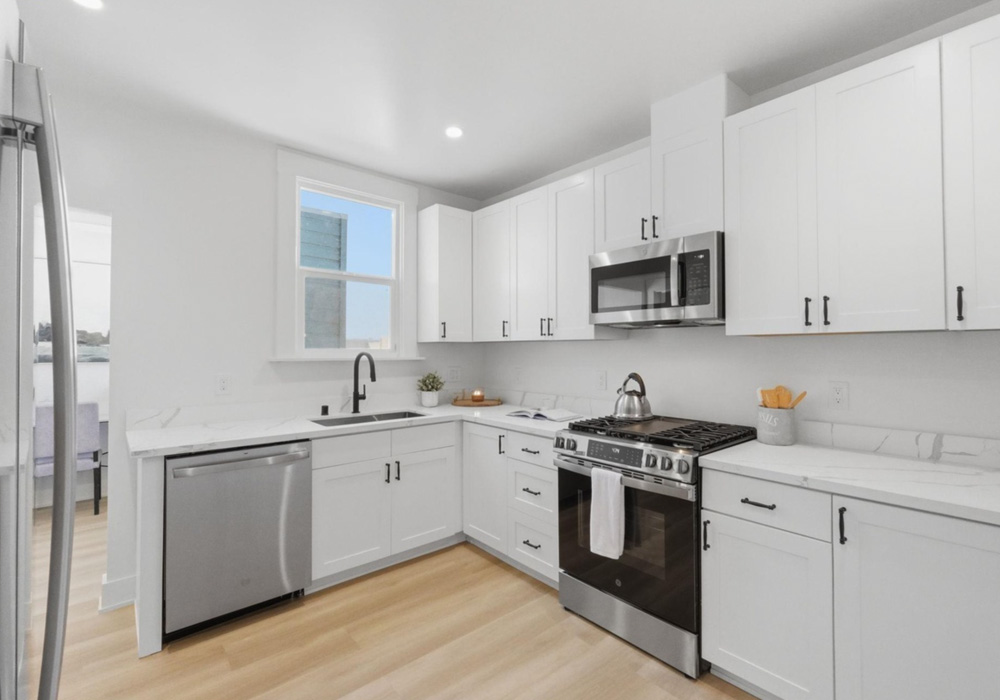
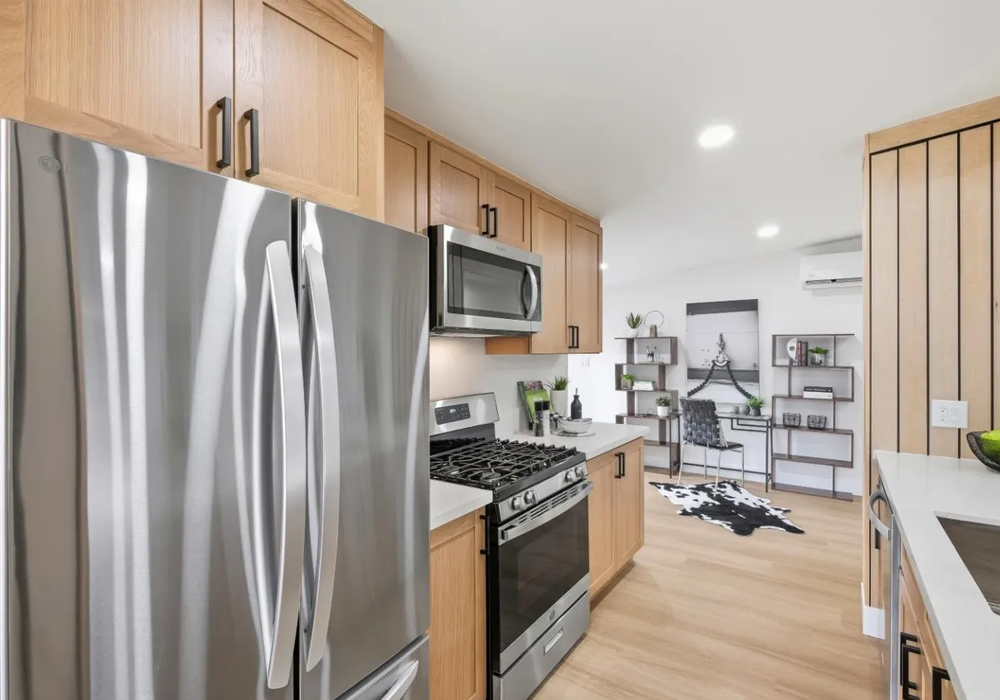
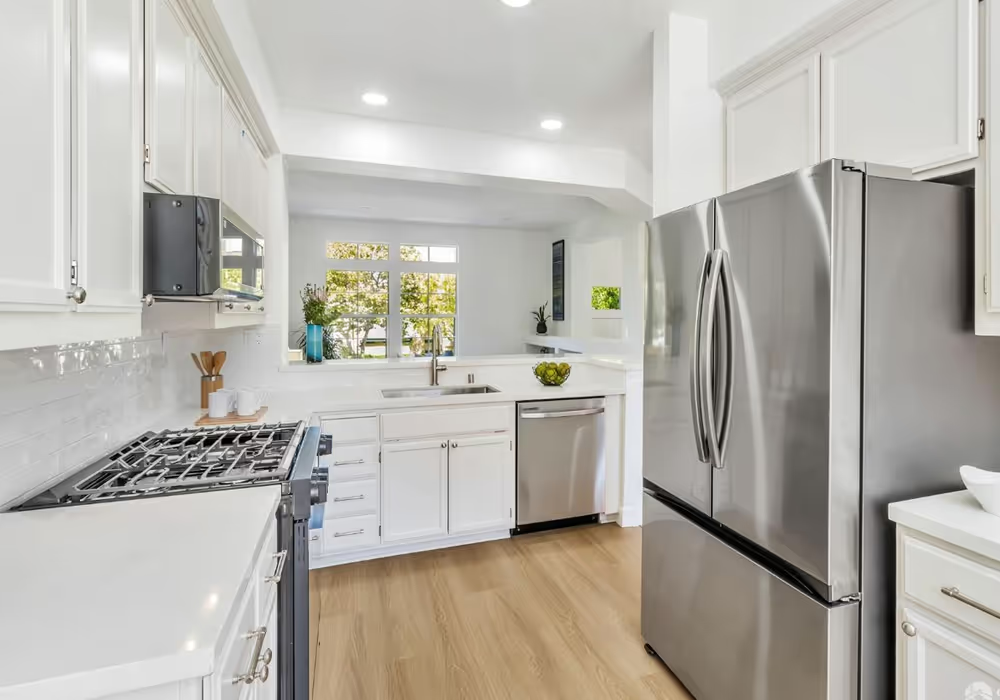
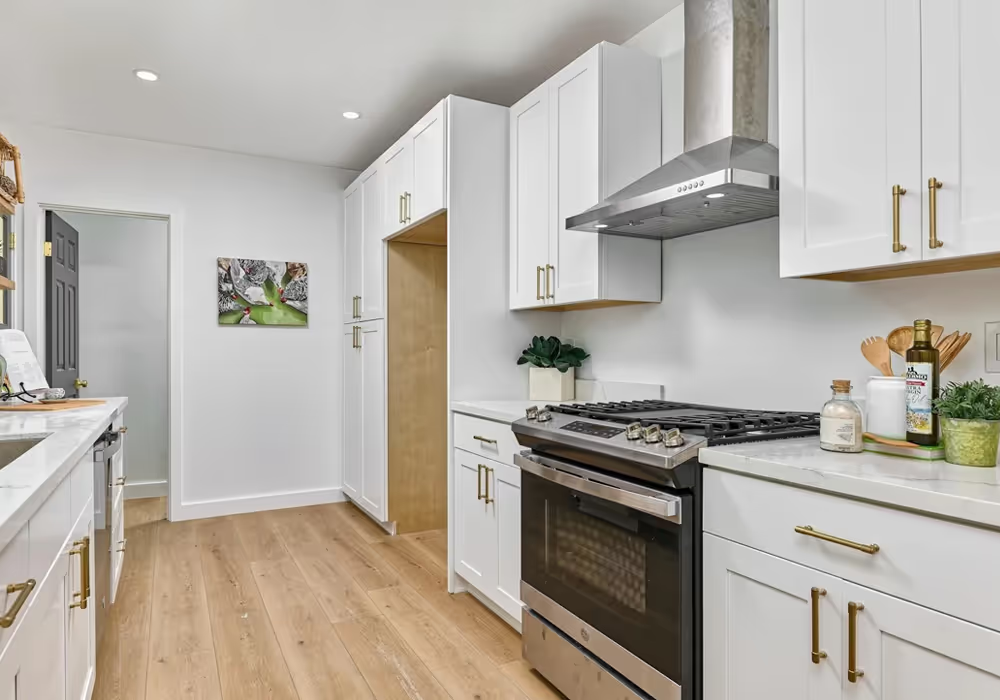
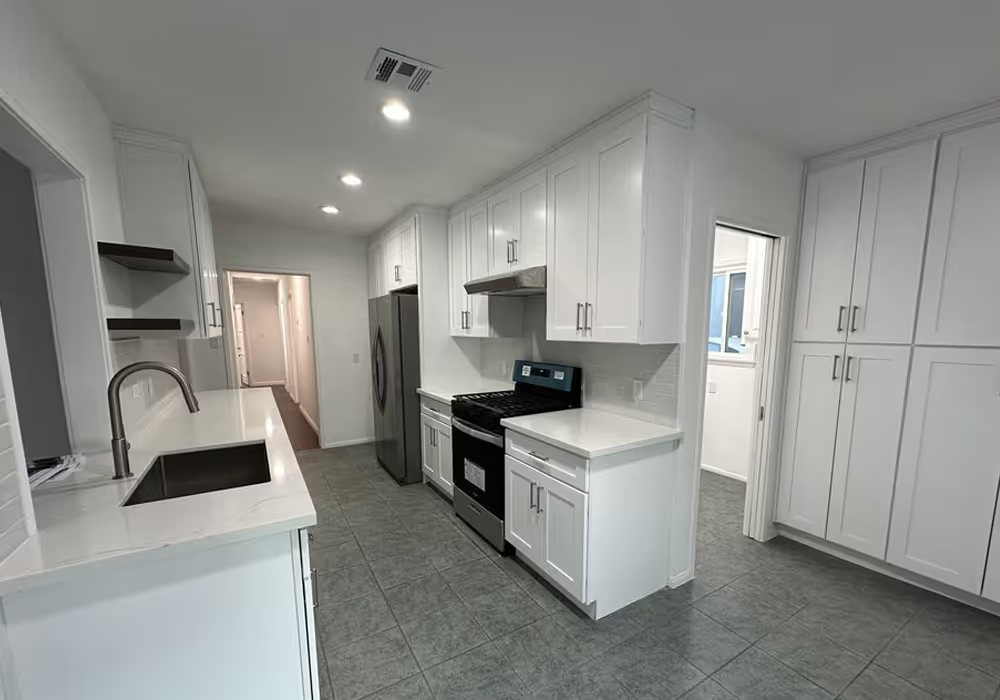
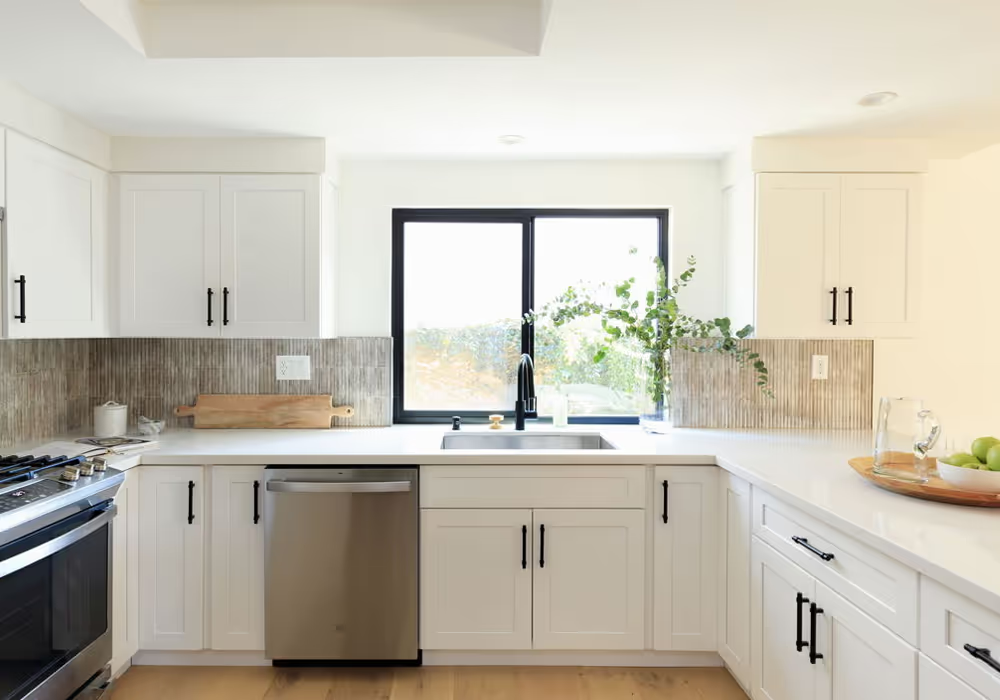
Renovation can transform an older home into a modern living space, but understanding the full financial picture is critical. Kitchen renovations are one of the most common upgrades because they dramatically improve both daily living and resale value. In the Bay Area, kitchen remodels can range from approximately $60,000 for moderate upgrades to well over $150,000 for full redesigns that expand the space and upgrade appliances.
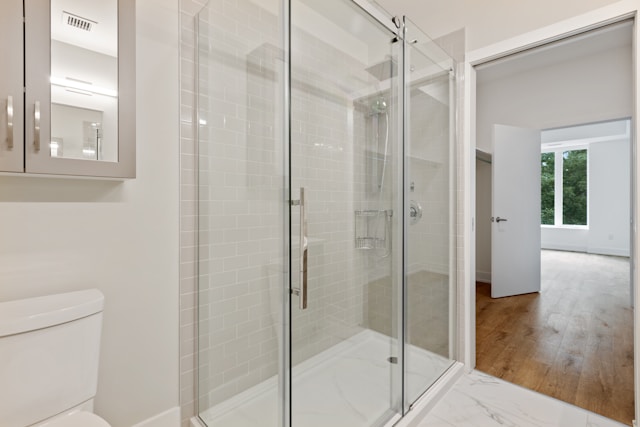
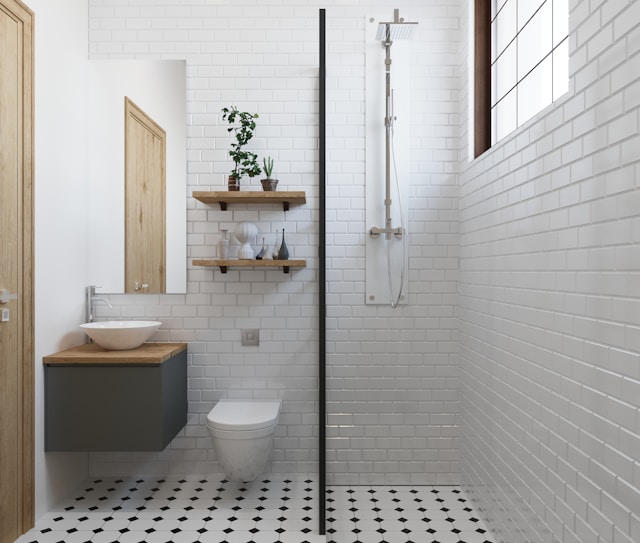
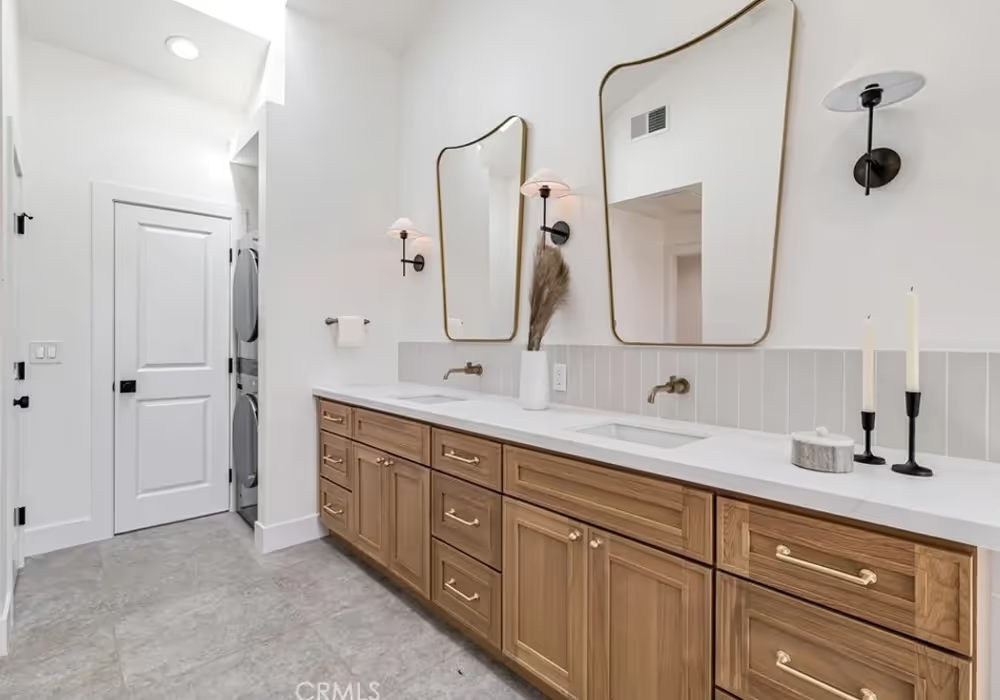
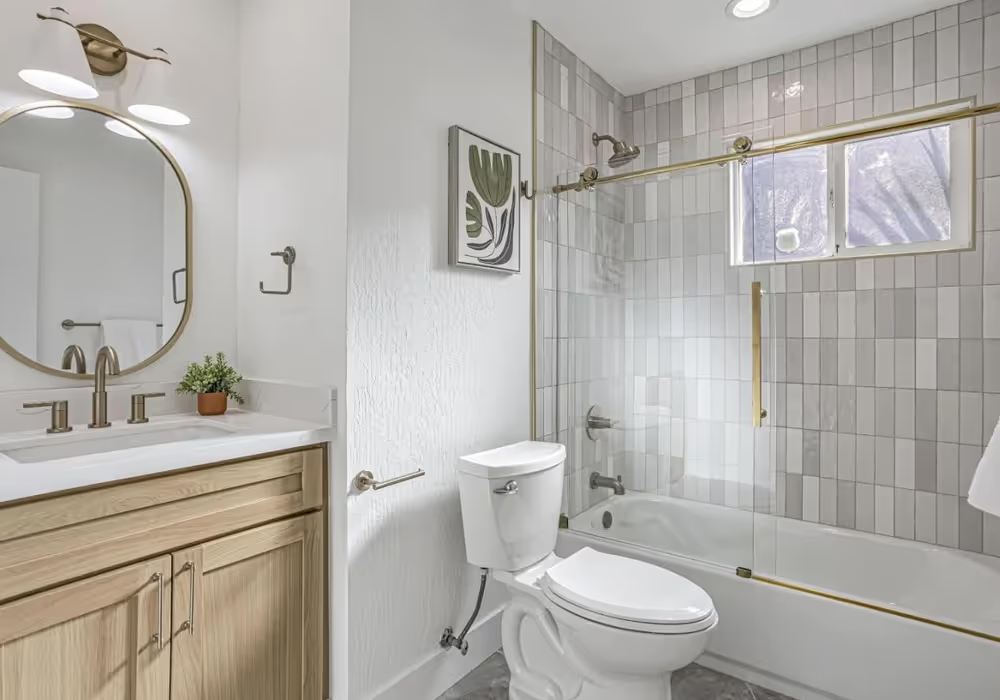
Bathroom renovations are smaller in scale but still involve plumbing work, waterproofing, and finish materials. These projects commonly range between $25,000 and $60,000, depending on complexity.
Larger renovations, such as room additions or accessory dwelling units, represent a more significant investment. ADU projects in Santa Clara County frequently range from $200,000 to $500,000, depending on size and infrastructure requirements.
Energy efficiency improvements are also becoming more common across California. New windows, insulation upgrades, solar systems, and high-efficiency HVAC equipment can improve comfort while lowering long-term energy costs.
Permits and inspections are required for most structural renovations in San Jose. Architectural design and engineering consultations may also be necessary for larger projects. In some cases, homeowners may need temporary housing while construction is underway. These factors can add both time and cost to a renovation project, making it essential to plan carefully from the beginning.
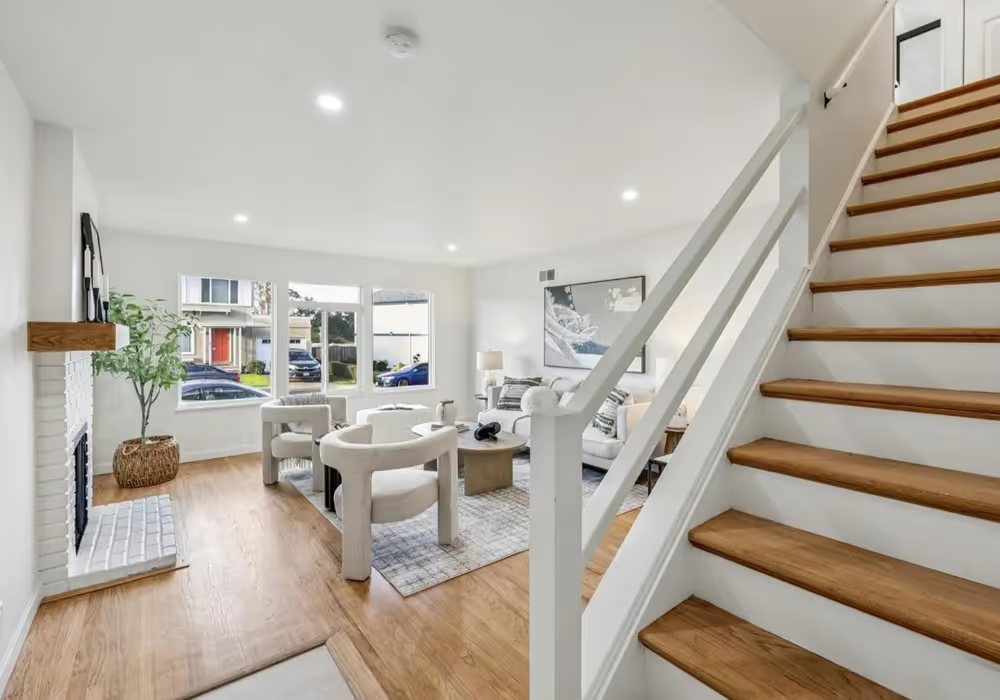
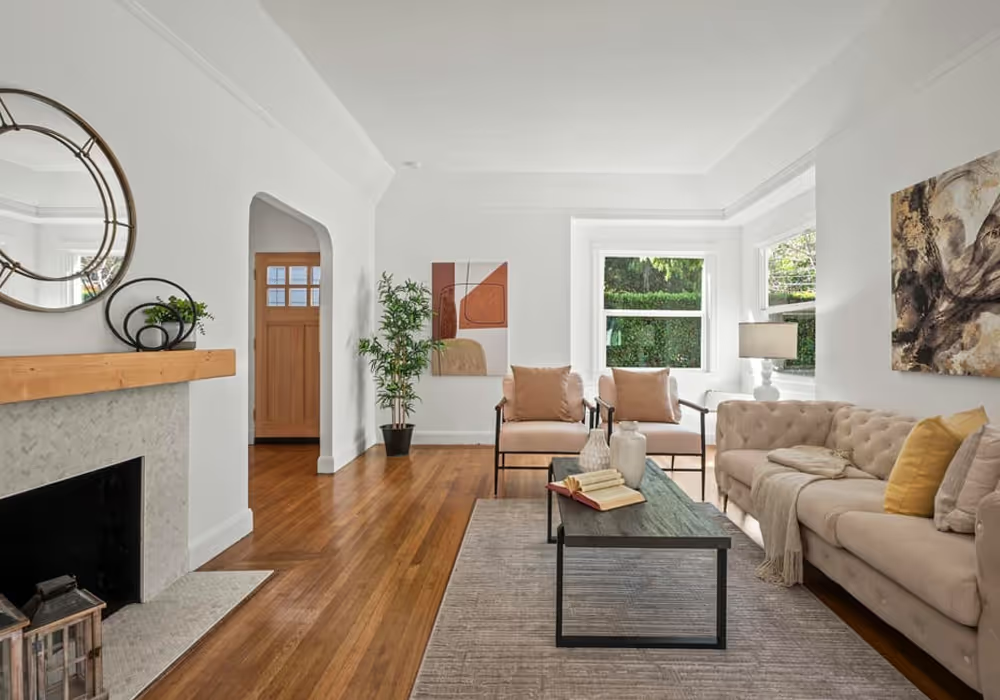
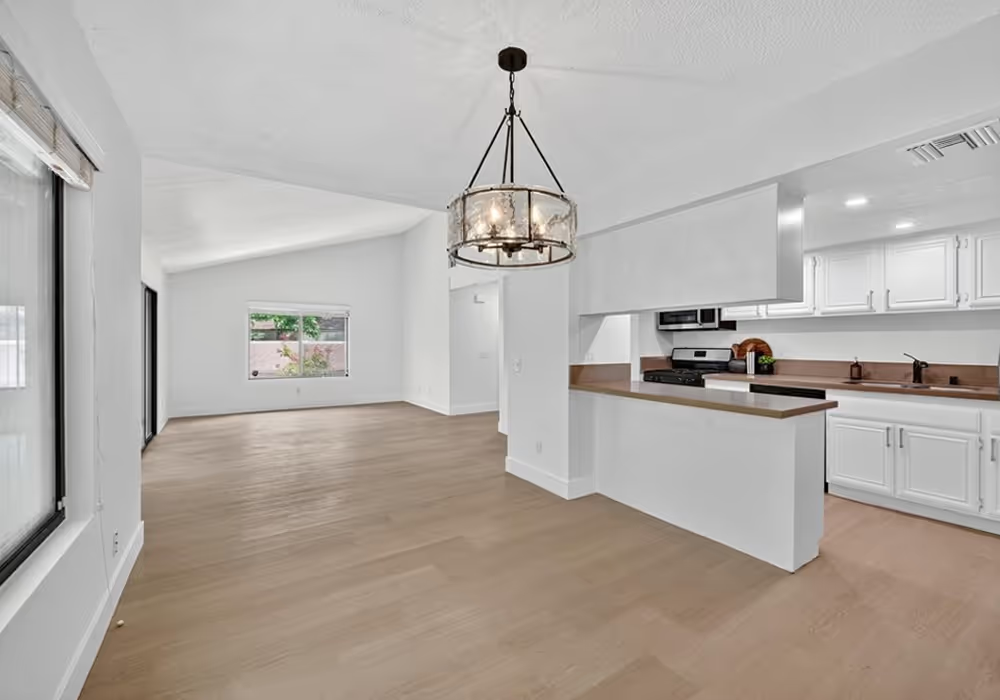
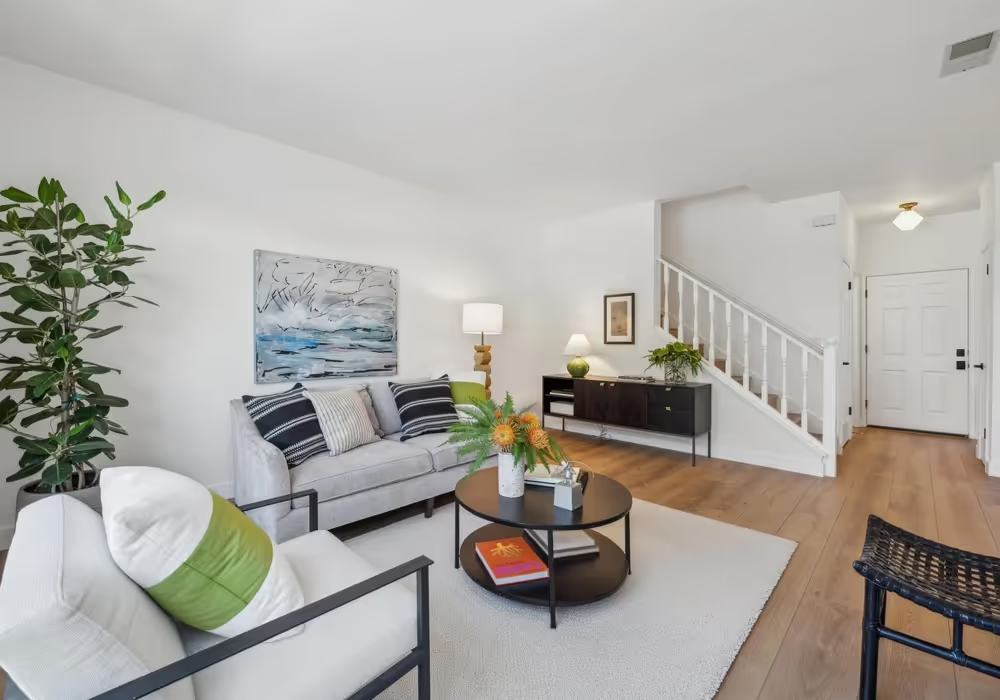
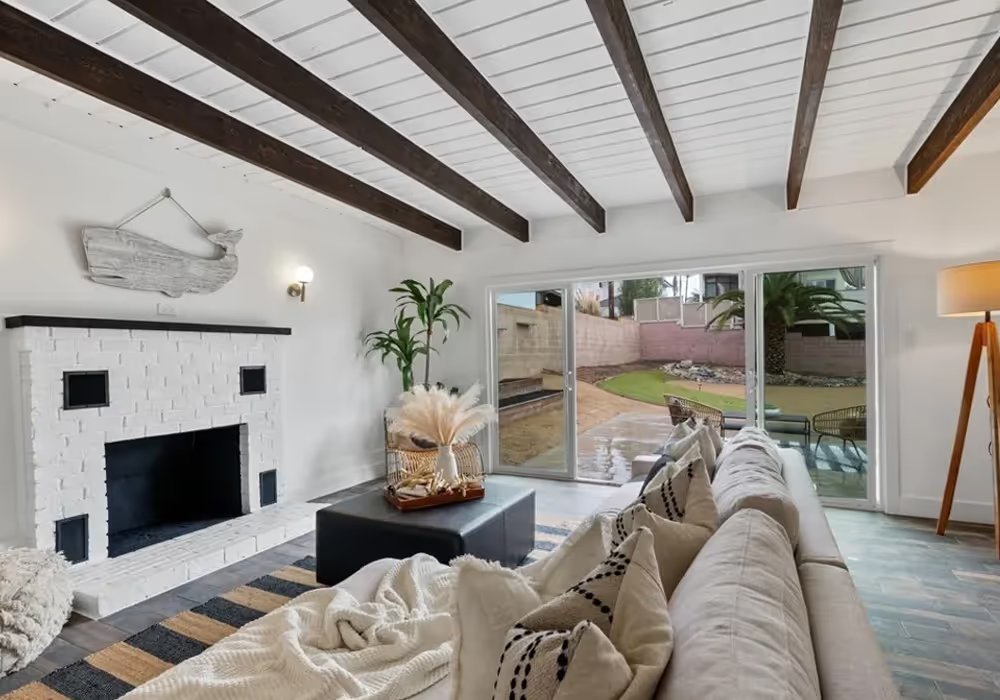
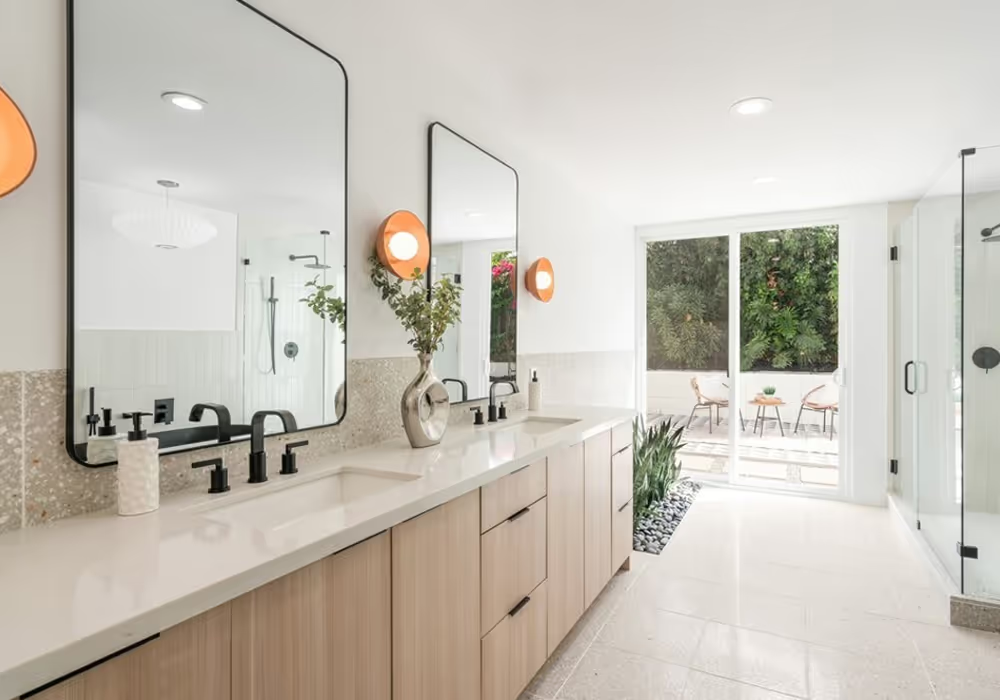
Looking for inspo? Check out the Revive project gallery.
The True Cost of Moving in San Jose
While moving may appear simpler than renovation, the financial reality can be equally complex. Selling a home typically involves agent commissions, staging, marketing costs, and potential pre-listing repairs. Many sellers invest in cosmetic improvements before listing in order to attract stronger offers.
Buying a new home introduces another set of financial considerations. Property values in San Jose remain extremely high, and desirable homes often sell above asking price due to buyer competition. This can significantly increase the purchase price compared to the home being sold.
Property taxes also reset when purchasing a new home in California. Long-time homeowners may currently benefit from lower assessed values under Proposition 13. Purchasing a new property recalculates taxes based on the current market value, which can increase annual tax obligations.
Mortgage rates further complicate the decision. Homeowners who secured low interest rates over the past decade may face significantly higher monthly payments if they move today.
Remodeling vs. Moving: A Side-by-Side Comparison
When homeowners compare these options directly, the differences become clearer.
Remodeling typically requires upfront investment but allows homeowners to stay in the location they already value. Strategic renovations can increase property value while improving daily living. Enter Revive’s Renovate to Stay.
Moving may provide immediate access to modern layouts and new systems. However, it often involves higher purchase costs, tax reassessments, and the uncertainty of competing in a tight housing market. However, if this ends up being the best option for you, Revive has shown incredible success and ROI for homeowners choosing to Renovate to Sell.
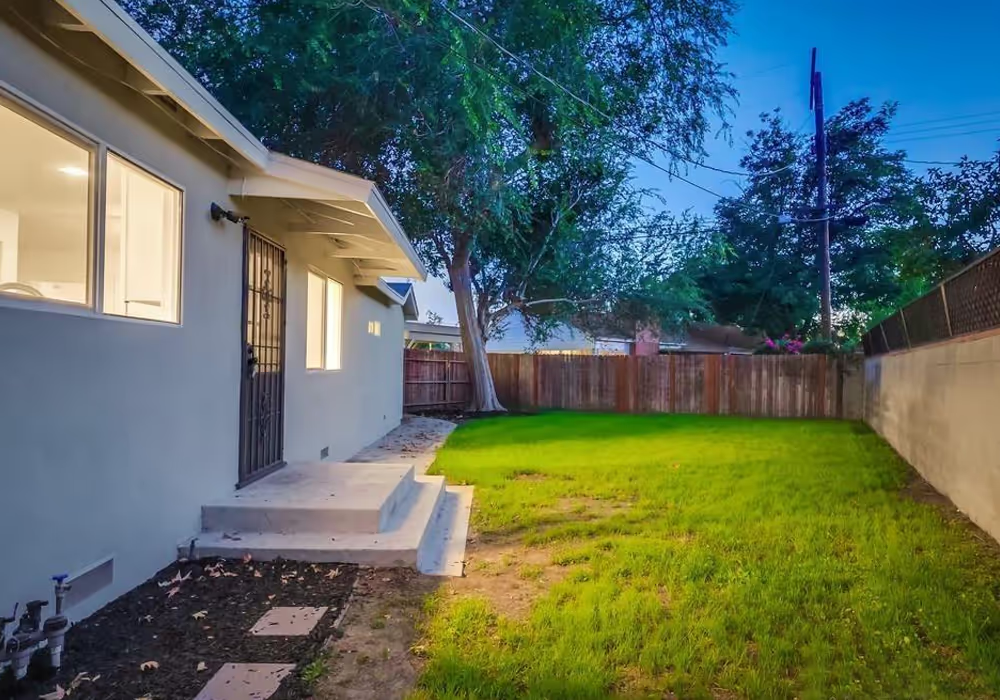
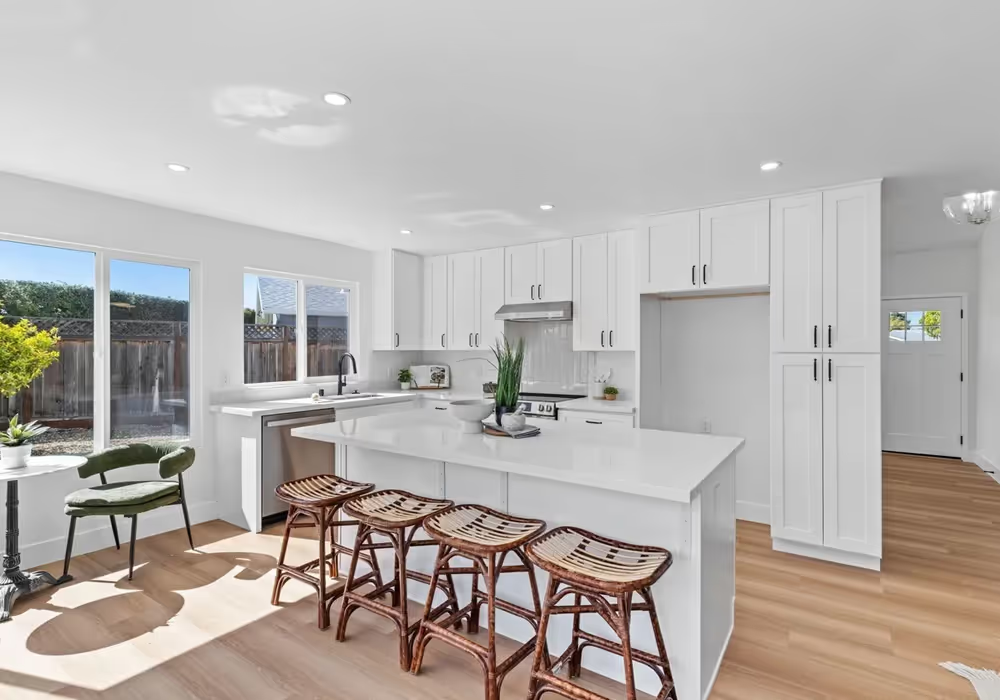
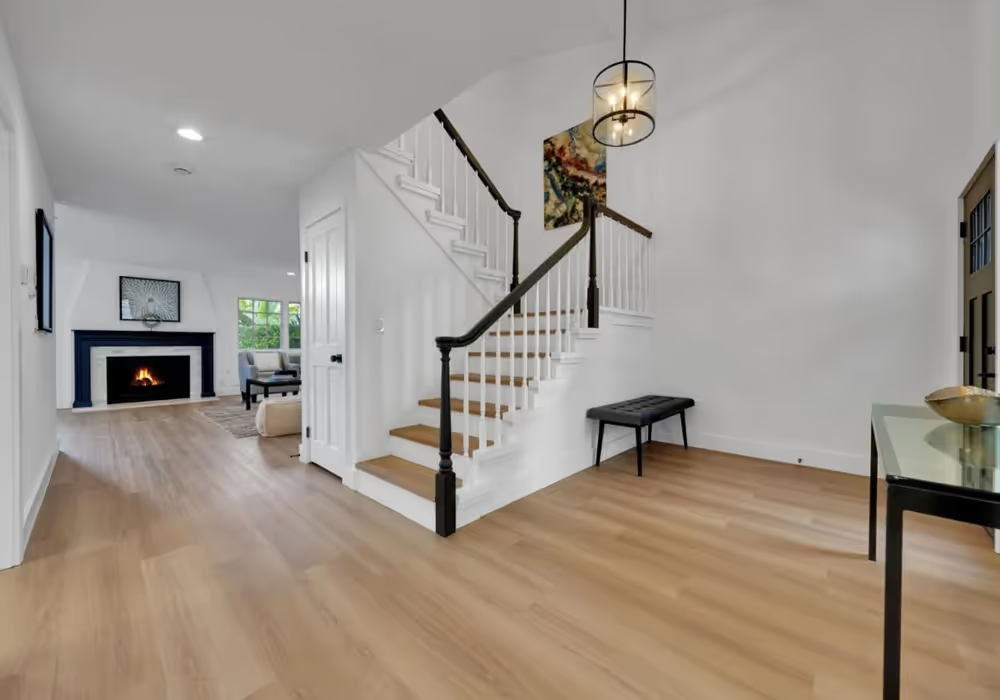
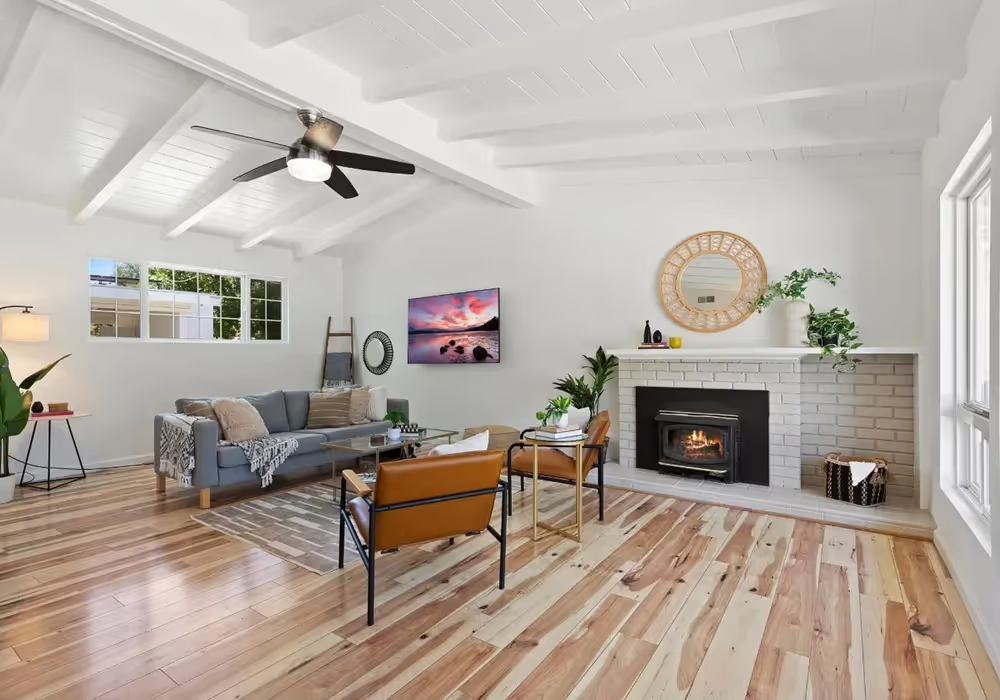
Case Study: A homeowner in Campbell, California, wanted to maximize the value of their home before selling, but needed a clear renovation strategy to attract buyers and increase the final sale price. Through our Renovate to Sell program, the team managed the full renovation process, including project scoping, design, materials, and construction. The updates modernized the home and positioned it competitively in the market.
The result was a significantly stronger sales outcome. After the renovations, the home generated $216,490 in additional profit, demonstrating how strategic pre-sale improvements can unlock hidden equity and increase a homeowner’s return.
Lifestyle preferences also matter. Remodeling offers customization. Homeowners can design spaces that match their exact needs, from open kitchens to home offices or multigenerational suites. Moving, on the other hand, often requires compromise because buyers must choose from existing homes rather than designing their own.
Timing is another factor. Home purchases depend on available inventory and market competition. Renovations depend more on construction timelines and permitting. In other words, moving depends on the market. Renovating depends on planning.
When Remodeling Makes More Sense
Remodeling tends to be the stronger option when homeowners genuinely like their neighborhood and the existing home has solid structural fundamentals. Properties in desirable San Jose neighborhoods often gain value over time. Improving the structure while maintaining the location can maximize long term equity.
Renovations are also ideal for homeowners who want customized spaces such as dedicated offices, expanded kitchens, or accessory dwelling units. When homeowners plan to stay for many years, investing in the property they already own can deliver both lifestyle improvements and financial returns.
When Moving Makes More Sense
Moving may be the better path when renovation costs approach the value of the home itself or when structural limitations prevent meaningful improvements. Small lots, restrictive zoning, or extensive structural damage can make renovation impractical.
Lifestyle changes can also drive relocation. A new job location, different commute needs, or proximity to family may make a move the most logical choice.
Remodel, Rebuild, or Relocate? A Decision Framework
Homeowners facing this decision often benefit from evaluating three potential paths.
- Remodeling focuses on improving the existing structure while preserving the location.
- Rebuilding may make sense when land value significantly exceeds the value of the home itself.
- Relocating involves selling the property and purchasing another home that better meets current needs.
Understanding the financial implications of each option helps homeowners choose the path that best supports their goals.
Revive helps homeowners compare renovation scope, project costs, and potential resale value before construction begins so they can make these decisions with clarity. By providing clear renovation planning, transparent costs, and data-backed insights, we show you what your home could become. Because the future starts at home.
How much is your home's worth?
Get your personalized estimate today.















Past callings as mechanic, engineer, Project Manager, Realtor and Handyman coupled with his attention-to-detail give Doug Miyaki valuable experiences and the aptitude to guide Homeowners and Real Estate agents through the home renovation process.