Introduction
Remodeling a home in Los Angeles is not a small decision; it is a financial strategy. And for many homeowners, it becomes one of the most important wealth-building decisions they will ever make. A remodel can increase equity, strengthen resale positioning, improve everyday livability, and create long-term financial leverage. It can also reduce returns if it is approached without clarity.
Many homeowners underestimate renovation costs, especially in older Los Angeles homes. Not because they are careless, but because remodeling often reveals more than what is visible on the surface. Behind walls and beneath floors, older systems, outdated wiring, and structural issues can change the financial picture quickly.
At Revive, our mission is simple: We empower homeowners to make smart decisions to build wealth through real estate. Budgeting for a remodel is not about guessing, it is about aligning your investment with real opportunity. When you understand actual costs, realistic timelines, neighborhood value ceilings, and return potential, you move from uncertainty to control.
In high-value markets like Los Angeles, remodeling is rarely just cosmetic. It is a thoughtful investment decision. Done well, it protects upside and strengthens long-term equity. Done impulsively, it compresses value and introduces unnecessary risk.
This guide is not about how to swing a hammer. It is about how to think like a strategic homeowner while still protecting your peace of mind. When you plan with clarity, you protect your future. When you rush, you risk your equity.
Remodeling should strengthen your financial position, not weaken it. And when done right, it can create stability for your family, flexibility for your future, and confidence in your next move.
Why remodeling budgets in Los Angeles require extra planning
Los Angeles is one of the most dynamic real estate markets in the country. Property values vary dramatically by neighborhood. Buyer expectations shift quickly, regulations are strict, and labor markets are competitive. Much of the housing stock is older and may require system upgrades once work begins.
Because of these factors, remodeling here requires more than a rough estimate, it requires structured planning.
If you approach a remodel with an optimistic guess instead of a realistic budget aligned to neighborhood value ceilings, you expose yourself to financial strain and potential equity compression, meaning you spend more than the market will reward. If you approach it strategically, you protect your investment and position your property to compete at the highest level your neighborhood supports.
The difference is not construction knowledge. It is decision discipline guided by clear data and thoughtful planning.
Homeowners who feel overwhelmed by renovation decisions are not alone. The goal is not to master construction; the goal is to understand the financial impact of each decision before you make it.
High labor costs, permitting complexity, and older housing stock
Homeowners in Los Angeles consistently face three realities:
- High demand for skilled labor
- Strict permitting and code enforcement
- Homes built decades ago with outdated systems
Labor markets here are competitive. Experienced trades command premium rates because demand often exceeds supply. That affects pricing, scheduling, and overall project duration.
Permitting processes are thorough, and compliance requirements are enforced. While this can feel burdensome, it ultimately protects long-term property value and resale legitimacy. Permitted work protects you from future transaction delays and buyer concerns.
Many homes were built long before current safety and efficiency standards. Once walls are opened, upgrades may be required to meet modern codes. Electrical panels, plumbing lines, insulation, and structural elements can all trigger necessary improvements.
The strategic question is not simply, “What will this cost?” It is “How does this investment affect my long-term value and stability?” That mindset shift separates reactive remodeling from wealth-aligned remodeling.
What this guide will help you budget for (realistically, not optimistically)
This guide will walk you through:
- What remodeling actually costs in Los Angeles
- How to budget by project type and scope
- Where budgets commonly expand
- How to plan for contingencies
- How to align your remodel with long-term home value
The goal is clarity. Clarity builds confidence. Confidence reduces stress. When homeowners operate with clear data and realistic assumptions, they maintain control. And control is how equity grows.
Why Remodeling Costs Are Higher in Los Angeles
Labor market realities
Los Angeles has one of the most competitive construction labor markets in the country. Skilled trades are consistently in demand. Electricians, plumbers, framers, finish carpenters, and project managers operate at premium pricing levels due to cost of living and demand volume.
Labor frequently represents 40 to 60 percent of a total remodel budget. From a planning perspective, this matters for two reasons:
First, labor cost at the quality level required to protect resale value is largely non-negotiable. Cutting labor costs often introduces execution risk. Poor workmanship can lead to inspection issues, buyer hesitation, and future repair costs.
Second, longer timelines increase carrying costs, meaning the additional expenses you pay while the project is underway, such as loan interest, rent, or temporary housing.
Smart budgeting accounts for both direct labor and timeline impact. If you base expectations on national averages, you will likely underestimate your true investment range. High-value markets require high-performance teams.
Permit and code requirements
Permitting in Los Angeles is detailed and enforced. Even modest remodels may require plan review, inspections, and system upgrades.
Instead of viewing permitting as friction, consider it protection. Legal, compliant improvements preserve resale value and protect buyer confidence later.
Budgeting for permit costs upfront is not just about compliance. It is about safeguarding equity and avoiding surprises during a future sale.
Seismic, energy, and environmental regulations
California enforces strict energy and seismic standards. Remodels that open walls or alter layout may trigger required upgrades.
Rather than focusing on the technical details, focus on the impact. If modernization is required, how does that influence long-term value and buyer appeal? Energy efficiency improvements often enhance resale competitiveness. Seismic upgrades improve insurability and buyer confidence.
Compliance upgrades are not just costs. They reduce risk and increase stability.
Material pricing and logistics in LA
Material costs fluctuate. Shipping delays, site access constraints, and coordination challenges can increase labor hours.
The key is flexibility: Build breathing room into your budget. Avoid overcommitting to specialty finishes that do not meaningfully increase resale appeal.
Buyers consistently reward durable, modern, and thoughtfully selected upgrades. They rarely pay premiums for highly customized details that limit broad appeal.
Start With the Big Picture Budget
Before selecting finishes, define your investment framework.
Defining your total investment range
Start by answering three questions:
- What is my home worth today?
- What could it reasonably be worth after renovation?
- How much capital is required to bridge that gap?
This shifts budgeting from cost-first thinking to value-first thinking. Instead of asking, “How much will this cost?” ask, “What value am I unlocking?” That shift keeps you grounded in outcomes rather than emotion.
Remodeling vs. rebuilding vs. moving
Sometimes remodeling is the right move. Sometimes it is not. If your goals require major structural change, compare:
- Major remodel
- Tear-down and rebuild
- Selling and purchasing a better-aligned property
Each path carries different capital requirements, risk levels, timelines, and stress levels. Strategic homeowners evaluate all options before committing. Clarity creates confidence.
The future starts at home. That does not always mean the same structure; it means making the decision that strengthens your financial future.
Aligning budget with neighborhood values
Every neighborhood has a value ceiling. Over-improving beyond what comparable homes support limits return. Align your remodel with neighborhood value ceilings to protect upside and avoid equity compression, meaning spending beyond what buyers in your area are willing to pay.
Comparable sales, buyer demand trends, and condition-based pricing insights help define the smart investment range. When scope aligns with market support, remodeling enhances wealth. When scope exceeds market support, returns diminish.
Budget by Remodel Type
Light / cosmetic remodel
Typical focus:
- Paint
- Flooring
- Fixtures
- Minor kitchen or bath refresh
These projects preserve structure and systems. They often produce strong visual transformation relative to investment size.
For homeowners preparing to sell, cosmetic updates can reposition a property competitively without excessive capital commitment. The key is selecting upgrades that align with buyer expectations in your price tier.
Mid-range remodel
Mid-range remodels typically include:
- New cabinetry
- Updated bathrooms
- Selective layout adjustments
- Upgraded finishes
Mid-range remodels balance transformation and discipline. They are often appropriate when comparable homes reflect modernized interiors. The strategic question becomes: Does this level of improvement move the property into a stronger buyer pool?
High-end or luxury remodel
These often include:
- Custom millwork
- Premium appliances
- Structural reconfiguration
- Smart home integration
Luxury remodels require careful ROI analysis. In certain neighborhoods, buyers expect premium finishes. In others, over-customization narrows buyer appeal. Remodeling should reflect both your goals and your market realities.
Remodeling Costs Per Square Foot in Los Angeles
Per-square-foot pricing is a planning tool. It is not a guarantee.
Why per-square-foot pricing is useful (and where it breaks down)
Square footage helps establish broad scope categories. However, kitchens and bathrooms carry higher concentration of systems and labor. Structural changes skew averages.
Use per-square-foot estimates to define investment bands, not final numbers. Complexity drives cost more than square footage alone.
Typical ranges
Interior remodels often fall within moderate to high hundreds per square foot depending on finish level. Full renovations exceed that due to system upgrades. Additions typically cost more per square foot because you are building new structure and infrastructure.
The insight is simple: the more systems you touch, the more your budget expands.
Budgeting by Project Type
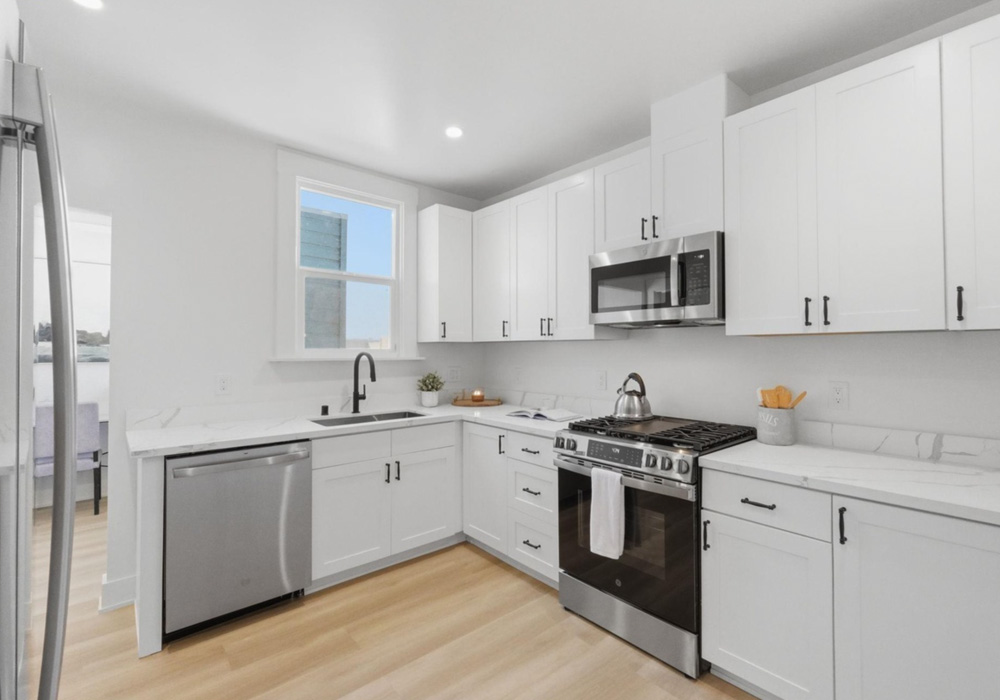
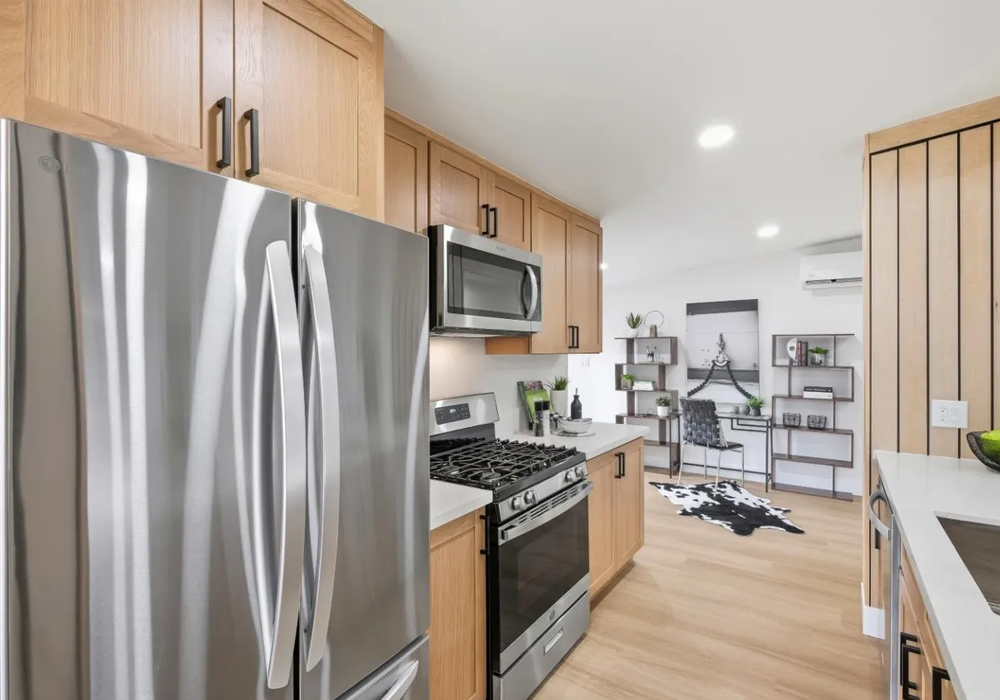
Kitchen Remodel Budget Planning
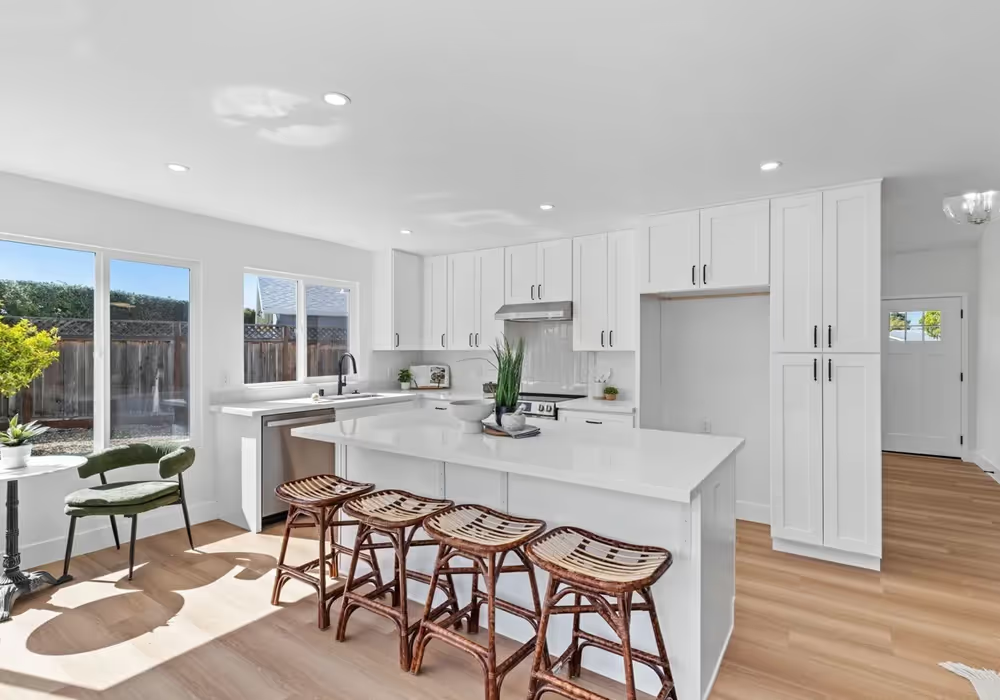
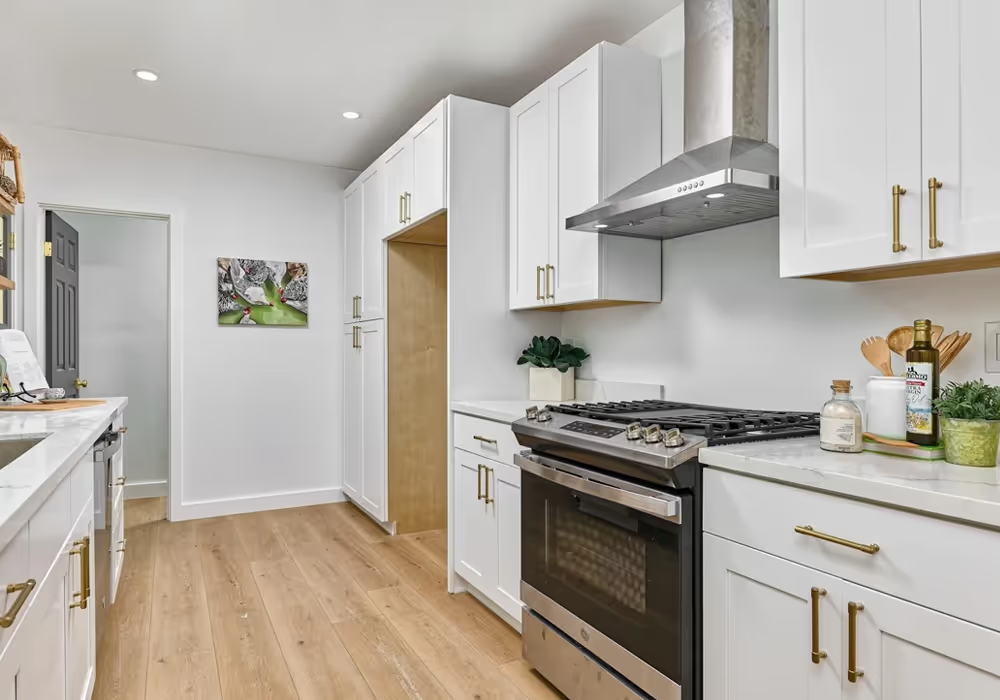
Kitchens combine cabinetry, plumbing, electrical, appliances, and finishes.
Cost drivers include:
- Layout changes
- Cabinet quality
- Appliance tier
- Countertop selection
From a resale perspective, kitchens strongly influence buyer perception. However, over-personalization can limit broad appeal. Strategic upgrades balance modern design with wide buyer desirability.
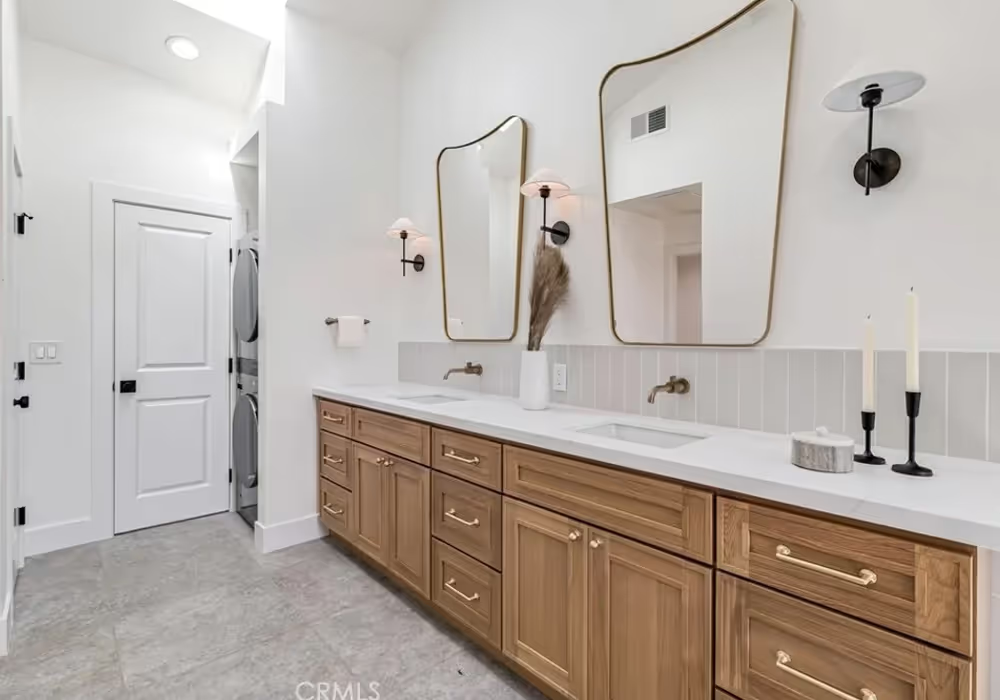
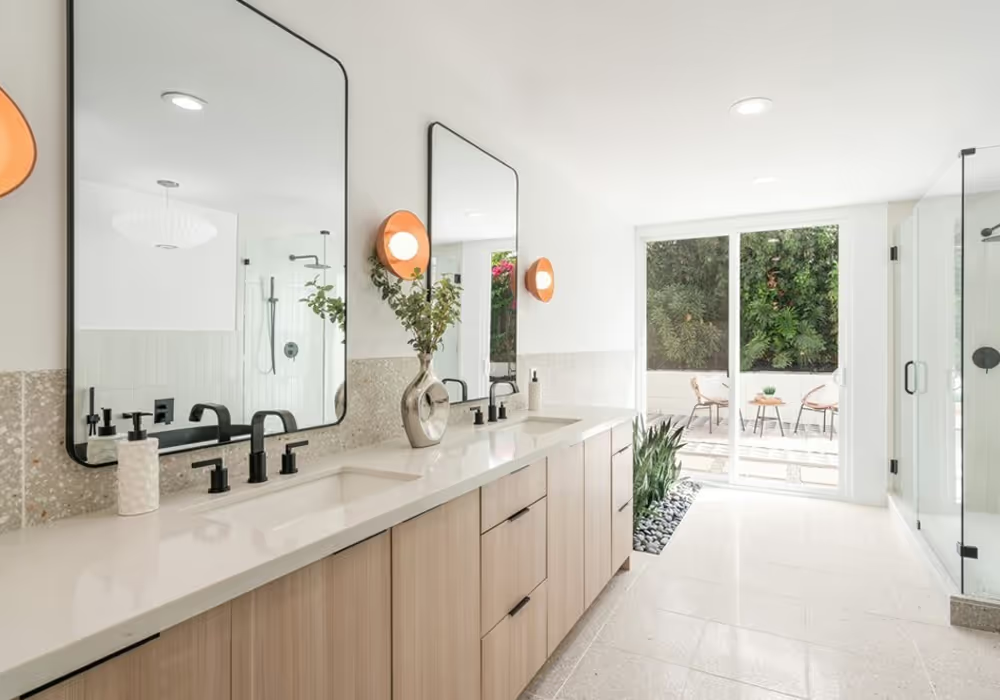
Bathroom Remodel Budget Planning
Bathrooms require waterproofing precision and plumbing coordination. Older homes may reveal necessary system upgrades once walls are opened.
Wet spaces carry higher cost volatility, so budget contingencies accordingly. Preparation reduces stress.
Whole-Home Remodel Budgeting
Partial remodels update surfaces while preserving infrastructure, while gut renovations replace systems entirely. The financial gap between these approaches is substantial.
Whole-home remodels make sense when:
- Comparable homes justify higher value
- Infrastructure requires modernization
- Long-term ownership is planned
The key question is whether comprehensive investment meaningfully strengthens long-term equity and livability.
Additions, ADUs & Garage Conversions
Accessory dwelling units (ADUs) and garage conversions can increase usable square footage and rental potential. However, they introduce new infrastructure demands and cost layers.
Ask:
- Does the additional unit meaningfully increase property value relative to investment?
- Is rental income aligned with financing costs?
- Will this increase long-term stability for my household?
Expansion projects require disciplined analysis.
Understanding Cost Tiers for Remodeling
Light remodel costs reflect cosmetic improvements, mid-range remodels balance transformation and cost control, and high-end remodels introduce customization and structural complexity.
The difference between tiers is not just finishes. It is scope depth and risk exposure. Choose intentionally.
What Drives Your Remodeling Budget Up (or Down)
Scope of Work
Moving walls increases complexity, concentrating on wet spaces increases volatility, and keeping layouts intact reduces engineering and labor exposure. Ask whether structural changes meaningfully increase resale value.
Labor Costs in Los Angeles
Licensed professionals carry insurance and compliance responsibility. General contractors manage coordination and reduce sequencing errors. Lower bids often reflect scope gaps. Clarity prevents costly revisions later.
Materials & Finish Selections
Visible finishes draw attention. Infrastructure upgrades protect durability. Imported materials increase timeline risk. Select finishes that align with your value tier.
Design & Professional Fees
Architects and designers prevent costly mid-project changes. Planning reduces rework. Professional fees are small relative to total project cost but large in impact.
Permits & Soft Costs
Permit fees and compliance upgrades preserve resale legitimacy. Transparency here protects future transactions.
Budgeting for Hidden & Unexpected Costs
Opening walls in older homes often reveals outdated wiring, plumbing, or structural adjustments. The right response is preparation.
Contingency Budget Planning
A 10 to 20 percent contingency is standard in Los Angeles. Older homes and structural changes justify leaning toward the higher end. Contingency protects stability, and it turns uncertainty into manageable risk.
Gut Renovation vs. Non-Gut Renovation
Gut renovations reset infrastructure but increase upfront capital and timeline. Non-gut remodels preserve systems and reduce exposure. The right choice depends on ownership horizon and neighborhood positioning.
Wet Spaces vs. Dry Spaces
Wet spaces carry higher cost concentration, while dry spaces are more predictable.Allocate budget accordingly.
Remodeling Timeline & Cash Flow Planning
Cosmetic remodels may take weeks, mid-range projects may take months, and whole-home renovations extend further. Longer timelines increase financing and carrying costs.
When you plan your financing carefully, you stay in control. Maintain liquidity buffers.
Smart Budgeting Strategies for LA Homeowners
Clarify must-haves versus preferences, and phase projects if necessary. Preserve plumbing and layout when ROI does not justify change. Leave systems work to licensed professionals.
Every decision should support one outcome: stronger equity and greater stability.
How to Select a Contractor Without Blowing Your Budget
Compare bids based on aligned scope. Keep in mind that low bids may omit essential components. Transparency and documentation reduce escalation.
Choose partners who communicate clearly and respect your financial goals.
Financing & Payment Planning
Cash preserves flexibility but reduces liquidity, while financing spreads cost but increases carrying expense.
Structure draw schedules carefully. Protect reserves. Thoughtful planning protects long-term opportunity and household stability.
Frequently Asked Budgeting Questions
How much should I budget?
It depends on scope, finish level, and structural complexity. Align budget with neighborhood value ceilings and long-term plans.
Why do bids vary?
Scope gaps, experience level, and contingency planning create differences.
Are online calculators accurate?
They provide ranges, not Los Angeles-specific precision.
Conclusion
Remodeling is not about finishes. It is about leverage, stability, and opportunity. Optimistic estimating creates stress, while strategic budgeting creates control.
When scope aligns with neighborhood value ceilings, when contingency protects stability, and when decisions are guided by data instead of emotion, remodeling becomes a wealth-building tool.
Home is more than shelter: It is security. It is a legacy. It is financial momentum. The future starts at home. Before committing to a remodel, get clarity.
Run a condition-based value analysis with Revive to see your home’s value today, its potential after renovation, and the capital required to unlock it. See what your renovation could unlock. Make your next decision with confidence.
When you approach renovation with clarity and strategic intent, you turn renovation into leverage. And leverage into long-term wealth.
That is how homeowners protect upside, build equity, and move forward with confidence.
How much is your home's worth?
Get your personalized estimate today.
















Seasoned architect with a B. Arch from Sushant School. Formerly at Brookfield Residential and Studio Niev's founder. Kanika's blend of aesthetics and efficiency is pivotal to our production team's excellence.