A bathtub is a relaxing, luxurious, and aspirational home feature that's highly desirable today. While most people want to own a home with a tub, the question for you, as a homeowner looking to build equity, is whether adding this feature actually pays off on your wealth-building journey. Do bathtubs increase home value?
72% of first-time buyers have strong opinions about bathtubs, which directly affects buyer demand and resale outcomes. Homeowners looking to build equity and wealth should consider whether adding this feature makes their home more competitive with buyers, especially if it isn't already a high-end property.
The Evolving Role of the Bathtub
Tubs were once the bathing method of choice out of necessity. Things have come full circle, and bathtubs are now considered luxury items. While a tub is not a universal requirement, in the right context, it can protect resale value and bolster buyer demand. If you need to bring your bathroom into the modern era with a luxury or practical bathtub, Revive can help you explore options that elevate your bathroom using features buyers want and appreciate.
Does a Bathtub Add Value to a Home?
A home's bathrooms are often one of the big make-or-break details for buyers, and play a key role in protecting your home’s present and future equity. Here's how the experts view the tub debate.
How appraisers and real estate agents view bathtubs
Do bathtubs increase home value according to real estate pros? When it comes to home value, a home with at least one tub and one shower is the sweet spot. However, there is nuance. The design and placement of a tub will matter. For example, an elegant clawfoot tub or soaking tub tucked away in a spacious bathroom attached to the primary bedroom can be a big value adder. In contrast, an older tub made of fiberglass from the 1980s in a main bathroom can look like a large, clunky renovation project to potential buyers.
Taking the long view, spending thousands on a new tub and plumbing work probably won't offer good ROI if you're adding a luxury tub in a bathroom that doesn't match up. Buyers evaluate bathrooms as a whole. When the space feels unfinished or mismatched, they discount the home, either through price or negotiation.
Real estate agents view the right tub as a big selling point. Generally, having one full bathroom with a tub is essential for attracting a wide range of buyers. Appraisers are more or less indifferent to tubs. The only way to reduce paper resale value when removing a tub is to not replace it with a tub or shower, which risks downgrading a full bathroom to half-bathroom status.
Of course, it’s not just about the numbers. There's also a psychological component to the equity aspect. This mostly has to do with the potential of a bathtub for reducing time on market if you plan to list a home at some point. This "emotional" value-adding aspect of a bathtub isn't always reflected in formal appraisals.
Bathtub impact on perceived value and buyer appeal
The right bathtub can help you stage and market your home as a high-end property. Buyers in higher-end markets will often expect at least one bathtub. In more mid-market homes, tubs are considered extra perks that can boost buyer appeal as long as the home also has a shower. Generally, the return on investment on a tub isn't as high if you don't have a luxury home.
In order to determine if a bathtub will actually build equity, it's essential to look at comparable properties in your market. Your real estate agent can help with this by showing you homes that have sold within the past 30 to 90 days.
NAHB statistics on buyer expectations
Data from the National Association of Home Builders (NAHB) shows that bathtubs are a top priority for today's buyers. However, placement is everything. NAHB statistics on buyer expectations shows that a shower stall and tub in the primary bath tops the list for first-time home buyers. What's more, 72% of first-time buyers rated both a shower stall and tub in the primary bath as "essential" or "desirable."
Ideal bathroom setups for resale
The tub belongs in the primary bathroom if your goal is increasing home value. A guest bath is also acceptable. Ideally, a tub is being placed alongside a shower for a varied experience that allows you to choose between the relaxation of a bath and efficiency of a shower.
Who Still Wants a Bathtub?
Some buyers may place greater weight on the presence or absence of a tub. This includes:
- Families with small children
- Pet owners
- Luxury buyers with an inflexible checklist for luxury features
- Buyers seeking to make a home an oasis who value the stress-relief and relaxation benefits of baths
Homes that appeal to a broader buyer pool sell faster, attract stronger offers, and preserve leverage.
In all cases, a tub is best installed in the primary bedroom. Bathtubs are less desirable in secondary bathrooms that are used communally in the home. This is even more true if the bathtub is present but there is no shower. A tub-only common bathroom can actually subtract value from a home.
Types of Bathtubs and Their Design Impact
With tubs being viewed as statement pieces today, the type of tub you choose matters when you're attempting to add value instead of just being practical. Here's a look at how popular bathtubs enhance homes in different ways:
Alcove Tubs: The basic, affordable option that's great for upgrades
This is your standard built-in tub that fits a wall recess or alcove. It can be a great option if you need to fill the space left by an old fiberglass tub that was making your bathroom outdated. The size of this option also makes it ideal when doing a tub-shower combo. Cost-effective alcove tubs are typically made of acrylic.
Drop-in Tubs: The choice for built-in appearance with versatile styling
Providing a highly custom, spa-inspired look, the drop-in tub is a simple tub designed to fit within a frame or deck that hides unfinished plumbing. The beauty with this option is that you can finish the look with tiling, stone, or synthetic panels to fit a custom bathroom remodel.
Undermount Tubs: The Pick for a seamless, integrated look
Undermount tubs are stabilized by feet or a flat basin that rests on the floor. While similar to drop-in tubs, they are installed under the deck for a flush, seamless finish with no visible rim.
Freestanding Tubs: The visual focal point and status symbol for a luxury home
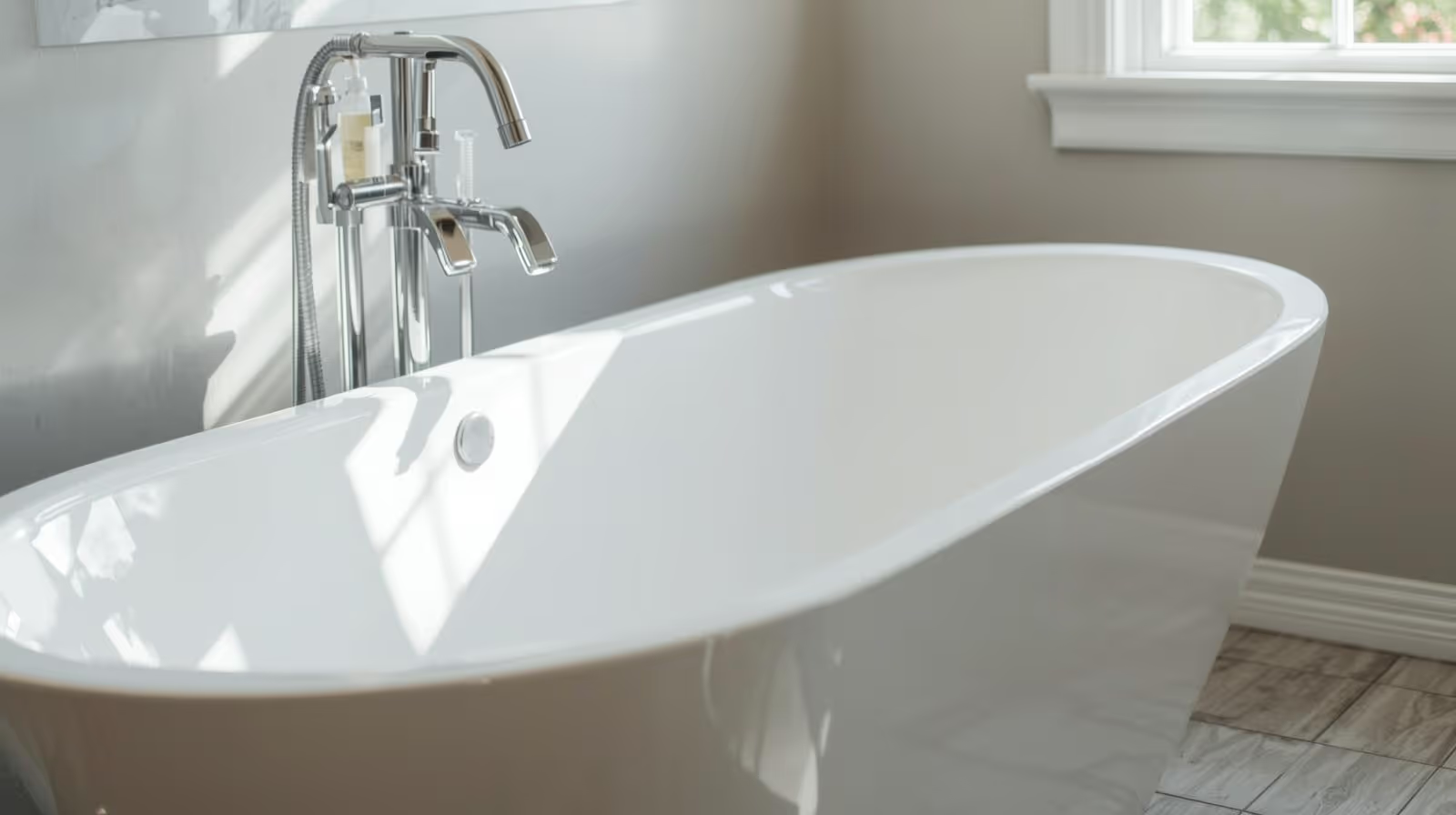
Considered the ultimate signature piece, a freestanding tub is meant to be a focal point of the bathroom. Freestanding tubs offer incredible placement and style flexibility, with options everything from antique-style clawfoots to more modern soaking tubs.
Revive helps homeowners evaluate bathroom upgrades through a return-focused lens, so layout and design choices translate into real equity, not wasted spend.
Cost and Installation Considerations
Adding a new bathtub to your home can cost from $2,000 for acrylic to more than $6,000 for cast iron. If you're simply swapping in a new bathtub for an existing tub in the same spot, expect costs to range from $800 to $2,200. Beyond the price of the tub itself, you may also need to pay for plumbing work, tiling, bathroom repainting, glass doors, and more.
Of course, it's also important to consider whether investing time and money in this project is worth it. If your bathroom is tight on space or has a complicated configuration, attempting to shoehorn in a tub just to check it off a list of much-wanted luxury items might not provide the return on investment you're expecting. The aesthetic and practical appeal of your tub will matter more than just having a tub. If a tub makes a bathroom feel tight or reduces usable space, it can actually give your bathroom negative points with buyers.
Investing in a tub while leaving the rest of the bathroom outdated often destroys return. In this situation, a buyer may feel like a new tub is something they will just need to pull out when they remodel the whole bathroom. Buyers will mentally price in a full remodel, which erases the value of the upgrade you just paid for.
When a Shower Might Be the Better Investment
Should you ever just consider adding a shower instead of a tub? In general, an enclosed walk-in shower will cost less to install than a tub. It can also be a more viable option in a tight bathroom if you don't want to open up walls or change the layout.
Even buyers hoping for a tub can be easily swayed when a home is updated with luxury, tech-enabled showers featuring rain heads, steam, lighting, and sound systems. For example, Kohler DTV+ showering systems feature a digital interface that delivers a multisensory showering experience. Ultimately, a higher-end shower can be more attractive to modern buyers because it offers a spa-like experience that's more practical than a bath. This is especially true in smaller bathrooms where a tub would be more of a hindrance than a help.
Bathtubs vs. Showers for Resale
The National Association of Realtors (NAR) makes it clear that a home absolutely must have at least one bathtub to preserve resale value and be considered move-in ready for most buyers. Tubs are still preferred in most markets and price ranges. However, this becomes more and more crucial as you go up in price range. Showers can still offer comparable appeal and ROI when placed in secondary bathrooms. None of this is to say you need to build an elaborate bath setup just to sell your home. However, homeowners should be prepared for the reality that some buyers will show up looking for a tub.
Final Thoughts: Should You Add or Keep a Bathtub?
A bathtub can absolutely protect and even increase your home’s value, but only when it fits the market, the layout, and the buyer expectations for your price point. The biggest mistake homeowners make is treating upgrades as isolated decisions. Smart homeowners consider how each improvement affects resale value, liquidity, and long-term equity. If you want to know what kind of home value increase is possible from adding a new bathtub, you can speak with a property expert at Revive for free. Book your intro call today.
How much is your home's worth?
Get your personalized estimate today.



Jonathan Salas brings a wealth of experience to Revive, having started in real estate in 2007 and later founding Above Media in 2012. His expertise in real estate marketing and innovative technology has helped Revive since year one. As Head of Sales, Jon helps homeowners and agents navigate the challenging world of renovations.