Painting can improve the way buyers perceive your home, strengthen your market position, and help your property feel cared for and well-maintained. A painting makeover for your home delivers a strong return on investment without anywhere near the hassles of a major remodel.
Still, not every paint job creates the same impact. The value you gain depends on the conditions of your surfaces, the quality of the materials, and how well the work is completed. Strategic choices matter. A fresh coat of paint can modernize outdated rooms, cover years of wear, and create a cleaner, more polished look throughout the home. Understanding where paint has the greatest impact and how it influences buyer confidence can make a meaningful difference in your final sale price.
How Painting Increases Home Value
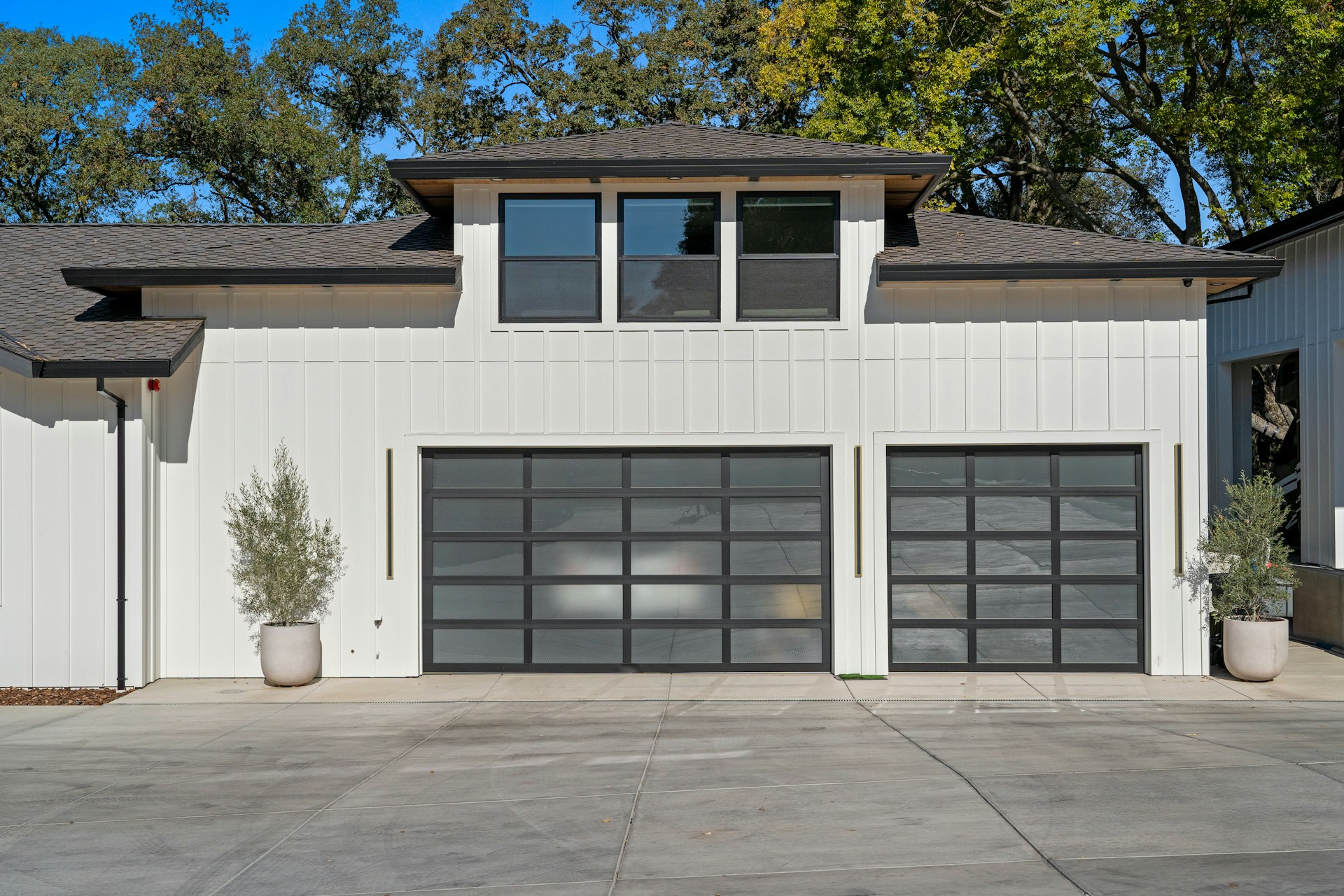
A good paint job improves your home’s curb appeal. This is the attraction and appreciation a passerby feels as they walk past your home. It may be that the passerby is in the neighborhood because they’re looking to buy. Curb appeal increases the chances that the house might be yours. Even small exterior improvements help buyers see the home as better maintained, which can reduce early hesitation.
Painting can also make dated rooms look more contemporary. Even without remodeling, a new color scheme can help older finishes seem intentional rather than worn. A clean coat of paint inside and out signals to buyers that the property has been cared for, which is especially important in competitive markets where condition influences both price and time on market.
Interior vs. Exterior: Which Adds More Value?
Most experts agree that a beautiful exterior paint job adds more value than an interior paint job, though both are important when it comes to the value of the home. The enhanced value of the exterior is simple. It is the first thing that people see and may be what prompts them to take a look at the interior in the first place.
Interior painting still carries real weight when rooms appear tired or overly personalized. Sometimes a home with a sound exterior but heavily worn interior walls benefits even more from repainting the areas where buyers spend the most time. In markets where buyers expect move in ready homes, freshly painted interiors can be the deciding factor. For sellers, this can help create a smoother and more confident listing experience.
Factors That Influence the Value Added by Paint
Besides whether the new paint refreshes the exterior or interior of the house, there are other factors that can affect the added value. Here are some of them.
Size of the home or rooms painted
A larger home means that you'll probably pay more to paint the space, whether you do it yourself or have a professional do it. Because of this, your return on investment, or ROI, might not be as large as it would be if your home was smaller. This is why many sellers prioritize the areas that create the strongest visual impact.
Wall and surface condition
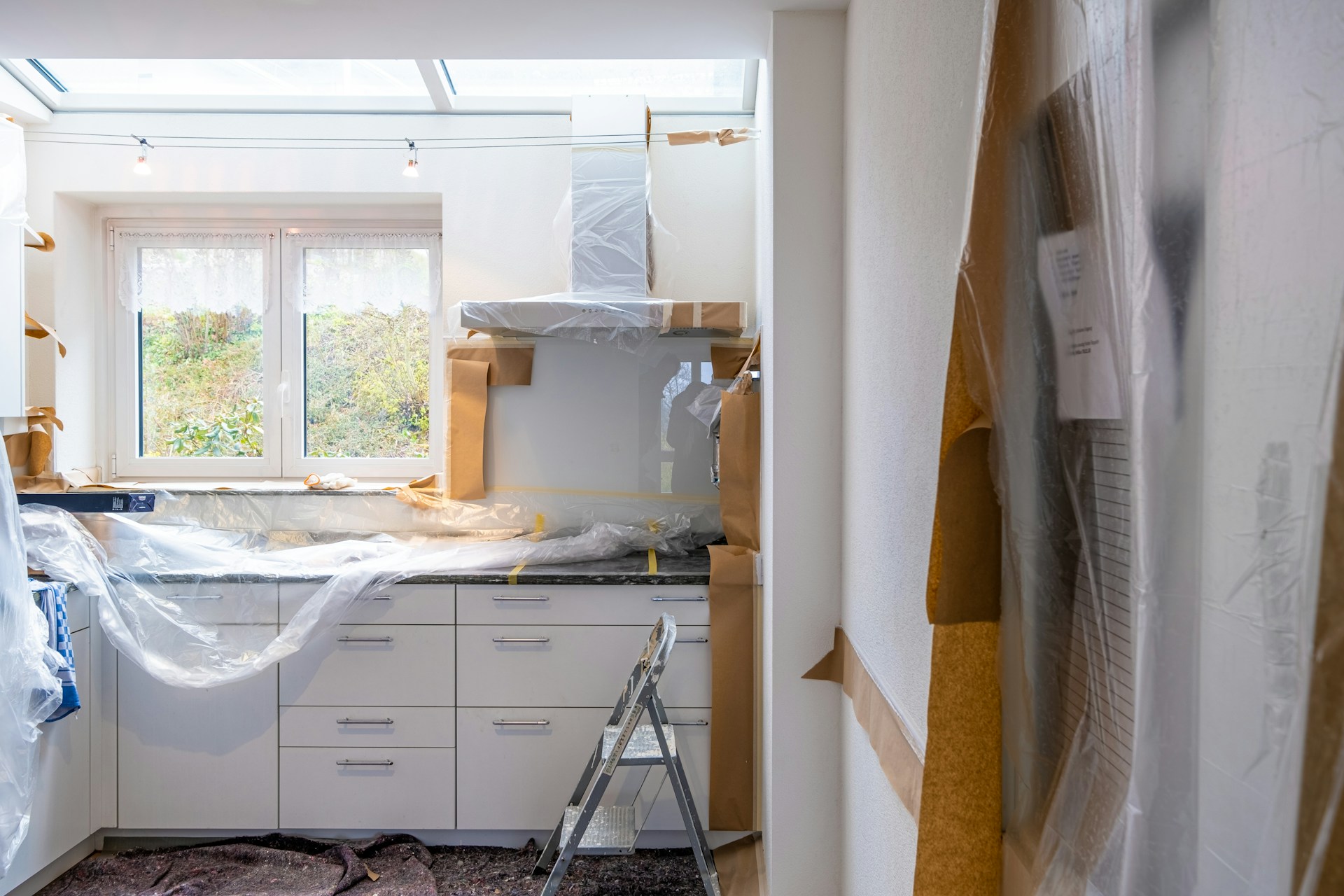
Professional painters make sure that walls and surfaces are in good shape before they paint them. Surfaces that have dents, holes, cracks, mold or other problems don’t take paint well. In the end, you’ll just have to remove the paint, make sure the surfaces are properly prepared, and paint again. This costs money. For sellers, it helps to think of this prep work as an investment in buyer confidence and in the overall quality of your listing photos.
Quality of materials and finish
As with just about every other project, you should buy the highest quality materials you can afford when you set out to paint your home. This means good quality paint and good quality brushes, rollers, ladders and other equipment.
The paint finish, which determines how much light the top coat of paint reflects, is also important. Professionals recommend semi gloss, satin or eggshell as the most pleasing finishes for exterior painting. Interior painting ranges from flat, which reflects very little light, to gloss, which can reflect close to 90 percent of the light that hits it. Choosing the right finish helps rooms feel cleaner and more polished, which supports a stronger first impression during showings.
DIY vs professional paint job
Both DIY and professional painting have their pros and cons. DIY seems less expensive because you won’t have to pay a professional for labor. However, there are cons that come with DIY. A layperson is more likely to make mistakes that require at least a portion of the job to be done over. A DIYer may also be surprised at how much time it takes to paint even a single, average sized room. Professionals know how to compensate for sudden changes in the weather and use high quality paints. They also have the equipment they need to do a stellar job on your home. These include the right paint brushes and tools such as extension poles and scaffolds.
Professionals also know how to paint your home safely. Some of their equipment includes safety goggles and masks. Many people think that painting their home is relatively safe, but risks of injury increase when you add ladders, poor ventilation and live electrical wires. For sellers on a timeline, hiring a professional often delivers a more consistent finish and fewer delays.
Age of the home and surrounding comps
The age of your home when it has a new coat of paint also influences its value, as do the surrounding comps. These include nearby homes similar to yours that have been sold within the last six months. These properties need to have been sold recently to give you an idea of what you might expect when you put your home on the market. A beautiful paint job may just make your ROI a bit higher than that of your neighbors.
The benefits of your home’s age can vary. A well maintained century old Queen Anne house may sell more quickly and more lucratively than a 20 year old ranch that’s falling to pieces. Likewise, if nearby homes have been updated recently, painting may help your home stay competitive. In this way, paint becomes a simple step toward leveling the playing field and presenting your home with confidence.
Which Rooms to Prioritize for Interior Paint
If your home has a lot of rooms, it may be too burdensome or expensive to give each and every one of them a new paint job. If you can only paint a few, paint the rooms that get the most traffic. These would be the entry hall and other hallways, the living room, the kitchen and the dining room. Prospective buyers will notice the fresh, rejuvenated look of these rooms and be impressed.
Bathrooms and bedrooms can also benefit from a quick refresh, especially if the colors are dated or if there’s visible wear. Updating just a few high impact spaces often helps buyers imagine moving in without major work.
Color Choices That Maximize Value
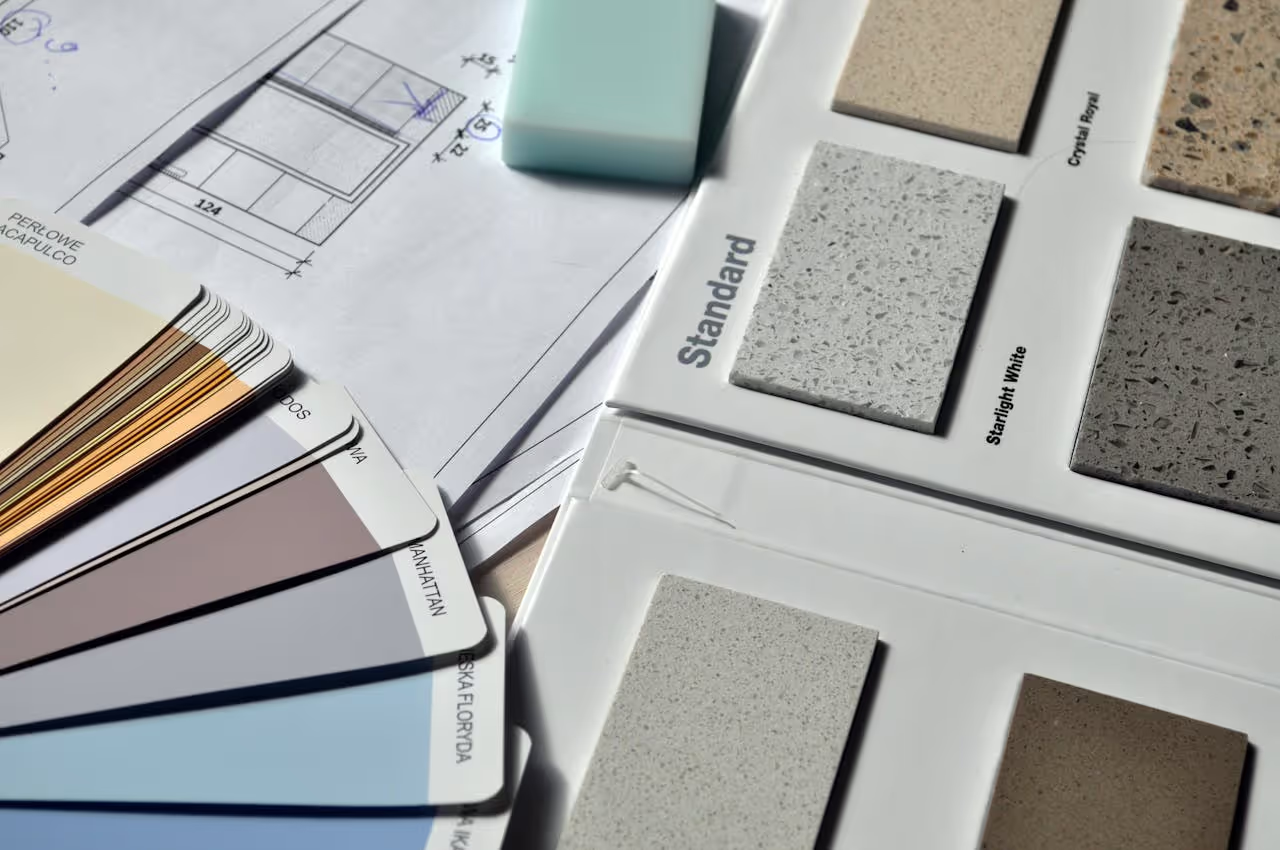
The colors of your home have a surprising effect on its value. This is especially true of the exterior, since it’s the first thing a buyer sees. The most favored colors make people comfortable rather than enthusiastic. Here are some of the colors:
- Warm white
- Grays and other neutrals
- Greige, which is a mix of gray and beige
- Soft greens
- Muted blues
- Taupe
There’s more leeway with interior colors. Some homeowners enjoy bold palettes, but neutral tones are still the safest choice when you want to appeal to the widest range of buyers. Neutrals help rooms feel clean and calm, which supports a stronger sense of readiness.
Front doors can also influence curb appeal more than people realize. Darker, saturated shades such as navy, charcoal or classic red often make the entrance more inviting. It’s wise to avoid extremely bright or unusual colors on major surfaces, since these can limit buyer interest.
Cost of Painting and Estimating ROI
Painting can be a strong investment when preparing to sell.
- Exterior painting typically costs $3,000–$12,000 and can offer returns of more than 100 percent.
- Interior painting ranges from $1,100–$9,000, with average returns around 55 percent.
To calculate ROI, compare the cost of the paint job to the amount your home’s value increases. For example, if you spend $5,000 and your home’s value increases by $10,000, your ROI is 100 percent.
When existing paint is worn, faded, or overly personalized, the improvement in buyer perception often makes painting worth the investment.
Budget Friendly Painting Tips
Though you shouldn’t stint on the quality of paint and equipment, there are ways to save money.
- Plan ahead and map out the rooms that matter most
- Pick colors that complement existing finishes and architectural style
- Use paint calculators to estimate how much you need
- Research several painting contractors before making a choice
- Buy only what you need to complete the job
- Refresh trim, a front door or cabinets if you want impact without a full repaint
These small steps help you stay on budget while still presenting a home that feels well cared for.
Real Estate Insights and Expert Advice
Most real estate agents believe that painting the interior and especially the exterior of your home is a good idea when you’re preparing to sell. A new coat of paint prevents a prospective buyer from wanting a lower price because the home’s paint is in bad shape. Fresh paint, especially in the colors discussed above, also helps your home sell faster.
A realtor may tell you to avoid painting if the home is in such bad shape that it will take more than a few coats of paint to make it salable. They may also tell you not to paint if the house is going to be a rental or if the demand for housing in your area is so intense that buyers are willing to purchase sight unseen.
Because listing photos matter so much, many agents view painting as a simple way to help your home stand out online. Clean, well lit walls show better in photos and make rooms feel more spacious, which can increase showing activity. For sellers, this often leads to stronger early interest.
Conclusion
A good and thorough paint job not only improves the appearance of your home but can raise its value. When you use high quality paints and apply them skillfully, your home can sell more quickly and with greater confidence from buyers. Don’t overlook colors and finishes that support curb appeal. A little strategic painting before listing often pays off in both buyer interest and the final sale price.
How much is your home's worth?
Get your personalized estimate today.



Rebecca Denis, Head of Design at Revive Real Estate, is an accomplished and highly creative interior designer with over ten years of experience in the industry.